These reviews present a mixed picture: many families and residents praise individual caregivers, therapy staff, and the community programming, while others describe operational and clinical gaps that materially affect daily care. Strengths most consistently noted include compassionate nursing and aide staff, an active rehabilitation department, a range of activities and faith-based programming, multiple care levels on one campus, and practical amenities such as on-site dining, transportation coordination, and responsive maintenance support. The community atmosphere and affordability are additional reasons families have chosen the center.
Care quality and safety show clear variability. Positive comments cite helpful nurses and effective therapy that supported recovery, but other accounts indicate persistent medication-management failures, inconsistent communication about medication changes, and missed or delayed doses. Reviewers described gaps in wound oversight and follow-up, delayed clinical response when residents' conditions changed, and instances where transfer and mobility-assistance practices did not meet expected safety standards. These patterns suggest the facility’s clinical controls and handoff processes are areas of concern for patient safety.
Staffing and staff conduct emerge as a significant theme. Many reviews highlight individual staff members and departments who go above and beyond, but there are frequent descriptions of staffing shortages, uneven training, and variability in staff responsiveness and interpersonal tone. This inconsistency is linked to long wait times for restroom and meal assistance, irregular personal-care schedules, and variations in hygiene and grooming support. Hand-hygiene and infection-control practices were also noted as inconsistent in some accounts.
Dining and activities are generally viewed as assets, with multiple dining rooms, special luncheons, live music, and resident-led social groups cited positively. At the same time, meal quality and service continuity are uneven across reports: some residents found the food excellent and nourishing, while others experienced delayed or poor meal service. Activity programming is available and valued, but participation and staffing at events may vary by neighborhood.
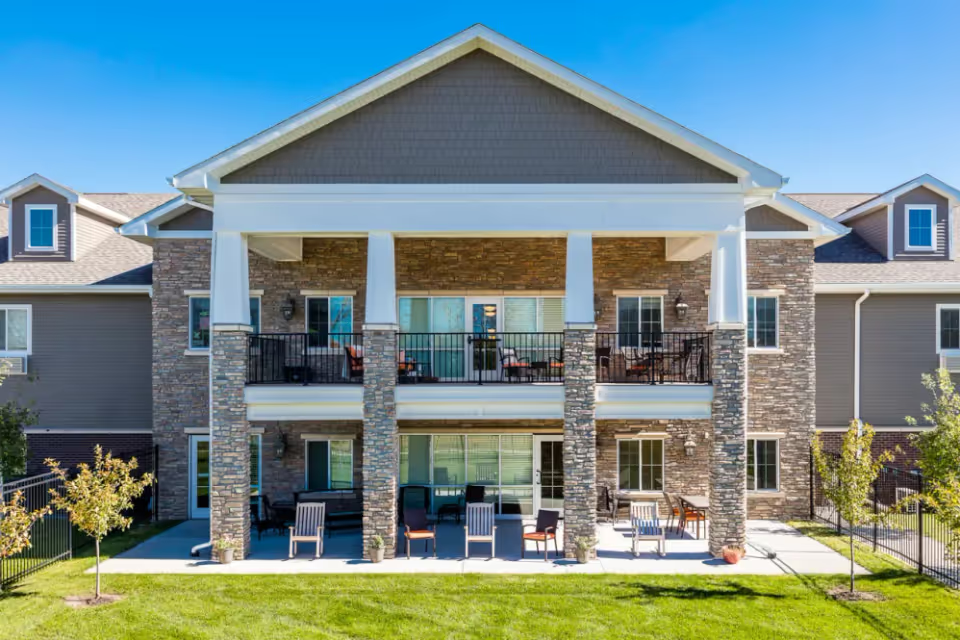
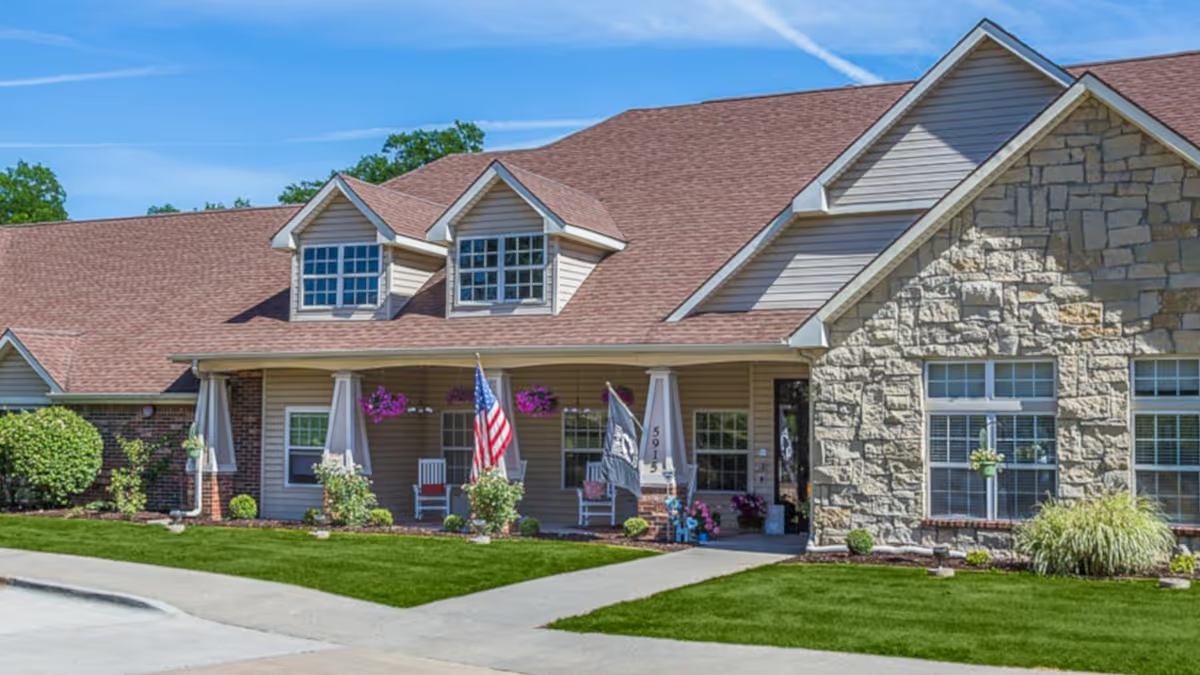
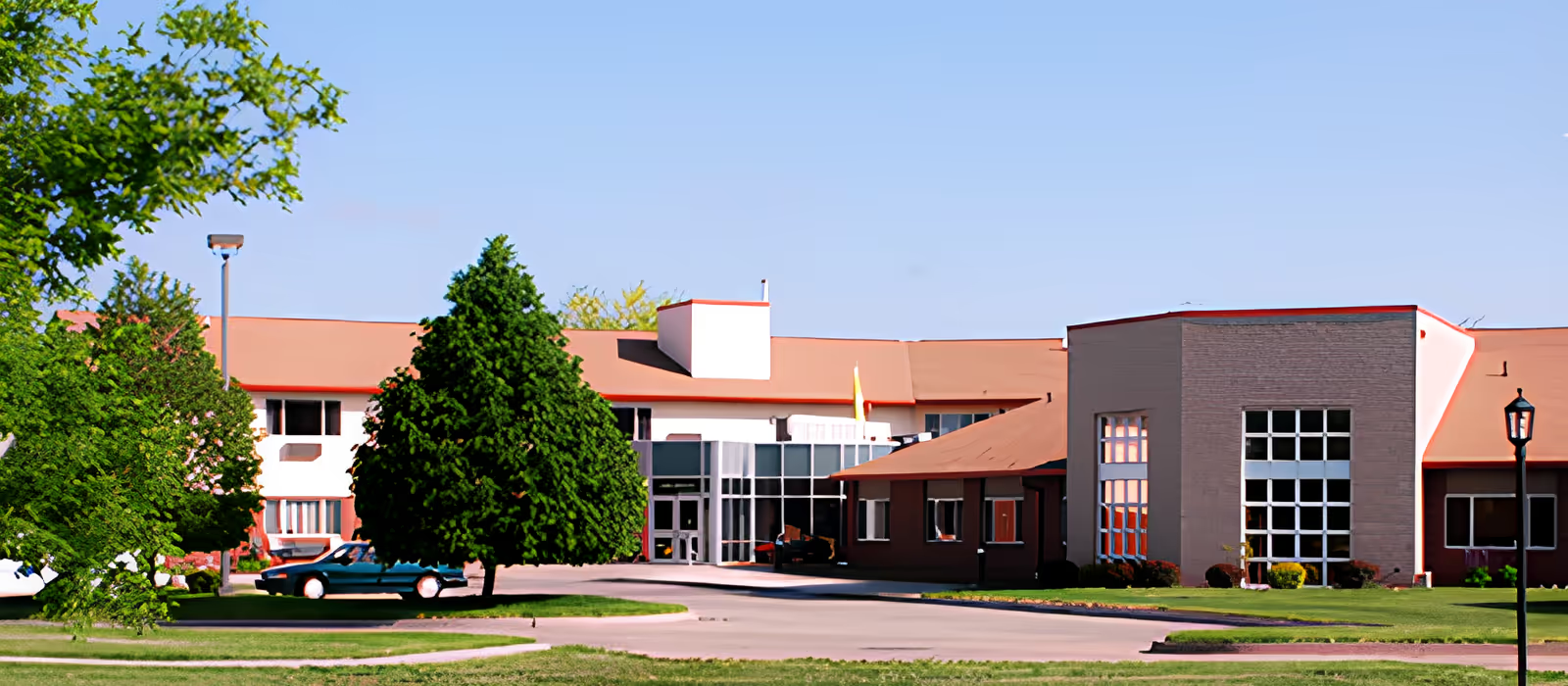
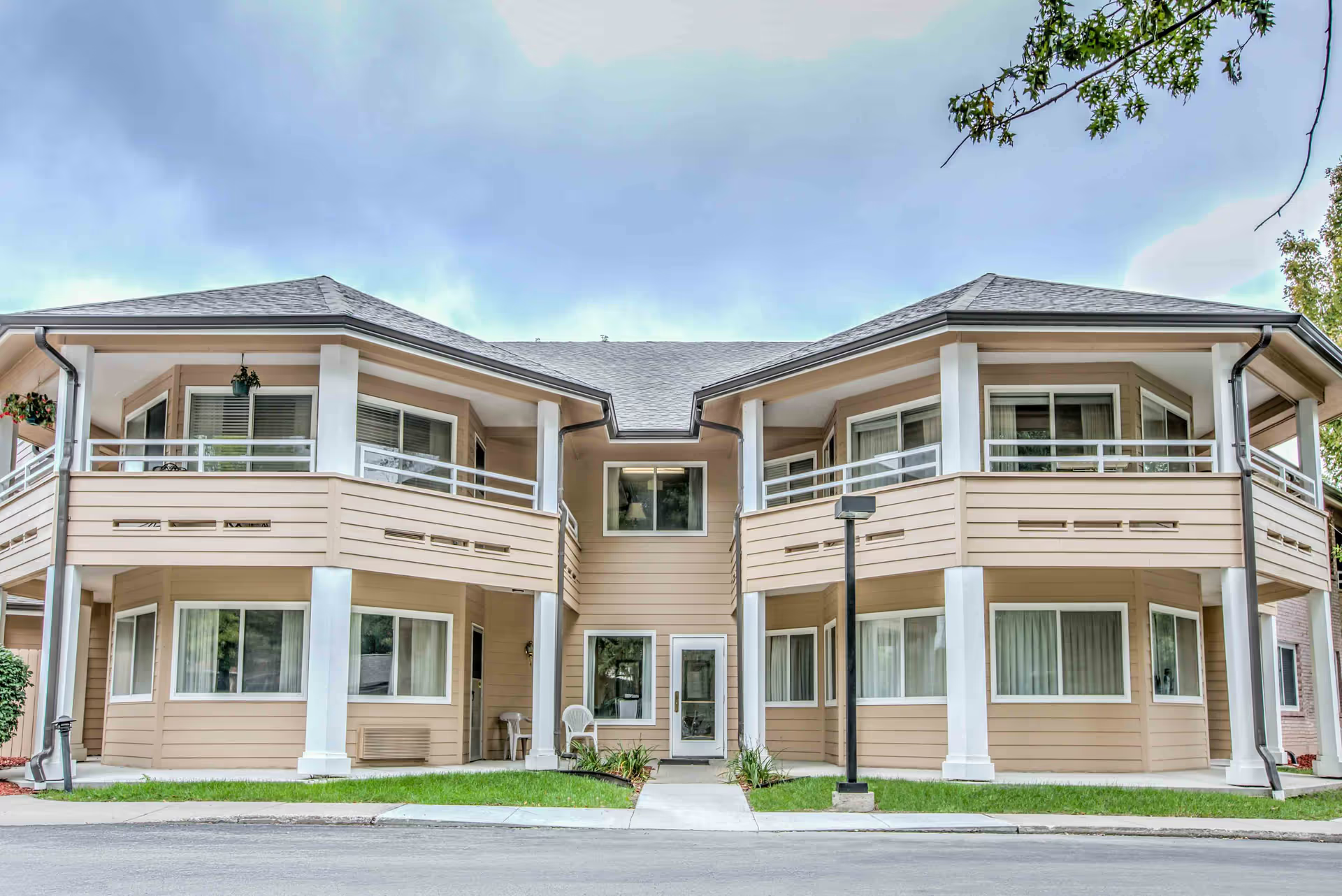
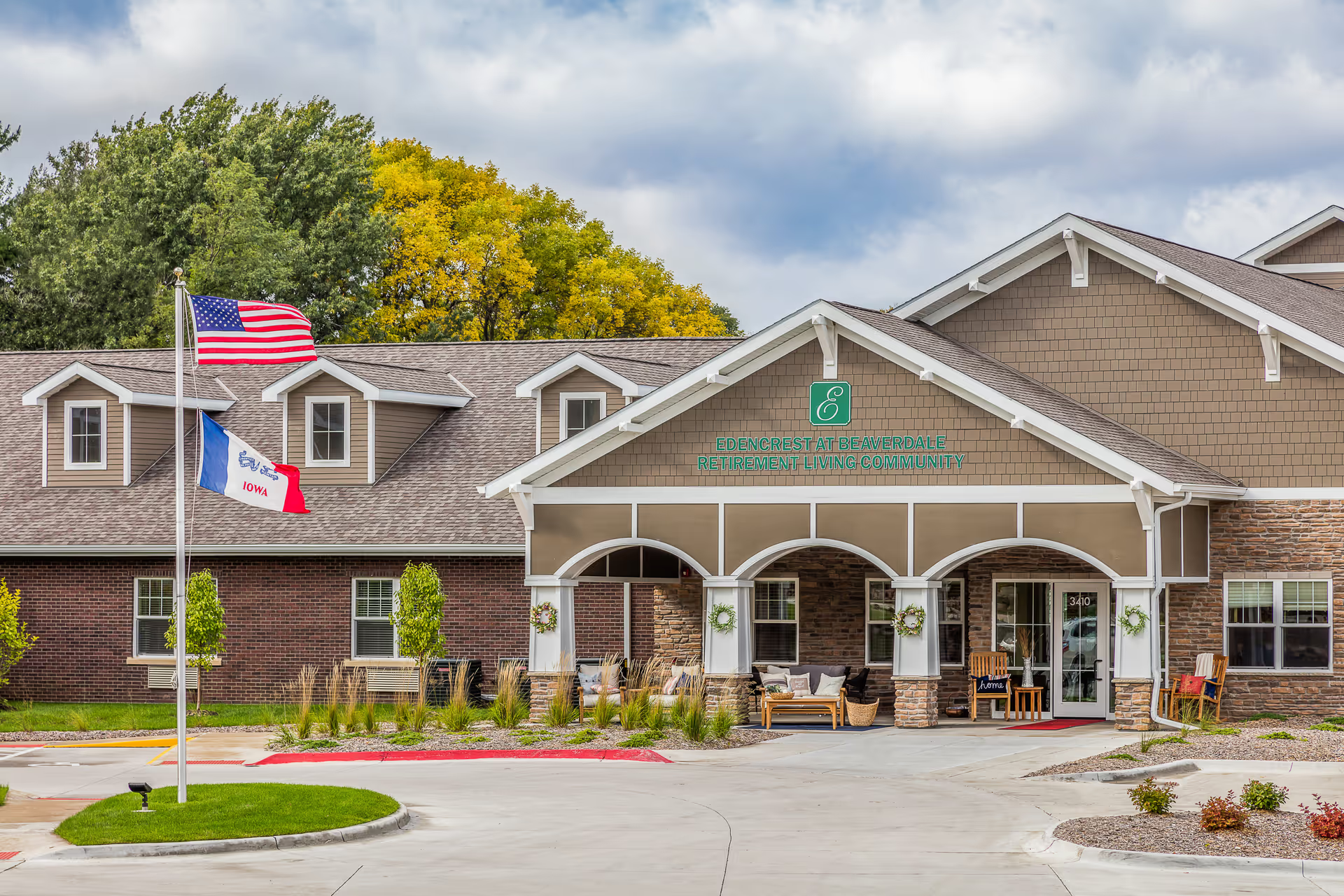
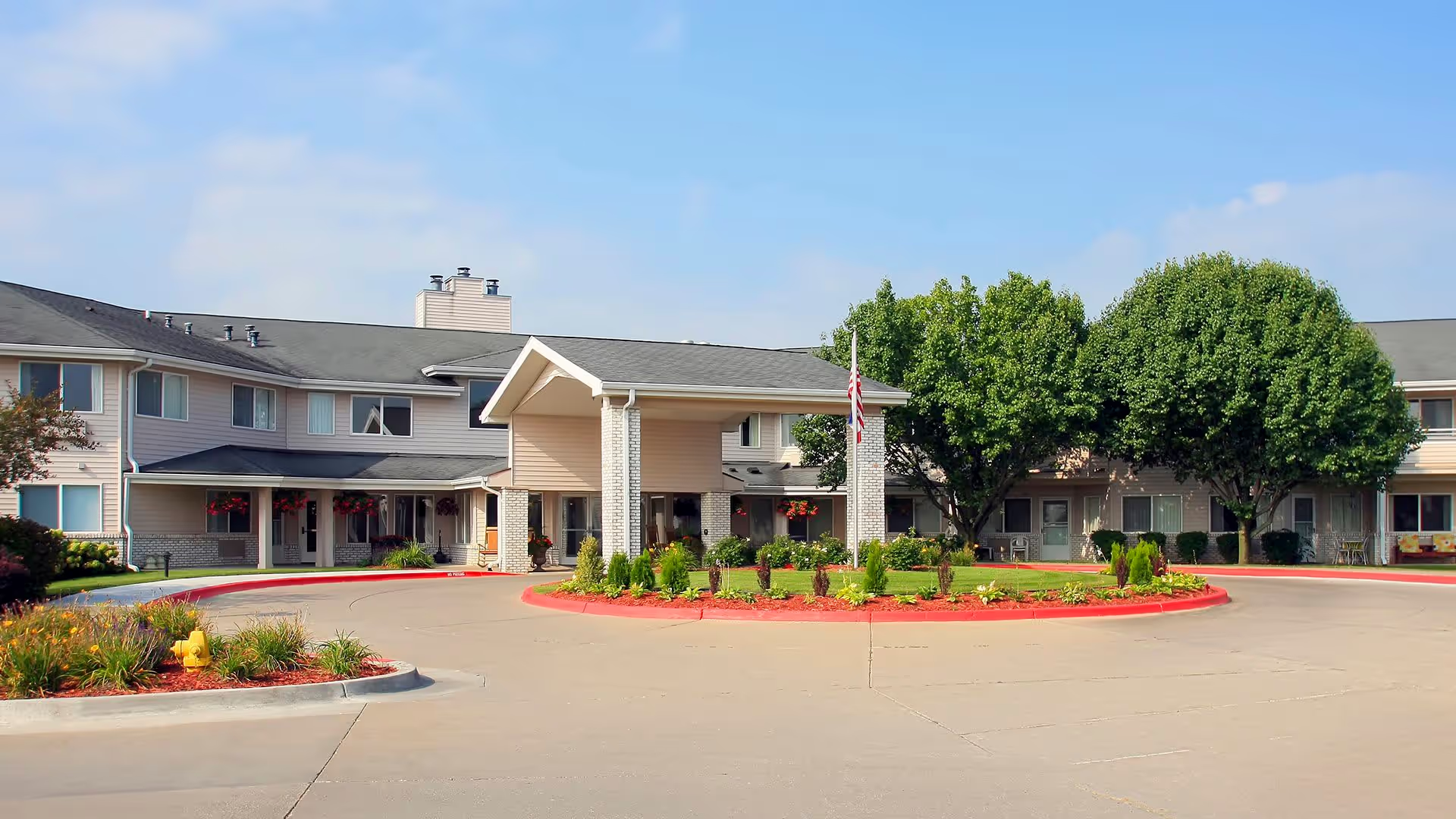
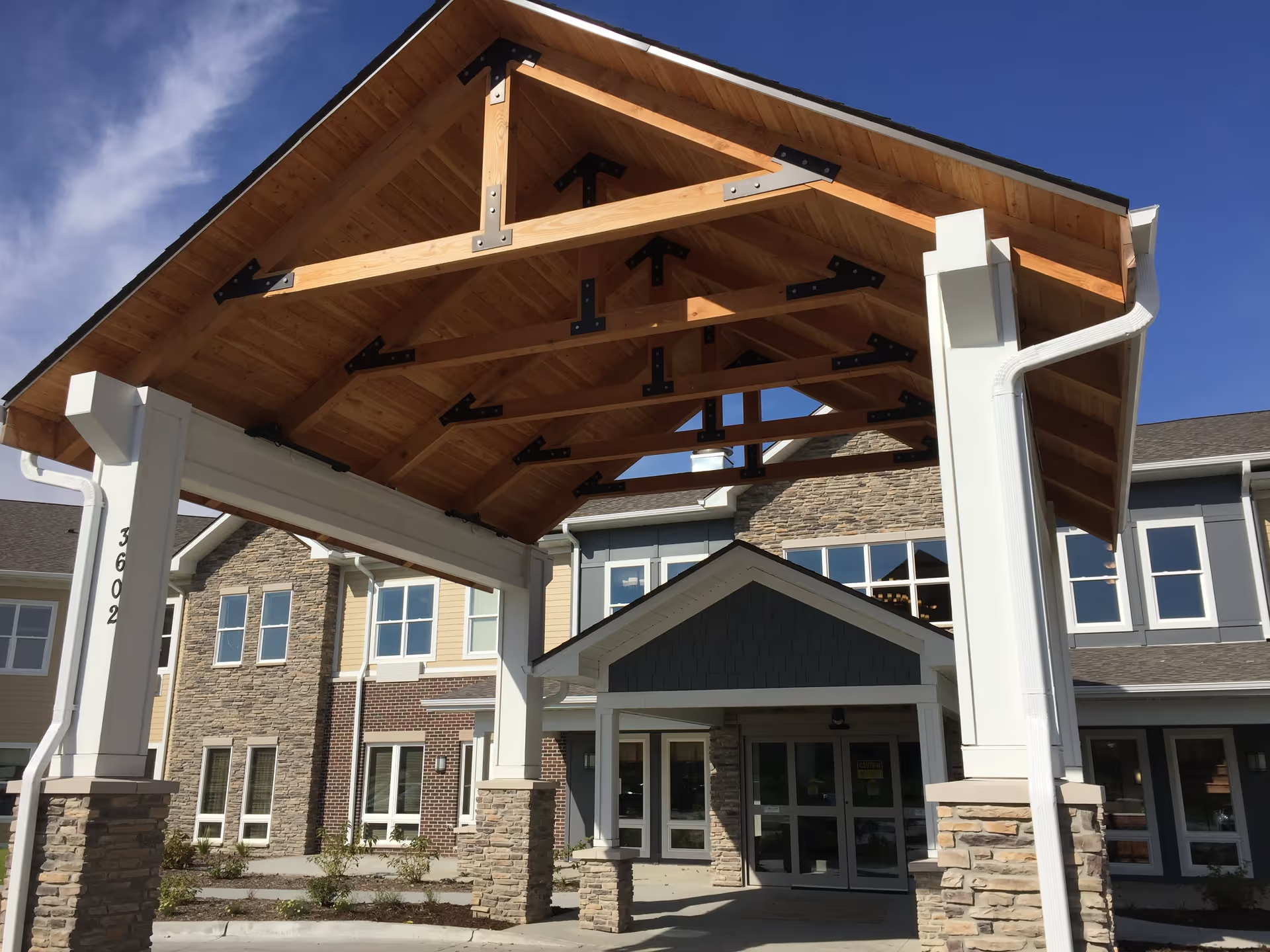
Facility condition and housekeeping feedback is mixed. Several reviewers described clean, pleasant common areas and a nice patio or garden; others identified sanitation concerns in some resident rooms and bathrooms, delayed linen changes, and dated or small private spaces. The physical plant appears to be well-maintained in parts of the campus and in need of updating in others.
Management, communication, and operations are key pain points for many families. Common themes include slow or insufficient responses from administration, difficulty obtaining timely clinical or medical-director access, and problems with discharge and billing processes. There are also allegations of theft and other serious misconduct that warrant investigation. Coordination with external vendors (pharmacy, therapy providers) and between shifts was described as inconsistent, contributing to gaps in care continuity.
Overall, the center has demonstrable strengths in staffing compassion, rehabilitation services, and community programming, but reviewers describe systemic operational weaknesses—particularly in medication management, staffing consistency, clinical coordination, and administrative responsiveness—that can adversely affect resident safety and daily living. Prospective residents and families should prioritize direct observation of care routines, ask about medication and wound-care protocols, review staffing levels and handoff procedures, and clarify billing and discharge practices during tours and decision-making.