Reviews convey a predominantly positive view of daily life at this community, with repeated emphasis on a warm, family-like culture and staff who form close relationships with residents and families. Caregivers and nurses are described as compassionate, engaged, and long-tenured; many families cited measurable improvements in residents’ mood and medical status after admission. Memory-care programming and dementia-specific supports are noted as strengths, and staff frequently receive praise for tailoring care and communicating with families.
Social programming and activities are a clear asset. The community runs a regular calendar of events — themed celebrations, live performers, crafts, educational sessions, and outings — that families say keep residents active and connected. Reviewers also highlight organized family education and community outreach, which support caregiver preparedness and help build a close-knit atmosphere.
Dining and daily living receive generally favorable comments. Menus are described as appealing, dietary needs are accommodated in line with physicians’ orders, and the dining experience is acceptable to many families. That said, impressions of the dining room and meal service are not uniformly enthusiastic; prospective residents should confirm meal-service details and sample offerings during a tour.
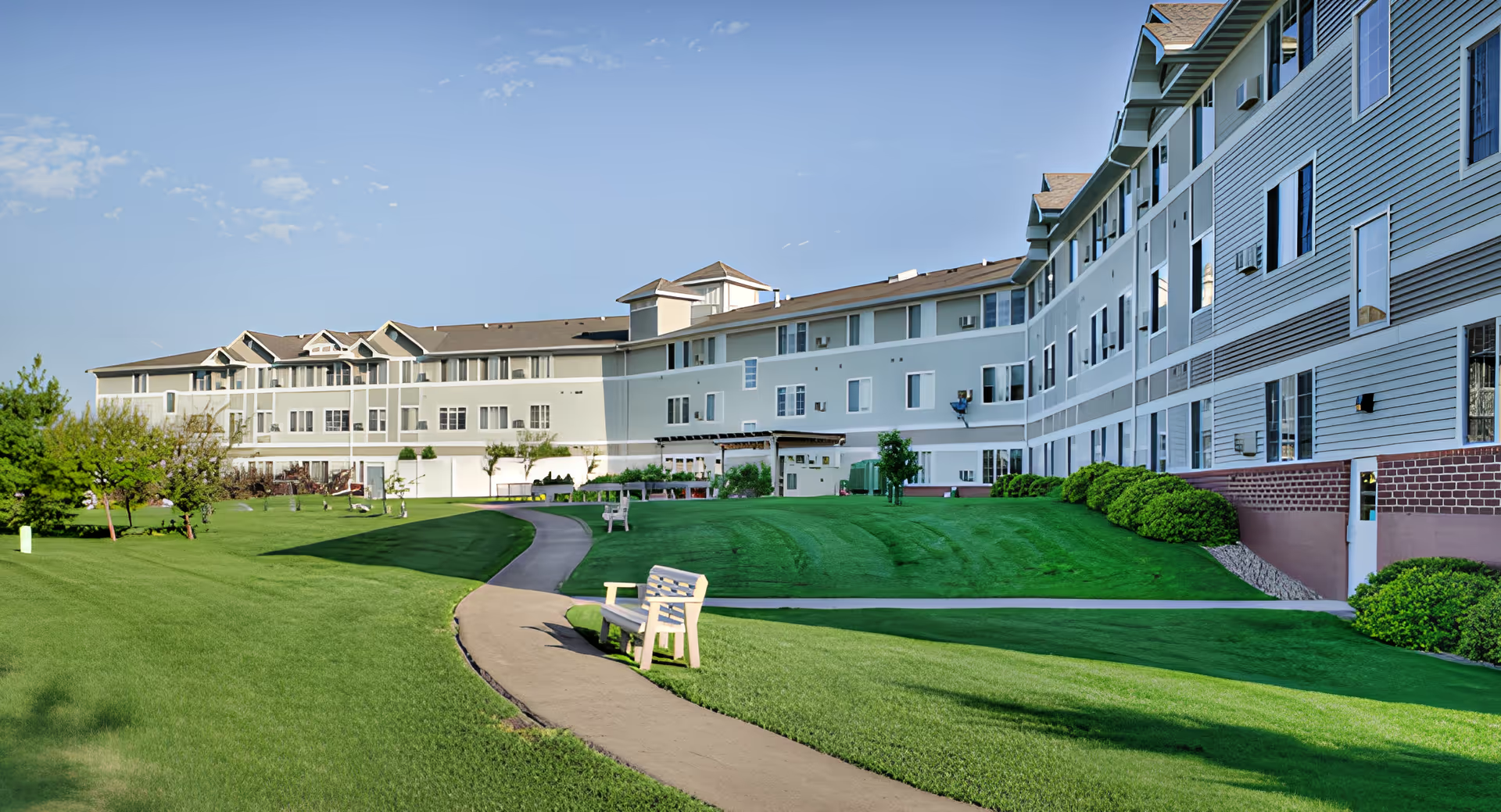
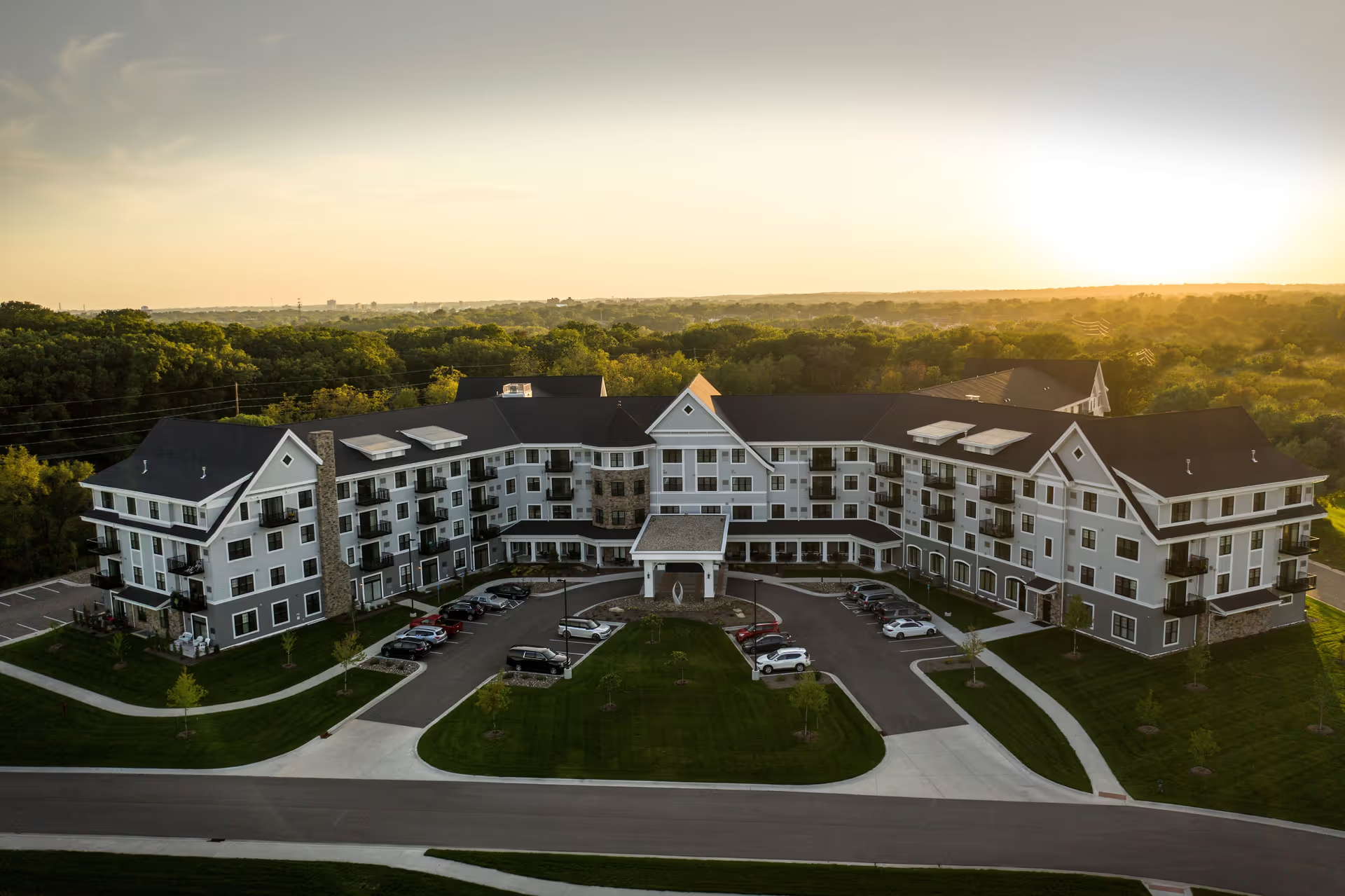
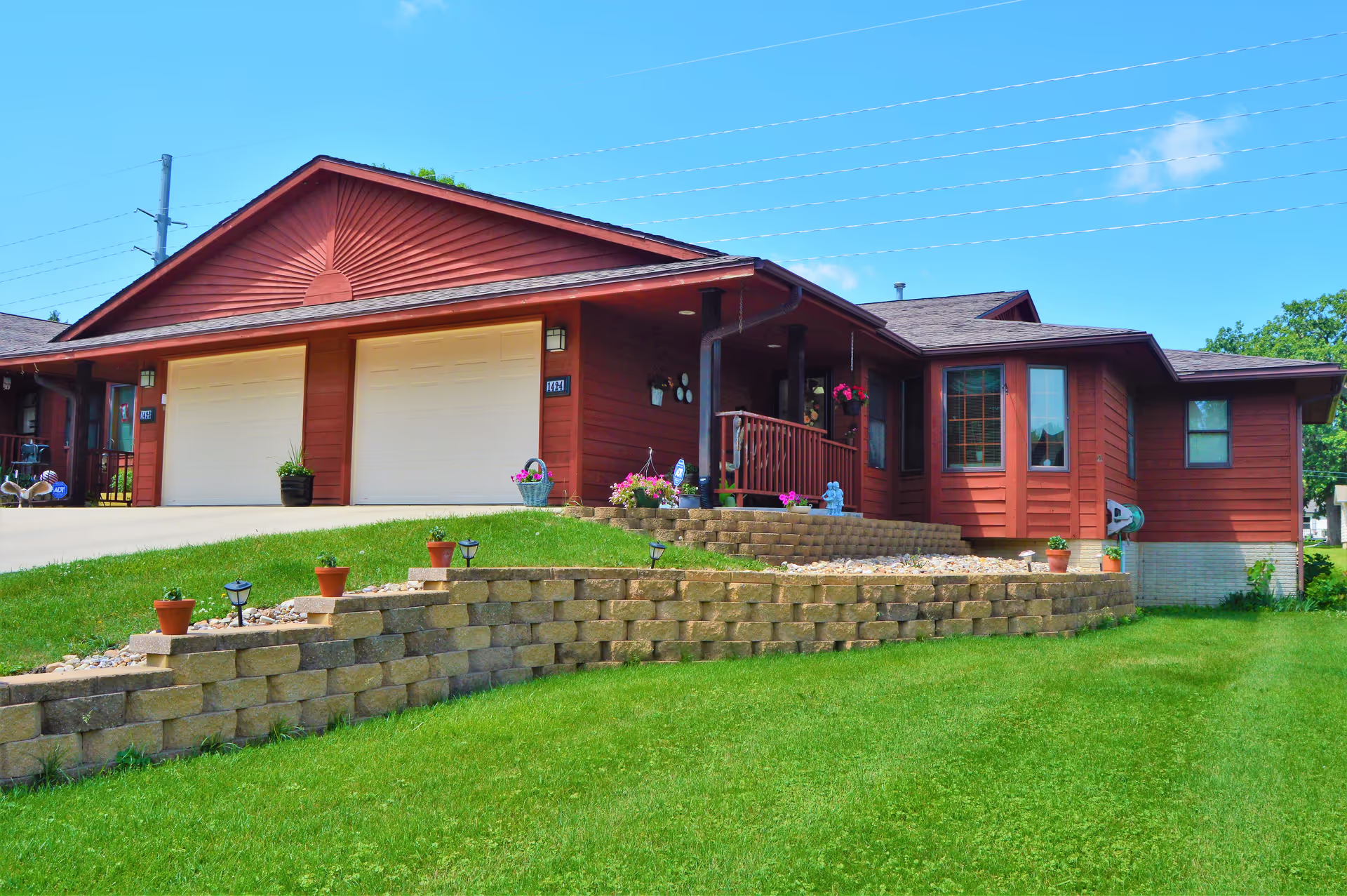
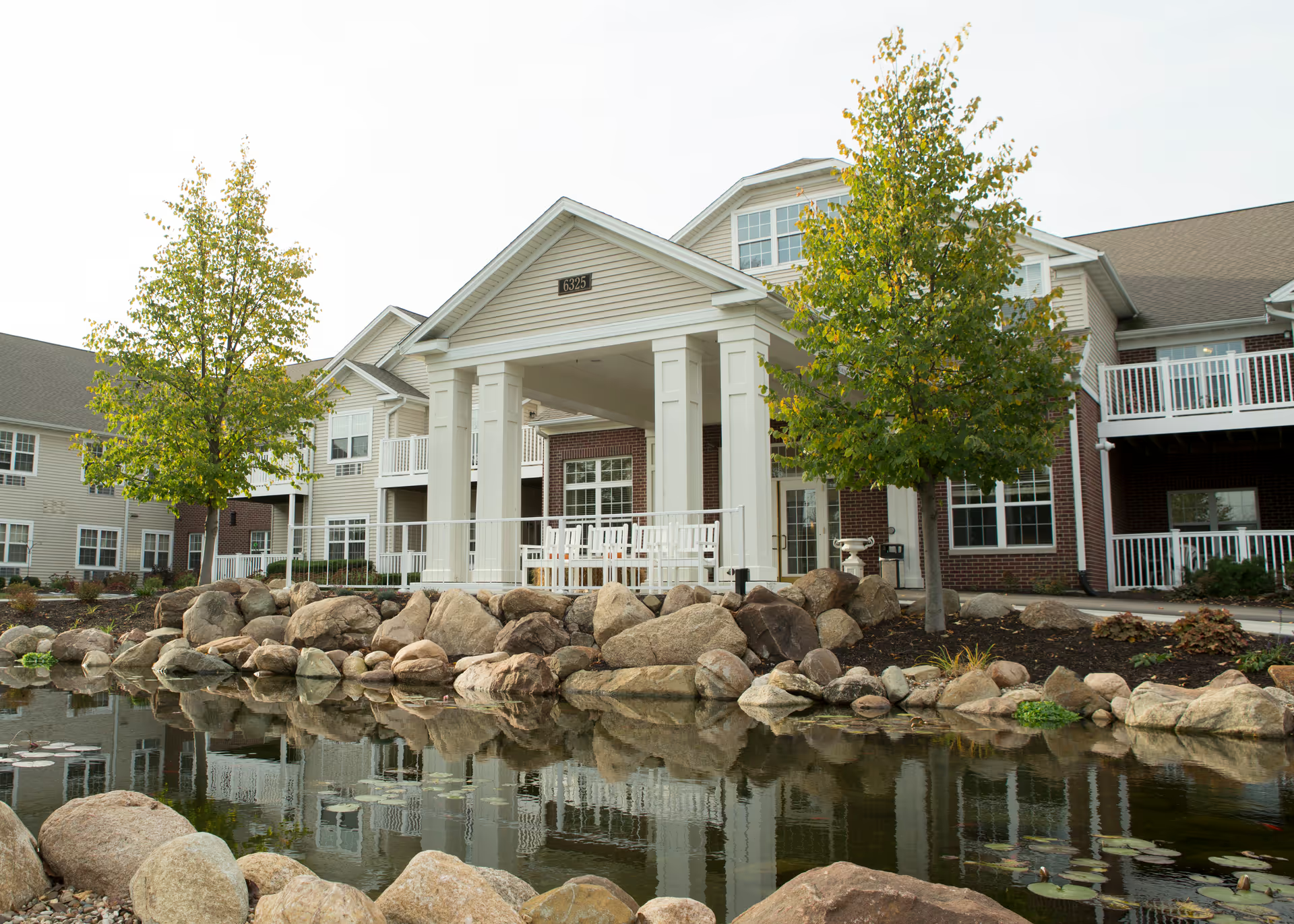
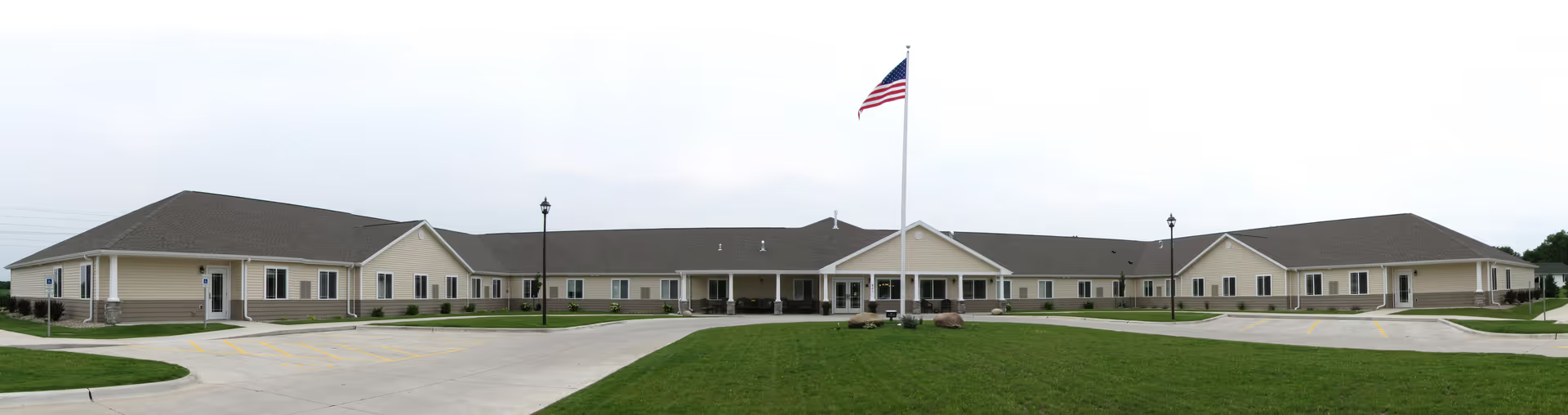
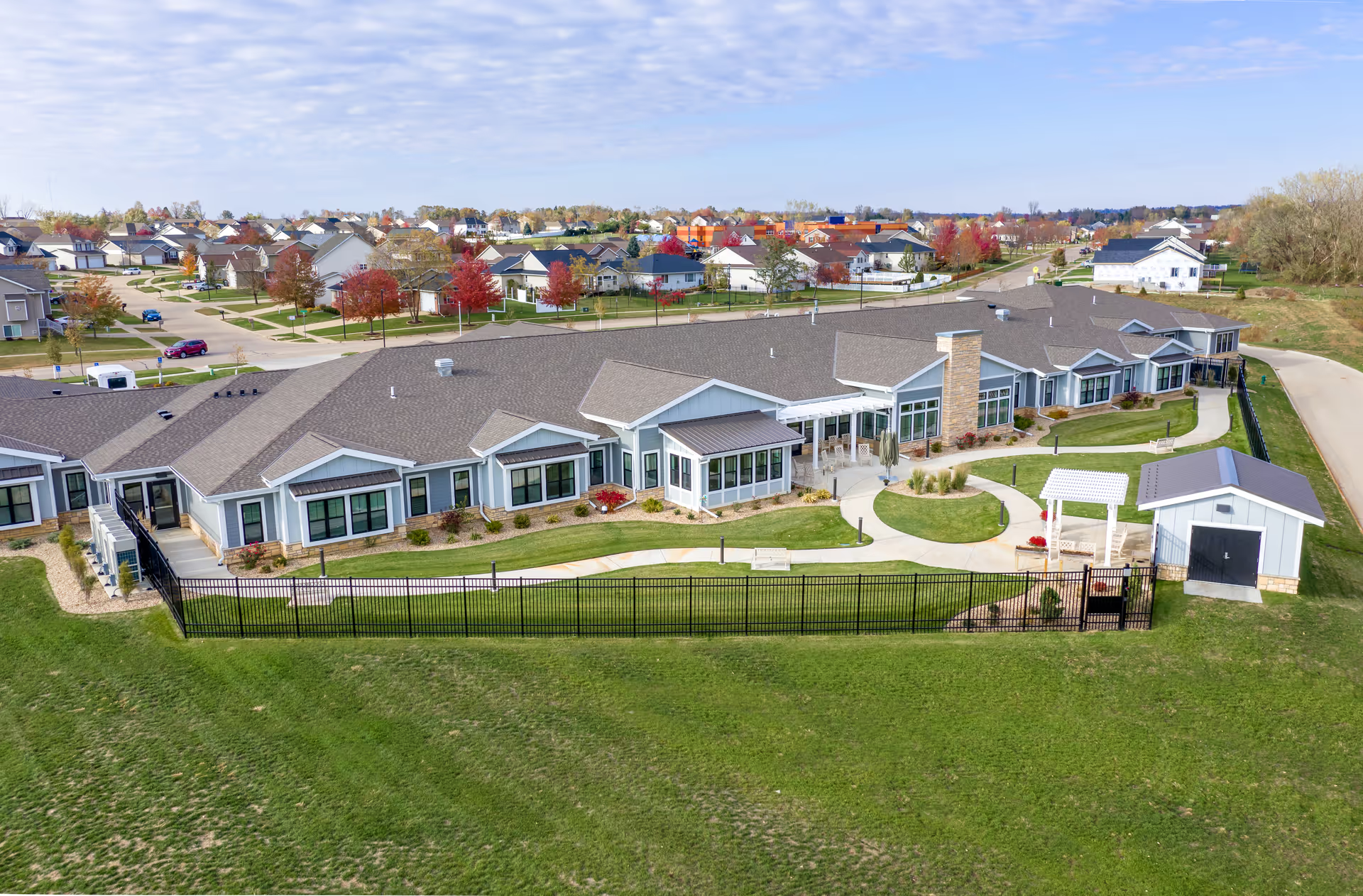
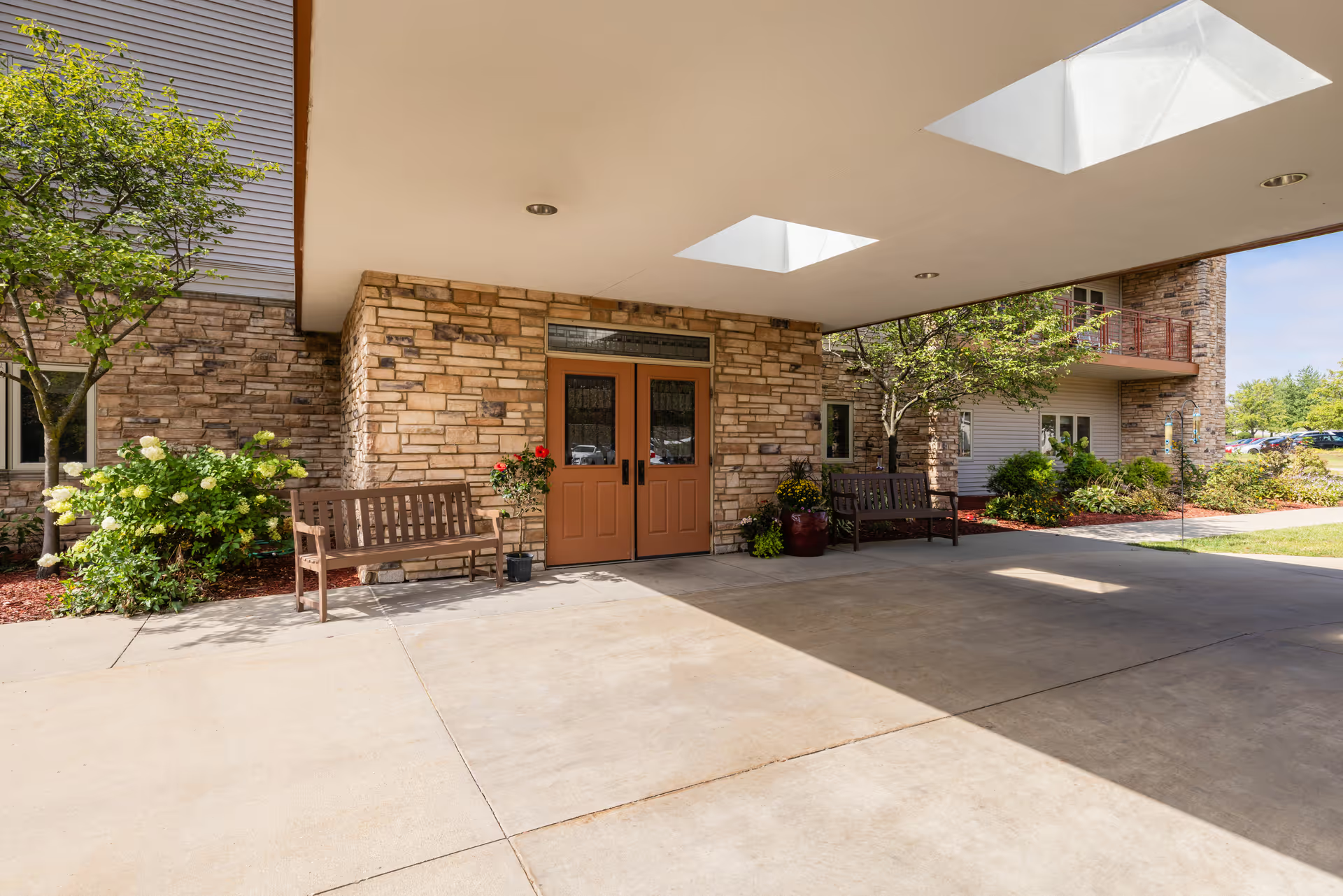
Facility features are highlighted positively: the building is described as clean and orderly, often single-level with accessible apartments, walk-in showers, secured courtyards for residents with memory impairment, and safety technology such as fall-detection and bathroom monitoring. On-site amenities — a salon, gardening areas, and a courtyard — contribute to the home-like feel. Some reviewers noted smaller studio footprints and indicated that a few physical areas could use updating, so space and finish level may vary by unit.
Management and operational patterns show both strengths and areas for caution. Leadership and family advocates receive favorable mention for responsiveness and organization in many instances. However, there are notable operational weaknesses that prospective families should evaluate directly: inconsistent responsiveness from administrative staff, delays in financial or admission-related processing, and gaps in contingency staffing and coordination during infection-control events. Additionally, the facility may have limited ability to manage residents whose care needs increase beyond the assisted-living scope, and the community’s pricing and benefit acceptance practices (including limited public-benefit acceptance) should be confirmed in advance.
Overall, the community is characterized by quality interpersonal care, robust programming, and a clean, safety-focused environment that many families describe as a second home. Prospective residents and families would benefit from an in-person tour that includes: meeting nursing leadership, clarifying the scope of clinical services and contingency staffing plans, reviewing admission and refund/payment policies, inspecting unit sizes and finishes, and sampling dining options to ensure the community’s services match the resident’s clinical and financial needs.