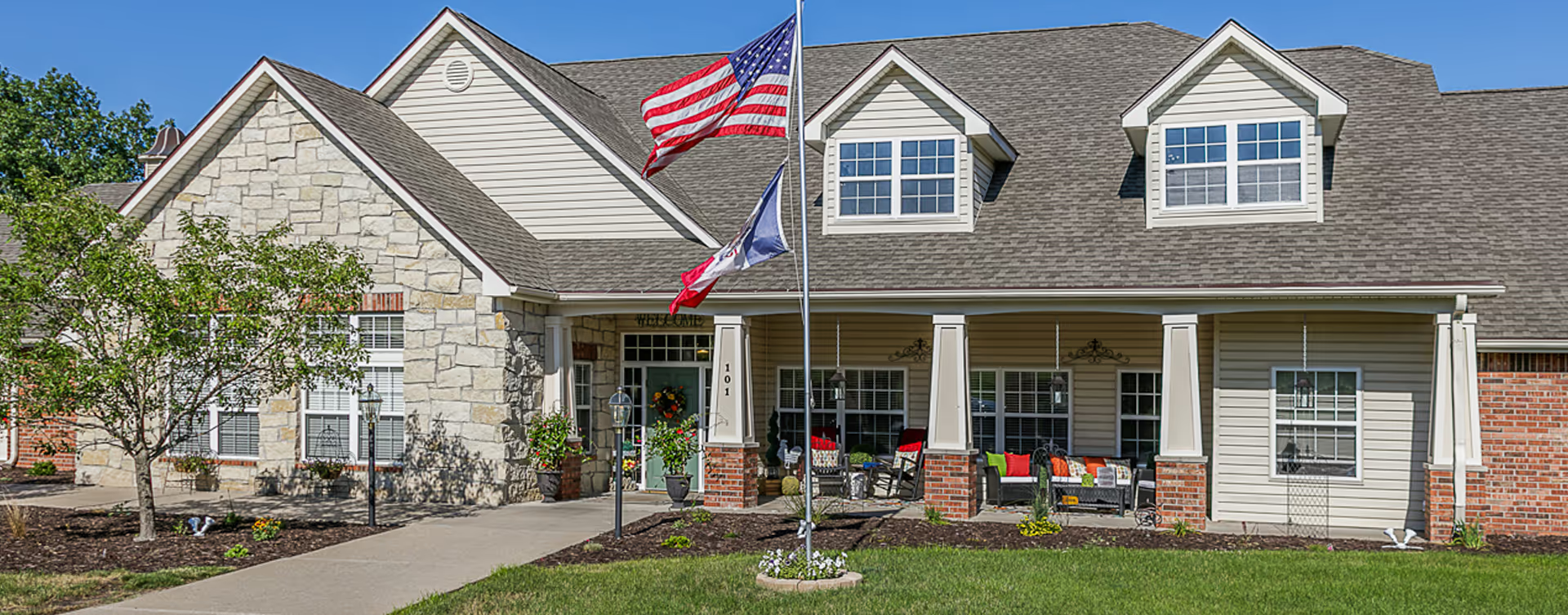
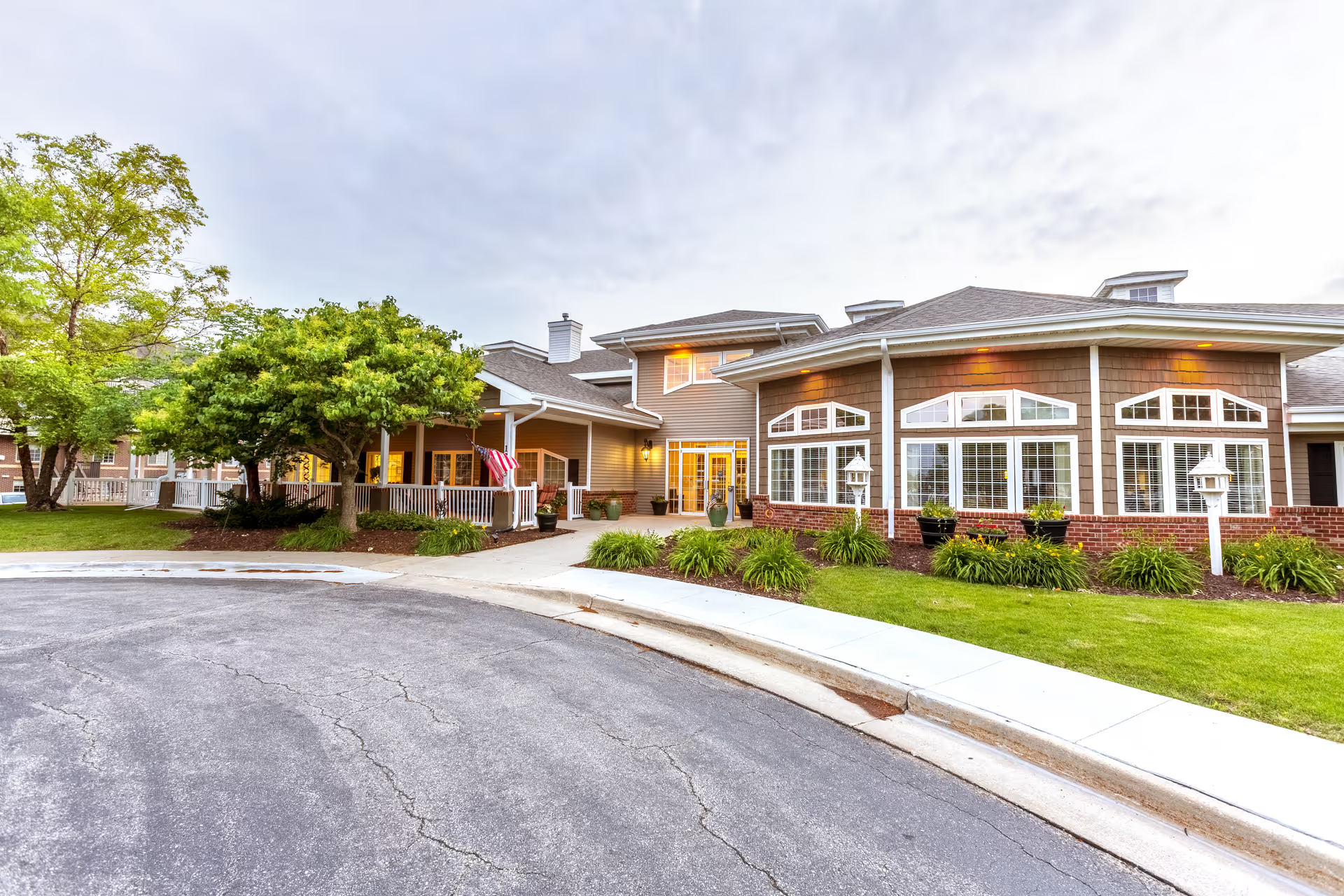
Overall impression: Reviews describe Glenwood Place as a clean, well-appointed community with a cheerful atmosphere and a family-like culture. Residents and families frequently praise staff kindness, patience, and engagement; many accounts highlight individualized attention, celebratory hospitality (for example, well-supported milestone events), and prompt assistance with move-in logistics. Public areas and apartments are noted as tidy and tastefully decorated, and residents may furnish apartments with personal furniture, contributing to a homelike environment.
Care and clinical concerns: Care quality impressions are mixed. Numerous comments praise attentive and patient caregivers, while operational weaknesses are also evident. Reviewers identified inconsistent clinical staffing levels (including limited on-site clinical presence at times), which appears to contribute to delays in medication administration and slower care-coordination and information-sharing between staff and families. Communication style and transparency are another recurrent theme: families sometimes describe abrupt or non-transparent exchanges that affect confidence in clinical decision-making and updates.
Staff and management: Staffing interactions are a clear strength in many accounts — staff are characterized as friendly, helpful, and responsive, with management described as available and timely for room placement and move-in needs. That said, weekend or skeleton staffing levels are associated with reduced service continuity and less-positive staff demeanor on certain shifts. Management responsiveness for logistics and hospitality (e.g., coordinating furniture removal, kitchen involvement, event support) is frequently cited as a positive counterbalance to operational friction.
Dining and activities: The dining program receives generally favorable comments for food quality, inclusive meal service, and occasional special items (ice cream, celebrations). However, the dining room footprint is described as small and sometimes congested, which can affect mealtime experience. Activity programming is varied and appreciated by many residents; however, reviewers indicate limited engagement options tailored to residents with Alzheimer’s disease or more progressed cognitive impairment, suggesting a need for more dementia-specific activity planning.
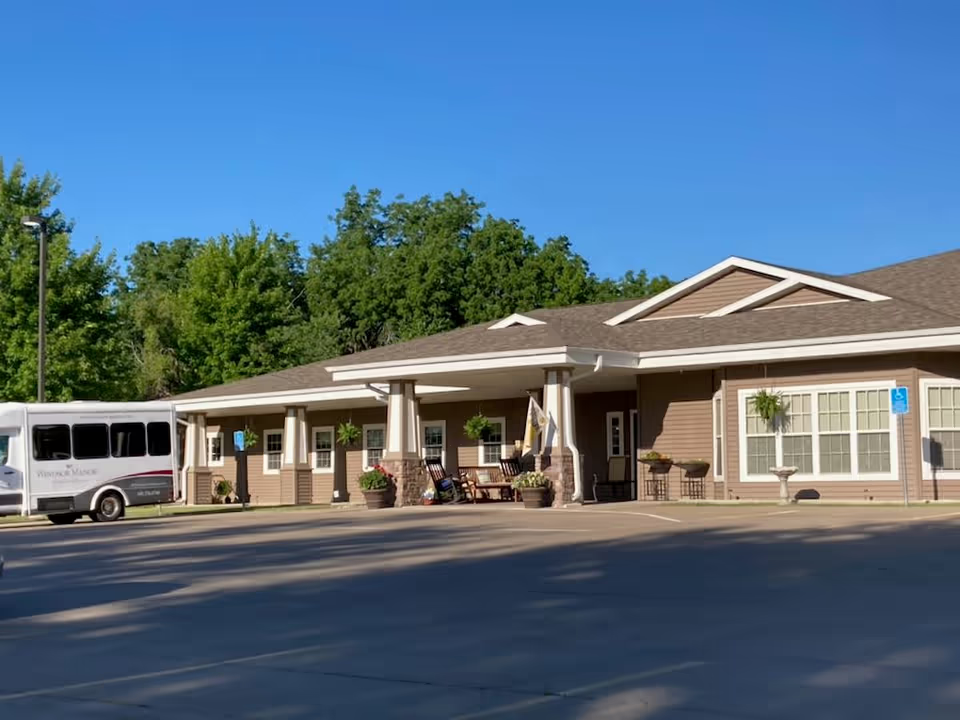
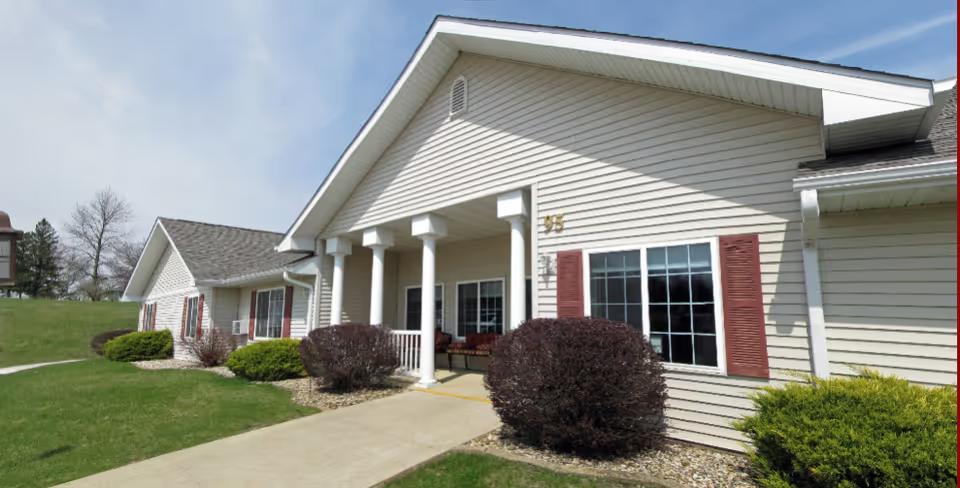
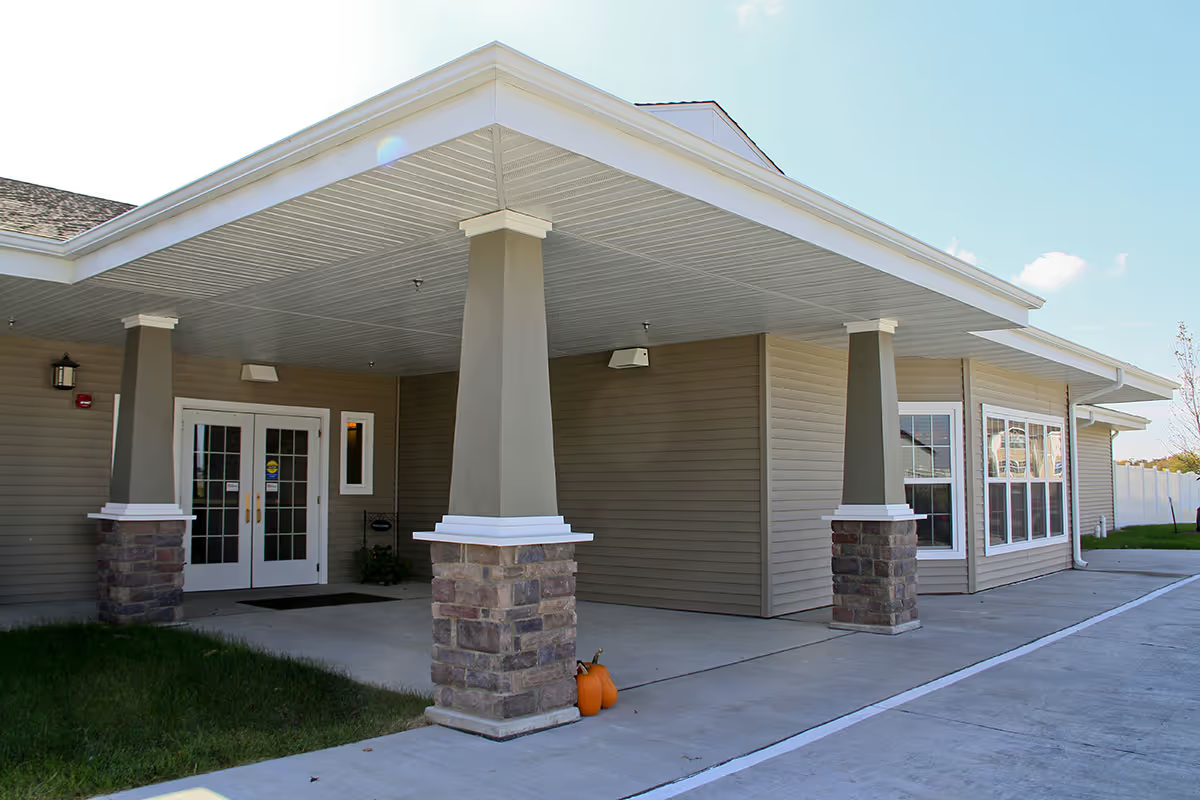
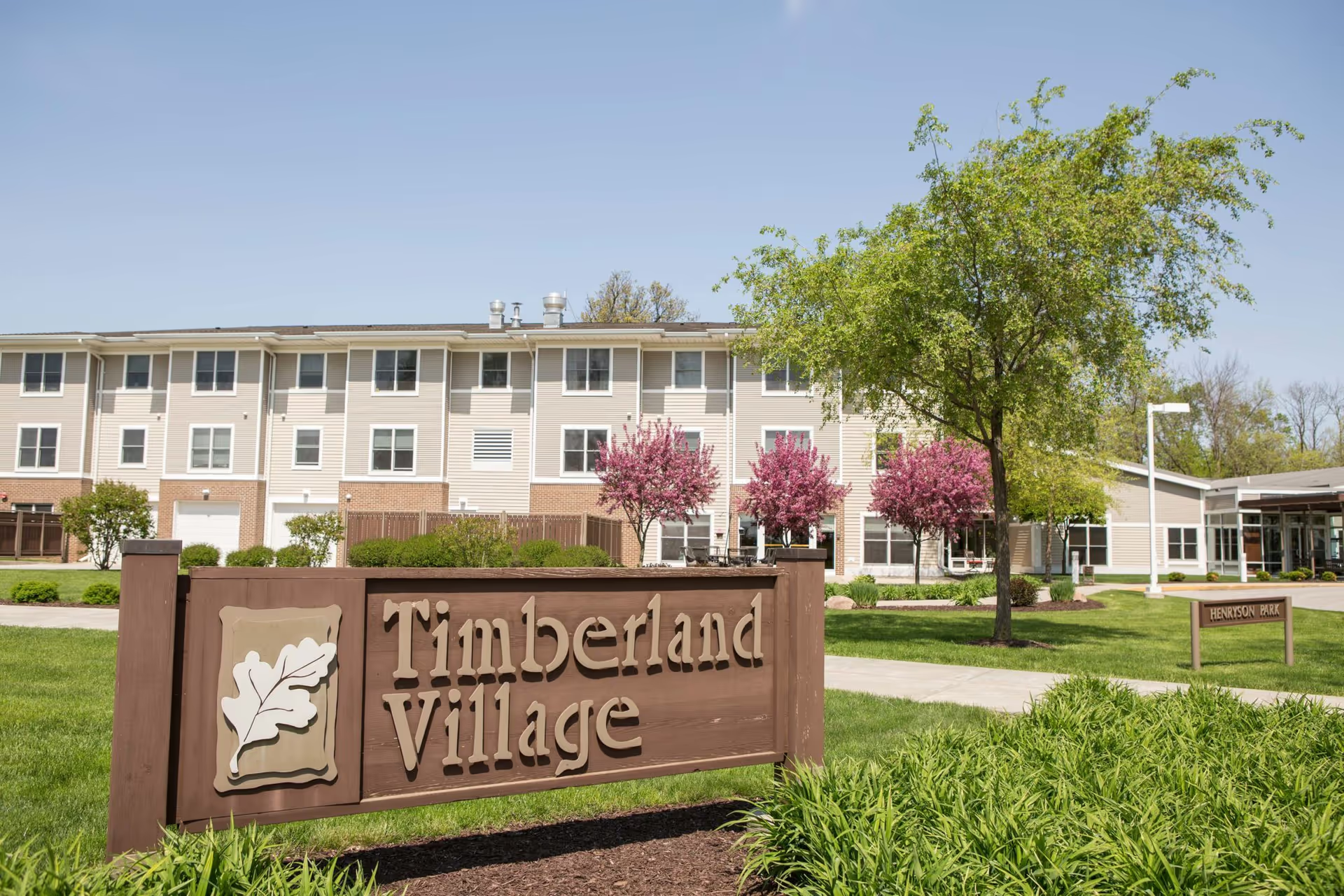
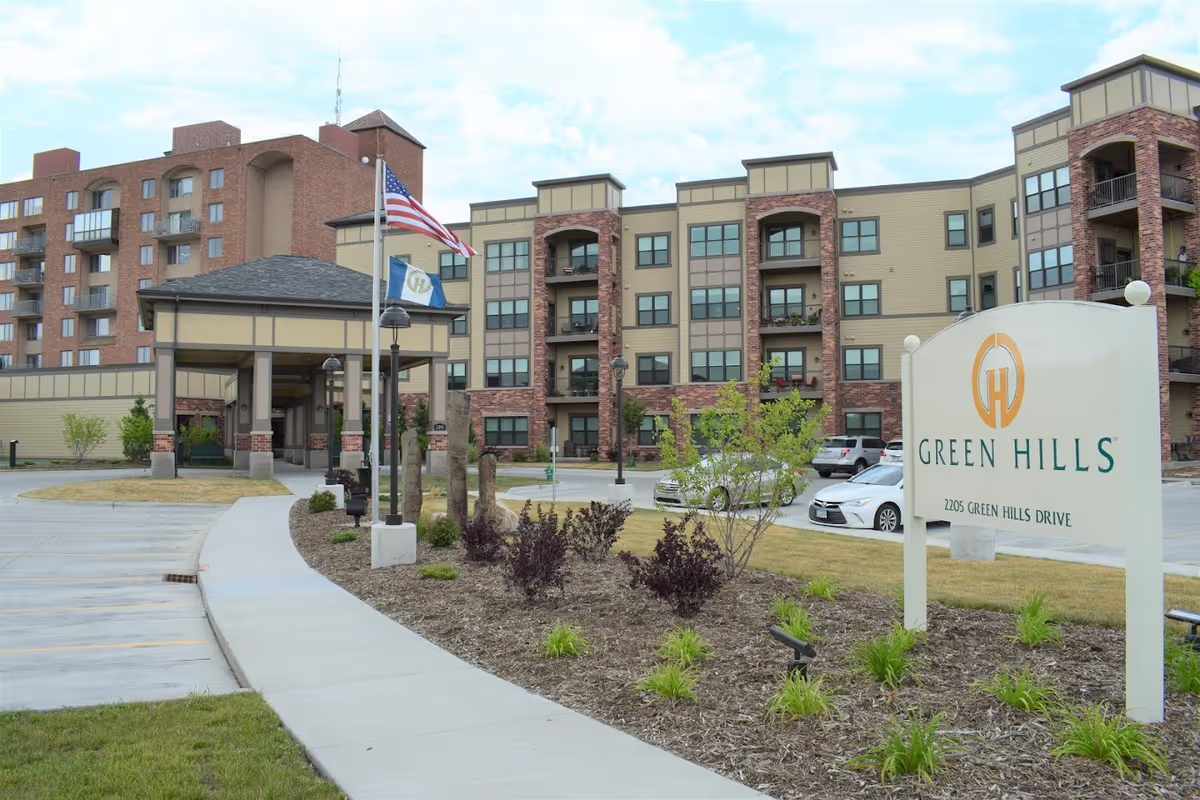
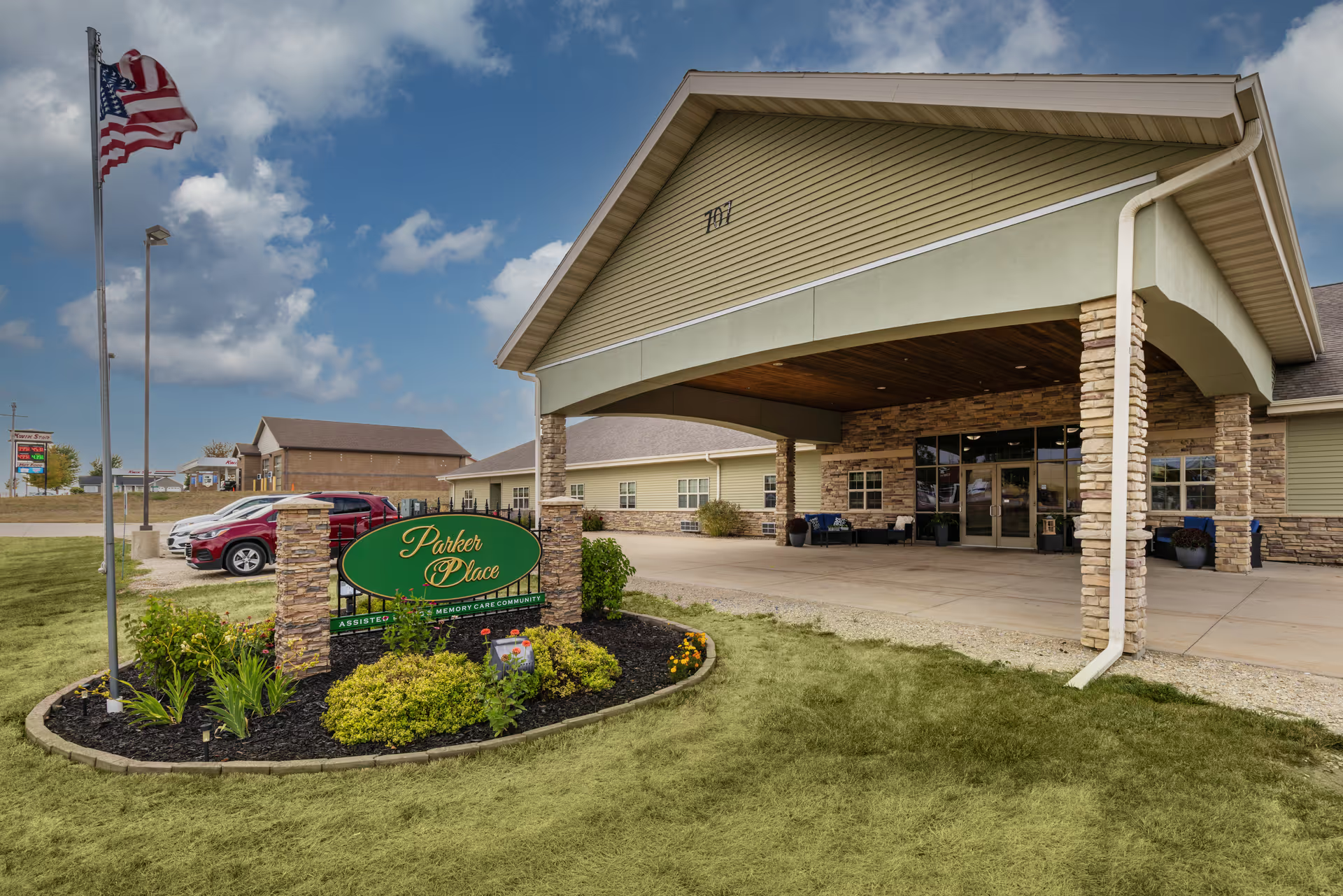
Facilities and cost: Physical plant condition and cleanliness are consistent positives: well-maintained rooms, friendly maintenance staff, and pleasant common spaces contribute to an elevated visual impression (some described a motel-like polish). The community appears oriented toward assisted-living services, and several families observed that the layout or distances can be less convenient for independent-living residents (long walks between areas). Price sensitivity is a recurring note — the community is perceived as on the higher end of local options.
Notable patterns and takeaways: Strengths center on staff rapport, hospitality, cleanliness, and practical move-in support. Operational areas that would benefit from attention include clinical staffing consistency, medication-timing controls, weekend staffing continuity, dementia-specific engagement, and clearer, more transparent family communication. Prospective residents and families should weigh the community’s strong hospitality and upkeep against service-model fit for independent-living needs, staffing patterns across different shifts, and the premium cost.