Reviewers present a mixed but distinct pattern: many families praise direct-care staff for warmth, attentiveness and dignity-focused treatment, while others express significant operational concerns that merit verification prior to placement.
Care quality and clinical issues: Numerous comments describe compassionate hands-on care delivered by aides and nurses and strong communication about health changes. At the same time, there are accounts that indicate gaps in clinical oversight — examples include concerns about wound-care outcomes, incontinence-care lapses, and questions about medication handling and documentation. These latter concerns are serious in nature; prospective families should confirm current clinical protocols, wound-care staffing, and medication-administration audits with the facility and review the most recent state inspection and care-plan records.
Staff and leadership: Direct-care staff receive frequent praise for professionalism, courtesy and a family-like approach; several staff members were named positively. Some reviewers also singled out effective local leadership. Conversely, other comments describe variability between shifts and express frustration with staff responsiveness or tone. Management experience is similarly mixed: some families describe supportive, accessible leaders, while others report restricted access to managers and inconsistent communication practices.
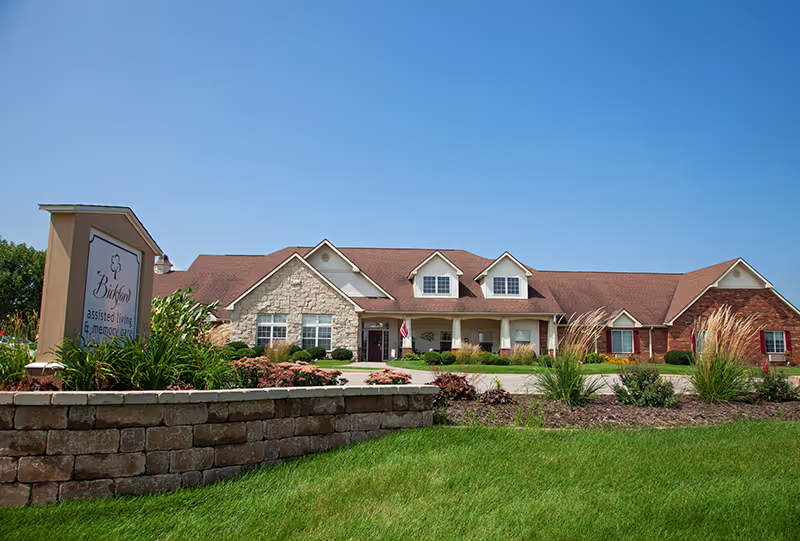
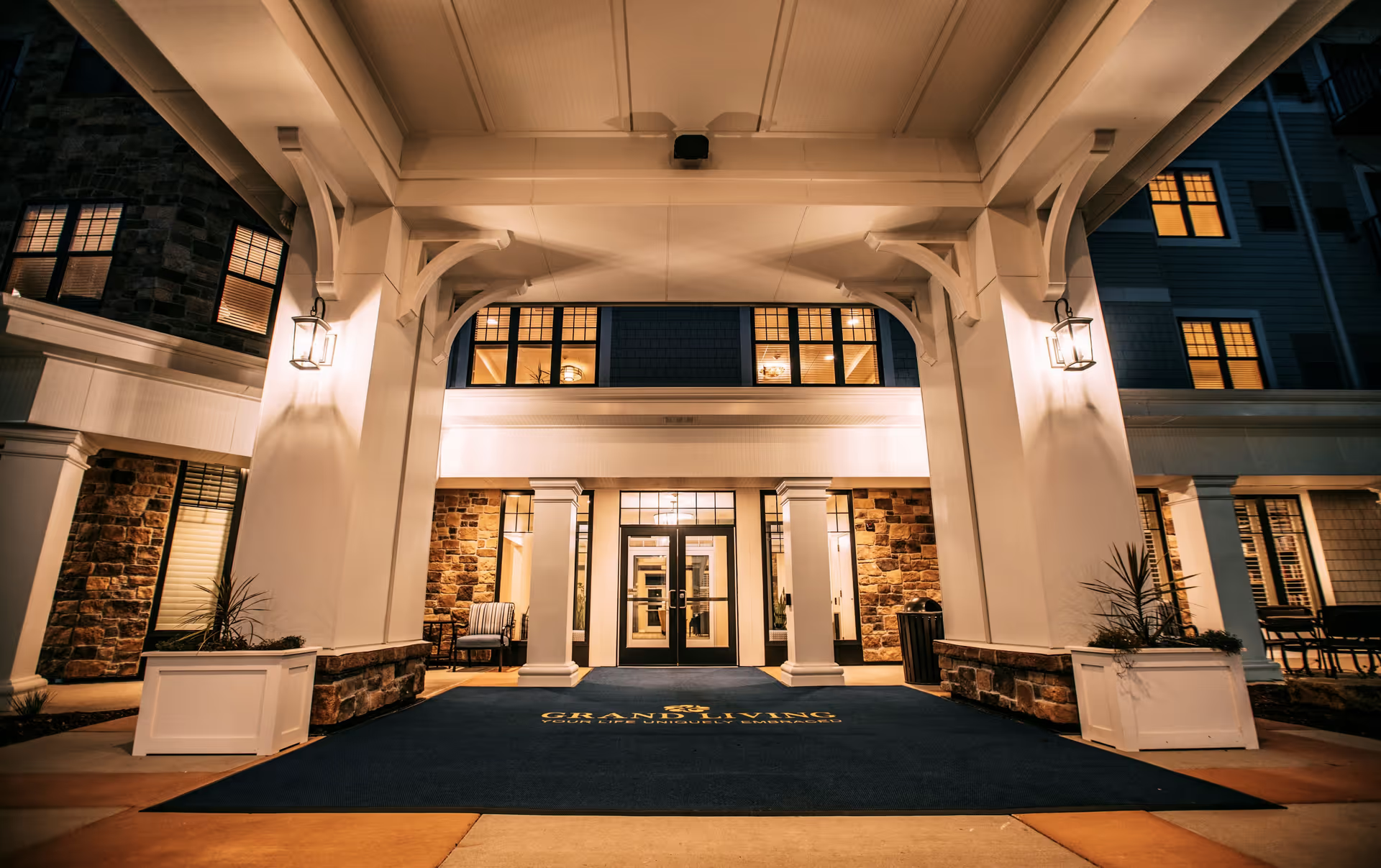
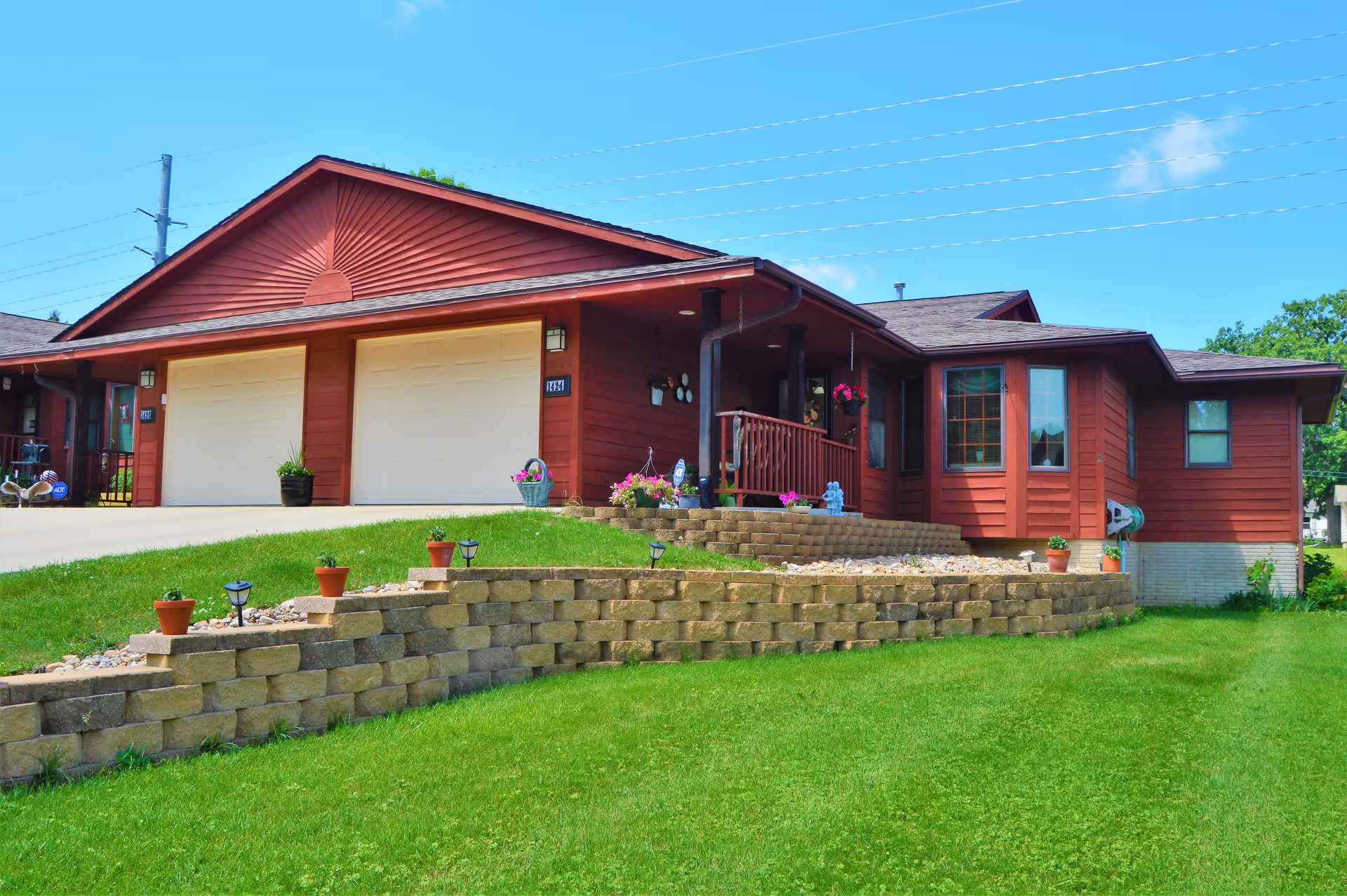
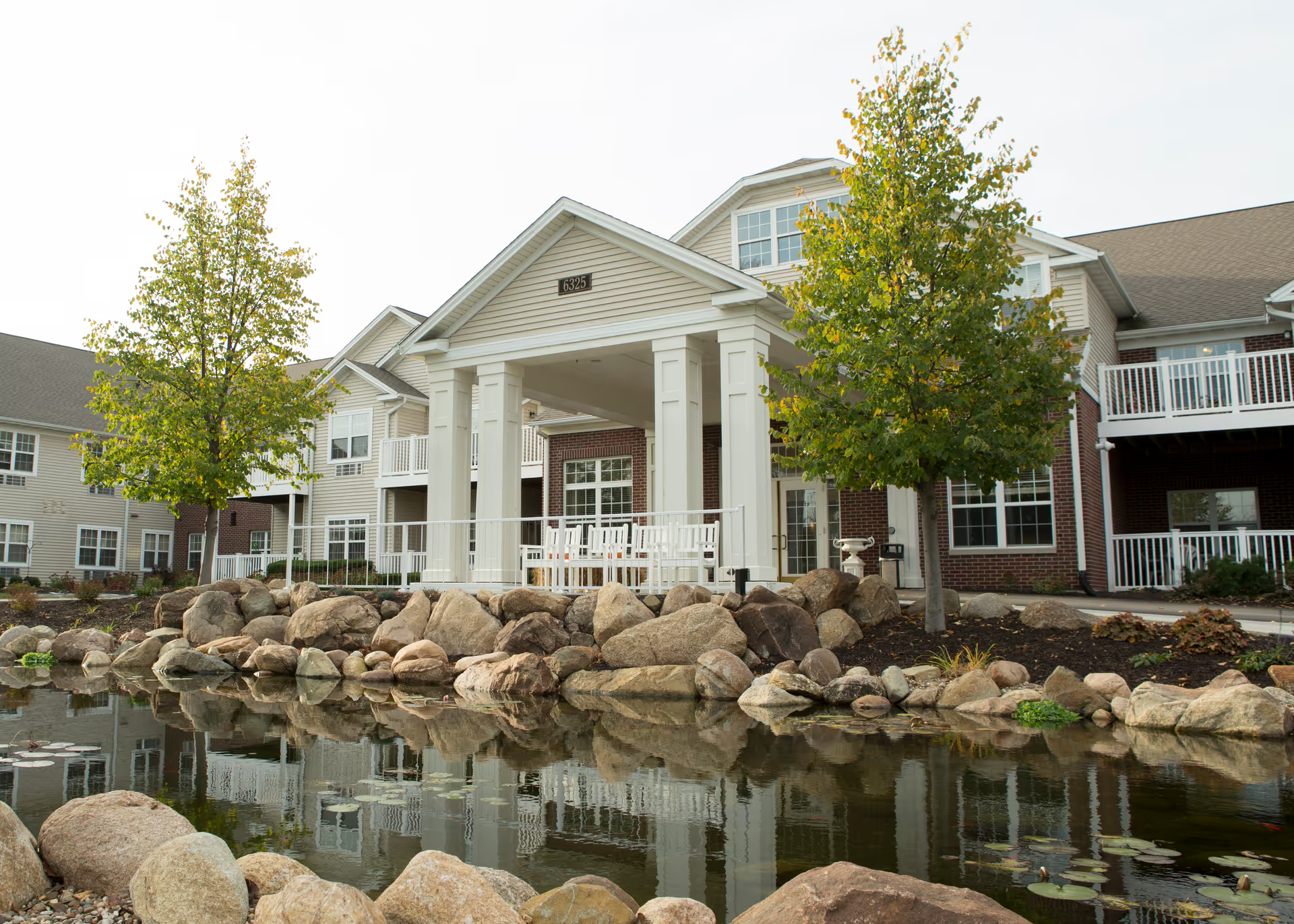
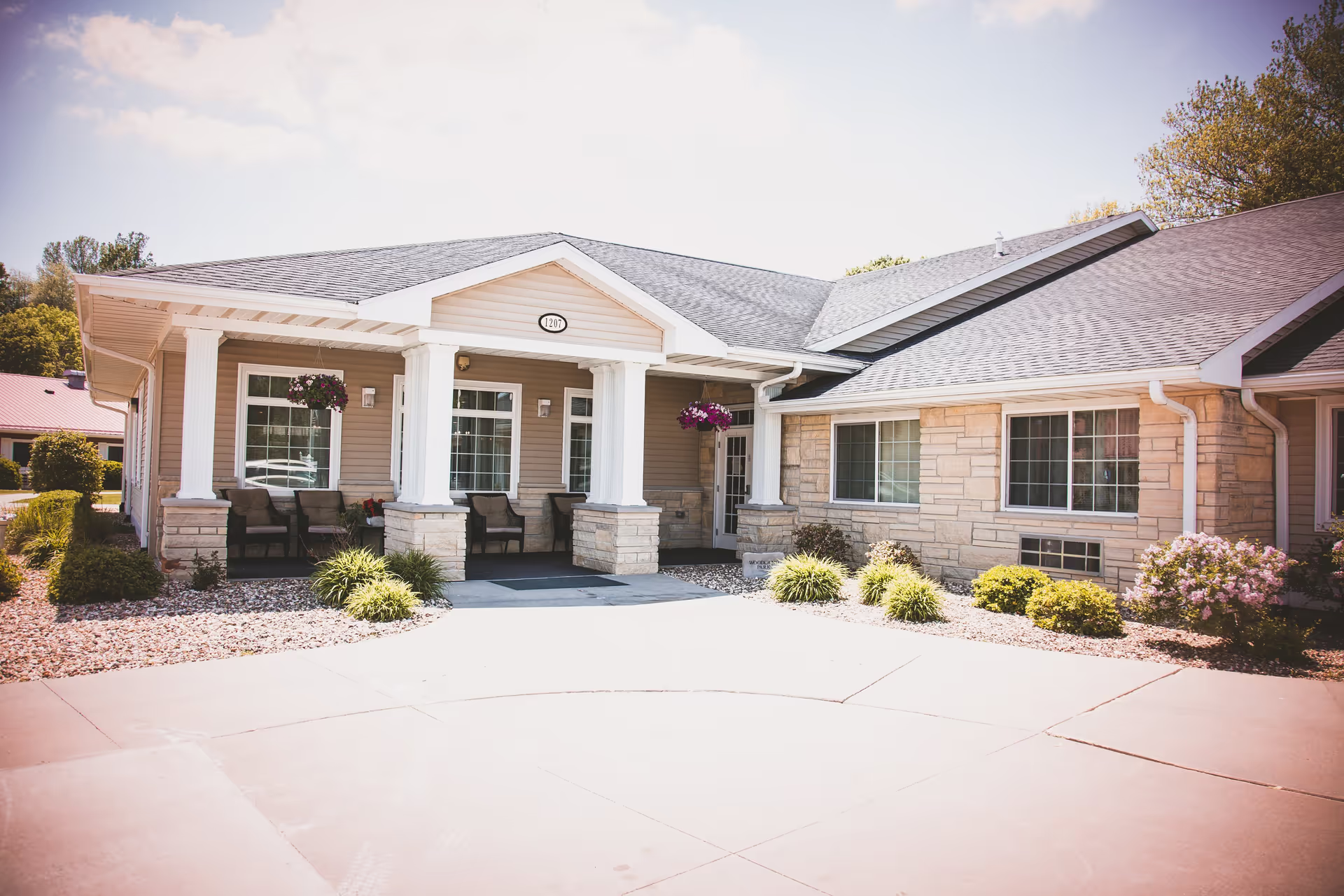
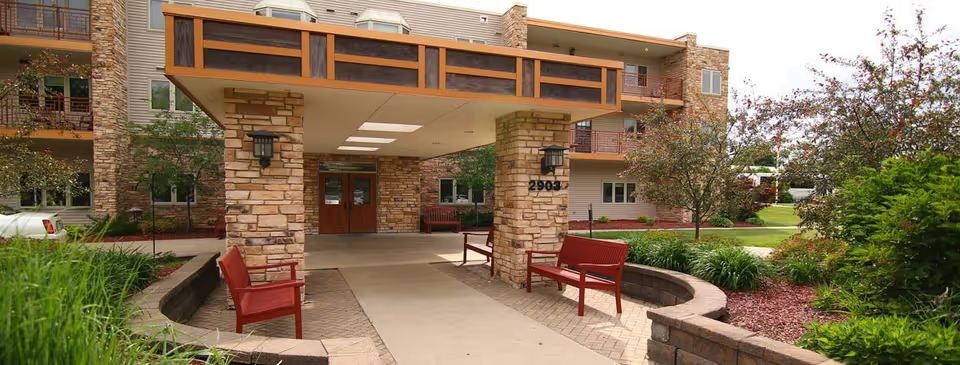
Facilities and environment: Physical-condition issues recur in the feedback. Multiple reviewers noted an aging building, small resident rooms, and general maintenance or renovation needs. There are also sanitation and odor-control concerns cited in certain areas; these appear linked to both housekeeping practices and the building’s infrastructure. Activity programming receives positive mention (seasonal events and ongoing activities), and several families say social programming contributed to their intention to return.
Dining and activities: Reviewers did not focus heavily on dining quality; activity offerings and community events were highlighted positively, with families appreciating engagement opportunities and holiday programming.
Notable patterns and recommendations: The dominant pattern is a divide between strong, compassionate bedside care and recurring operational weaknesses (facility upkeep, sanitation control, clinical oversight, medication processes, and management accessibility). Prospective residents and families should conduct targeted inquiries: ask for staffing ratios by shift, wound-care and medication policies, housekeeping schedules and odor-control measures, recent inspection results, and the facility’s process for family communication and escalation. Viewing the physical space during multiple times of day and speaking directly with nursing leadership can help assess whether the cited deficiencies have been addressed.