Overview: Reviews of Accura HealthCare of Muscatine present a mixed picture. Many accounts praise hands-on caregivers, rehabilitation services, and a welcoming atmosphere; other accounts raise operational concerns that affect perceived care quality. Prospective residents and families should weigh the facility’s strengths in direct care and therapy against reported inconsistencies in clinical oversight, housekeeping, and management responsiveness.
Care quality: Several reviews highlight strong rehabilitation programs and committed nursing staff who provide encouraging, dignity-focused care, including positive notes about hospice support. However, there are recurring operational concerns in clinical areas: delayed medication administration, inconsistent dressing changes and wound management, and lapses in timely assistance with activities of daily living. These patterns suggest variability in clinical processes and monitoring rather than uniformly applied protocols across shifts or units.
Staff and staffing: Direct-care staff (nurses, CNAs) are frequently described as caring and personable, and individual staff members received specific praise. At the same time, reviewers described staffing constraints and low morale that appear to reduce individualized attention. This combination suggests that while many caregivers are motivated, workforce capacity and scheduling may limit consistent responsiveness, particularly during certain shifts.
Dining and activities: Positive comments note social opportunities and an environment that can foster friendships and resident engagement. Conversely, dining quality is described as inconsistent and assistance at meals can be unreliable at times. Families should inquire about current menus, meal assistance procedures, and how the facility supports residents with feeding or special-diet needs.
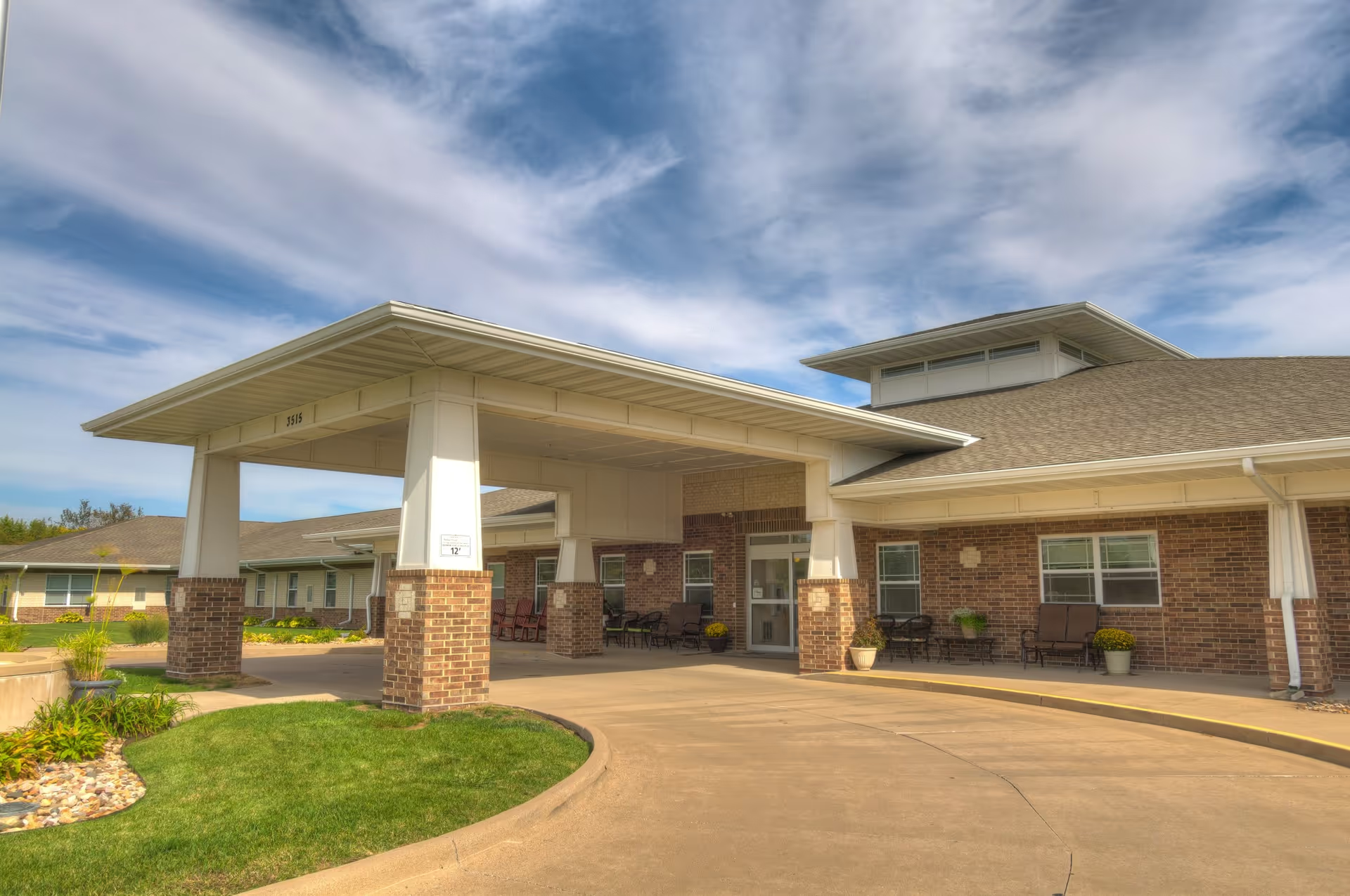
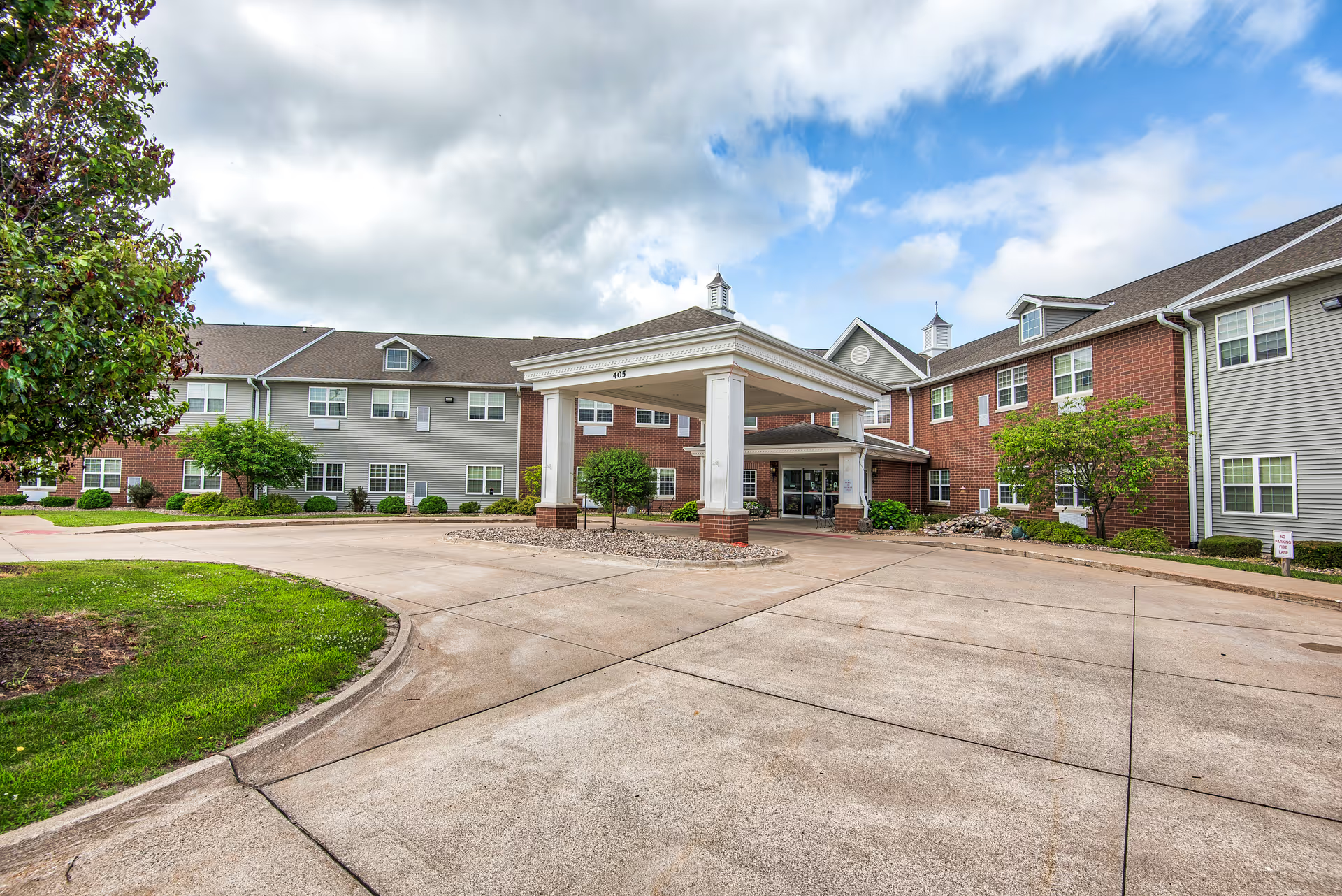
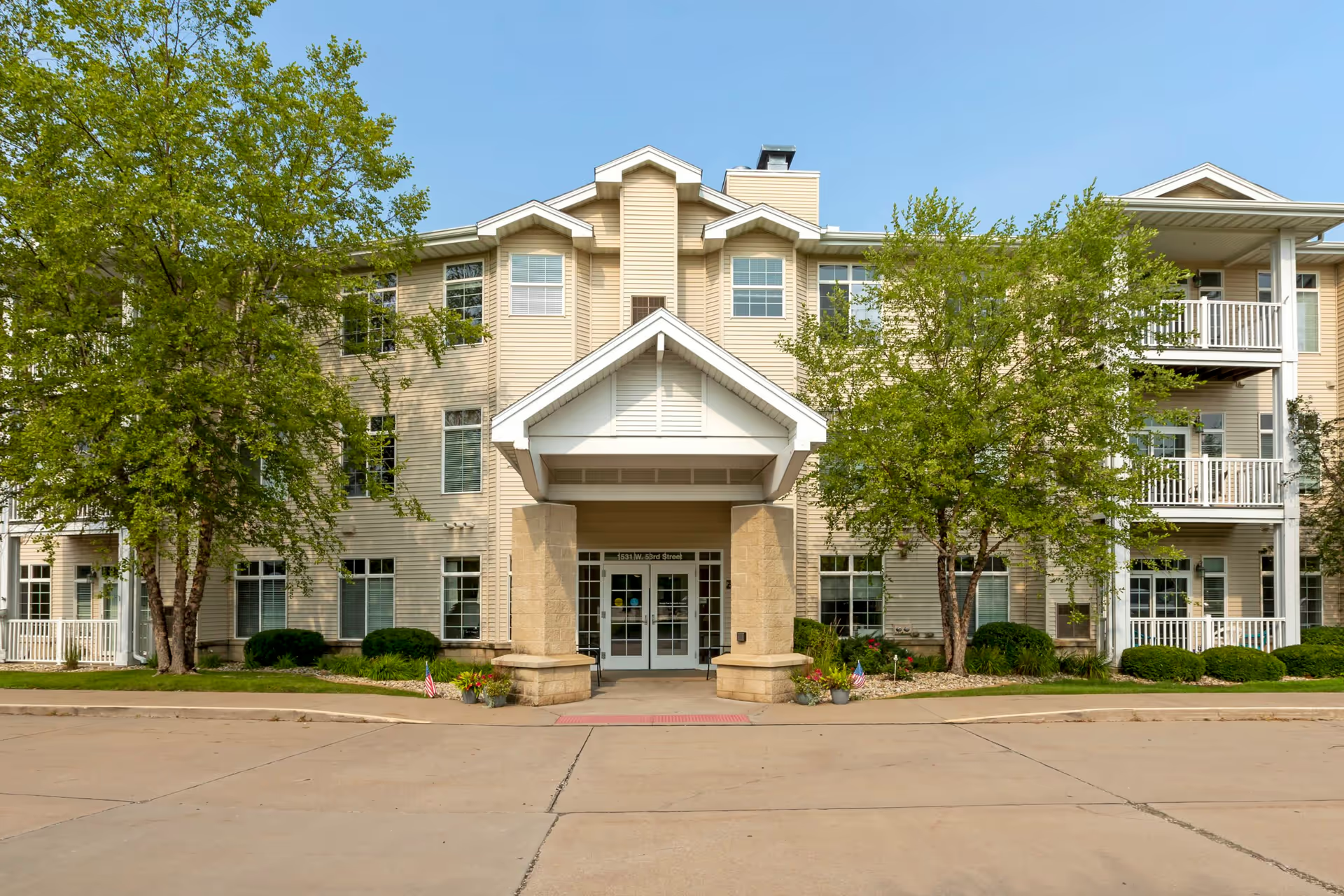
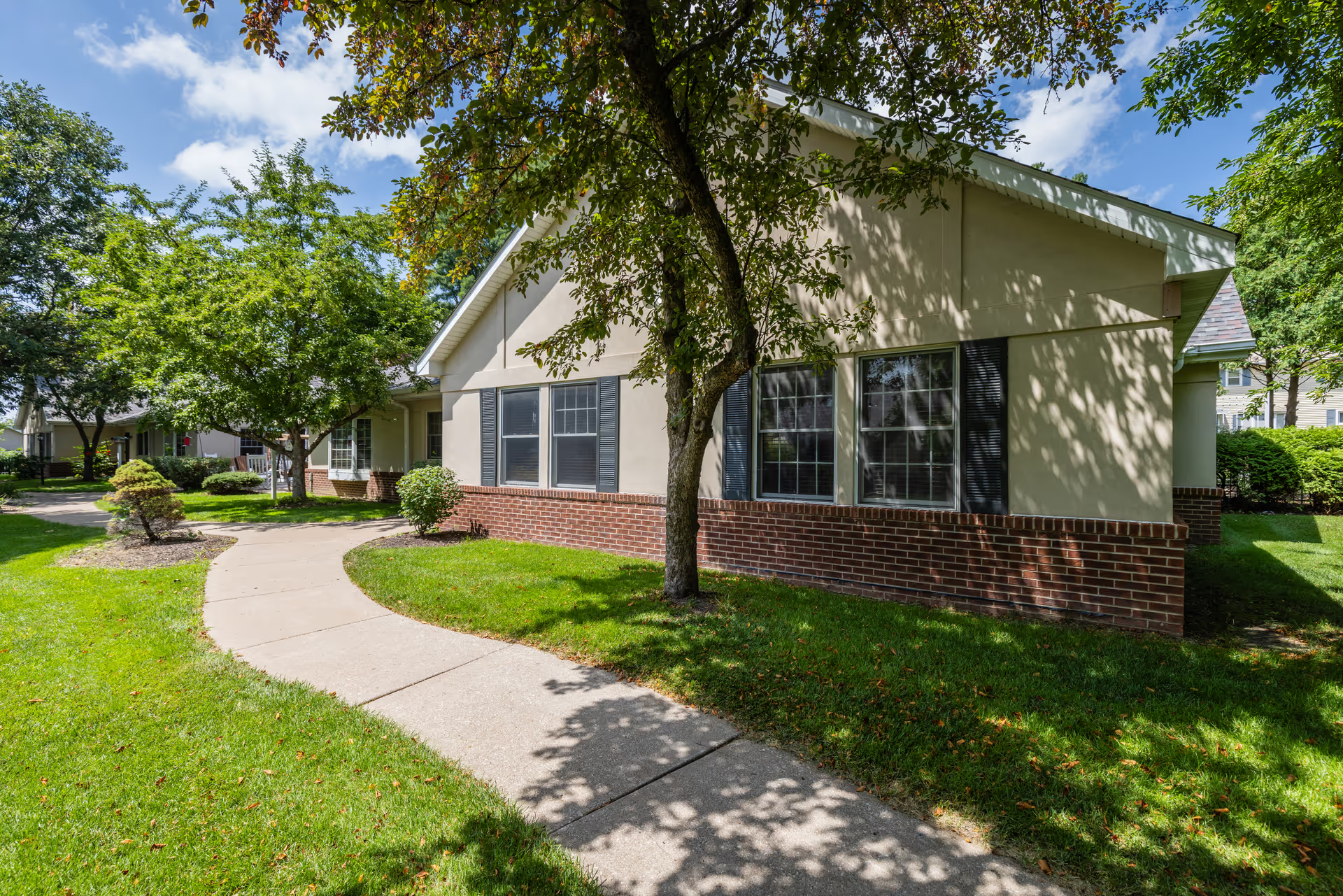
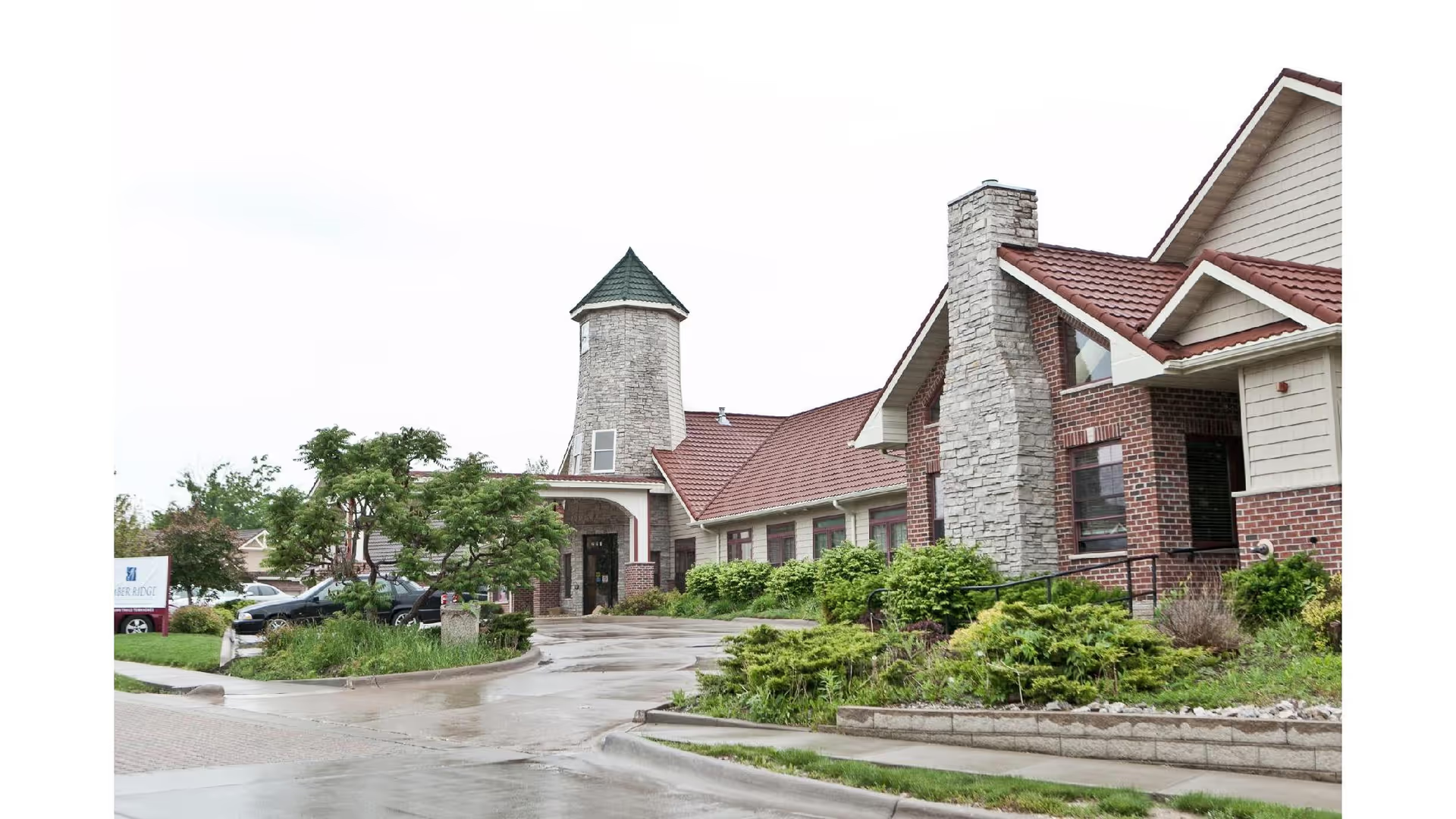
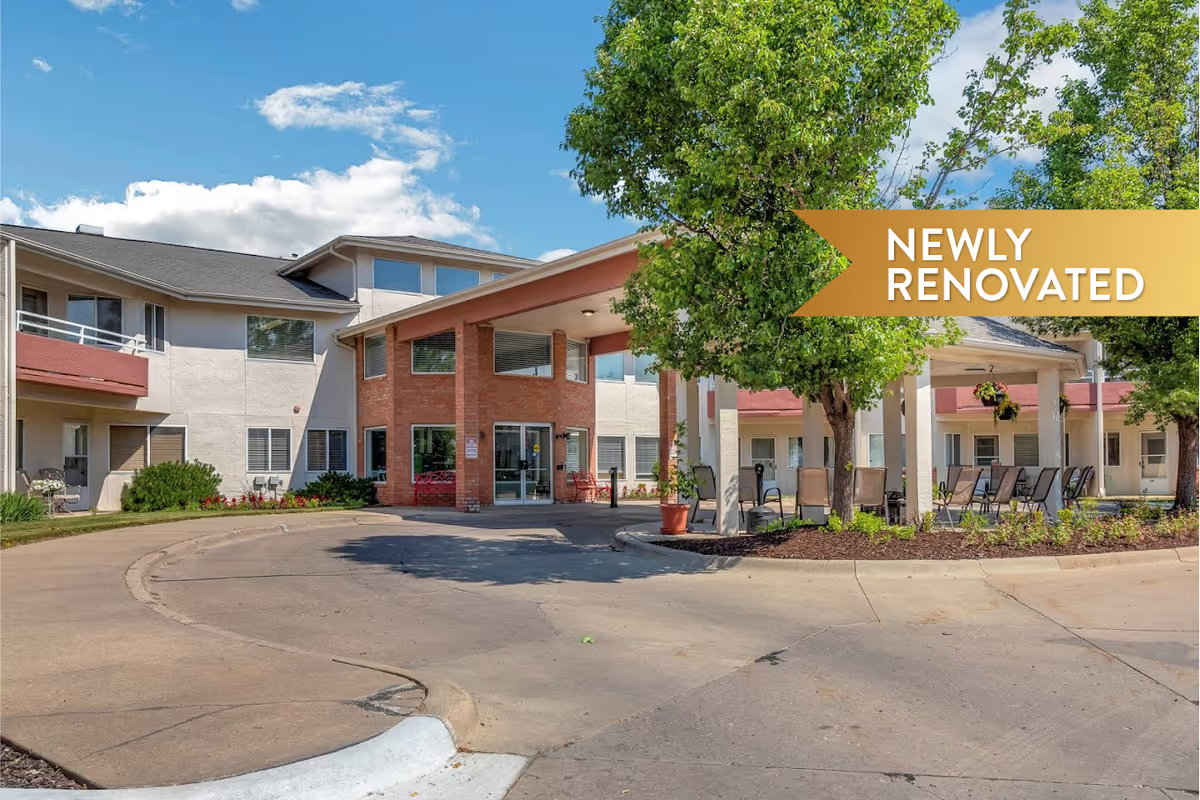
Facilities, sanitation, and privacy: Praise for a home-like atmosphere coexists with reports of cleanliness and sanitation issues in some areas and concerns about privacy protections. Reviewers recounted instances indicating inconsistent housekeeping and occasional breaches of privacy and dignity. These are operational areas that merit direct questions during a tour and follow-up with facility leadership about housekeeping schedules, infection-control practices, and privacy safeguards.
Management and communication: Feedback about administration is mixed. Some reviewers described accessible, supportive administrative staff, while others reported difficulty getting timely responses from leadership and problems with family communication. There are reports of access disputes escalating to external parties, indicating potential gaps in visitor-access procedures and communication protocols. Prospective families should ask how the facility handles family communication, incident reporting, escalation pathways, and post-incident follow-up.
Notable patterns and recommendations: The dominant pattern is a contrast between engaged, compassionate direct-care staff and inconsistent operational controls (medication, wound care, cleanliness, meal assistance, and administrative responsiveness). When evaluating this facility, families should (1) request current staffing ratios and turnover rates, (2) review clinical protocols for medication administration, wound care, and pressure-injury prevention, (3) observe meal service and housekeeping practices during a visit, and (4) ask for examples of how the facility communicates with families and resolves complaints. These steps will help clarify whether the strengths observed by many reviewers are consistently applied across the facility.