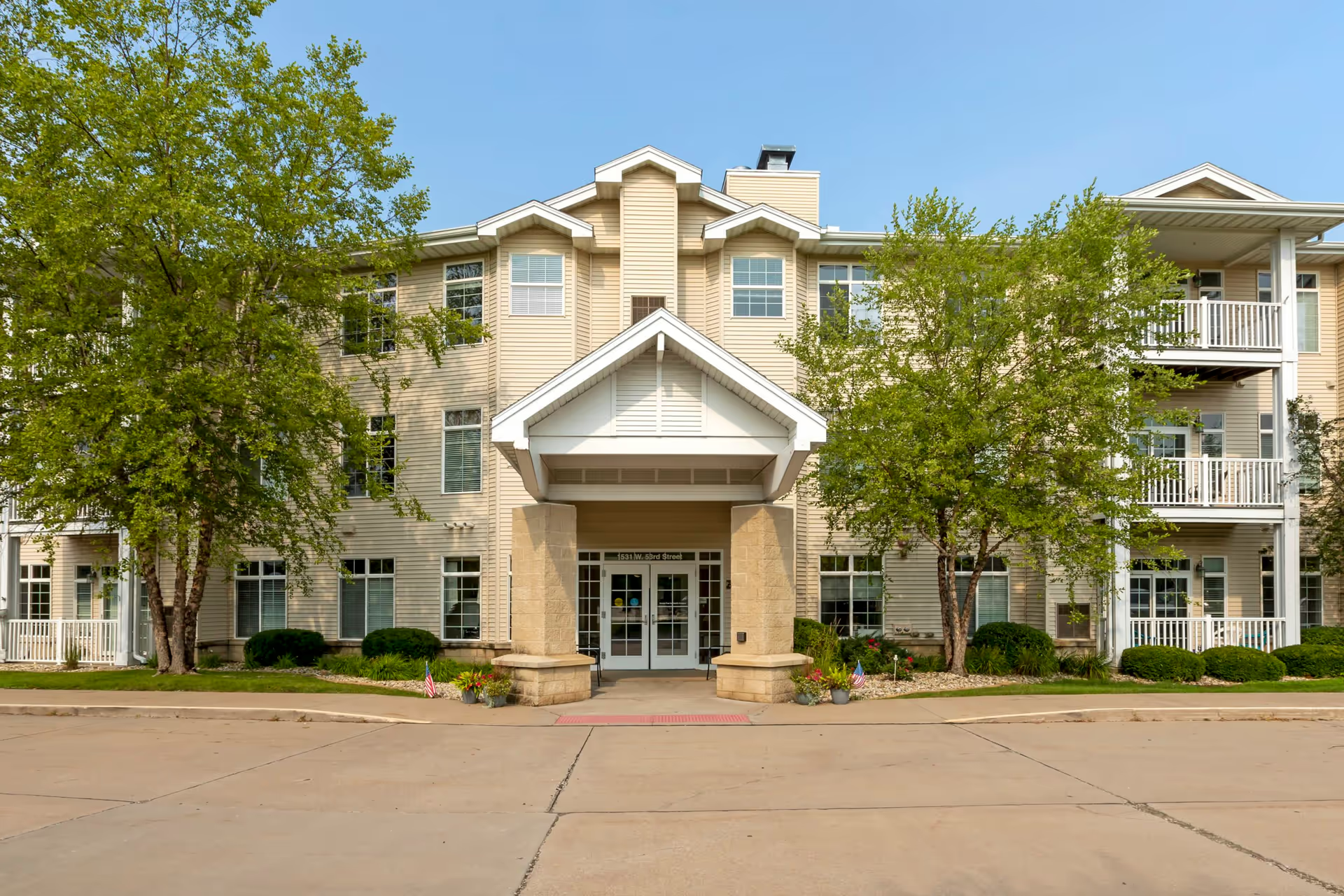
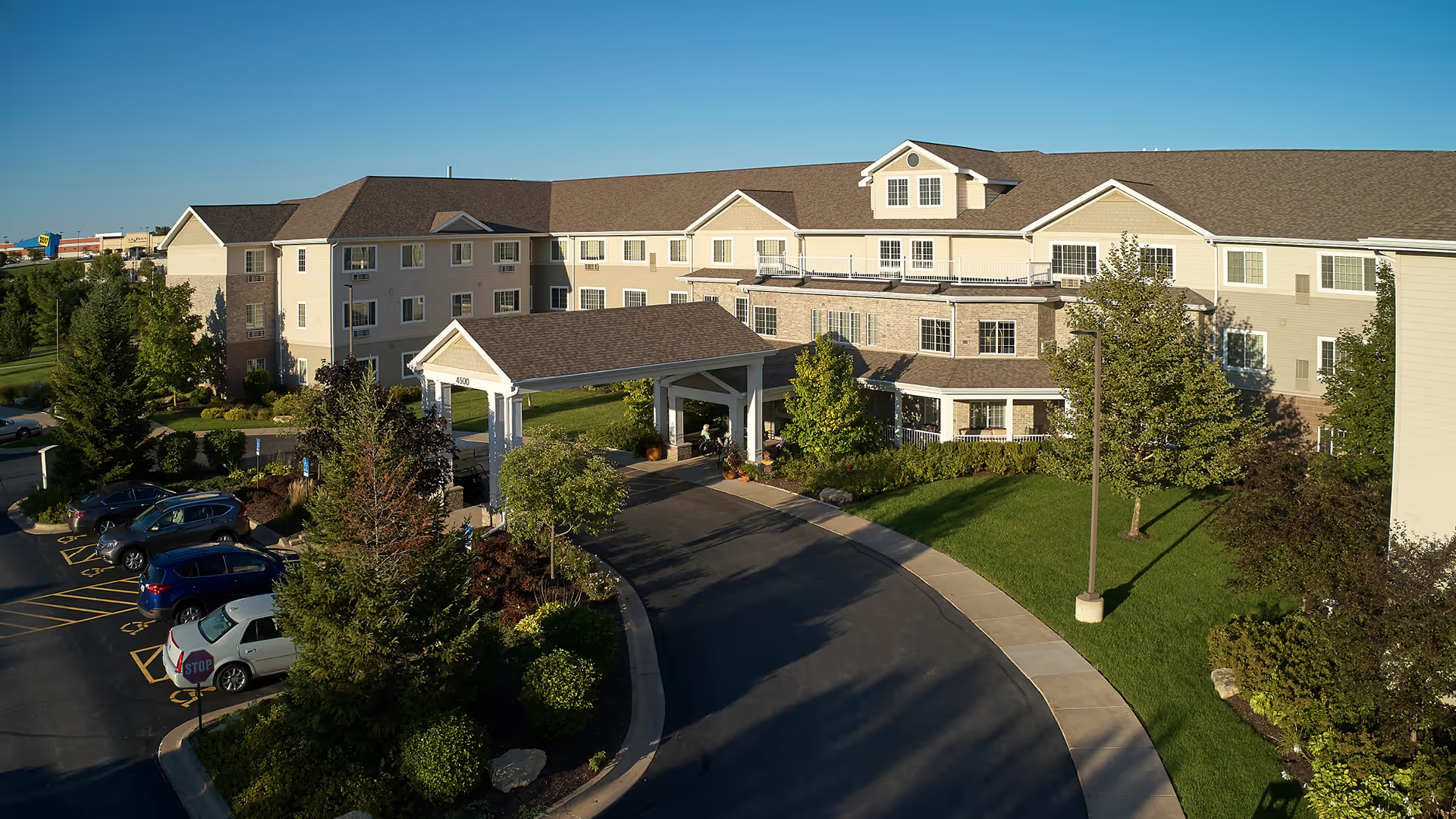
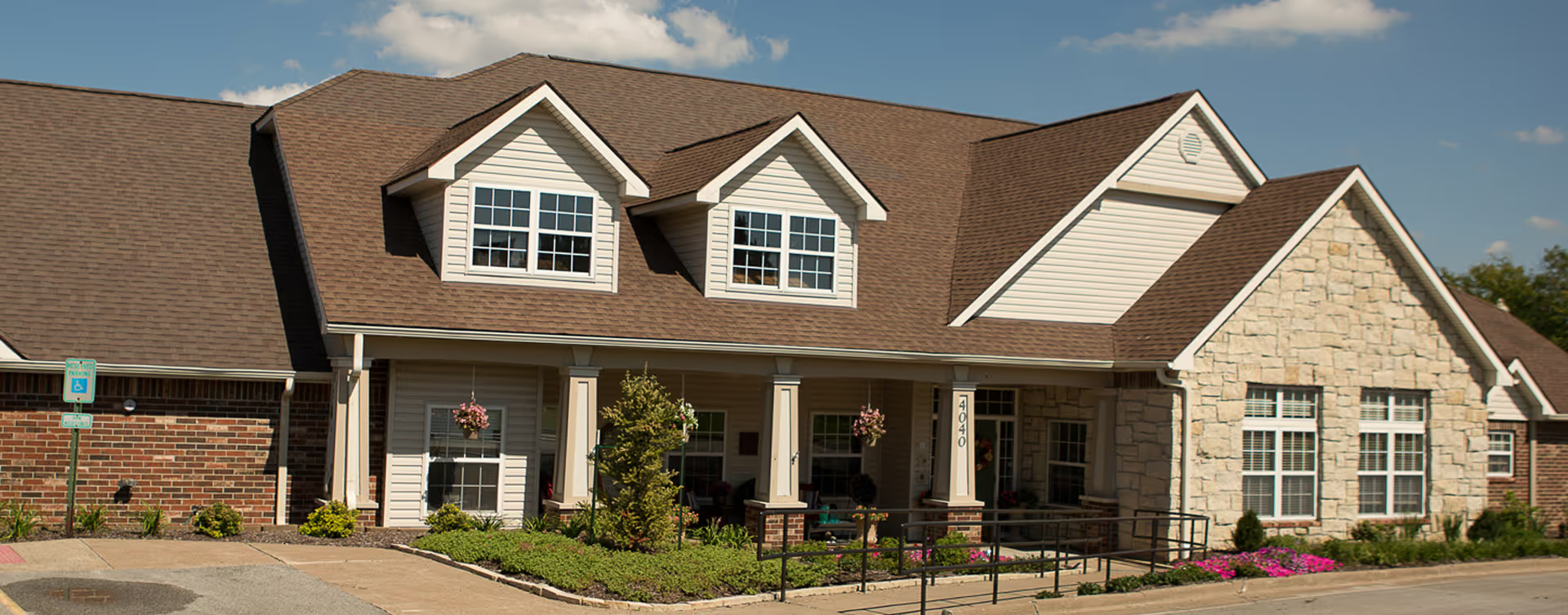
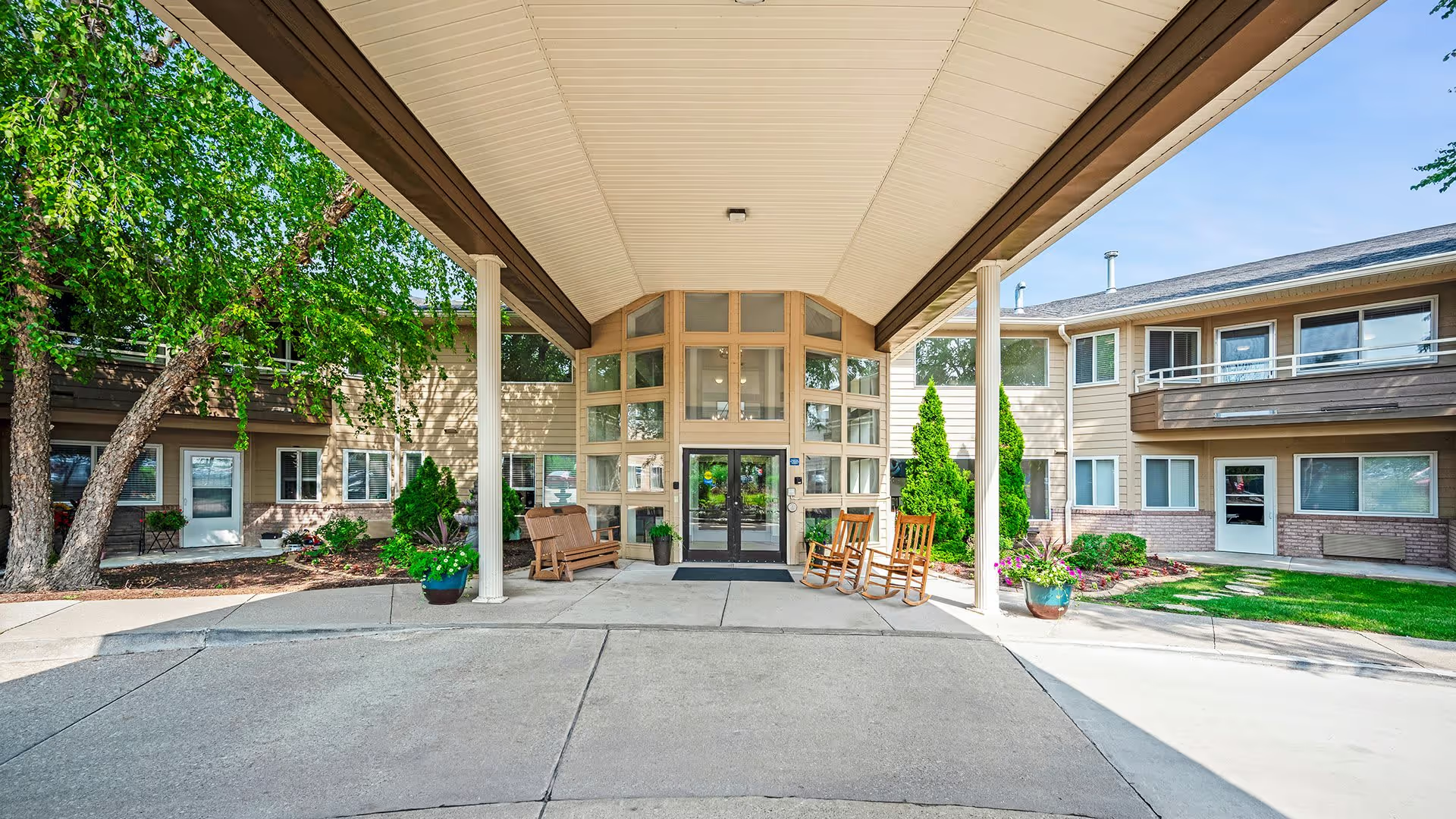
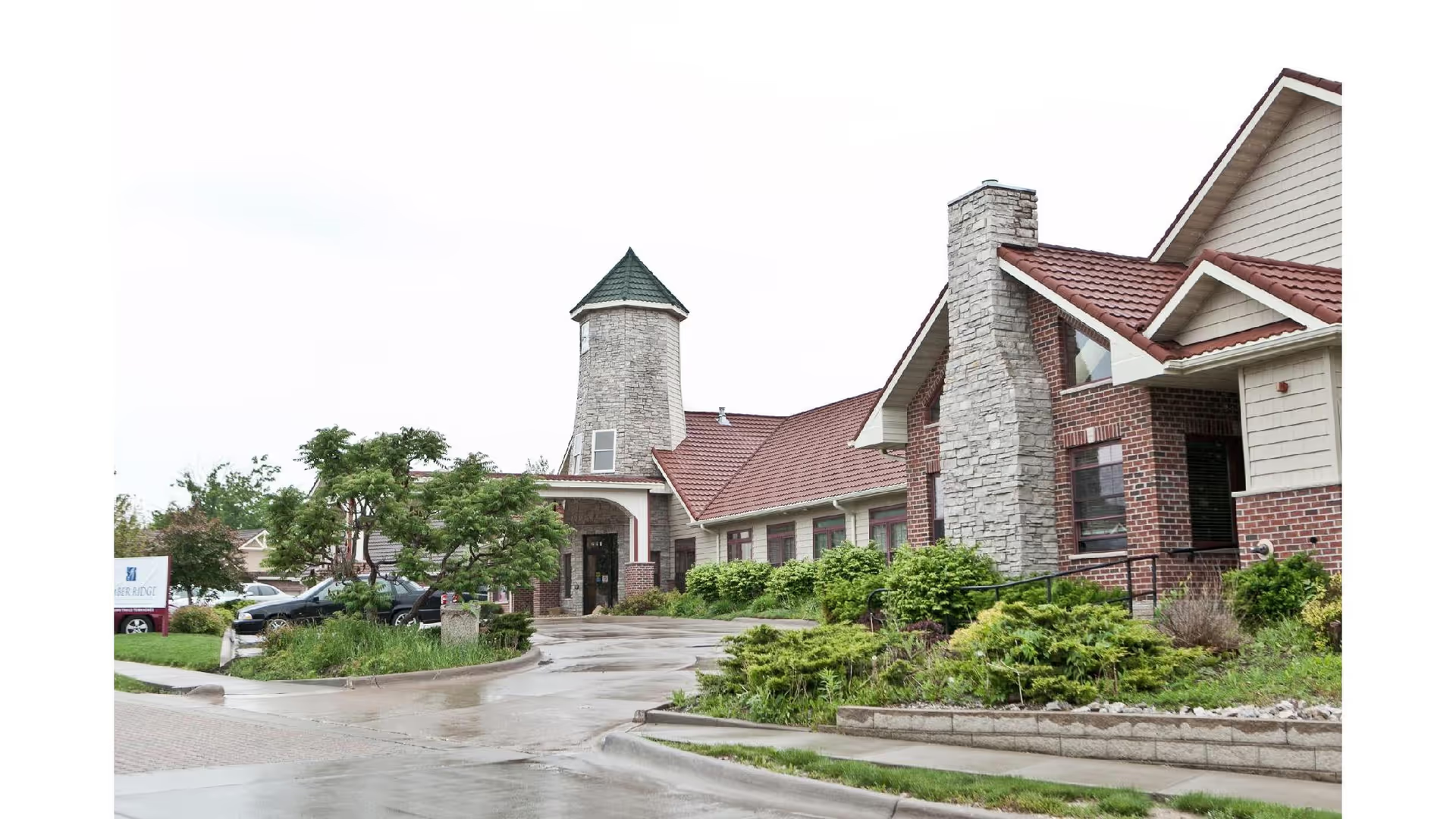
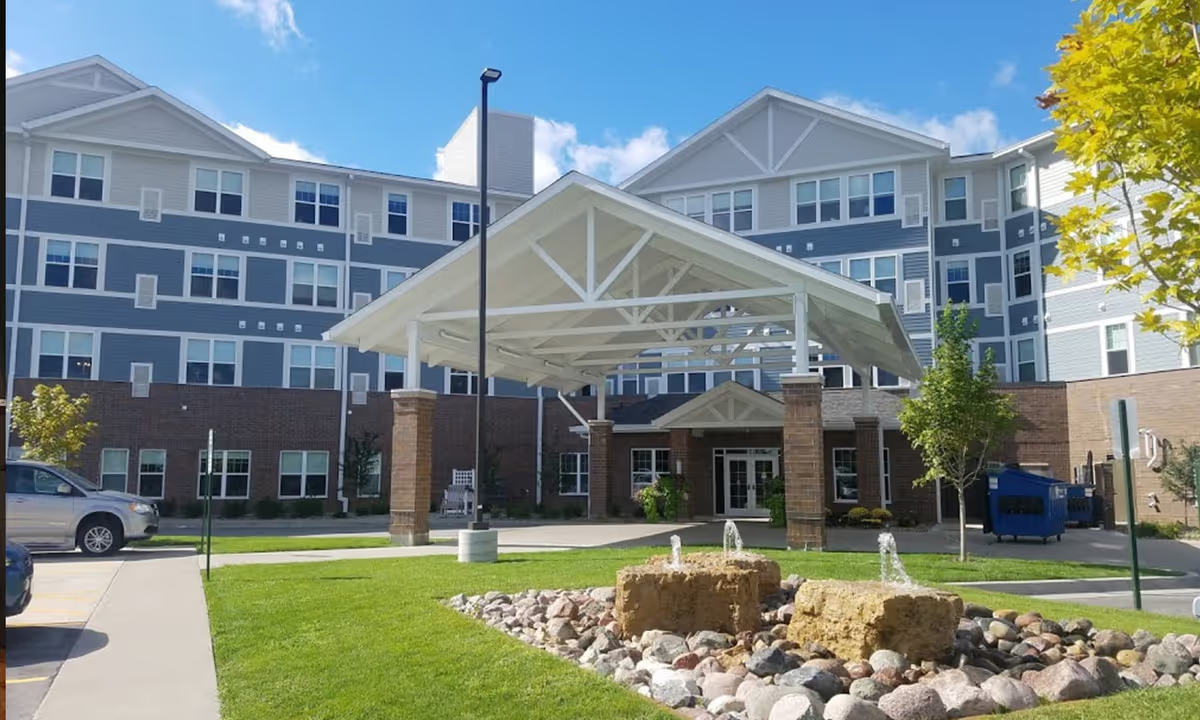
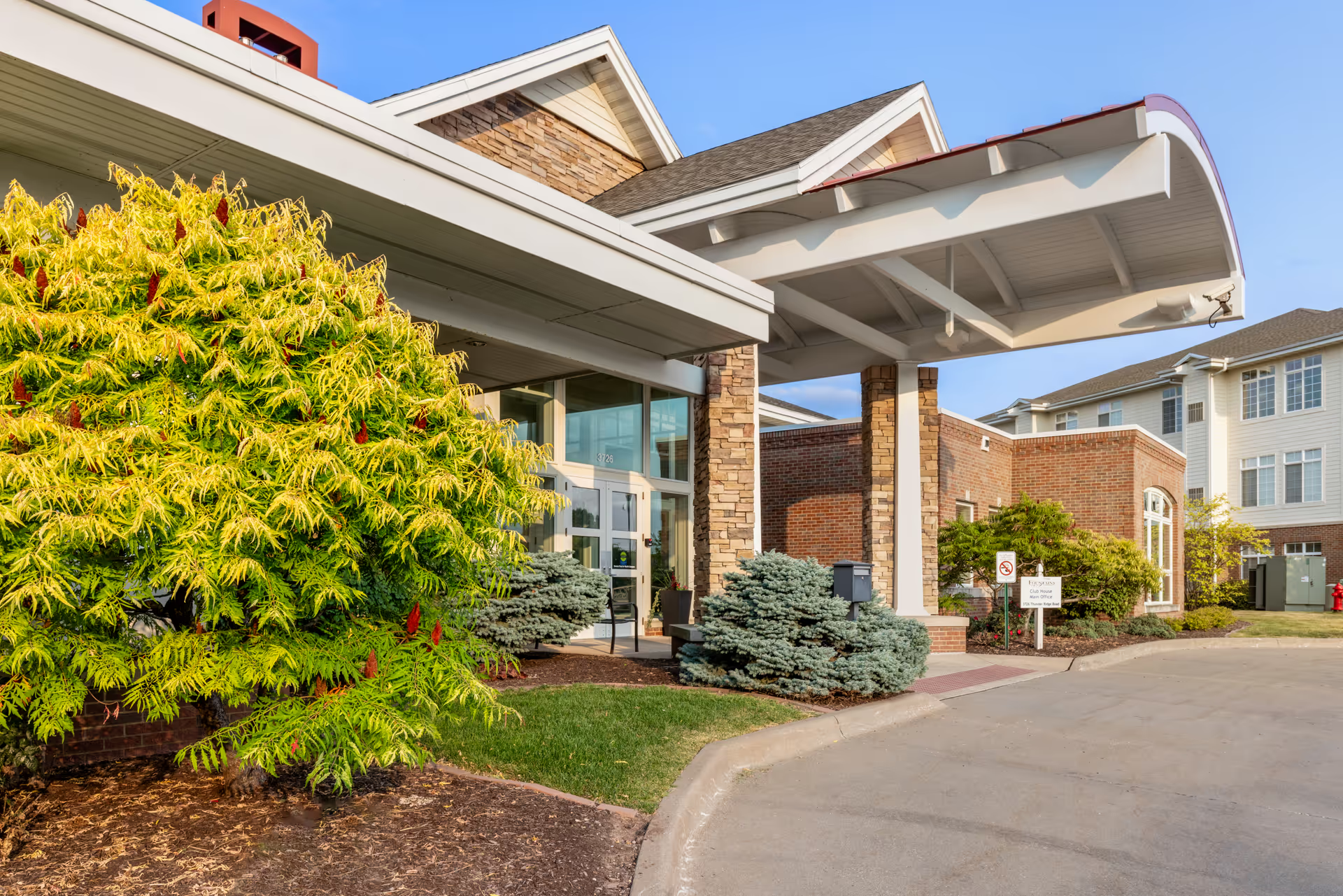
Country Manor Memory Care receives broadly positive feedback for its day-to-day resident environment: reviewers commonly describe a home-like, small-community atmosphere with clean, spacious rooms, attractive landscaping, and a secure fenced courtyard that supports outdoor activity. Many families praise specific caregiving staff for being compassionate and attentive, and they cite strong, warm communication with staff and leadership. Dining is frequently noted as a strength — nutritious, customizable meals served in small groups, attention to hydration and weight monitoring, and regular special events or live music that contribute to social engagement.
Activity programming and social spaces are cited as meaningful assets. The facility’s smaller scale, social lounges, and frequent musical offerings are valued for creating social opportunities and for helping residents acclimate. Several comments highlight personalized attention and effective medication-tracking systems; others describe positive coordination with external healthcare providers when needed. The facility’s layout, multiple room-size options, and recent remodels in portions of the campus are also positive factors for families evaluating placement.
Alongside these strengths, a number of consistent operational concerns emerge. Staffing stability and training appear uneven: reviewers mention turnover, occasional understaffing, and variability in clinical competency. These workforce gaps manifest as inconsistent overnight supervision and responsiveness, and as intermittent delays in attending to personal-care needs or sanitation. Families also raised issues around medication practices and the need for clearer, more consistent clinical oversight and incident response. Several reviewers expressed distrust of management’s transparency and inconsistent responses to complaints, which compounds concerns when clinical issues arise.
Activity leadership is another mixed area. While many residents benefit from music and group activities, some families noted the absence of a dedicated memory-care activities director or variability in program engagement, which can reduce consistency for residents who need structured cognitive stimulation. Facility condition is generally described as clean and well-maintained in remodeled sections, but reviewers also pointed to maintenance and repair needs in older areas.
Taken together, the pattern is one of a facility with clear strengths in hospitality, outdoor access, mealtime experience, and individualized warmth from many staff members, paired with operational variability that can affect clinical consistency and overnight care. Prospective residents and families would benefit from targeted questions during tours: staffing ratios (day and night), staff training and clinical oversight protocols, medication-management procedures, sanitation and personal-care policies, activity staffing and leadership for memory care, and how the community documents and communicates incidents to families. Verifying current leadership stability and asking for examples of recent quality-improvement actions may help assess whether the operational gaps raised in some reviews have been addressed.