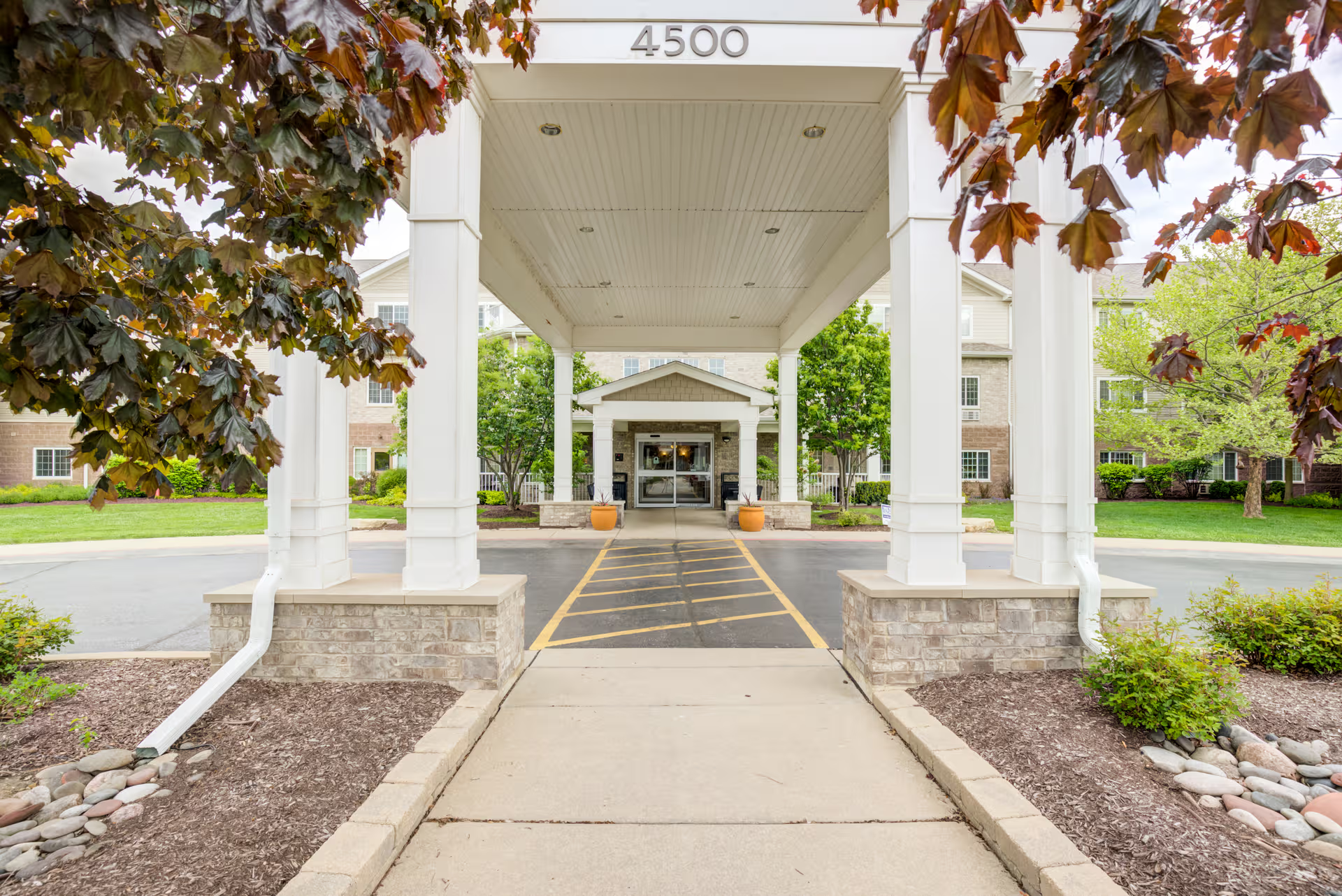
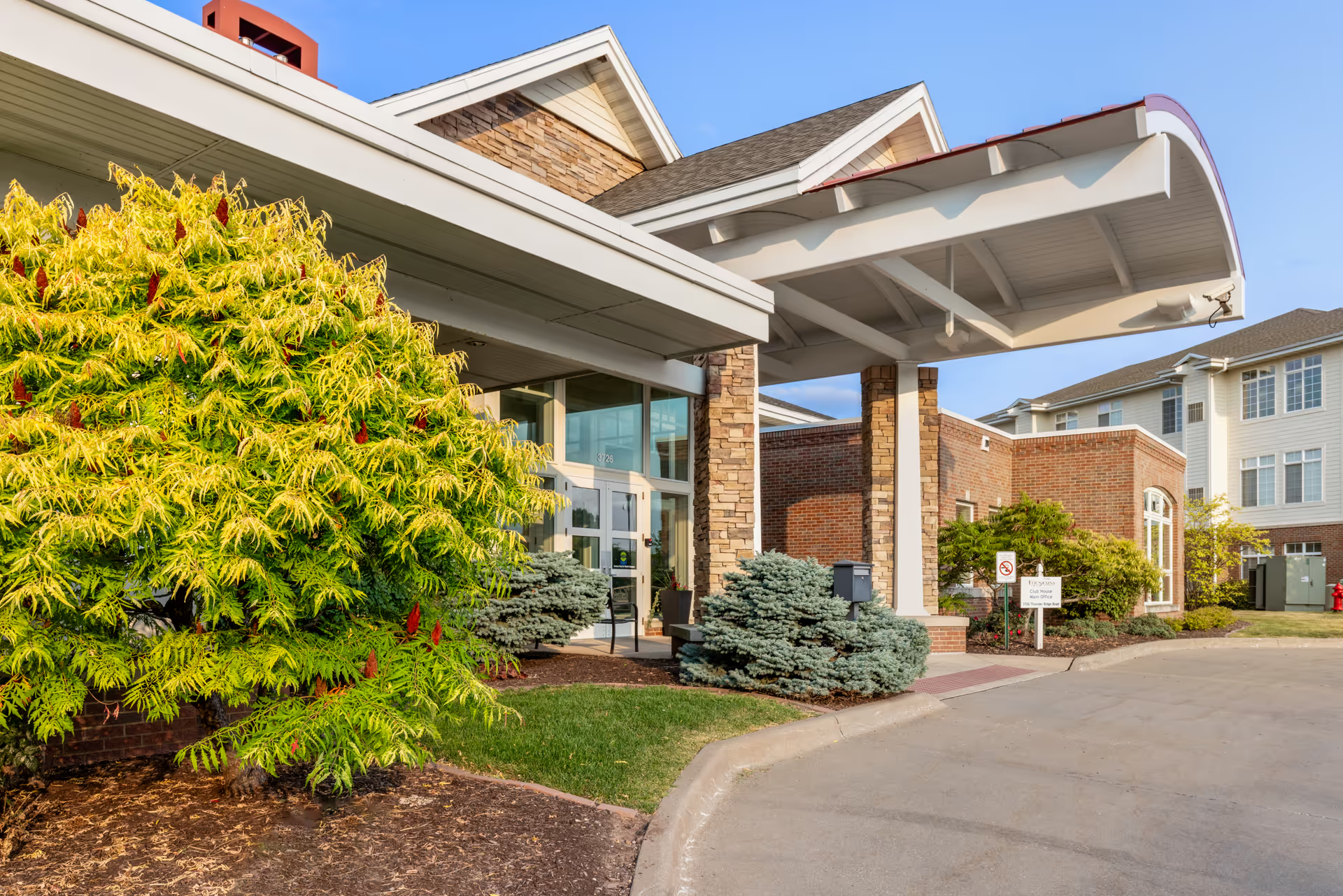
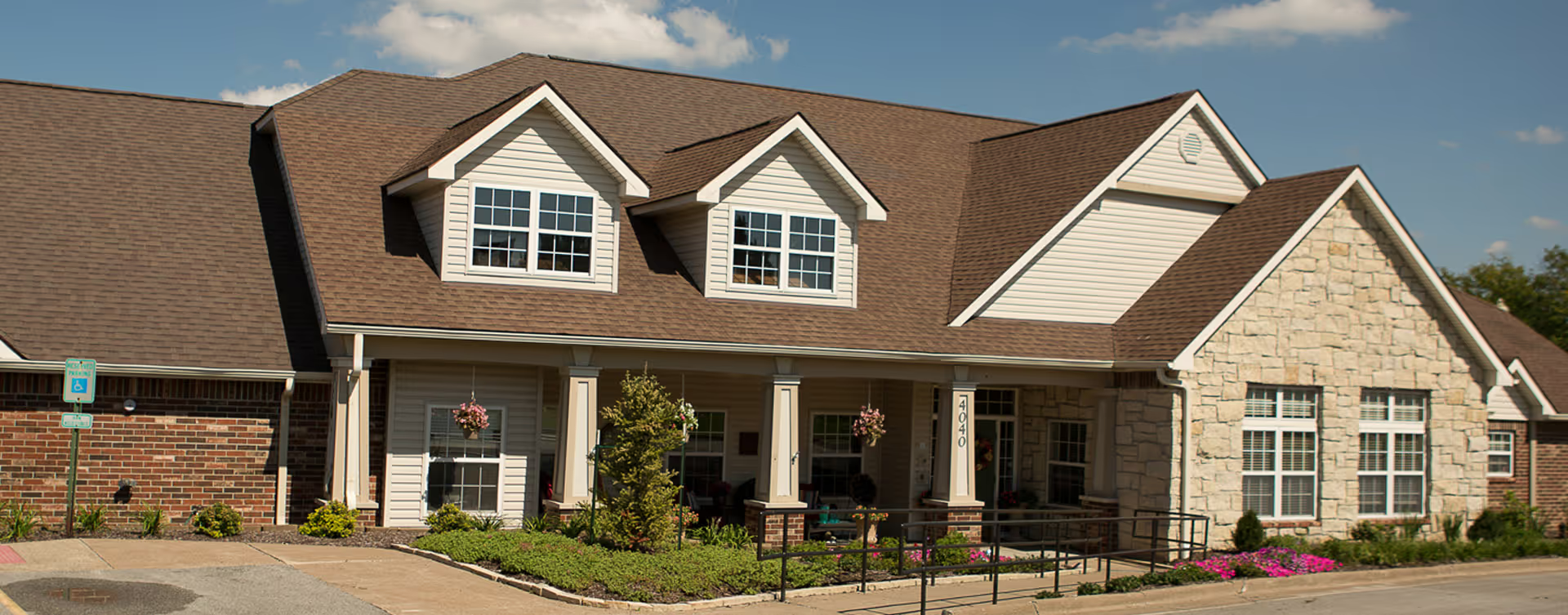
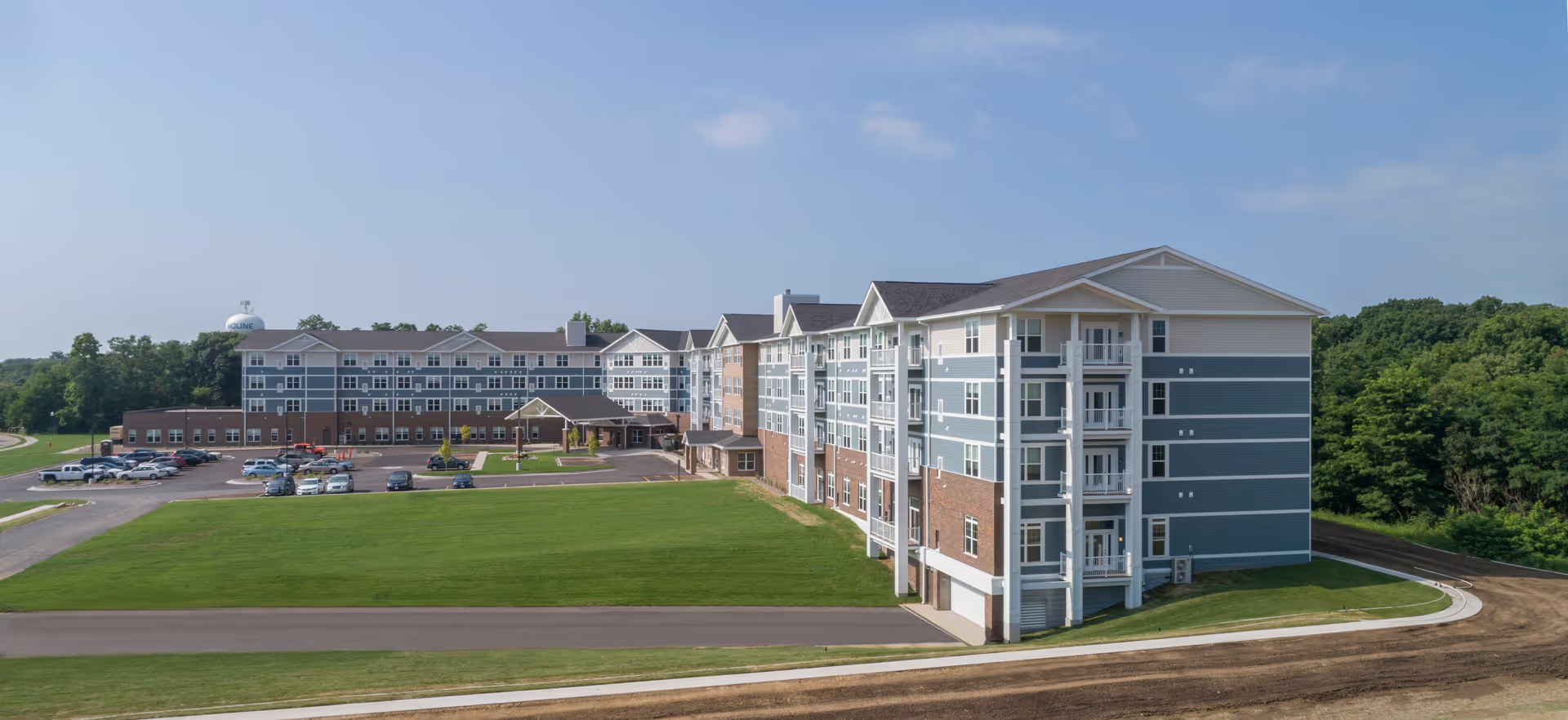
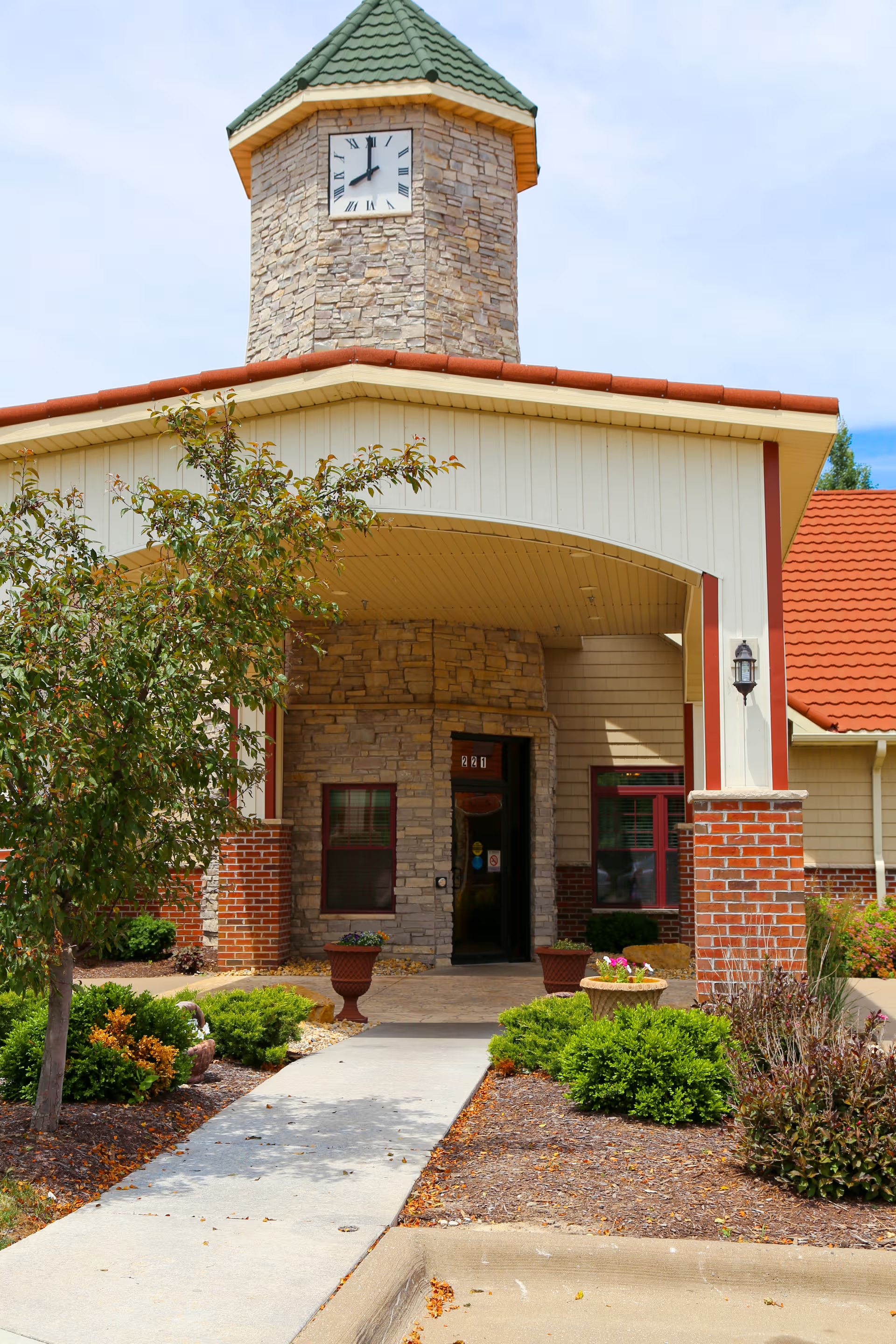
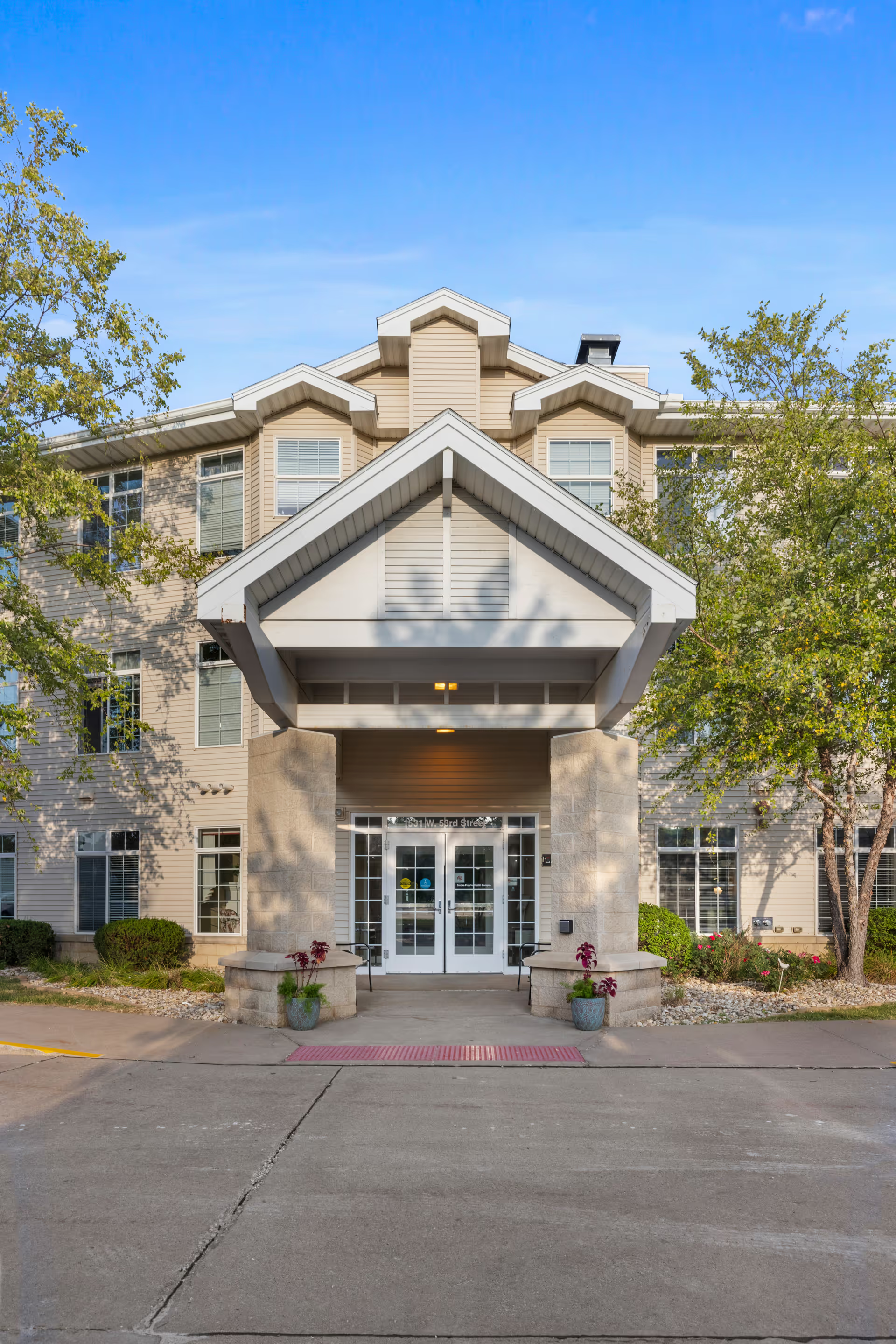
Overall impression: Palmer Hills presents as a community with consistently praised staff, a strong social culture, and a focus on restaurant-style dining and programming. Many families and residents describe the staff as compassionate and willing to go beyond routine duties; long-tenured employees and named staff members are frequently singled out for positive interactions. The community atmosphere is repeatedly characterized as warm and home-like, with high participation in shared meals and activities.
Care and staffing: Direct caregiving and day-to-day assistance are strengths in the independent-living context—staff are generally described as attentive, personable, and resident-focused. At the same time, reviewers raise recurring concerns about staffing consistency and overnight coverage; several comments indicate that staffing levels can be insufficient when residents’ needs increase. The facility appears primarily designed for independent living, with limited on-site memory-care and assisted-living resources. Families seeking a setting for higher-acuity or progressive dementia care should expect gaps in clinical support and transfer coordination to higher-level care when needs escalate.
Dining and activities: Dining is a pronounced strength. The community maintains an in-house chef, three daily meals served in a restaurant-style dining room, fresh-baked offerings, and multiple menu choices. Many reviewers describe the meals as tasty and well-presented, and the dining environment as social and inviting. A minority of comments note that menus can feel standardized or repetitive and that diabetic-friendly or highly specialized options are sometimes limited. Activity programming is broad and well-attended, including music, games, exercise classes, movies, and social outings; these offerings contribute to reported improvements in residents’ social engagement and wellbeing.
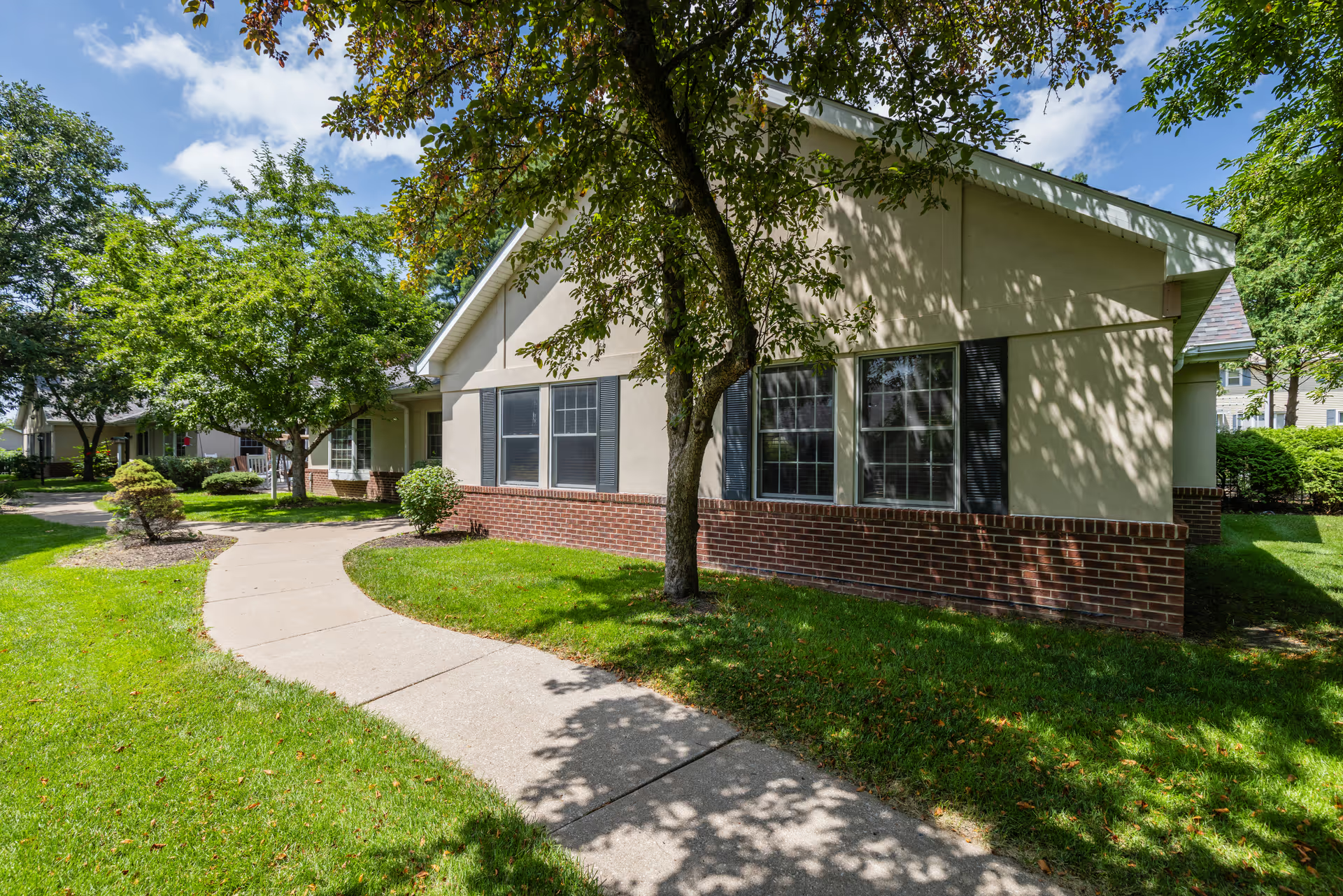
Facilities and amenities: Grounds, outdoor seating, and patios receive positive remarks for landscaping and accessible fresh-air spaces. The community offers useful on-site amenities—fitness equipment, library/computer access, a movie room, and transportation/shuttle service. Many common areas have been renovated and feel bright and updated, though some apartment units are described as dated and in need of further remodeling. A notable operational design choice is the prevalence of limited in-unit kitchens (microwave/minifridge only), absence of full in-apartment laundry, and constrained personal-storage solutions; these limitations align with an independent-living model but are important for prospective residents to consider.
Management and operational patterns: Reviewers present a mixed view of administrative performance. Several accounts praise hands-on managers and individualized problem-solving by staff, while others describe friction tied to corporate ownership changes, including unexpected rent increases, automatic payment issues, and unfulfilled amenity promises. Sanitation and pest-control issues were mentioned on occasion; when raised, staff response and precautionary measures were also noted. Communication lapses—especially around follow-up after care events, storage handling, and clarity of contract terms—are recurring operational concerns.
Notable patterns for prospective residents: Palmer Hills is broadly well-regarded as an independent-living community with strong social programming, attractive dining, and many staff who are perceived as caring and responsive. It is less well-suited for people who require substantial clinical support, continuous overnight assistance, or memory-care services; families looking for those capabilities should verify clinical staffing levels and transfer plans in advance. Prospective residents should also review contract terms, billing practices, and storage arrangements carefully and ask about the facility’s pest-control and sanitation protocols as part of a tour.