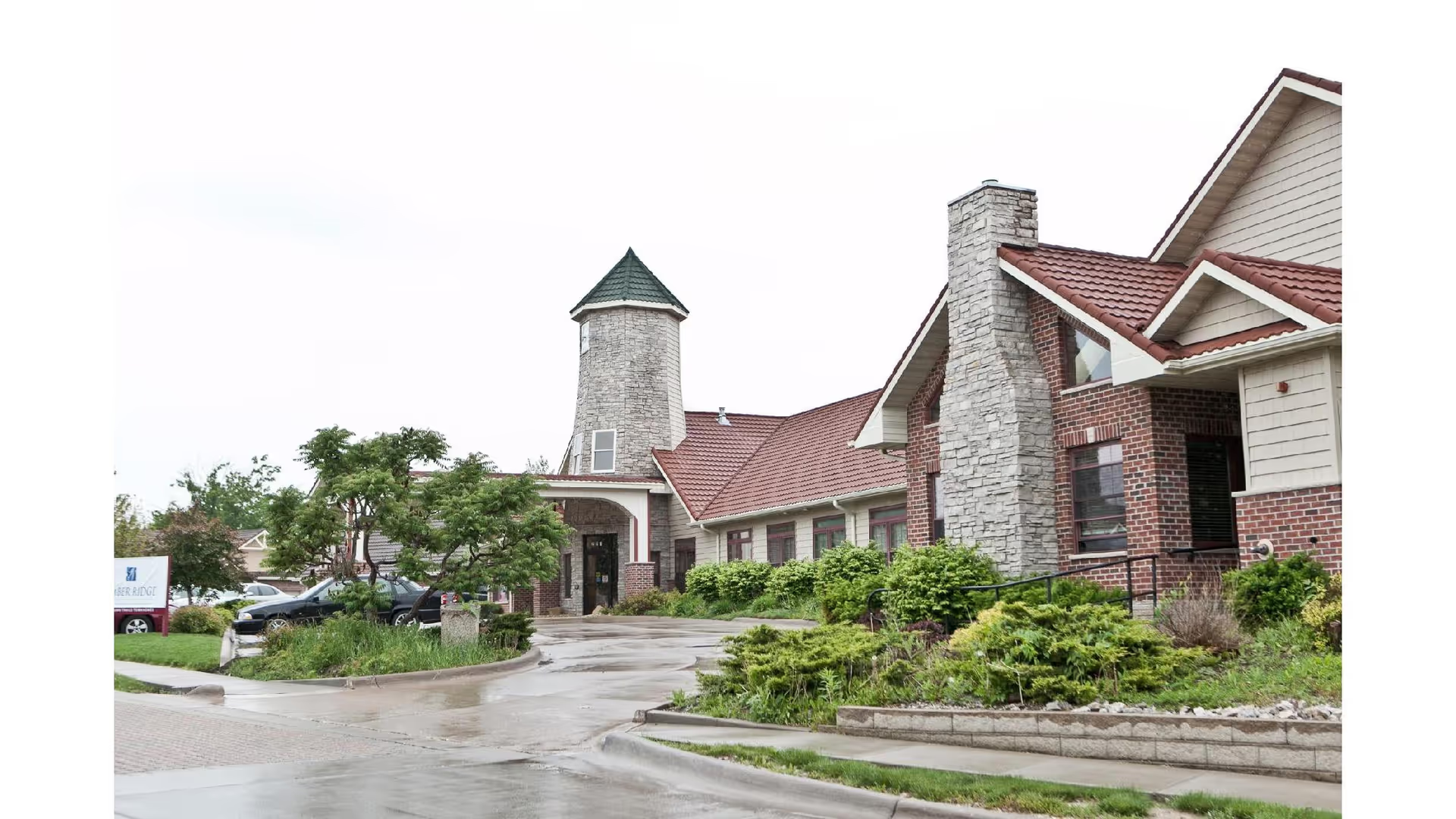
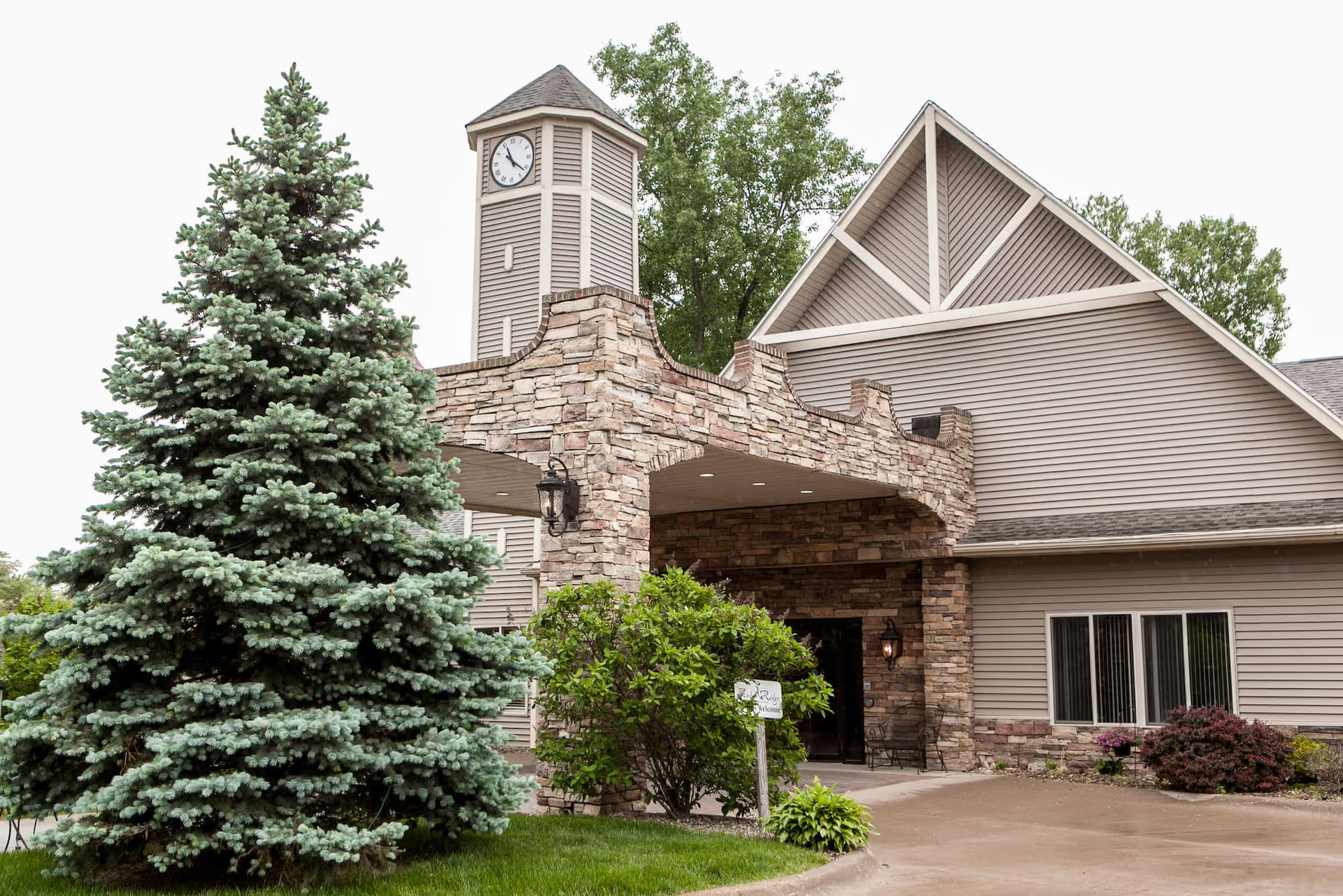
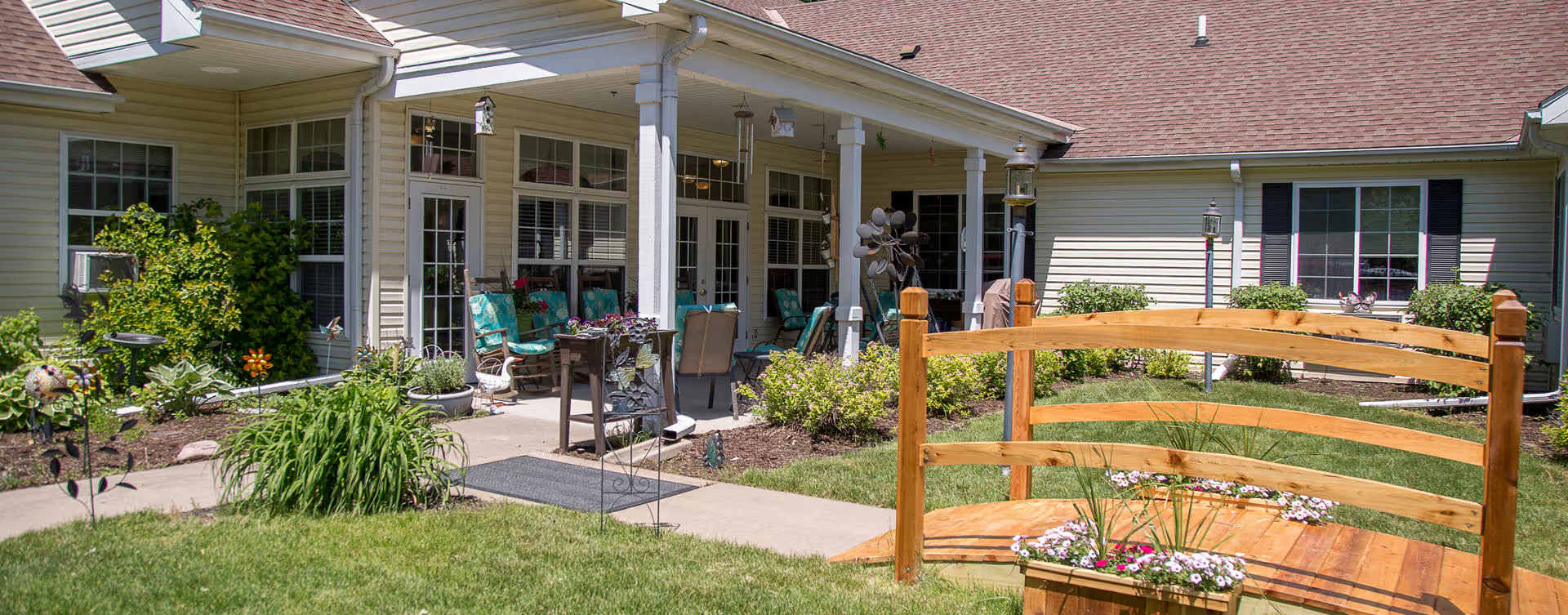
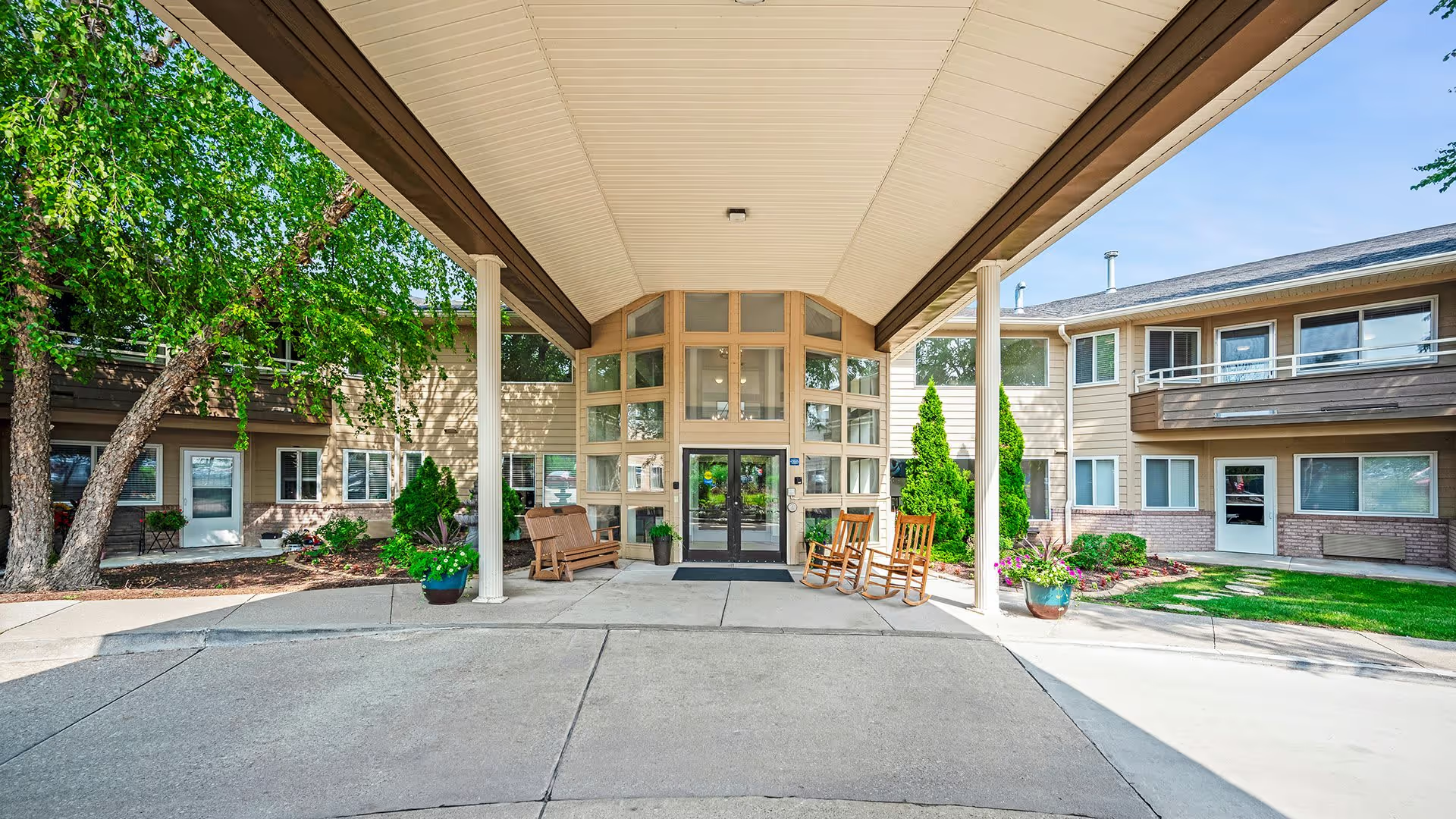
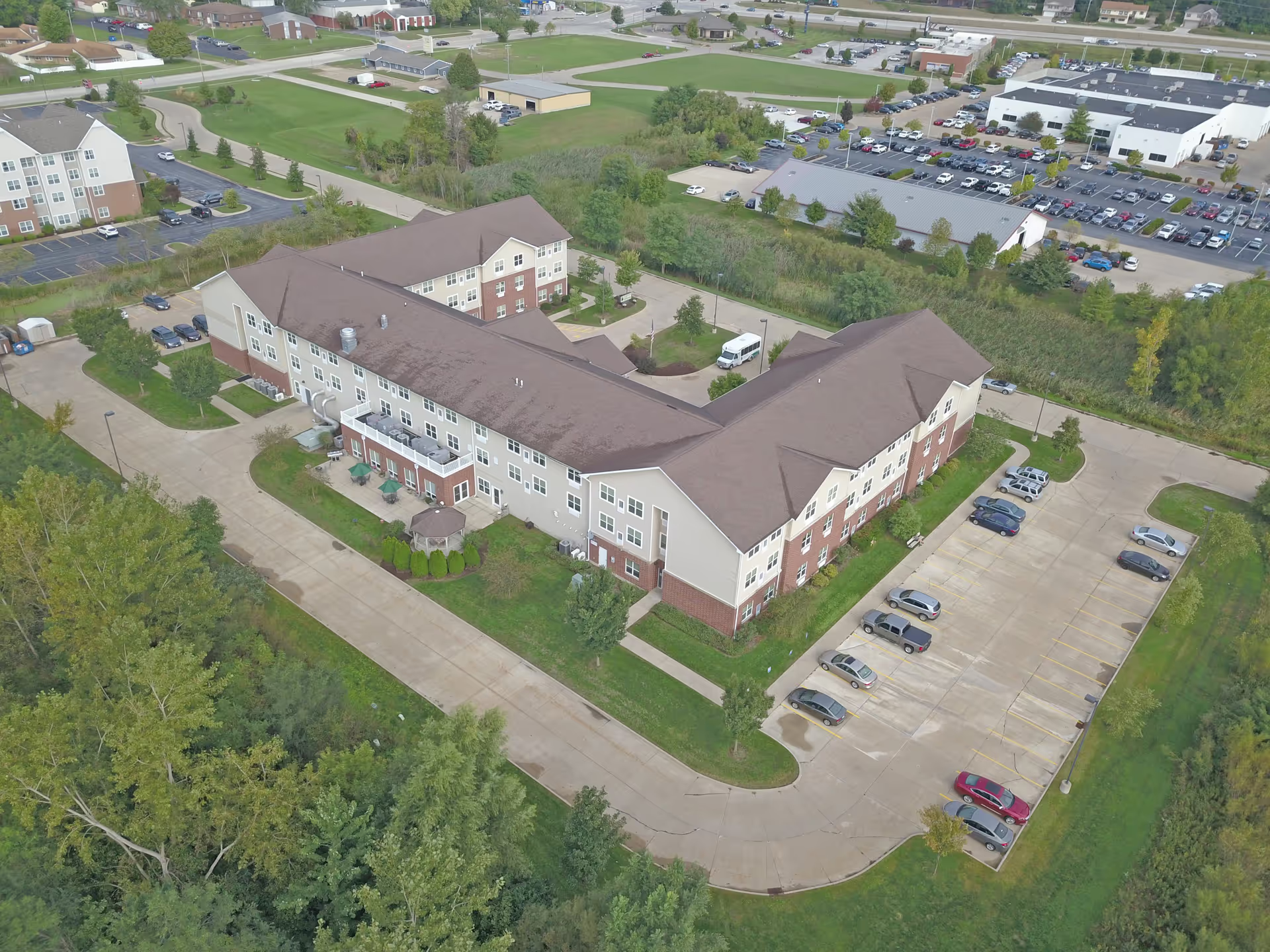
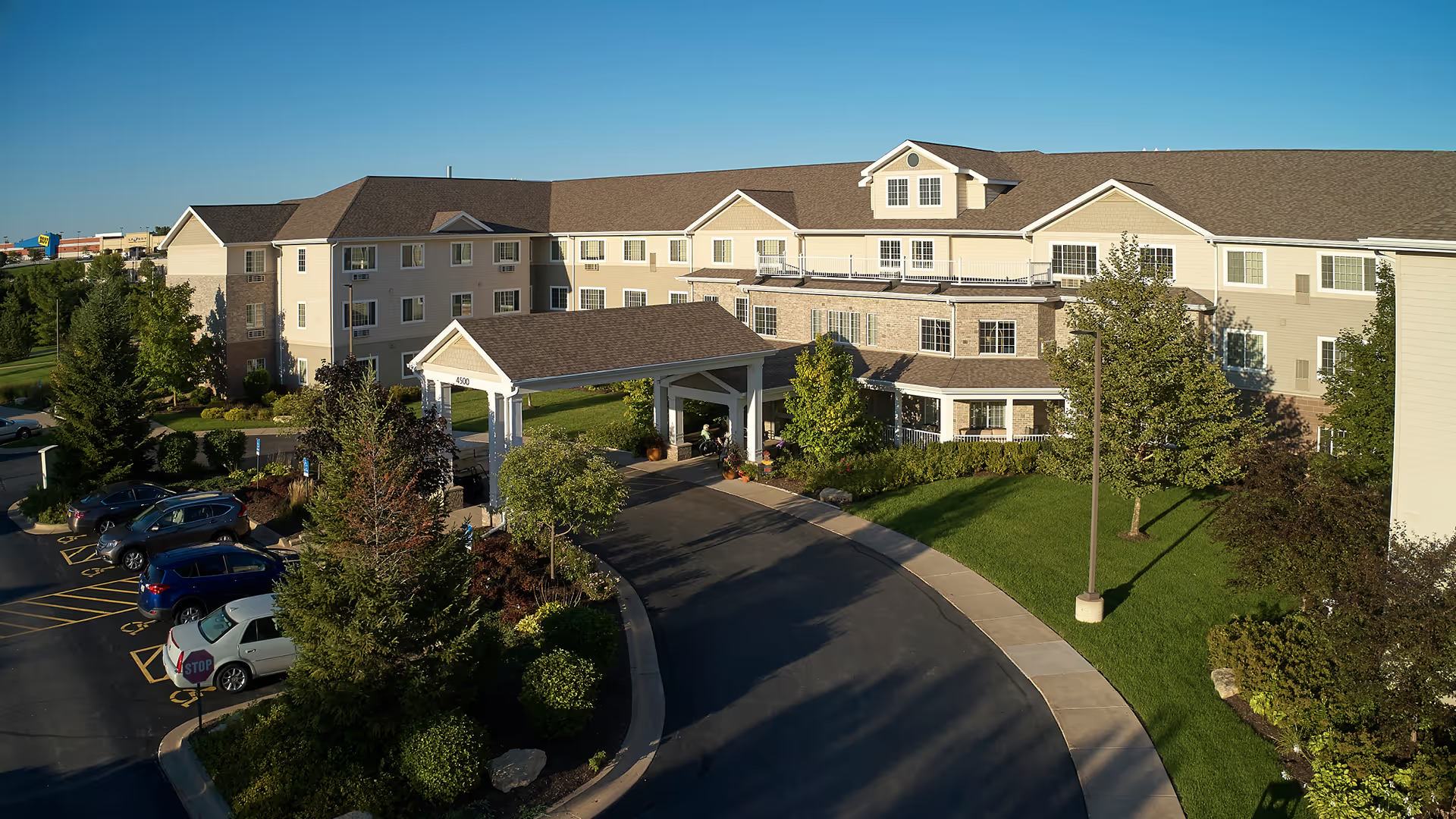
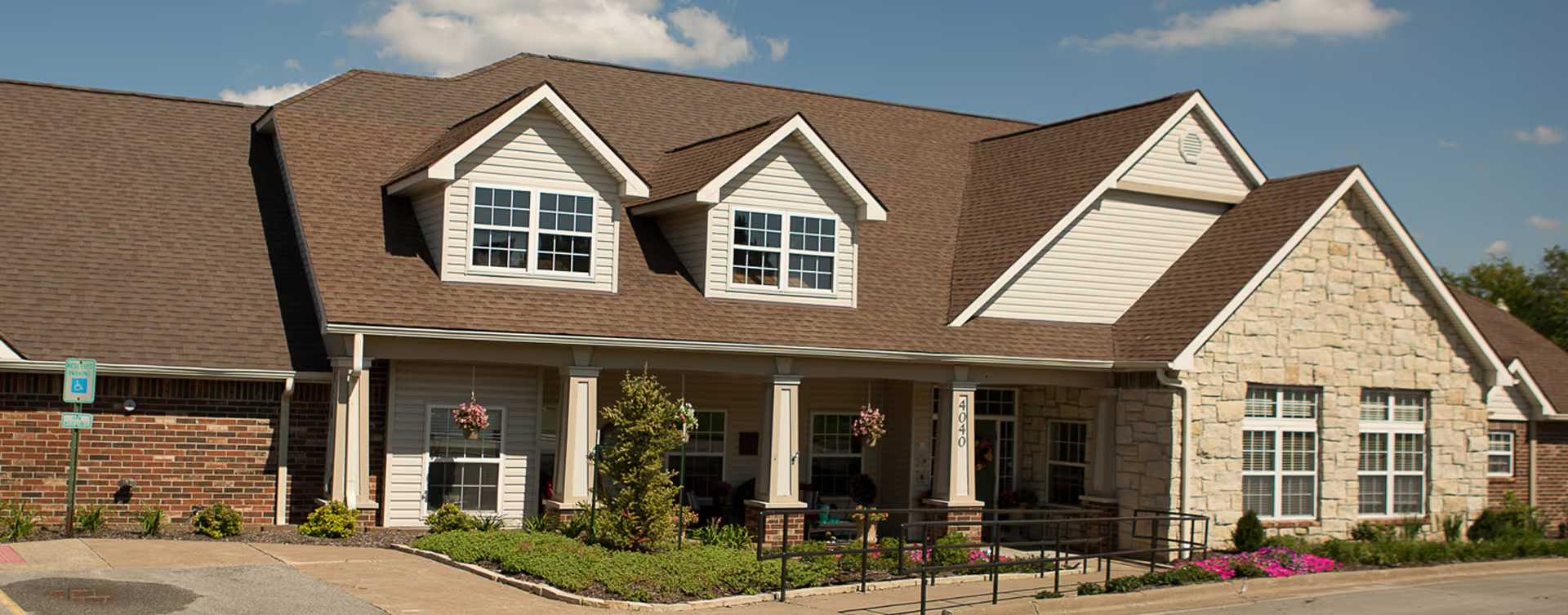
Overlook Village receives consistent praise for its physical environment, staffing presence, and amenities. The community is described as clean, well maintained, and resort-like, with spacious, light-filled apartments and multiple attractive common and outdoor areas (courtyard, river and sunrise views). Housekeeping, landscaping, and maintenance are repeatedly noted as strengths, and residents and families value on-site conveniences such as a salon, gym/spa, pool table, shuffleboard, general store, and frequent live/seasonal entertainment.
Care and staff are central strengths for many families. Multiple accounts emphasize compassionate, resident-focused caregivers, attentive dining servers who know resident preferences, and an on-site ambassador model with 24/7 staffing and prompt emergency response. Several reviews highlight effective hospice coordination, reliable medication assistance in many cases, and specific staff members and leaders who engender trust and calm. The social atmosphere and sense of community — frequent outings, shuttle service, happy hours, book clubs, pool and gym programs, and active seasonal events — are repeatedly cited as contributors to residents’ quality of life.
Dining and programming are major positives for the independent and assisted-living populations: reviewers note varied, appealing menus, personalized service, and abundant activity options (local trips, exercise, crafts, music, faith services). Regular personal-care services such as a biweekly foot clinic and weekly nail care are appreciated. The community is pet-friendly and includes therapy-dog visits, which many families regard as beneficial for social and emotional wellbeing.
Despite these strengths, a discernible set of operational concerns appears across reviews. The most prominent themes are uneven performance in memory-care services and lapses in certain clinical and administrative areas. Families reported variability in dementia-specific programming and stimulation, with descriptions of limited activity engagement for some memory-care residents and concerns about staff training specific to dementia care. Relatedly, reviewers raised concerns about medication-administration processes and pharmacy coordination; these were cited as substantive issues by several families and are a significant operational vulnerability.
Administrative and management issues surface as another patterned concern. Reviewers described inconsistent communication, delays in follow-through, and billing or financial-accounting inconsistencies that created frustration for families. Move-in coordination and onboarding were noted as areas that could be smoother; some families experienced limited in-person contact early in residency or inconsistent documentation and care-plan updates. While leadership and certain managers receive strong positive mention, these administrative inconsistencies represent an important contrast to the high marks given for frontline caregiving and facility upkeep.
In summary, Overlook Village is frequently praised for its physical environment, active lifestyle offerings, and many compassionate staff members, which together provide a strong quality-of-life experience for independent and assisted living residents. Prospective residents and families should weigh these strengths against reported operational weaknesses: variability in memory-care program delivery and dementia training, medication and care-plan coordination issues, and administrative/billing communication gaps. A site visit that includes discussion of memory-care programming details, medication-management protocols, billing practices, and the onboarding process will help families evaluate whether the facility’s positive attributes align with their specific clinical and administrative expectations. Additionally, asking for recent examples of memory-care staffing training, care-plan update practices, and written billing procedures can clarify how the facility addresses the concerns that have been noted in reviews. Some families also raised serious individual concerns about clinical outcomes; those accounts are significant and were described with strong language by the reviewers, so prospective families should request clinical quality indicators and grievance-resolution examples during touring and contracting conversations.