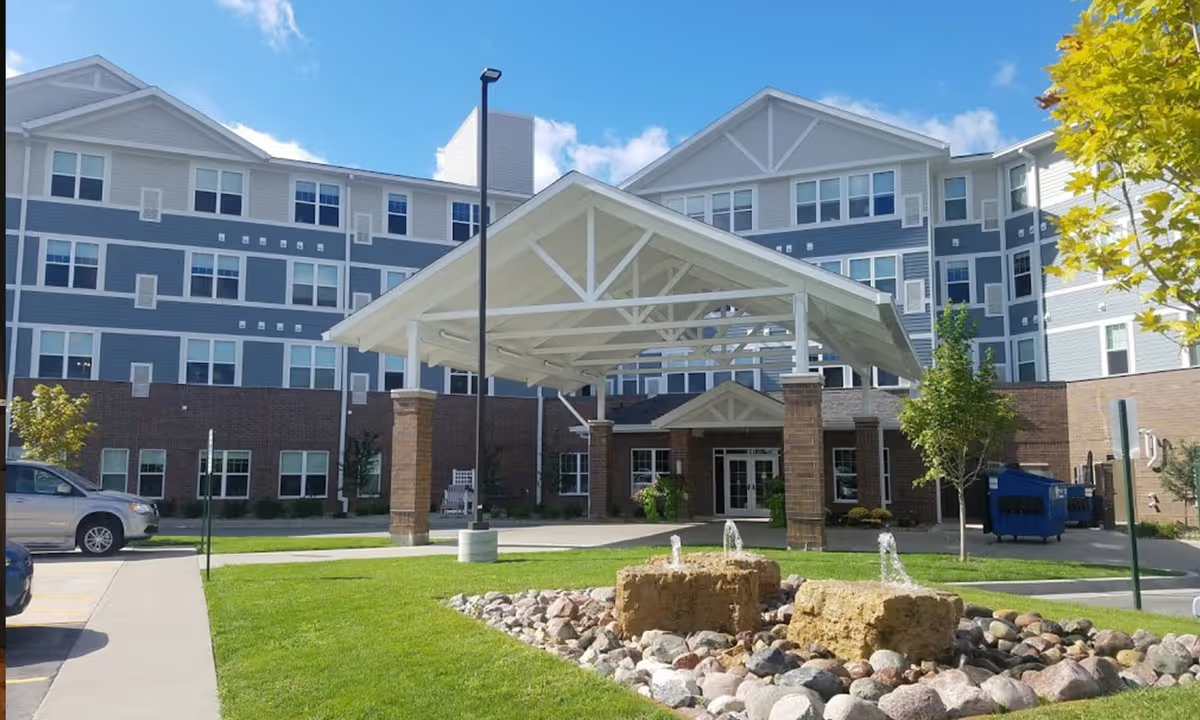
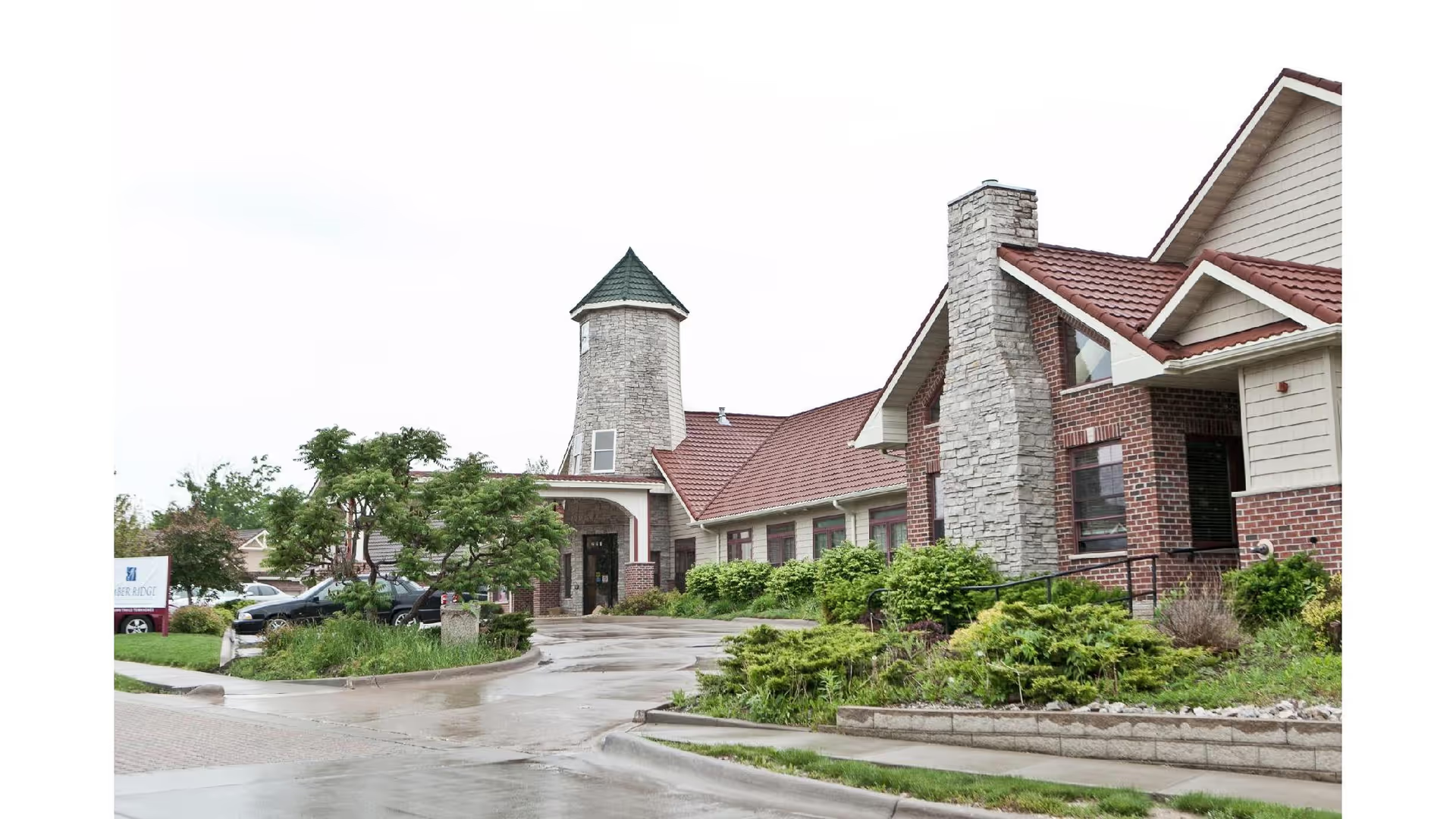
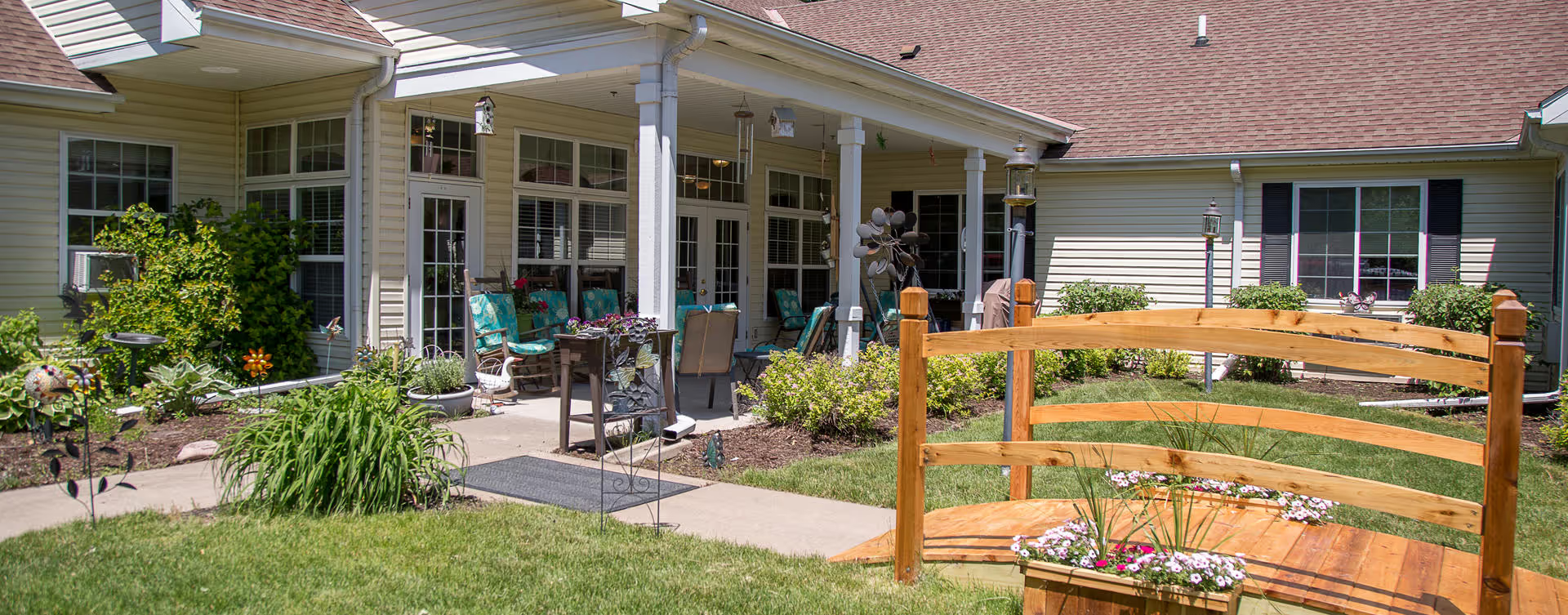
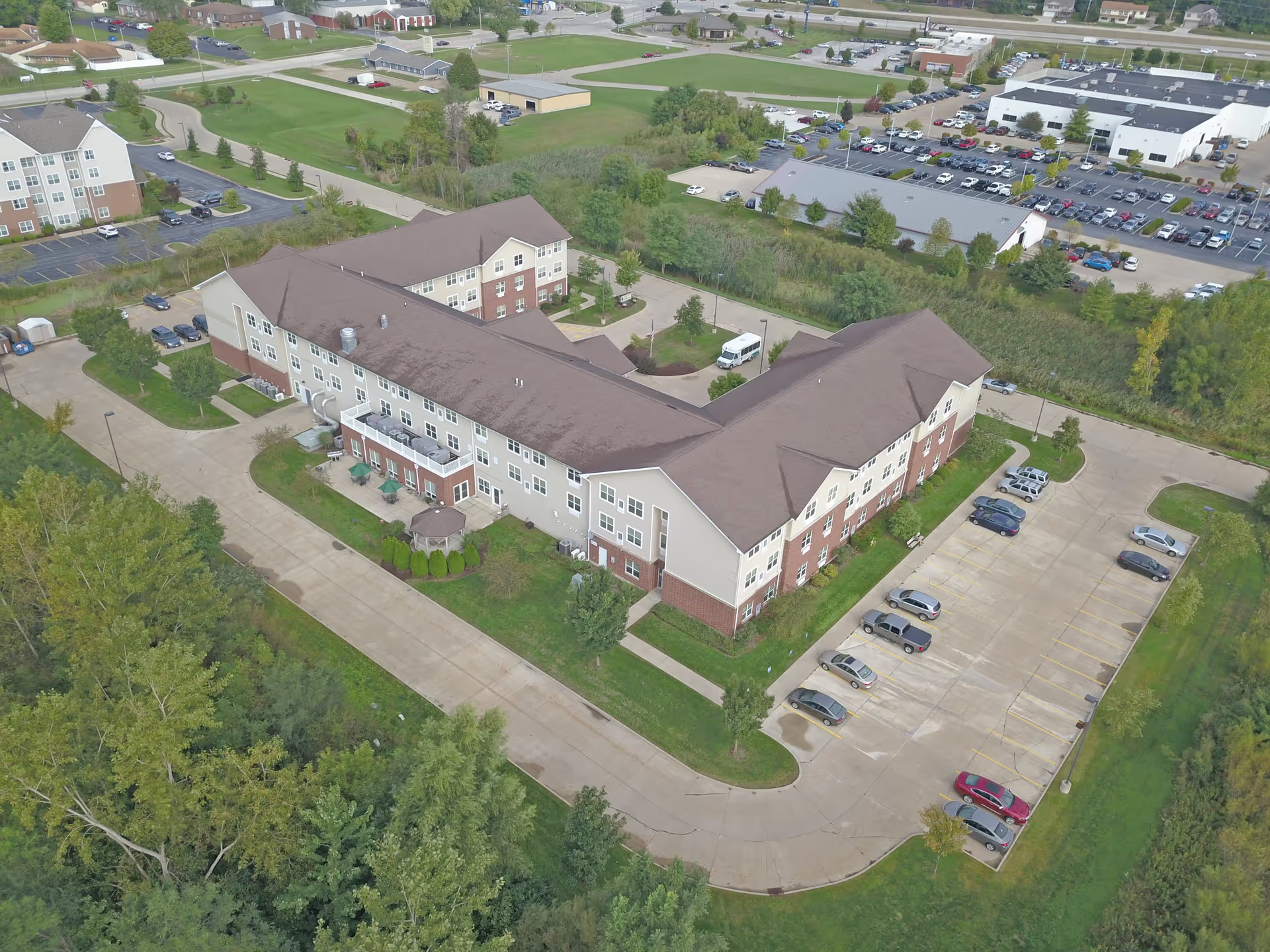
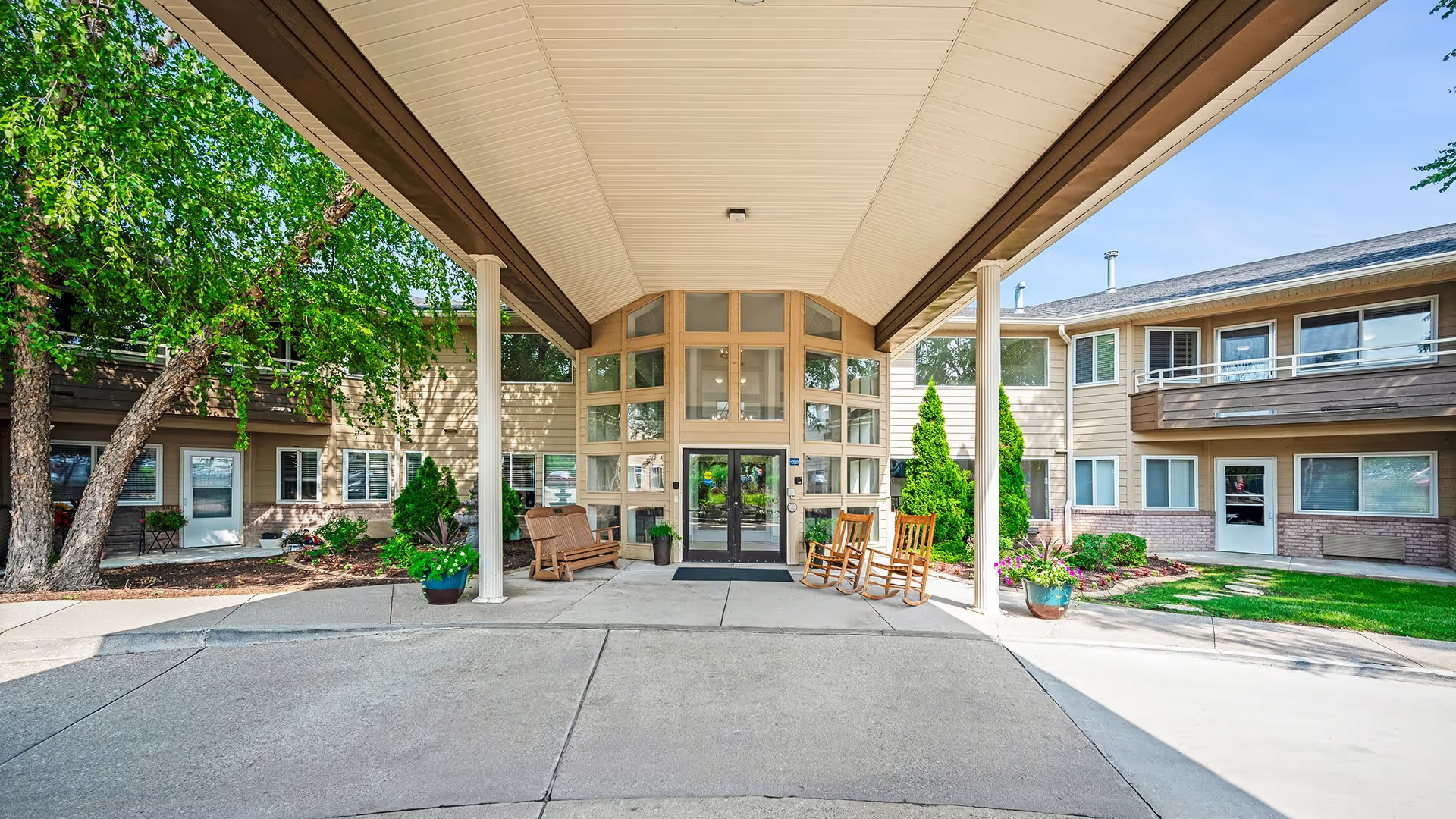
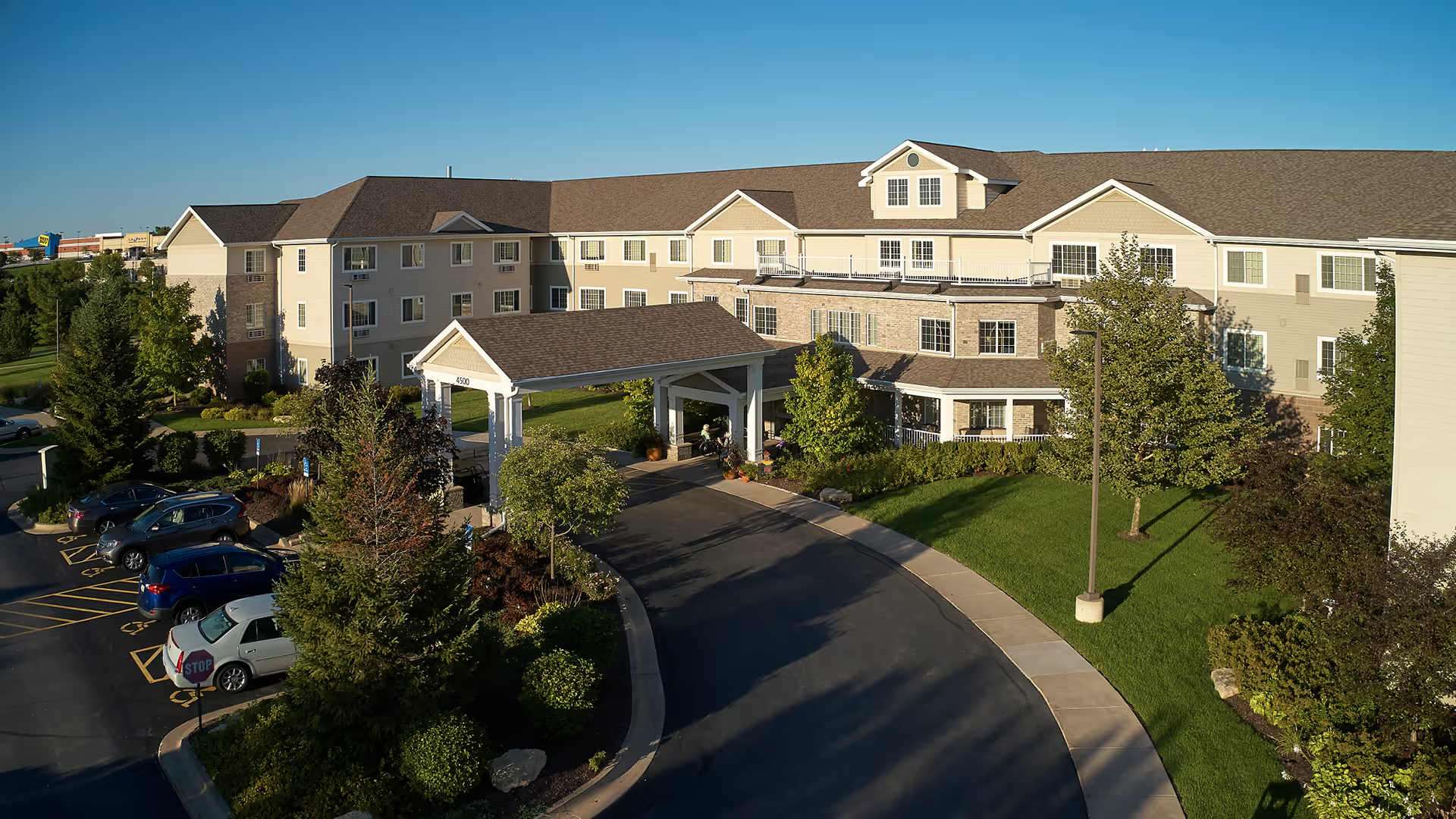
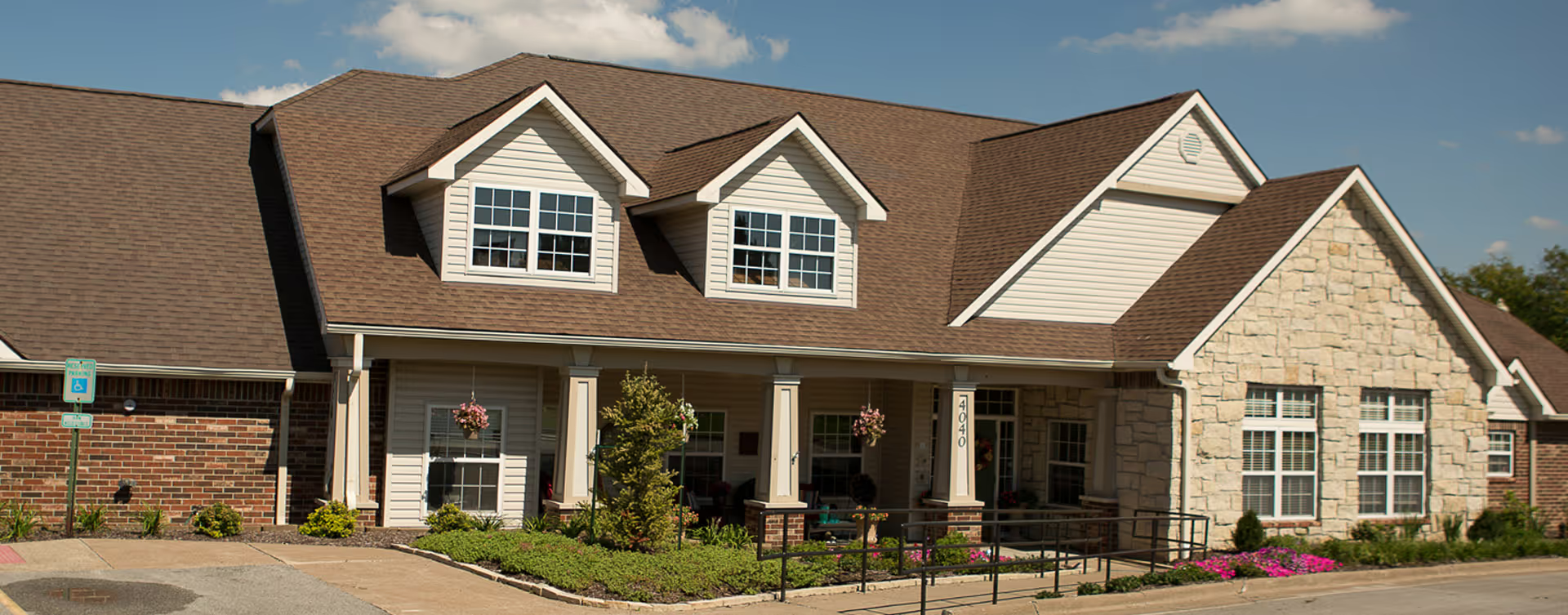
Charter Senior Living of Moline presents as a small, residential-style assisted living community with many amenities and a strong emphasis on family connections. The physical campus — including a newer addition, movie theater, Wii room, garden/courtyard, nature-viewing room, and sizable private apartments with walk-in accessible showers — is frequently described as clean, well-decorated, and home-like. Its location adjacent to shopping and medical services and availability of transportation to appointments are repeatedly cited as practical conveniences for residents and families.
Care and staffing elicit mixed but specific impressions. Numerous accounts describe compassionate, engaged caregivers and attentive CNAs who foster personal connections and open communication with families; in-house physical and occupational therapy staff are also noted as strong assets that have improved mobility for some residents. At the same time, recurring operational weaknesses are described: staffing levels and turnover appear inconsistent, with particular strain on nights and weekends, and occasional use of unlicensed personnel overnight. These patterns are associated with delays in responsiveness and difficulty reaching aides at off hours.
Clinical safety and operational controls are a central area of concern. Reviews indicate issues with medication-management practices and intermittent failures of emergency-call/wearable alarm devices. There are also descriptions of sanitation and pest-control concerns and episodic maintenance gaps (for example, TV/cable equipment and unavailable fitness spaces during construction). Some reviews reference regulatory involvement and fines, indicating past compliance shortfalls; management turnover is also noted, with families advising scrutiny of recent leadership changes.
Dining and activities are a clear strength for many families: a chef-driven dining program, positive meal experiences, and a variety of social options — movie screenings, Wii bowling, bingo, community trips and family-day events — contribute to quality of life. However, the consistency of food service and food-preparation adherence is uneven in some accounts, and meal-service interruptions or missed meals are mentioned as an operational risk. Activity programming benefits from the facility’s amenities but is sometimes limited by the community’s small census, which can reduce liveliness and the breadth of resident-run options.
For prospective residents and families, the facility offers many appealing features — a close-knit atmosphere, strong therapy services, chef-led dining, and convenient location — but also several operational risks to evaluate. Recommended pre-move inquiries include current staffing ratios and turnover rates (including night/weekend coverage), medication-administration protocols and audit practices, status and testing of emergency-call systems, recent regulatory history and corrective actions, pest-control and sanitation procedures, and the current activity schedule relative to resident census. A guided tour focusing on these items, along with discussions with direct-care staff and recent family contacts, will help determine whether the community’s strengths align with an individual’s care expectations and safety needs.