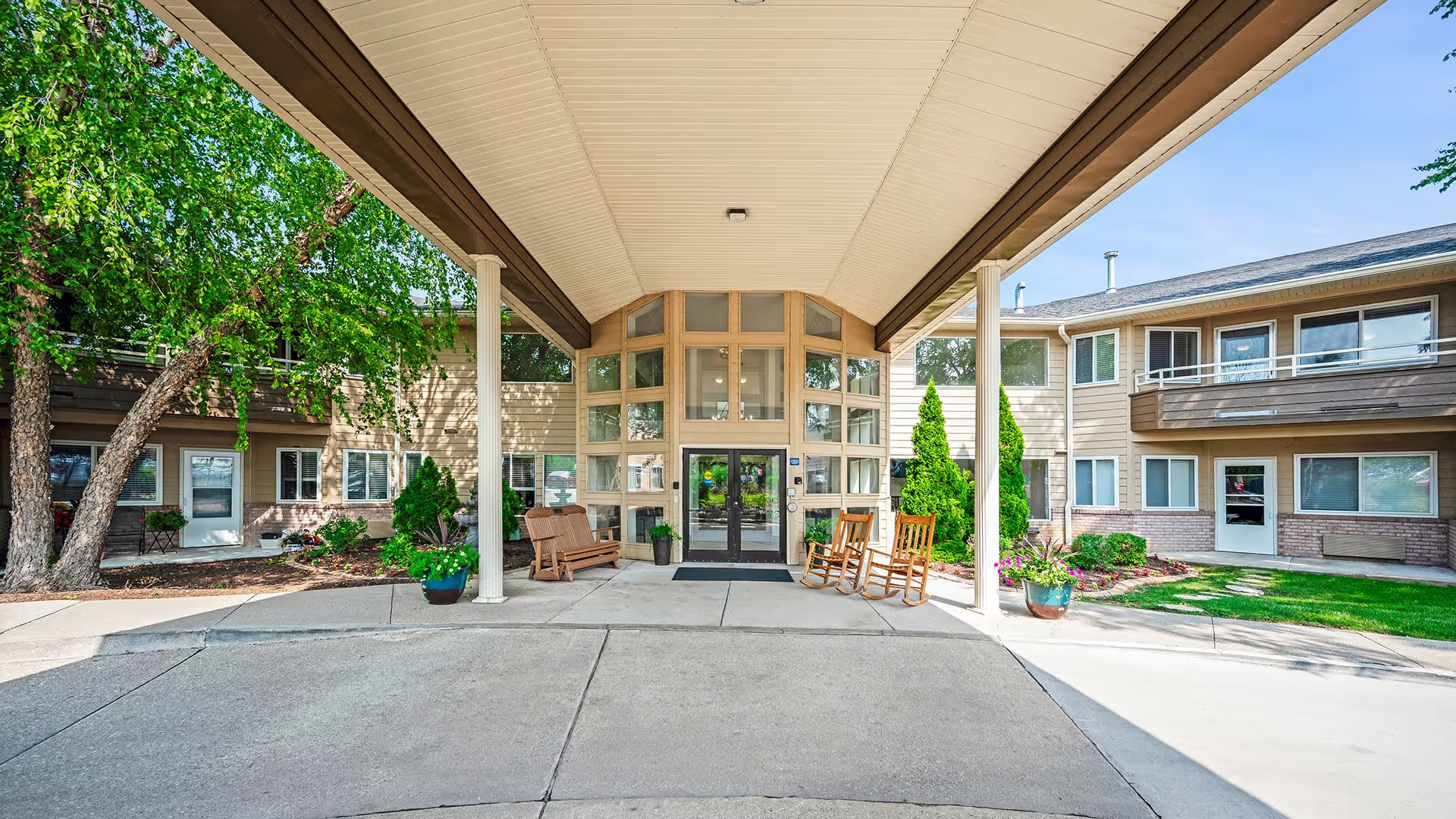
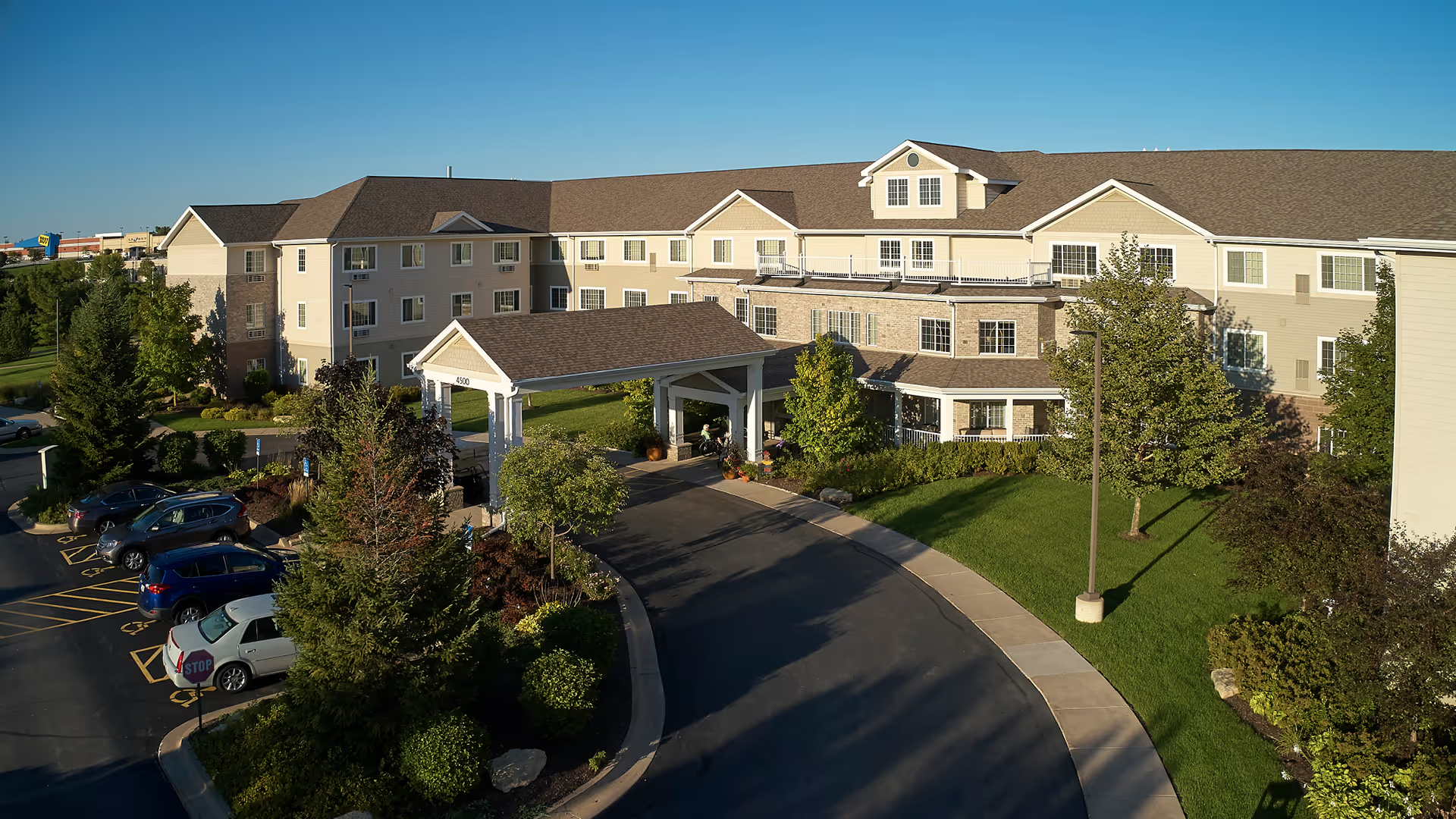
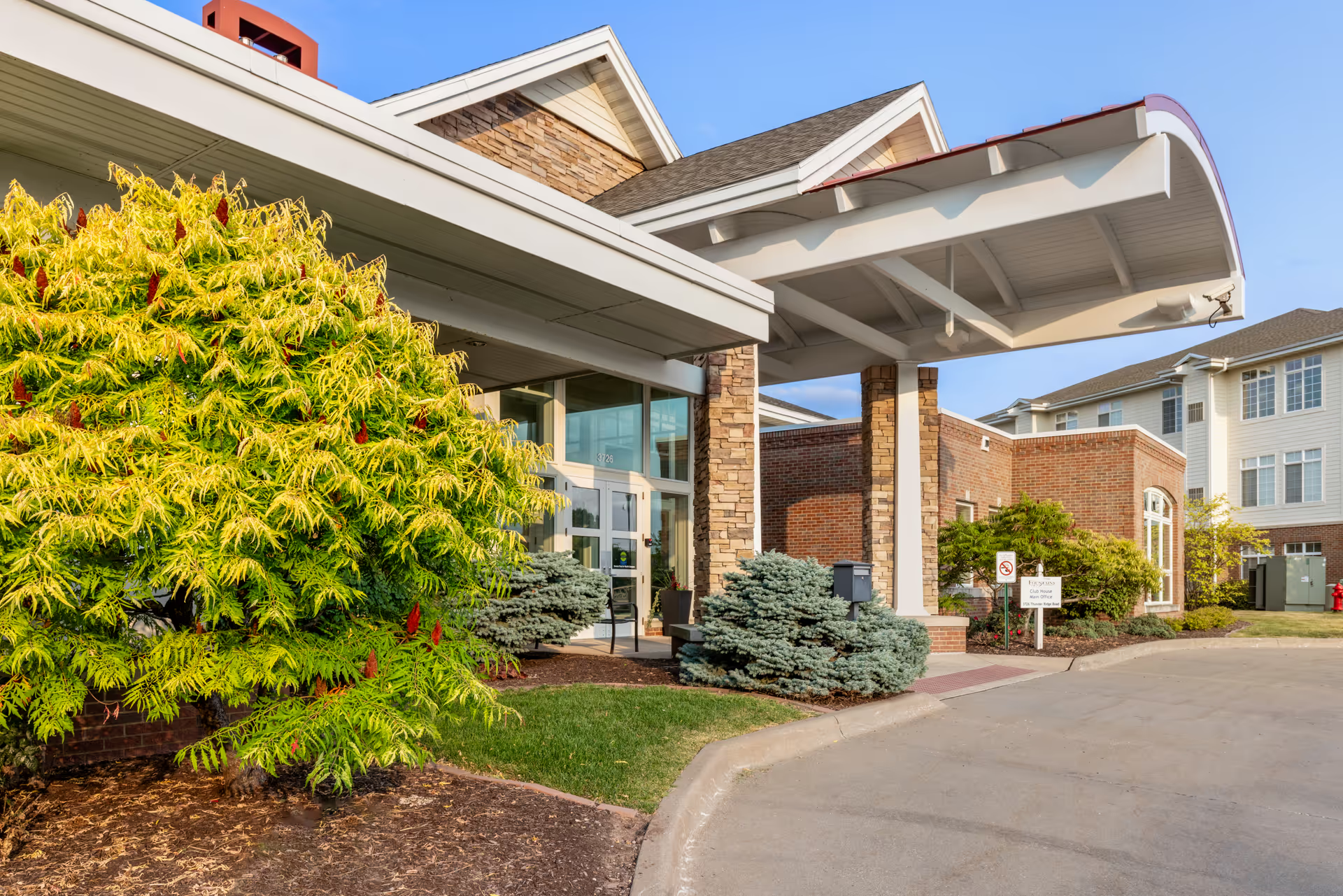
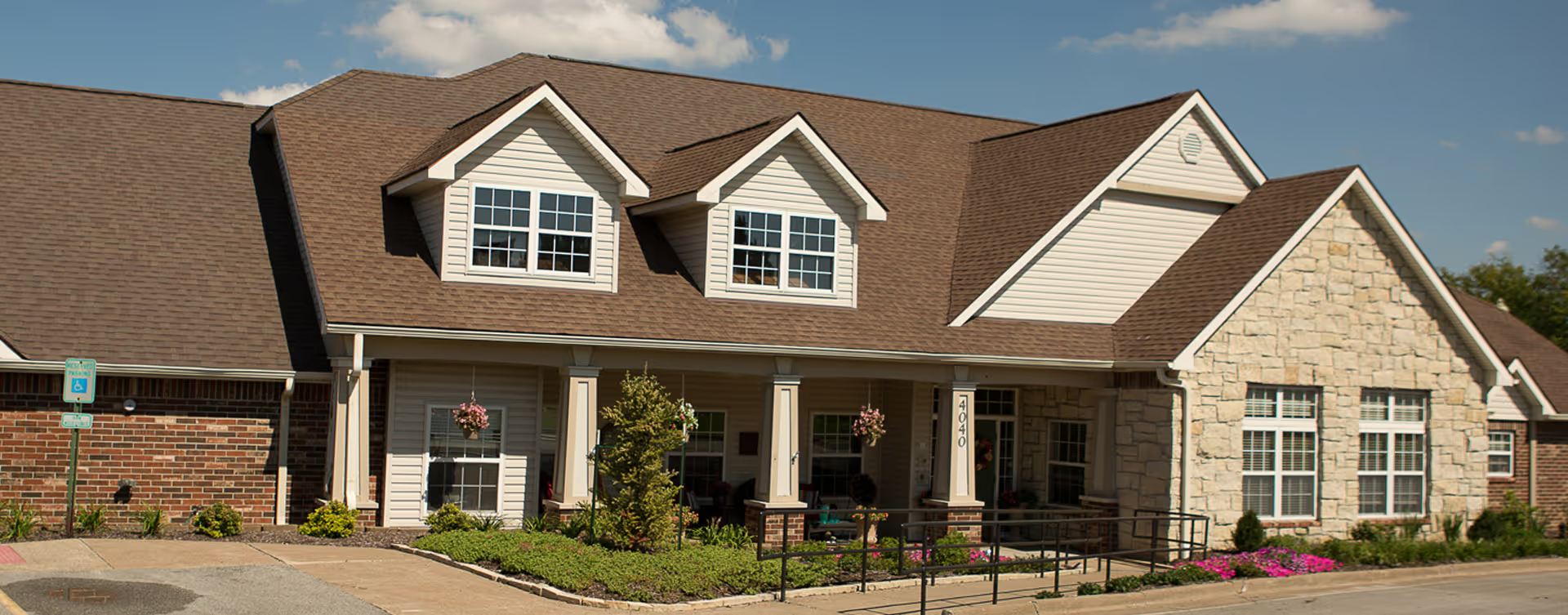
Reviewers present a mixed but actionable picture of Bickford of Moline. Many families praised the staff for being friendly, knowledgeable, and attentive; several descriptions emphasize a home-like, small-community feel with personalized attention. Common positives include well-kept common areas, a pleasant interior, an outdoor courtyard, pet-friendly policies, an active activities calendar with outings, and meal service that offers multiple options throughout the day. The facility’s size (about 20–25 residents in memory units mentioned) contributes to an intimate environment that some families found ideal.
Care quality shows variability. Multiple reviewers praised individual caregivers and described supportive, present staff and good day-to-day assistance; however, a subset of accounts raised significant concerns about dementia care practices and responsiveness to changing clinical needs. There are also concerns about sanitation and incontinence-care consistency and about fall risk and transfer-safety practices. A few reviewers described transitions to hospice or end-of-life situations that prompted questions about clinical oversight and the facility’s incident-response processes; these underscore the importance of clarifying dementia-care protocols and escalation pathways before move-in.
Staffing and interpersonal interactions are frequently cited as strengths: reviewers used terms such as caring, patient, and helpful, and several noted staff learning sign language and making individualized accommodations. At the same time, there are reports of variable responsiveness and service consistency, suggesting that staffing levels or task prioritization may fluctuate. Families who emphasized positive experiences often pointed to specific caregivers or managers who were particularly effective.
Dining and activities are generally seen as positive features. Reviewers commonly refer to three meals daily, a main dining room with varied choices, an activities calendar, outings, and opportunities for social engagement. Some residents and families wished for larger in-unit kitchenettes or refrigerators; limited in-room appliances and small room sizes were noted as practical constraints for those expecting larger apartments.
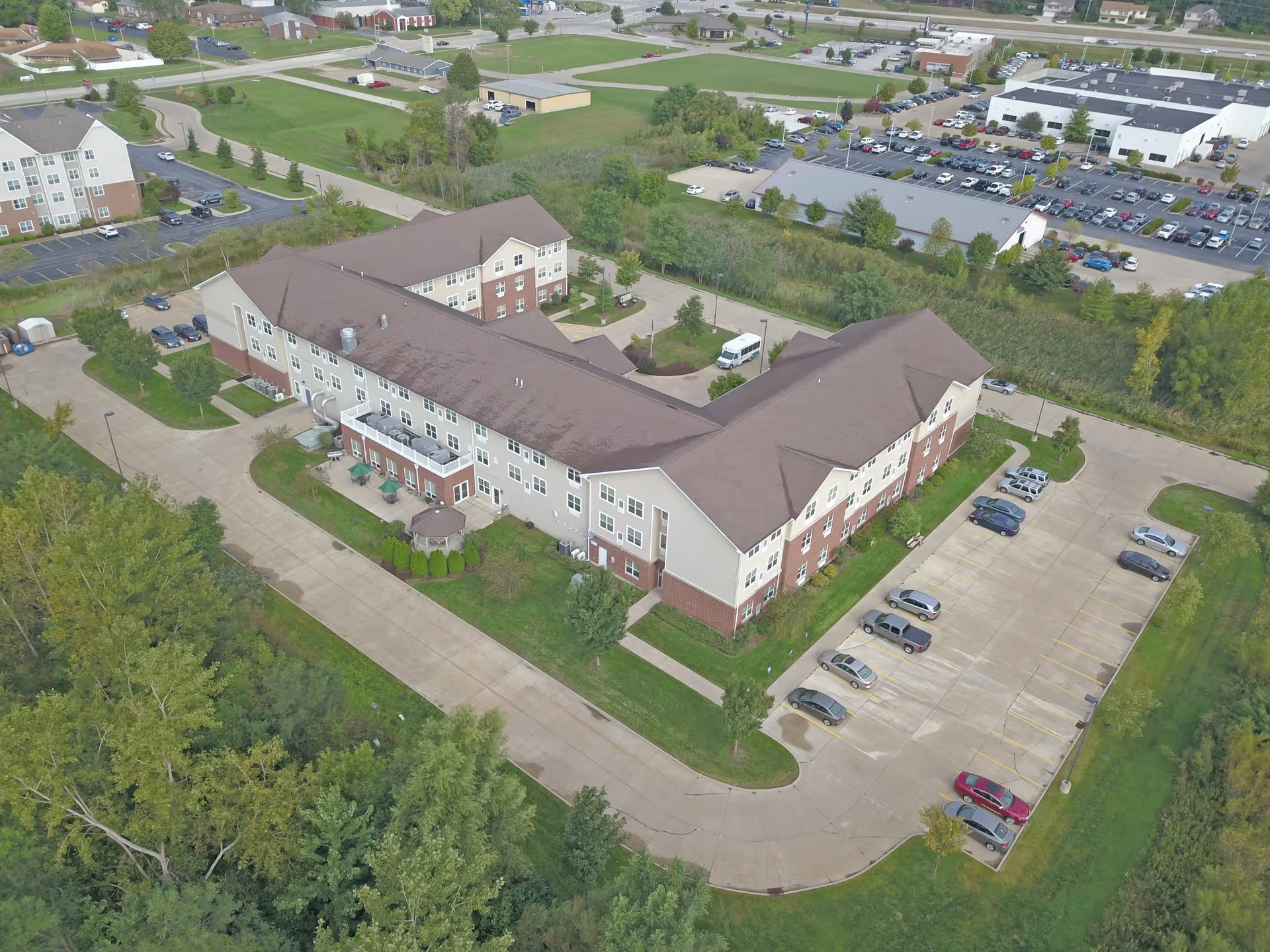
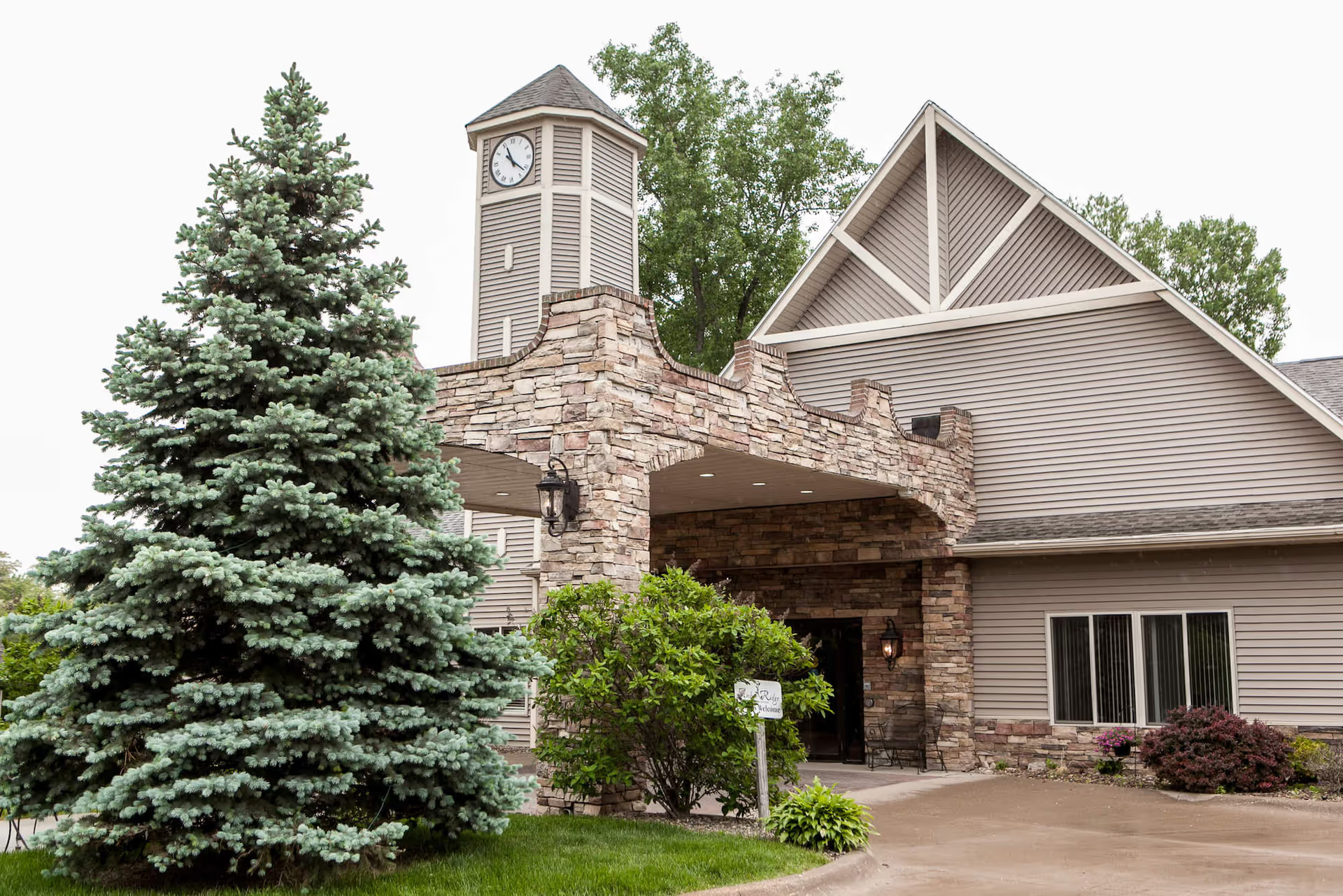
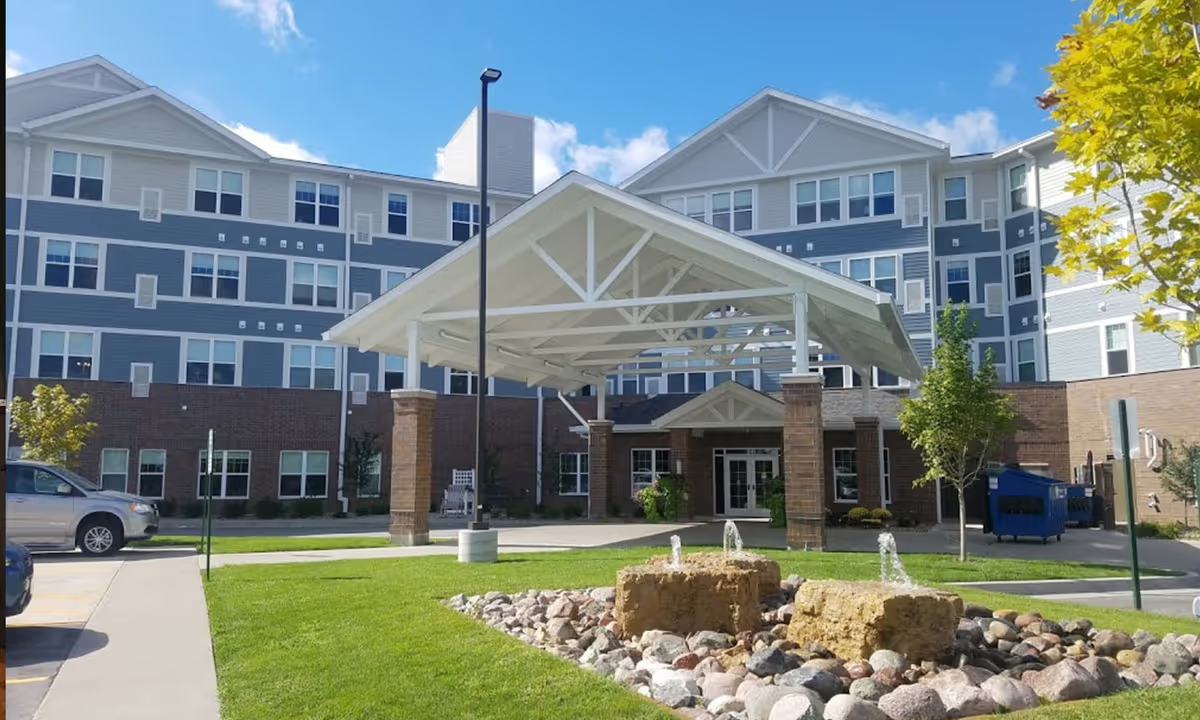
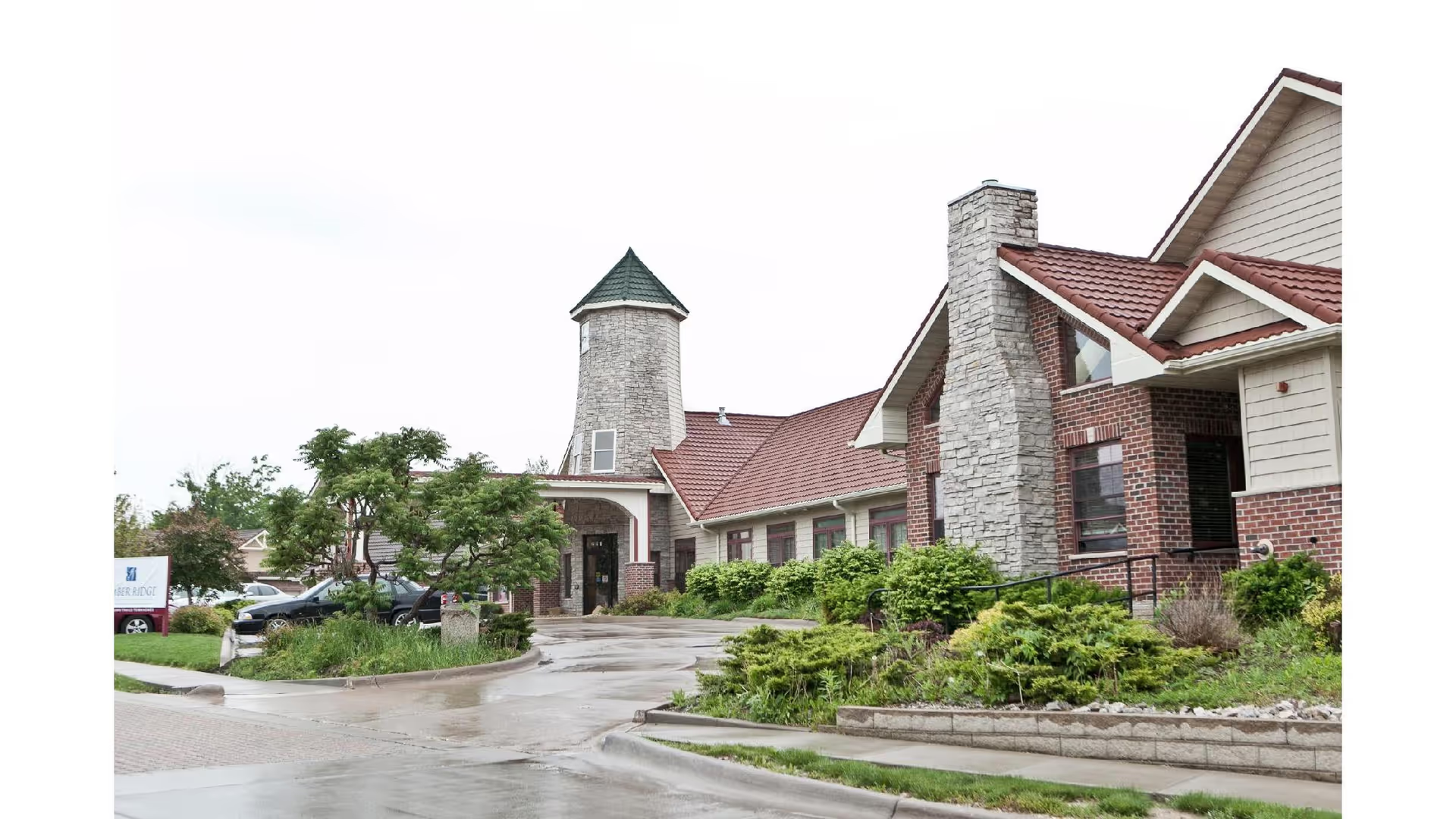
Facility condition receives mixed comments. Many reviews describe clean, well-maintained common spaces and tidy grounds; several reviewers highlighted attractive decor and a pleasant courtyard. Conversely, others raised operational facility concerns such as delayed maintenance responses (including bathroom and leak issues) and safety hazards related to wet floors and building repairs. These contrasting impressions indicate that maintenance and environmental-management performance may be inconsistent.
Management and administrative practices show recurring issues in reviewer accounts. Several families described billing and invoicing errors, price adjustments after move-in, and difficulties obtaining clear final statements or credits. Communication from management about clinical incidents and billing appears to be a pain point for some families, while others found administrators responsive and helpful. There are also a few comments suggesting potential bias in posted reviews, which some readers may wish to consider when weighing online ratings.
Advice for prospective residents and families: arrange a detailed tour that includes memory-care areas, ask for written dementia-care protocols and examples of recent clinical-incident responses, request typical staffing ratios and shift continuity information, review sample invoices and ask how billing disputes are handled, and confirm maintenance-response timeframes. Given the facility’s small size and strengths in personalized care, it may be a good fit for families prioritizing a home-like atmosphere — but verify dementia-care procedures and financial/maintenance practices before committing.