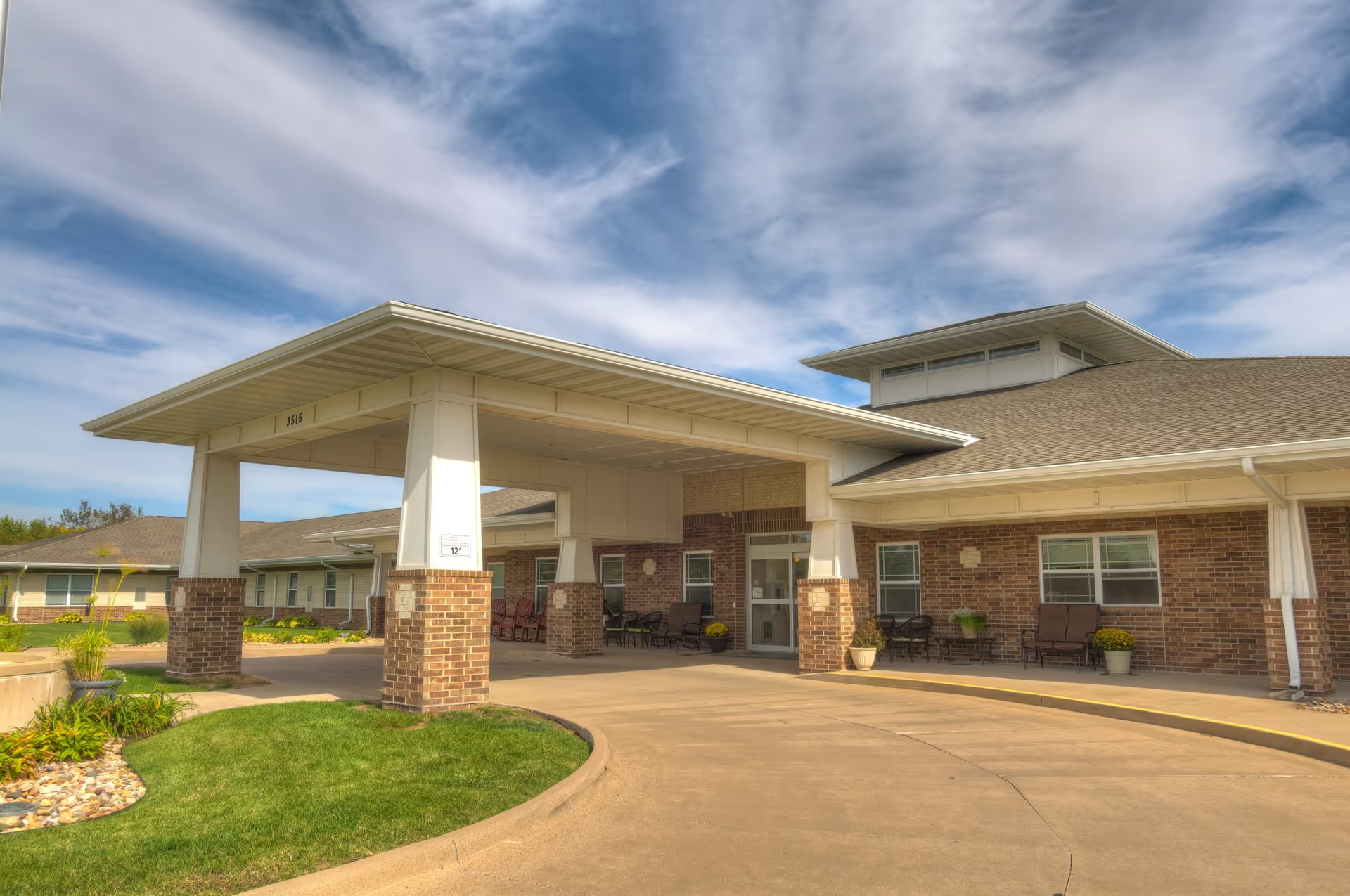
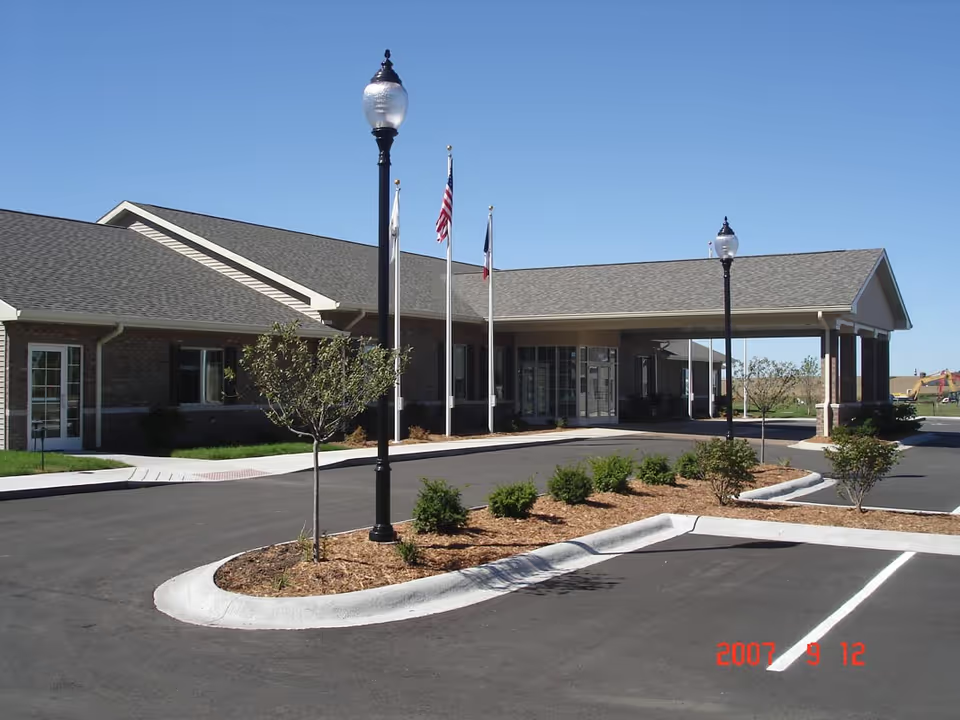
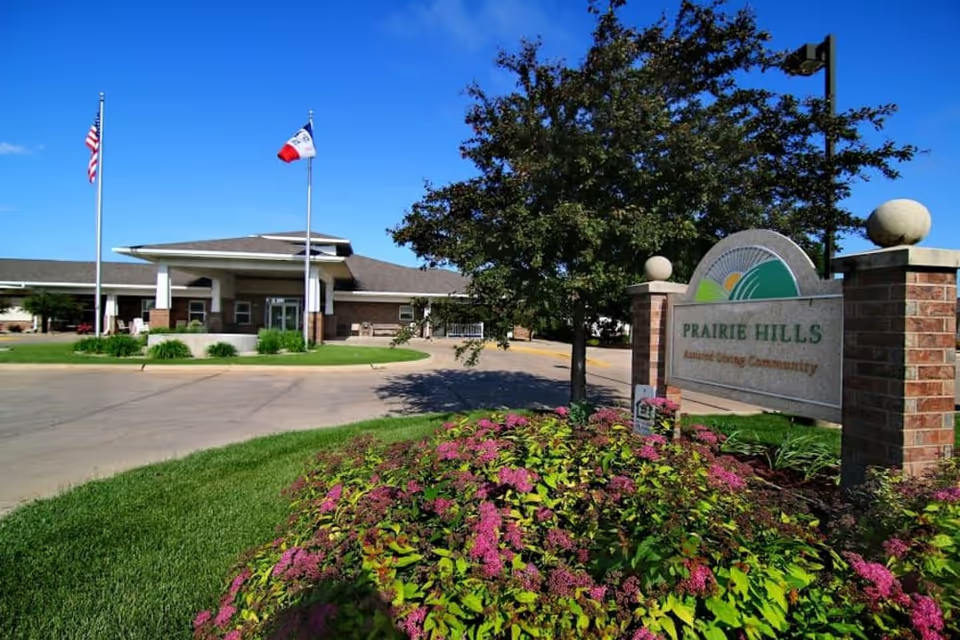
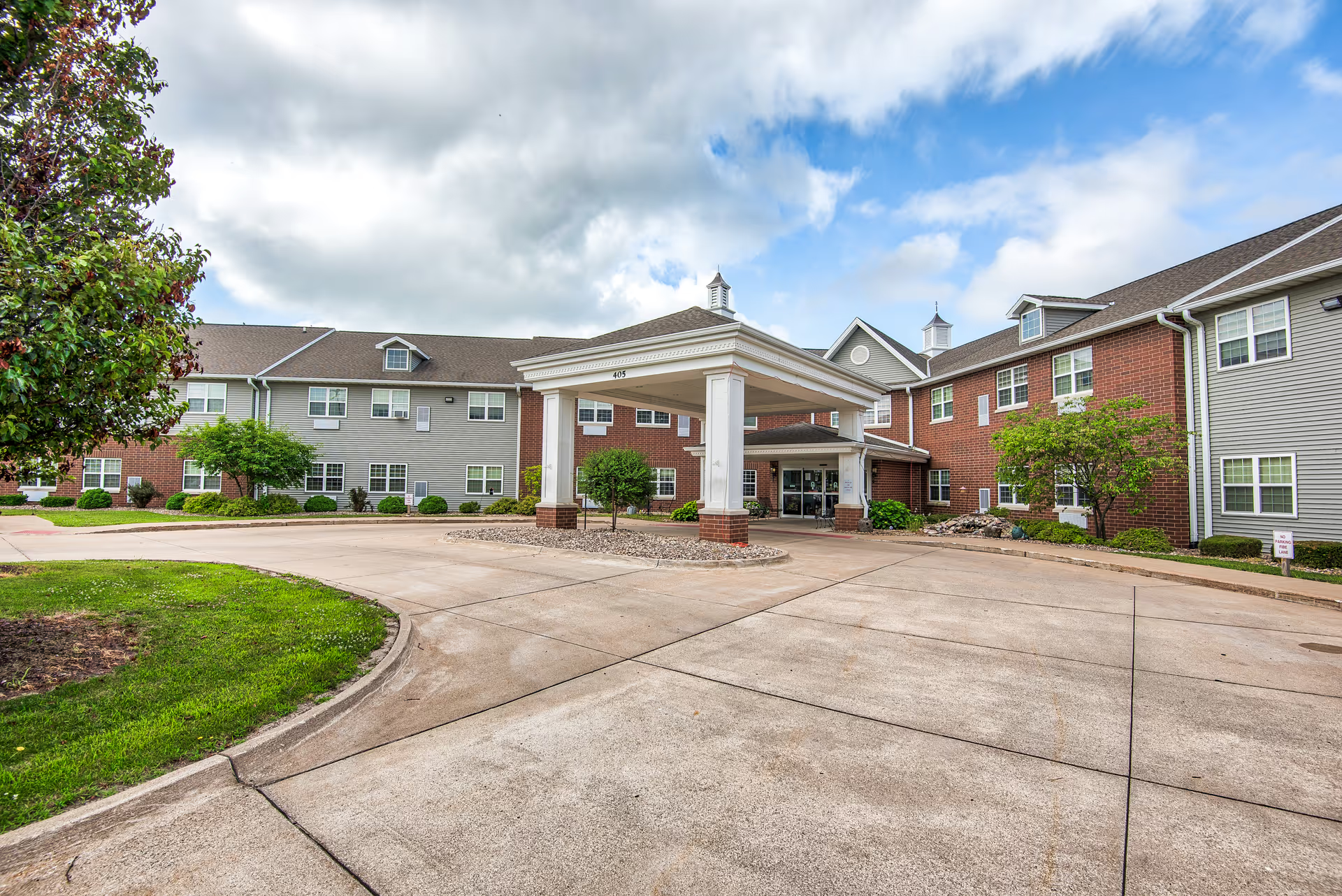
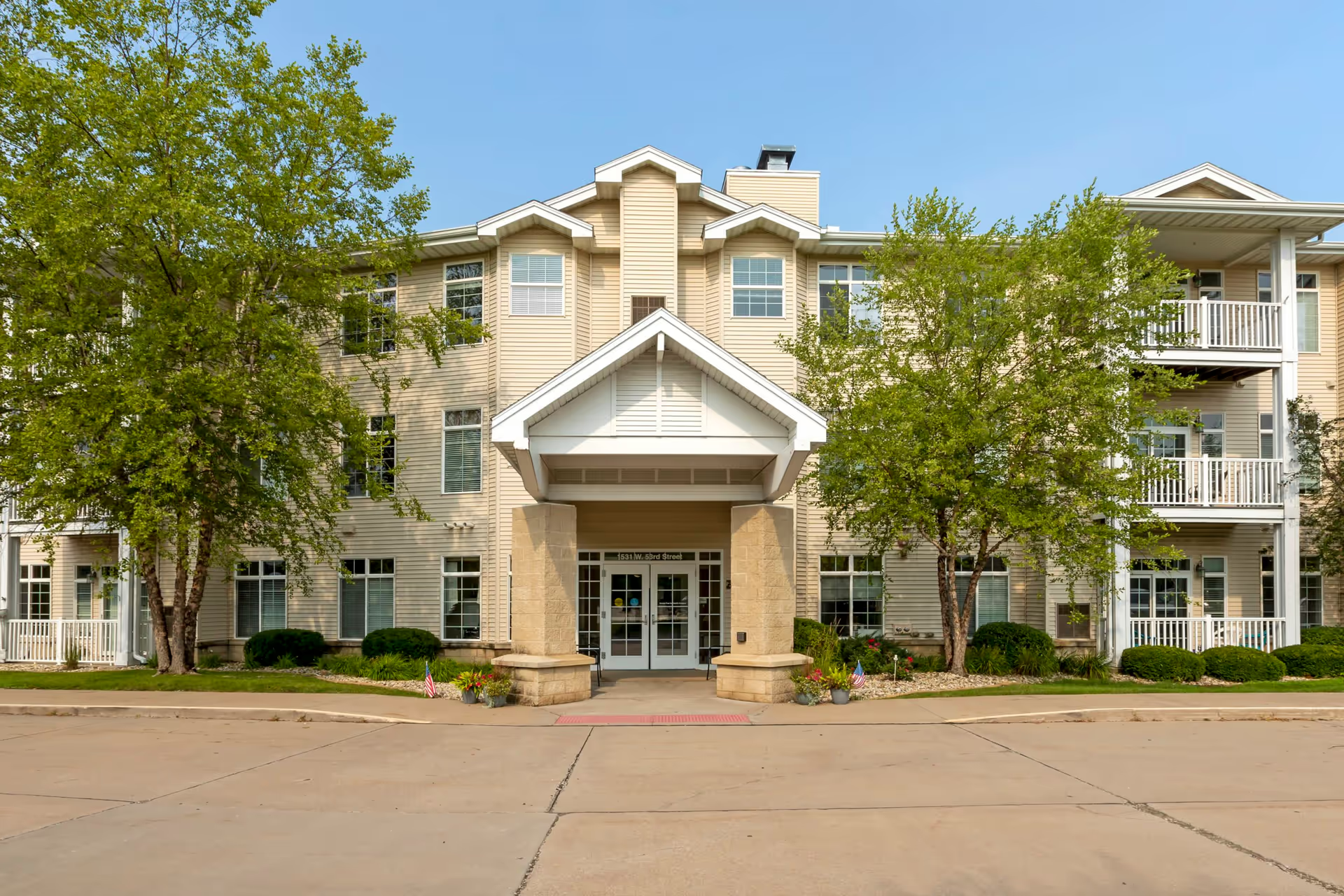
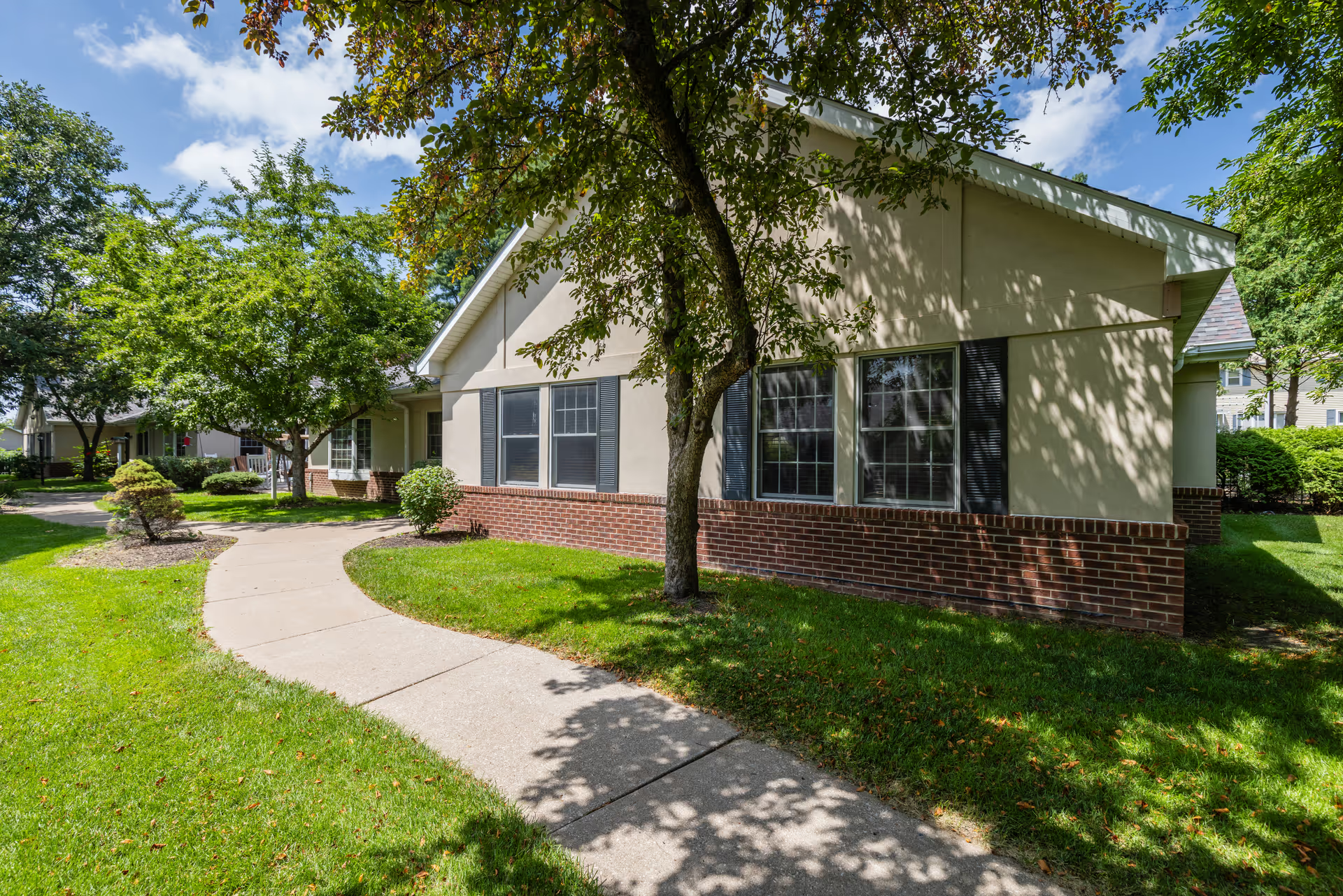
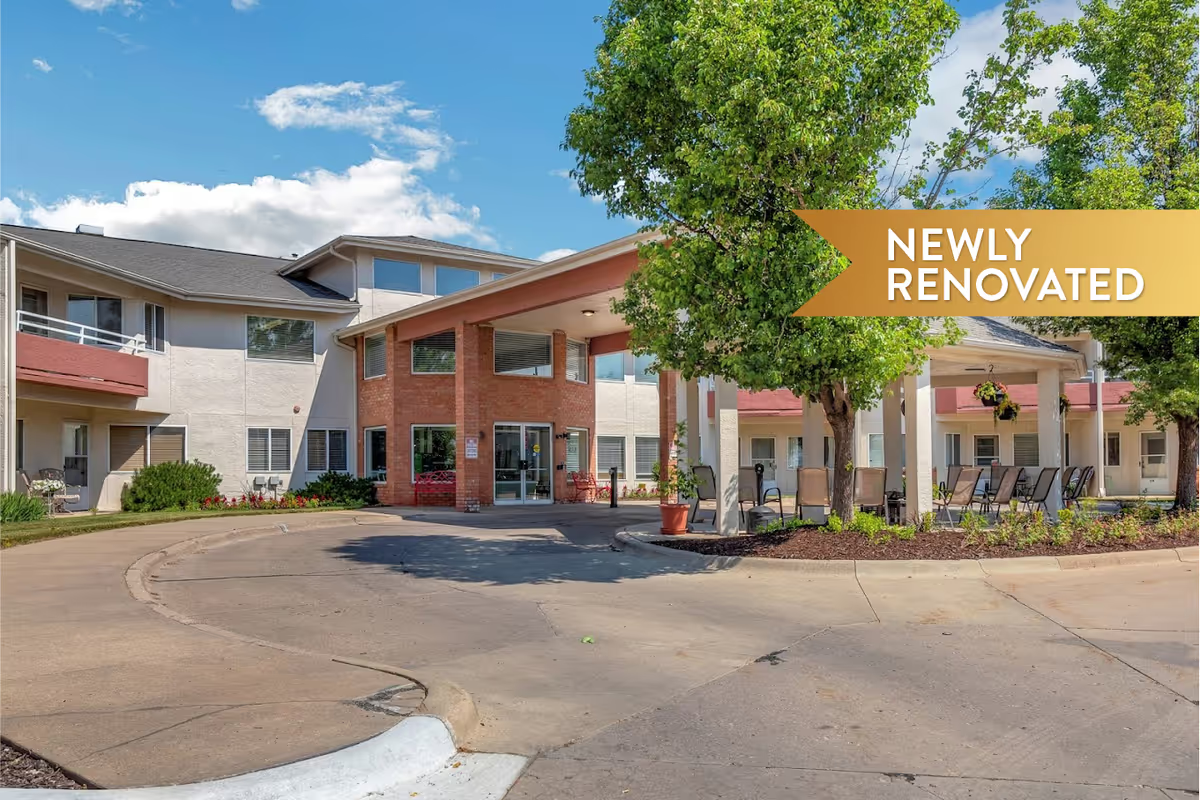
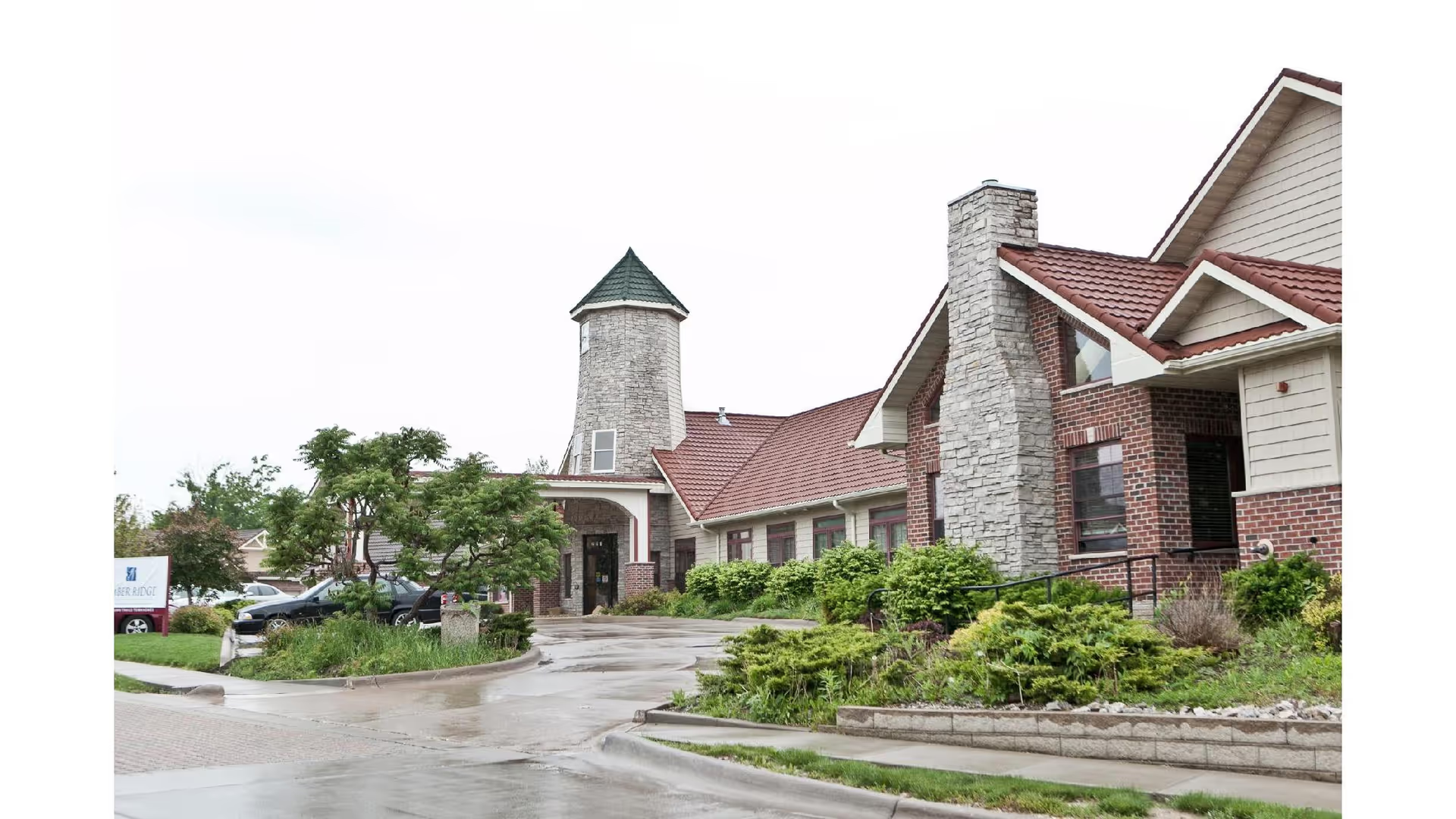
Reviewers express a mixed but clear pattern: many families and residents describe kind, attentive caregivers and competent nursing staff who communicate proactively about medications and encourage resident mobility. The facility's physical environment is frequently praised — clean, newer private and studio-style rooms, spacious dining and communal areas, and an airy layout with a stage/screen that supports programming. Several accounts note an accommodating dining team and helpful dietitians, and some reviewers describe positive leadership engagement and visible improvement efforts from administration.
At the same time, multiple operational weaknesses recur across reviews. Staffing levels and responsiveness are uneven, producing delays in assistance and family concerns about how quickly staff attend to residents. Related clinical-safety gaps are suggested by accounts of inadequate supervision during transfers and lapses in oxygen/medication handling; these point to systemic weaknesses in shift coverage, handoffs, or supervision rather than isolated interpersonal problems. There are also sanitation and food-tray handling inconsistencies that merit attention to food-service and housekeeping protocols. One review referenced concerns following a resident's death, which highlights the importance of robust end-of-life procedures and family communication.
Dining and activities are described inconsistently. While some guests praise the food, café service, and an accommodating dietary team, others found menu choices limited (including the café closure) or disliked certain meals. Activity programming appears active and engaging at times but lacks consistency, particularly for daytime offerings; reviewers recommend more frequent daytime activities and predictable schedules. Facility-maintenance issues were also mentioned — intermittent utility or lighting outages and at least one period without hot water — indicating areas where infrastructure reliability could be strengthened.
Management impressions are mixed: some reviewers commend an engaged director and visible improvements, while others point to variable staff quality, requests for retraining, and a workplace culture that could hinder consistent care delivery. A few reviewers described the facility as clean but somewhat institutional or hospital-like rather than homelike, which may matter for residents prioritizing a warm residential feel.
For prospective residents and families, the pattern suggests a facility with clear strengths in compassionate direct care, physical space, and certain food-service elements, paired with operational risks tied to staffing consistency, clinical supervision, activity continuity, and maintenance reliability. When touring or evaluating placement, it would be prudent to ask about current staffing ratios and turnover, incident-response and transfer protocols (including oxygen/medication handling), housekeeping and tray procedures, activity schedules, recent infrastructure repairs, and specific examples of leadership actions taken to address training and culture.