The reviews present a mixed but distinct pattern: many families emphasize warm, family-style caregiving and strong clinical leadership, while other accounts raise operational concerns about responsiveness, communication, and policies. Positive comments highlight individualized rehabilitation planning, engaged nursing leadership, and hands-on caregivers who create a supportive environment for residents. These strengths are reflected in praise for specific staff roles (admissions/social work, Director of Nursing, CNAs, dietary and housekeeping) and by families who say the facility provided peace of mind and justified long travel distances.
Care and staffing: Multiple reviewers described compassionate, resident-focused care from CNAs, aides, and nursing leadership, with specific praise for coordinated rehab planning and staff who know residents well. At the same time, other reviewers described slower response times to call lights and variability in clinical-staff demeanor and professionalism. This suggests an overall culture of caring that is punctuated by inconsistent responsiveness and occasional lapses in frontline performance. Prospective families should ask about current staffing ratios, typical response-time metrics, and how the facility monitors and addresses variability in staff conduct.
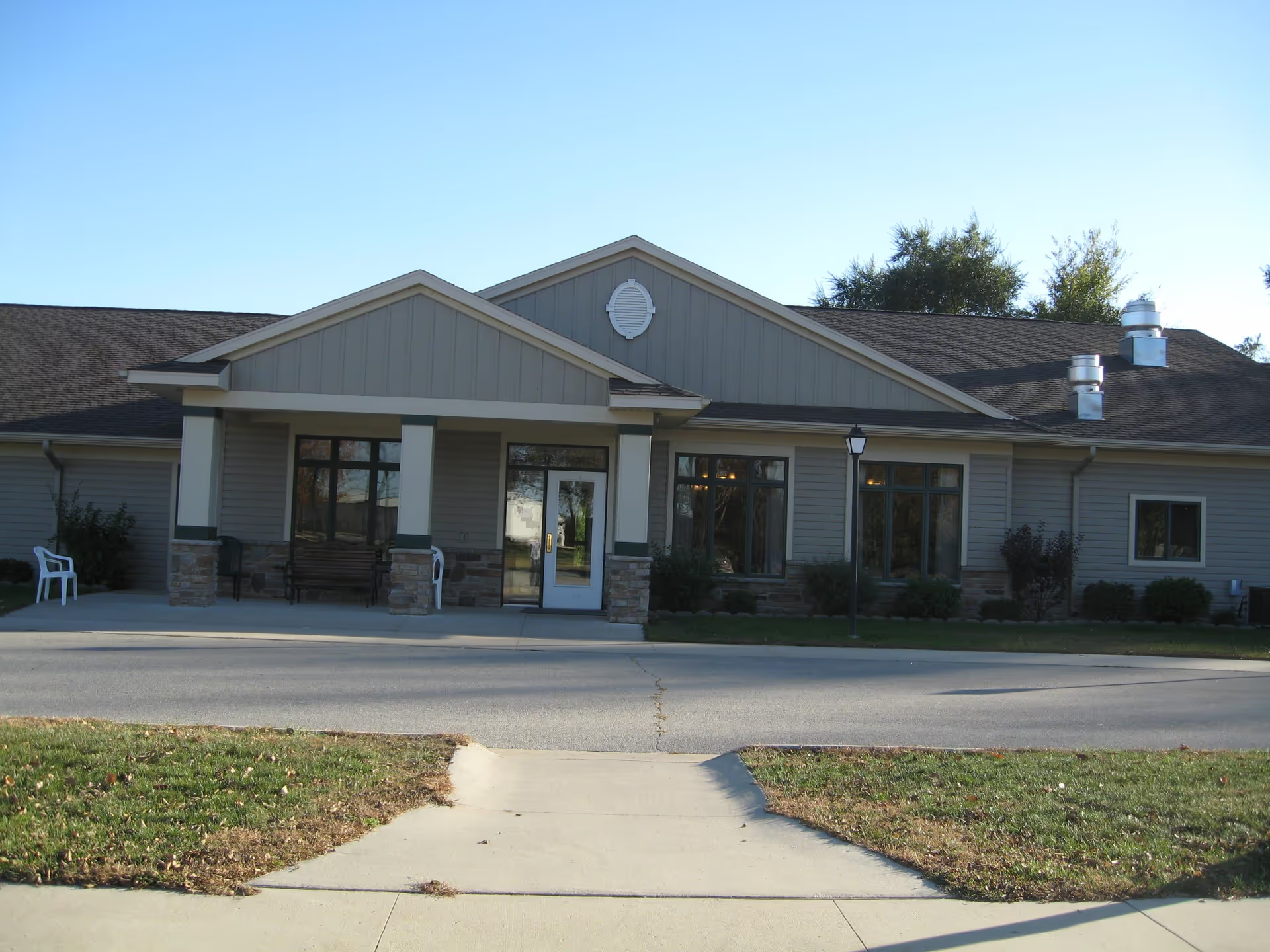
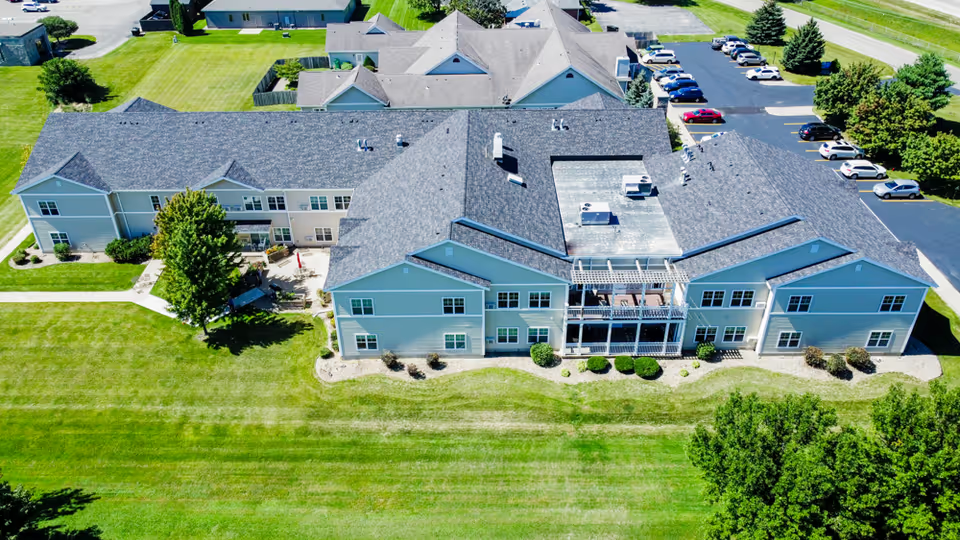
Dining, housekeeping, and facilities: The dietary team and food quality received positive mention, with food-service staff noted for attentiveness. Housekeeping was also noted for engaging with residents. Conversely, a subset of reviewers raised sanitation and facility-safety concerns; these comments indicate the need to verify cleanliness protocols, infection-control practices, and environmental-safety checks during a visit. Private/single-room options are available, which some families valued.
Activities and policies: The facility is credited with an engaging activities program and a tight-knit workplace culture, which can support resident socialization and staff continuity. However, some reviewers described restrictive outing policies and limited off-site activity flexibility that affected residents’ ability to participate in external events. Families should clarify the facility’s outing policy, supervision requirements, and any conditions that limit off-site access.
Management and communication: Several positive notes describe a supportive admissions process and strong social-work coordination. Conversely, recurring themes include gaps in family communication, unprofessional phone handling, and at least one account of difficult vendor relations. These operational issues point to opportunities for improved family liaison processes, clearer communication protocols, and vendor-management oversight.
Notable patterns and recommendations: The overall picture is one of pronounced strengths in individualized care, strong nursing leadership, and an engaged dietary and activities program, offset by variable operational consistency—particularly in responsiveness, therapy experience, and communication. When evaluating this facility, prospective residents and families should tour the unit, meet the Director of Nursing and social-work staff, review call-response policies and therapy plans, ask for recent quality/inspection metrics, and request references from current families. These steps will help determine whether the facility’s strong relational culture aligns with required levels of reliability and safety.