The reviews present a mixed picture: several commenters praise the demeanor and responsiveness of frontline staff, noting courteous, helpful interactions and timely assistance when requests are made. At the same time, the pattern of criticisms raises operational concerns that prospective residents and families should evaluate closely.
Care quality appears uneven. Positive interpersonal interactions coexist with descriptions of inconsistent clinical practices, notably around pain control and medication management. Families also expressed ongoing worry about continuity of care and about whether designated decision-makers (durable power of attorney) are consistently recognized and consulted. These items suggest gaps in clinical-protocol adherence and in processes that ensure care plans and legal directives are followed.
Staff-level comments are two-sided: many reviewers characterize caregivers as friendly and helpful, yet there are recurring concerns about staff conduct, accountability, and training. Those concerns are operational rather than solely anecdotal — they point to weaknesses in supervision, incident follow-up, and staff performance management that can affect both clinical outcomes and family trust.
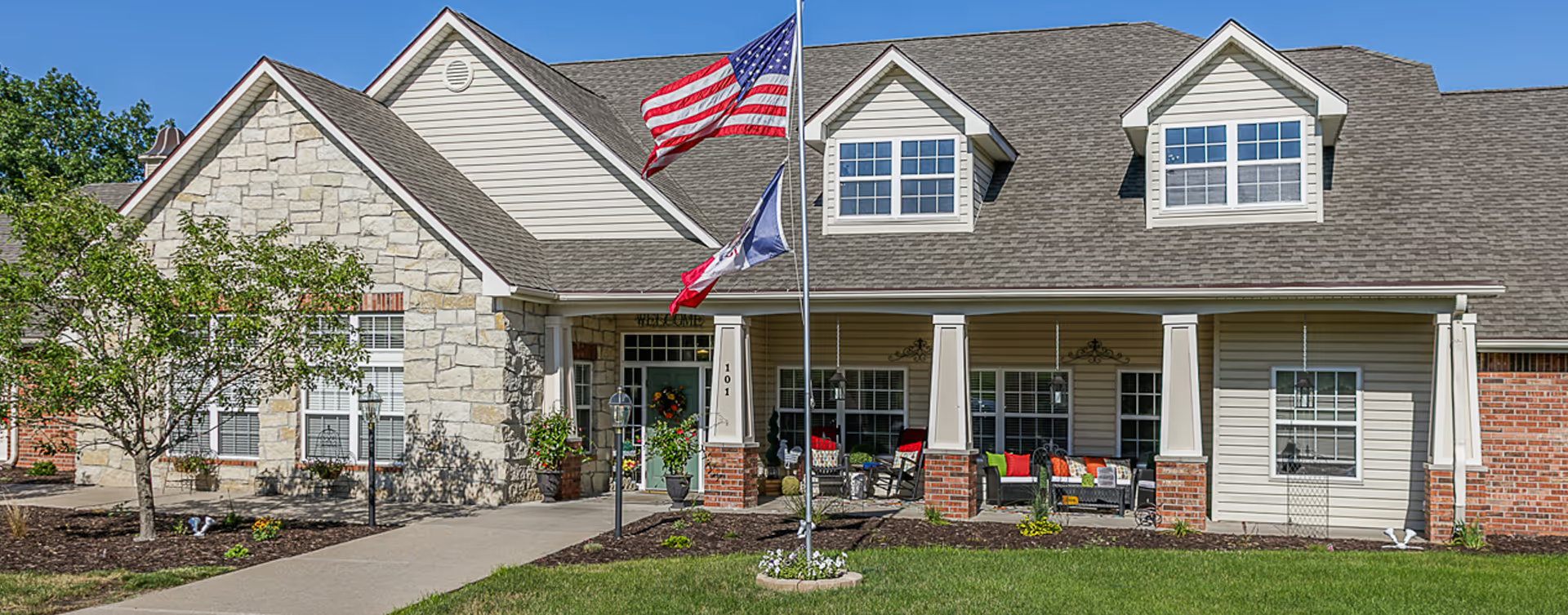
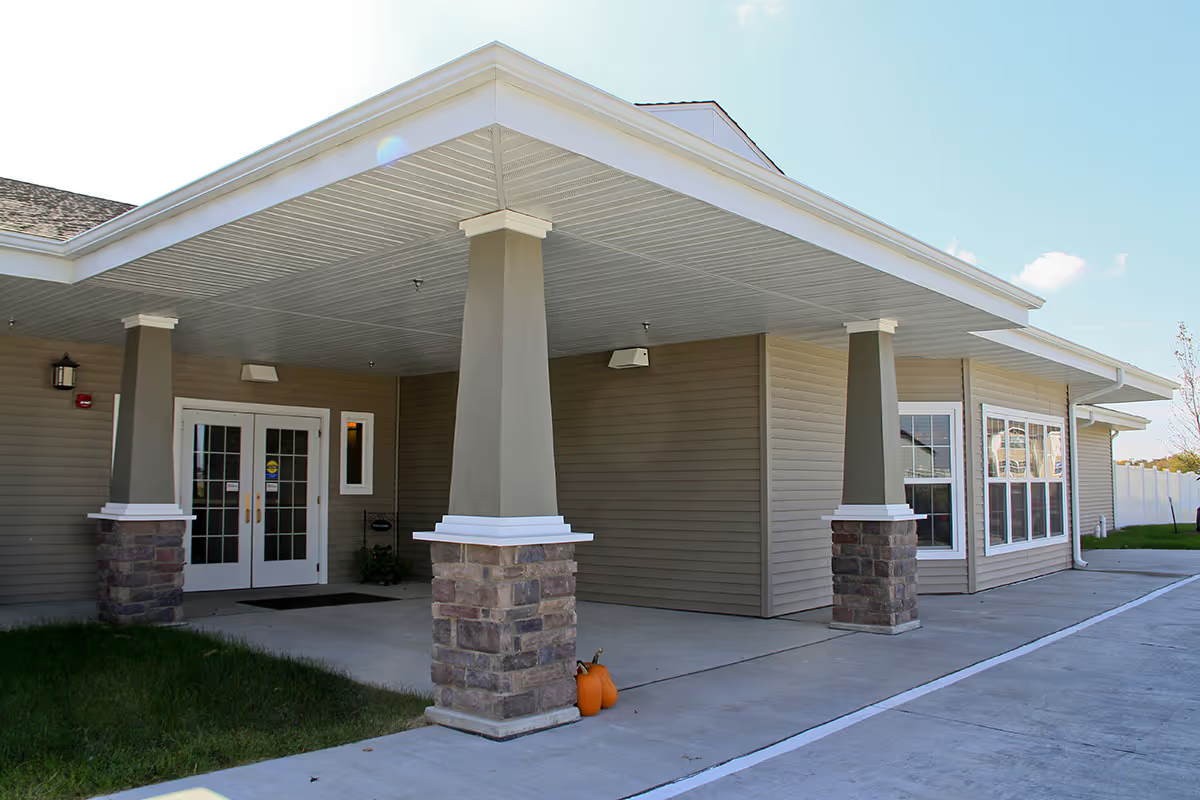
Reviews contain several facility-related observations indicating maintenance and sanitation issues. Specific operational themes include lapses in room and common-area cleanliness, pest-control shortcomings, floor and housekeeping maintenance gaps, cramped or undersized resident rooms, and problems with laundry and personal-property handling. These items indicate weaknesses in environmental services, inventory controls, and property-management workflows.
There is limited information about dining and activities in the available summaries. Neither consistently positive nor detailed negative statements about meal quality, menu variety, or programming were provided; prospective families should ask for sample menus, activity schedules, and the opportunity to observe or participate in an activities session during a tour.
Management and compliance concerns emerge in the reviews as well. Reviewers cite difficulties getting issues resolved, perceived inaction on missing items or care complaints, and explicit concerns about licensing or regulatory status. Together these suggest potential gaps in executive oversight, incident escalation procedures, and regulatory communication.
Notable patterns for families to review during a visit: inspect room size and cleanliness, observe common areas for housekeeping and pest-control measures, ask for documentation of medication-management and pain-control protocols, review the facility’s policies on honoring advance directives and DPOA communications, inquire about laundry/property-loss procedures, and request recent inspection or licensing records. Asking about staff training, supervision, turnover, and formal incident-response processes will help clarify whether the positive aspects of staff demeanor are supported by reliable operational systems.