Feedback is predominantly positive, especially about cleanliness, staff approachability, and the way residents are treated. Families and visitors describe residents as happy and engaged, and some family members report satisfaction with care over extended stays. Nursing students also provide many favorable observations, including attentive interactions and a supportive learning environment. However, one family account raises serious concerns about care before a hospitalization and end-of-life circumstances, including perceived health decline and difficulty obtaining updates. That account also describes concerns about personal-care routines and access to the resident’s room phone. A separate family reviewer reports a poor experience with staff courtesy.
Staff are frequently characterized as friendly, compassionate, professional, and familiar with residents’ individual personalities. Some reviewers say staff have time to check in and provide assistance, while a family member notes that staff can become busy and that additional coverage may be helpful at peak times. One detailed account also points to gaps in family communication and coordination with an outside specialist. These concerns contrast with other accounts describing attentive care and a smooth response to an emergency admission.
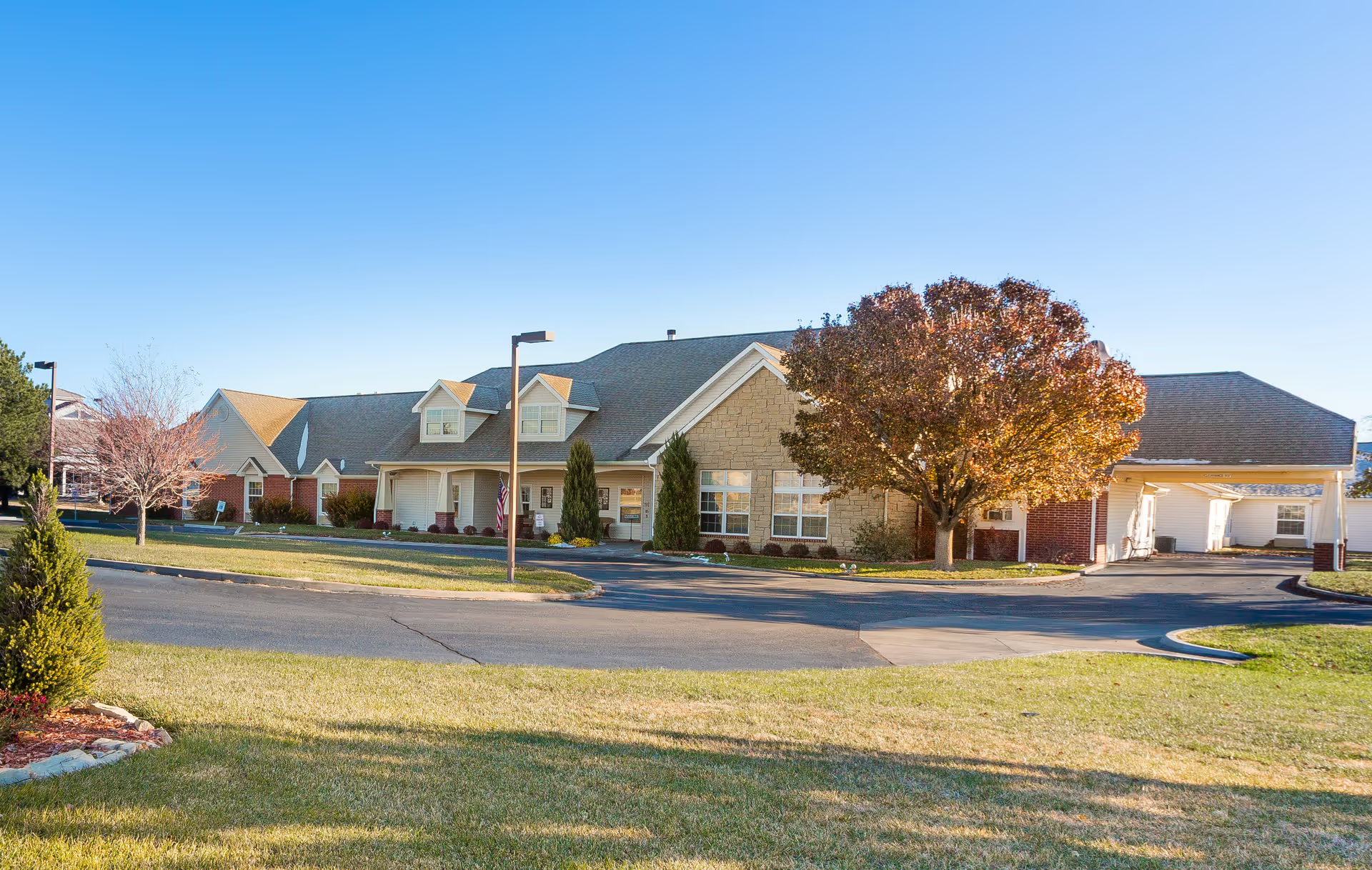
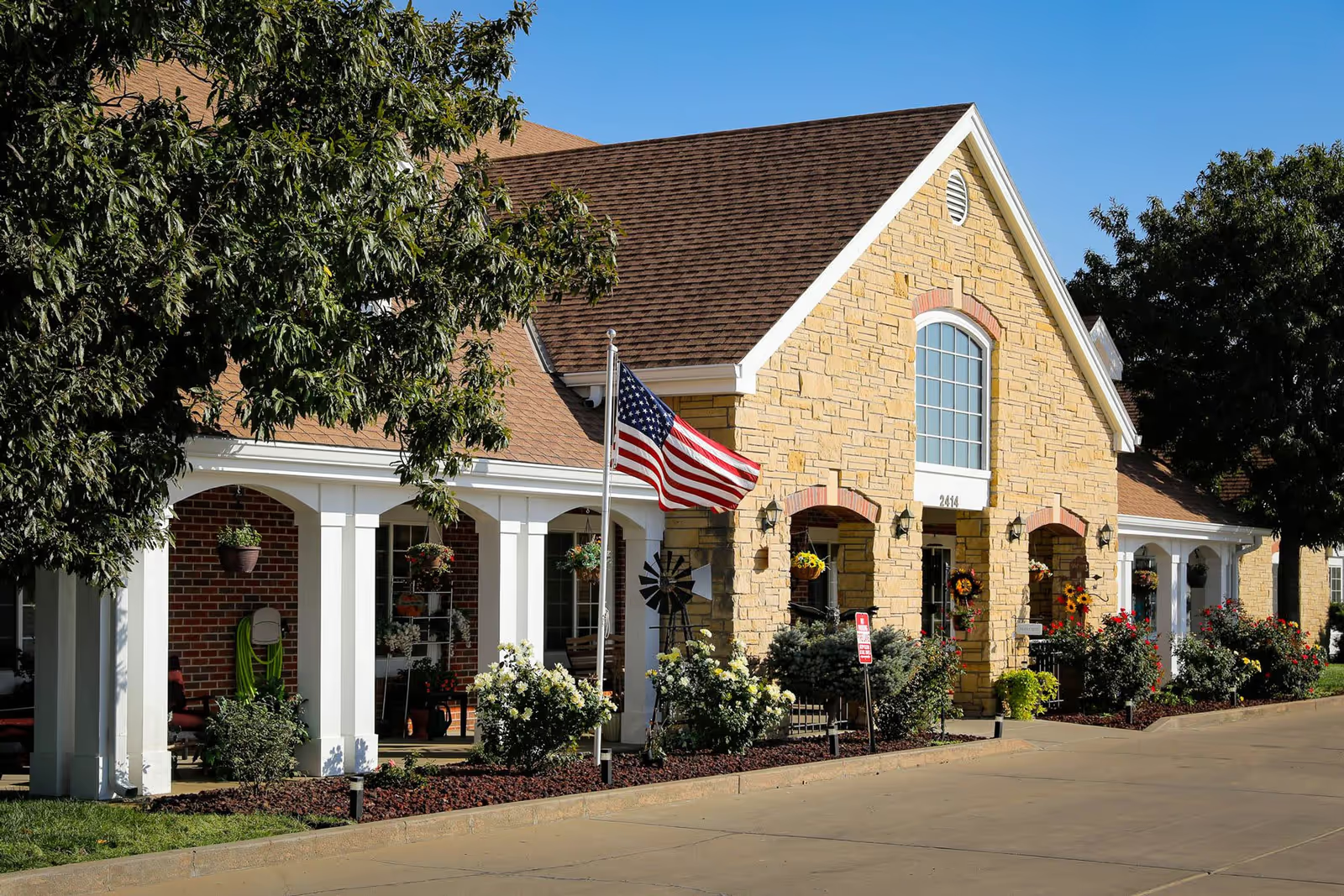
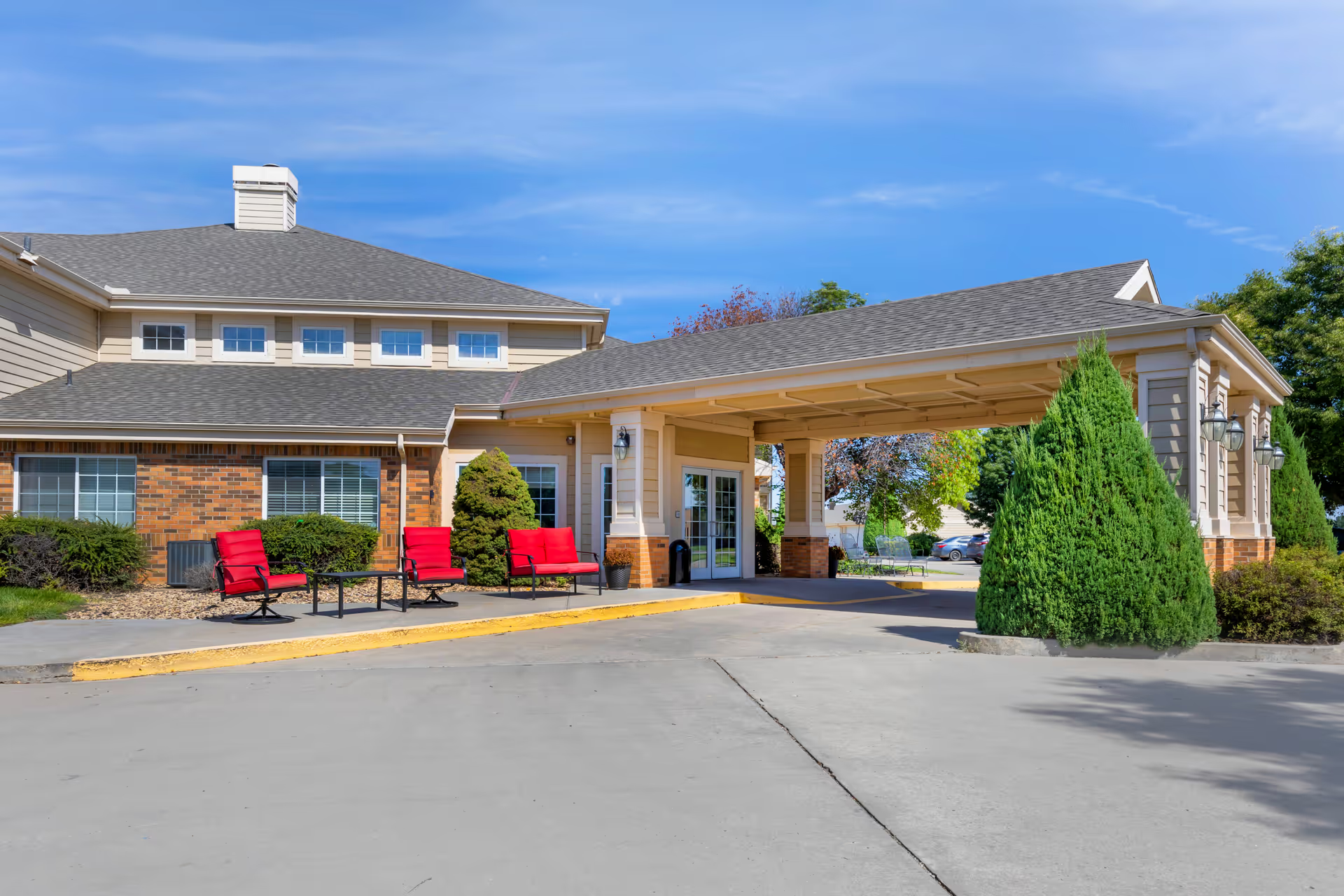
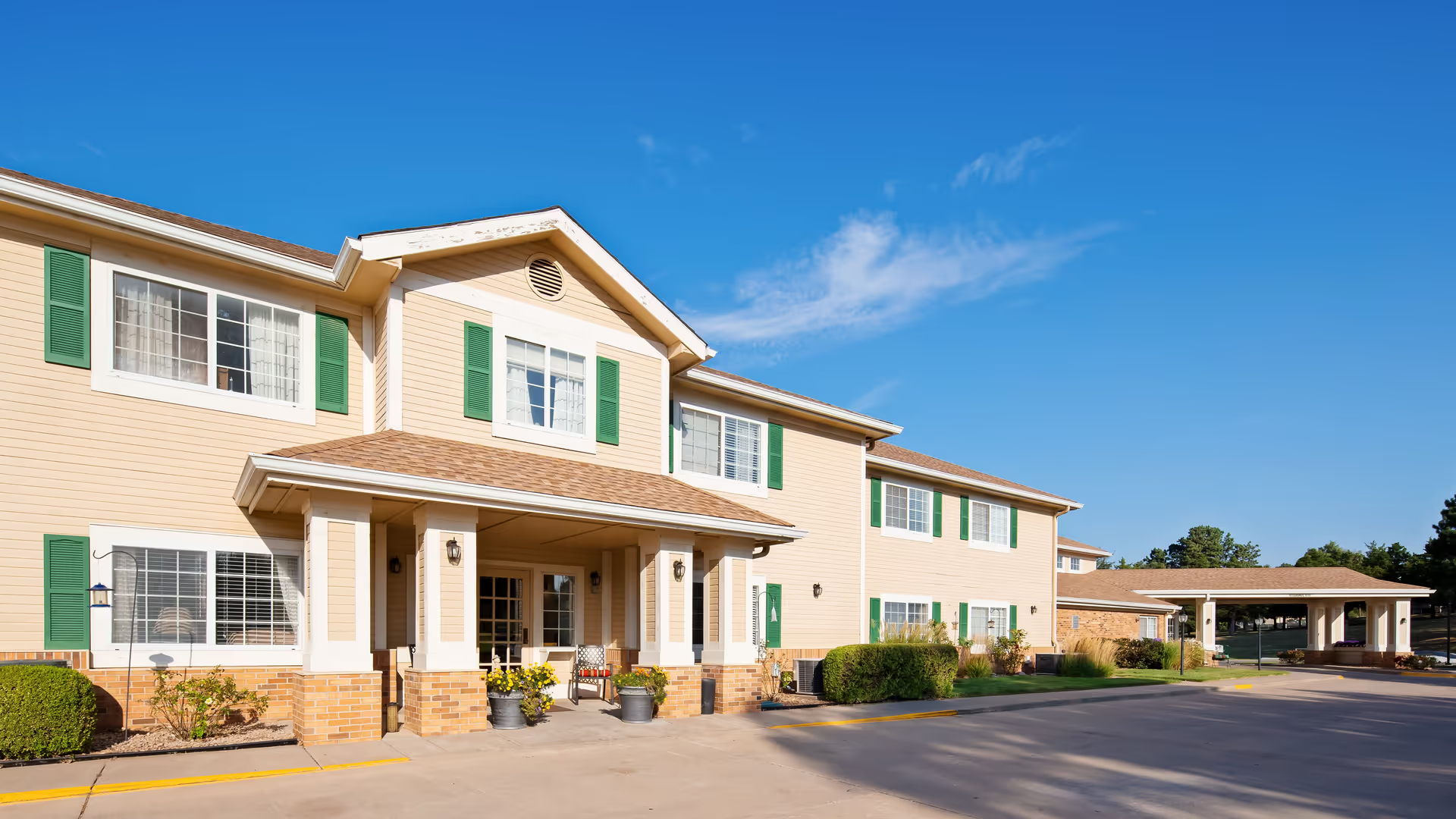
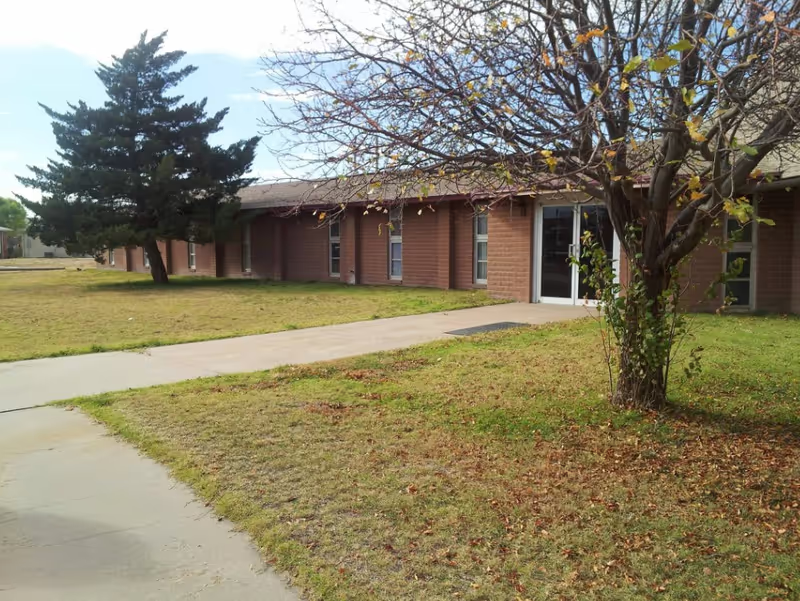
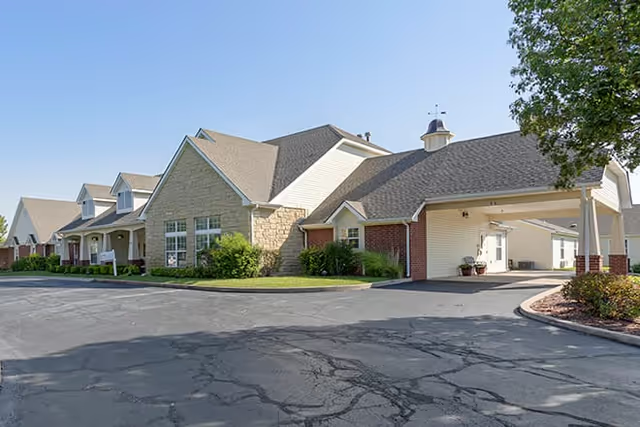
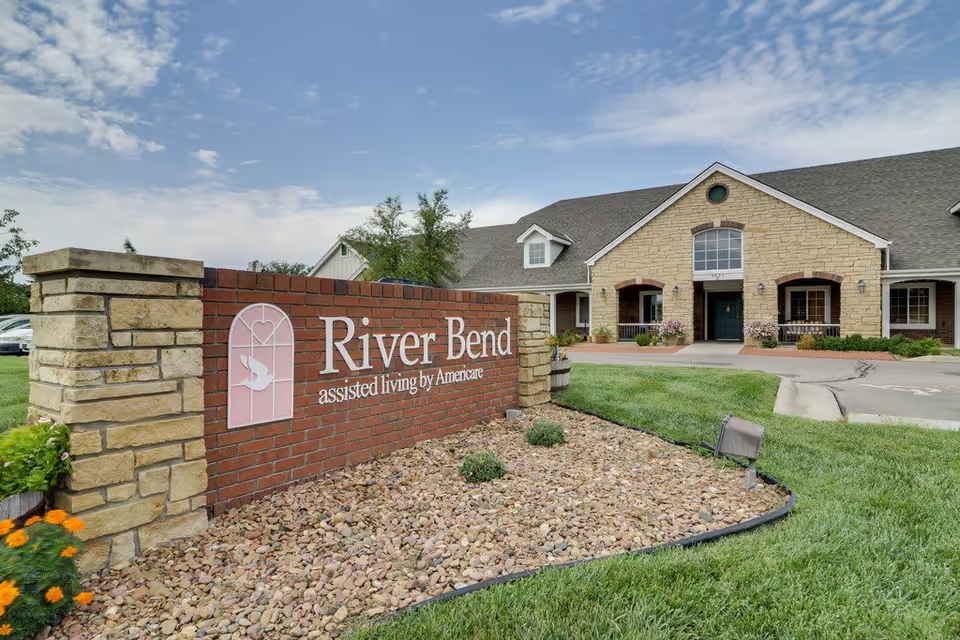
The facility’s cleanliness and upkeep are among its most consistent strengths. Visitors and students describe the building as clean and well-maintained, and several specifically praise housekeeping. Activities are another positive theme: reviewers describe varied opportunities for participation and an involved activities team. The therapy department is also described positively. Dining feedback is limited, but one visitor praised a barbecue, and another said meals looked appealing; the reviews do not provide enough detail to assess routine food quality or menu variety.
Management receives little direct evaluation. One family describes the emergency intake process as accommodating and efficient, while the concerns about family updates and clinical coordination suggest areas where communication processes may need attention. Overall, the feedback presents a largely favorable picture of the environment and day-to-day interactions, with important but limited negative accounts concerning communication, personal-care consistency, staffing pressure, and staff courtesy. Many positive comments come from students or visitors, so families may wish to ask about individualized care plans, update procedures, staffing coverage, and how concerns are escalated.