Kaw River Care & Rehabilitation receives a mix of strong positive impressions and concerning operational patterns. Many reviewers emphasize the facility’s strengths: a compassionate and attentive nursing team, demonstrated skilled-nursing capability, and a clean, odor-free environment with appealing aesthetics (for example, a recently refreshed dining room). Families describe a warm, small-community atmosphere where residents engage in activities such as gardening and clubs, and where on-site services like a nail station contribute to daily comfort and dignity. Several accounts note measurable improvements in resident wellbeing after stays, and some highlight effective leadership that has positively impacted the community.
Care quality and staff performance are described unevenly. Positive comments focus on staff who go above and beyond, dedicated caregiving, and clinical competence. At the same time, multiple reviewers indicate variability in responsiveness and attentiveness: delays in answering call lights, inconsistent assistance with basic needs, and occasional gaps in meal delivery. These operational inconsistencies appear linked in part to high staff turnover and staffing instability, which reviewers identify as a recurring challenge. There are also concerns about staff preparedness to address behavioral and mental-health needs, suggesting a need for targeted training in that area.
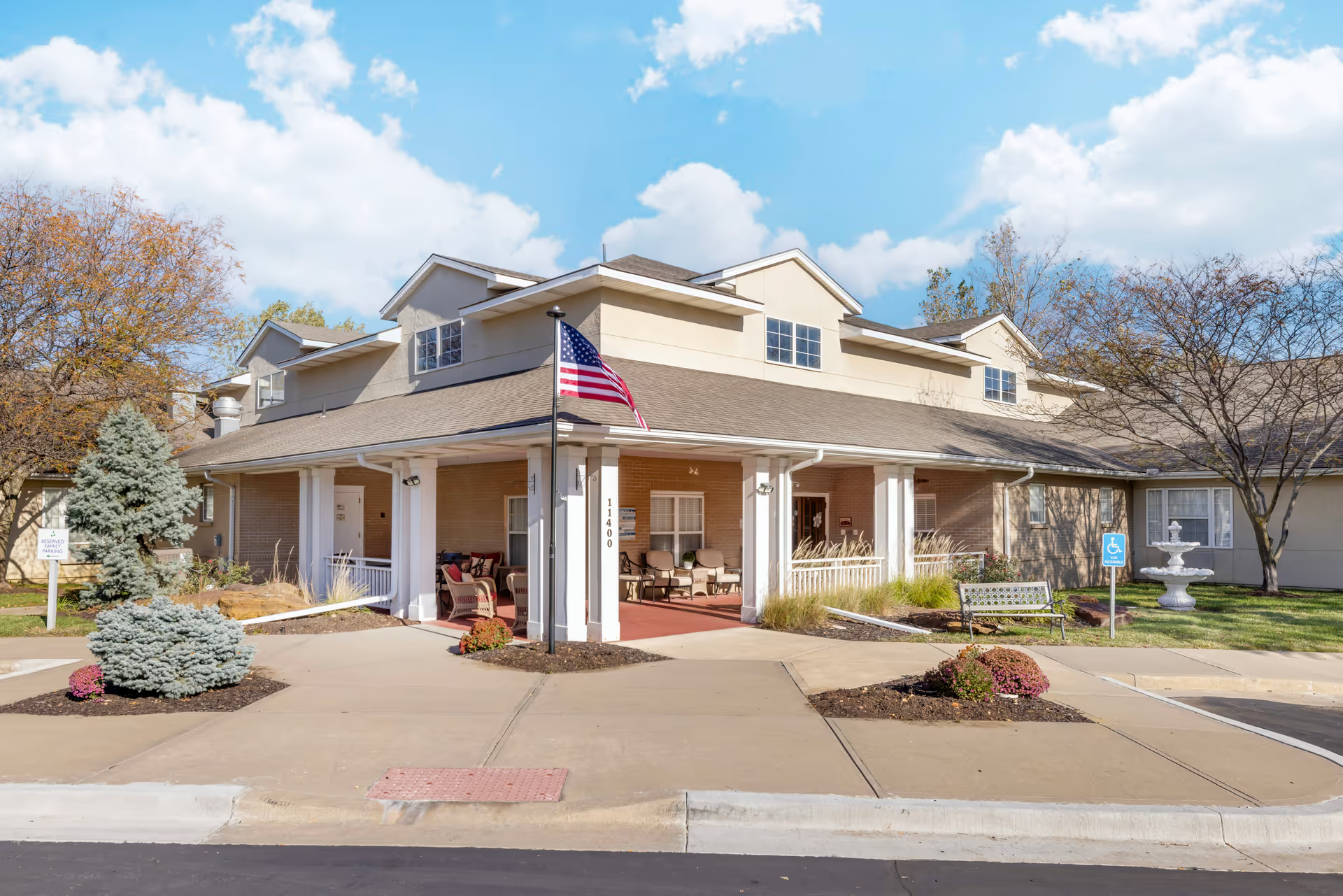
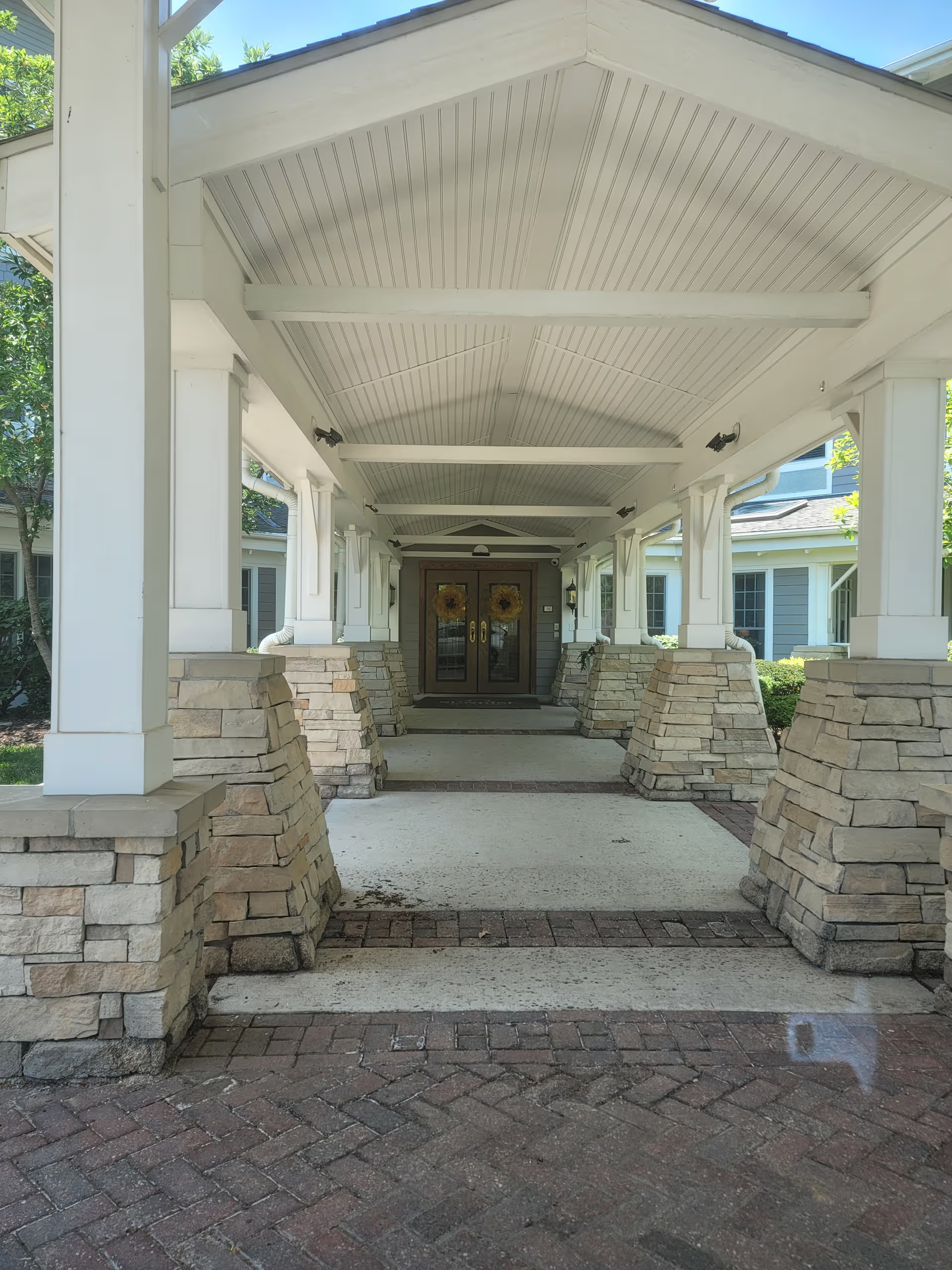
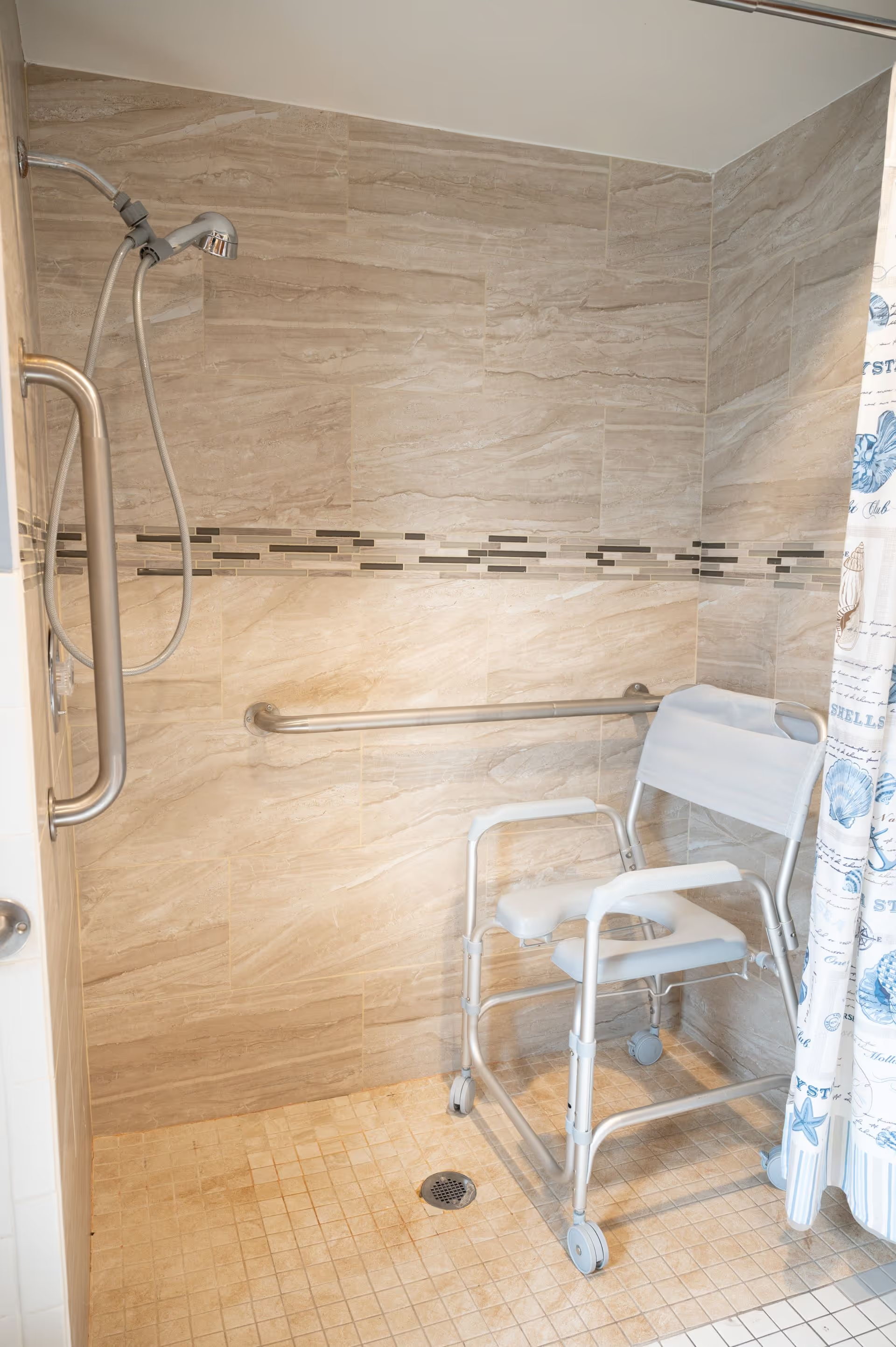
Dining and facilities generally receive favorable remarks. The building is described as clean and comfortable, with pleasant communal spaces and an overall uplifting atmosphere. The dining-room aesthetic and on-site personal-care amenities are cited as positives that contribute to resident satisfaction. Activity programming — gardening, clubs, social events — is regularly noted as engaging and beneficial for social wellbeing.
Management and oversight present a mixed picture. Some reviews praise a new administrative team and named leadership for improving morale and operations, while others cite ongoing management and corporate follow-up gaps. Operational weaknesses inferred from reviewer accounts include inconsistent discharge planning and family communication, variability in end-of-life care coordination, and concerns about accountability for staff conduct. There are also serious individual allegations of staff dishonesty and theft; these have been raised by families and suggest the need for strengthened personnel controls and transparent incident-management processes.
Overall pattern and considerations for prospective families: the facility demonstrates clear strengths in compassionate caregiving, clinical skill, cleanliness, and engaging activities, making it a suitable option for many residents. However, variability in staffing consistency, responsiveness, mental-health training, and certain aspects of management oversight are recurring themes that merit attention. Prospective residents and families should ask about current staffing levels and turnover, mental-health training and behavioral protocols, discharge-planning procedures, incident reporting and accountability measures, and recent changes under current leadership to assess whether the operational gaps noted in reviews have been addressed.