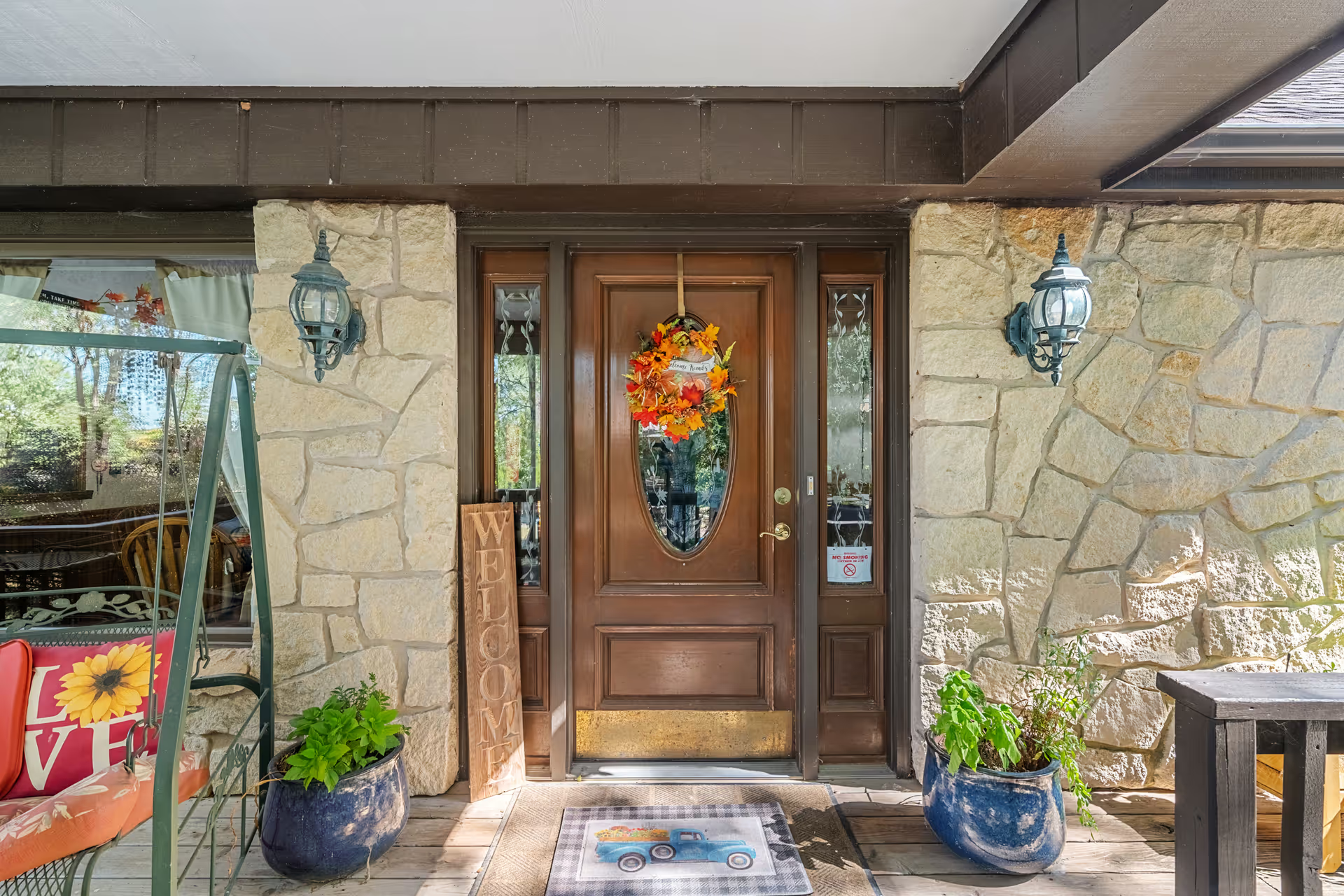
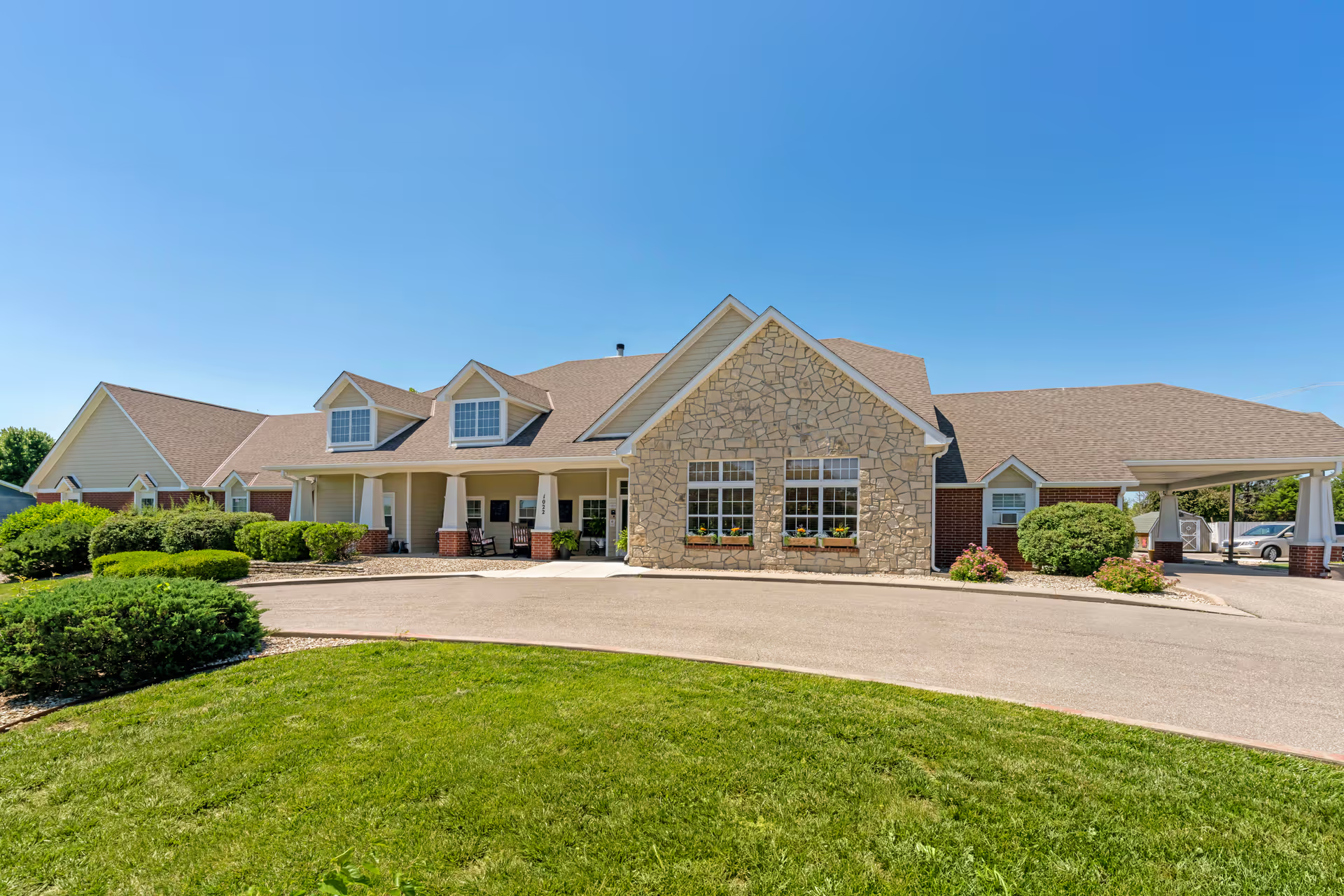
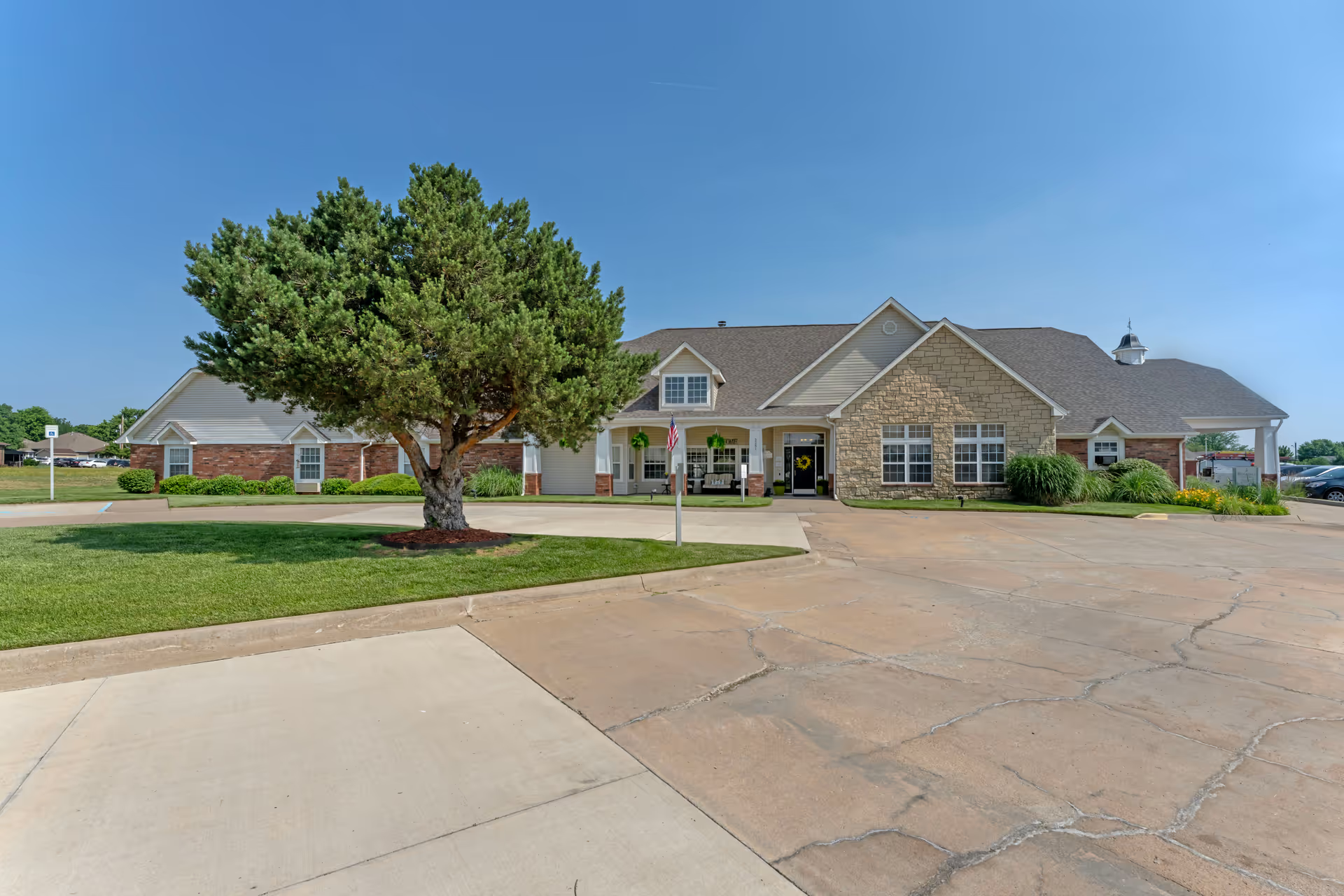
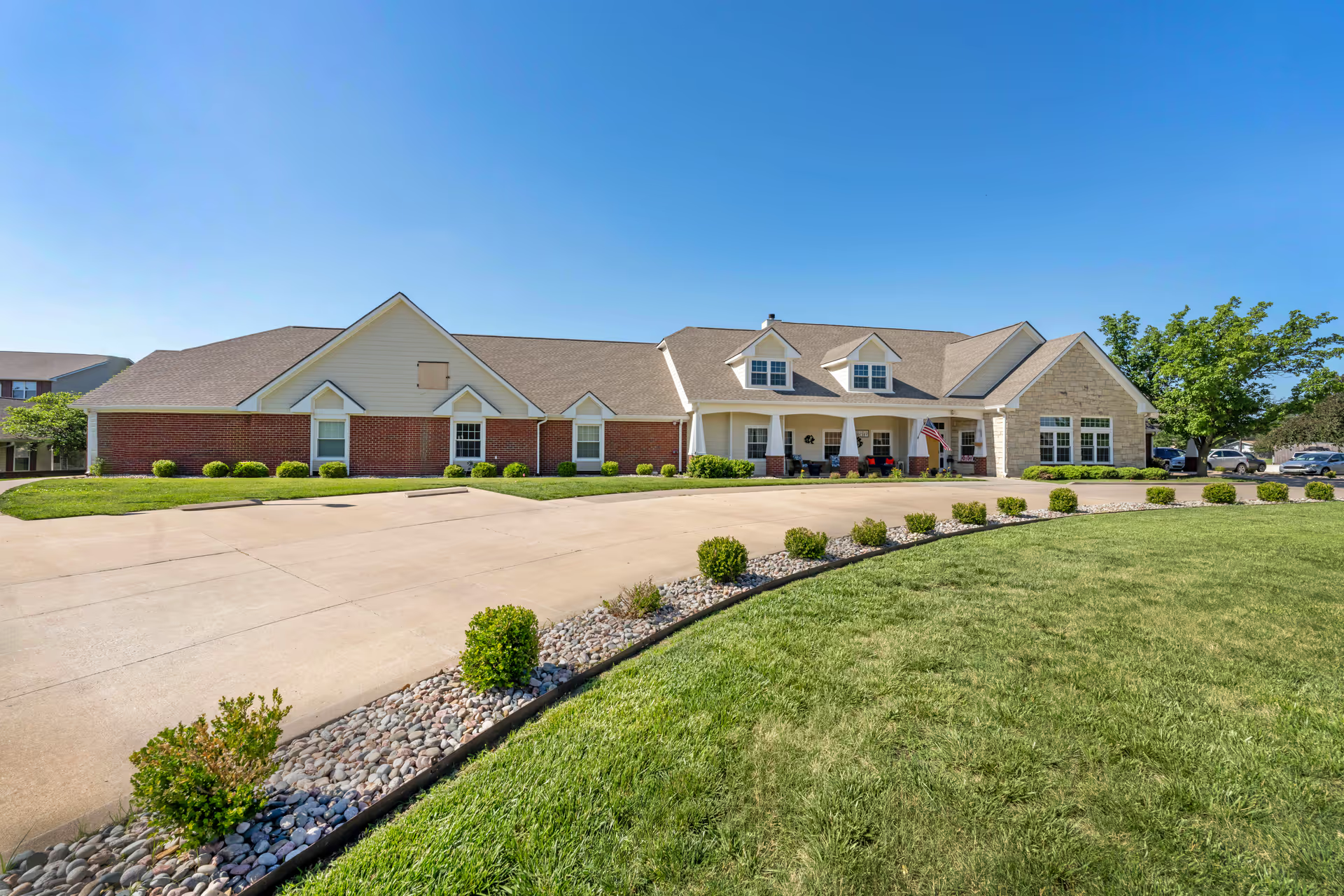
Enterprise Estates Nursing Center elicits strongly divergent impressions. Positive commentary highlights caring, helpful staff who are willing to take extra steps for residents, a clean and well‑maintained interior, and a pleasant country setting with attractive views. Some families and employees describe a small, community-oriented atmosphere and a workplace culture that supports resident-focused attention. Several accounts also note that individual issues were addressed to satisfaction when staff intervened, indicating pockets of effective problem resolution.
Care quality descriptions vary markedly. Many reviewers praise compassionate interactions and attentive caregivers, while others raise concerns about inconsistent care delivery. The primary care-related concerns center on gaps in personal-care assistance—specifically inconsistent bathing support and feeding assistance—and delays in responsiveness that may reflect operational strain. These mixed reports suggest variability in day-to-day care practices that can affect resident experience depending on staffing and shift coverage.
Staffing and workforce dynamics are a recurring theme. Multiple reviewers described staffing shortages, high workload, and turnover; these factors are linked in several accounts to reduced consistency of care and to staff being overextended. At least one review raised serious financial concerns; the facility should be considered to have unresolved governance and management issues, including leadership deficiencies and allegations of theft and financial misconduct that may impact organizational stability.
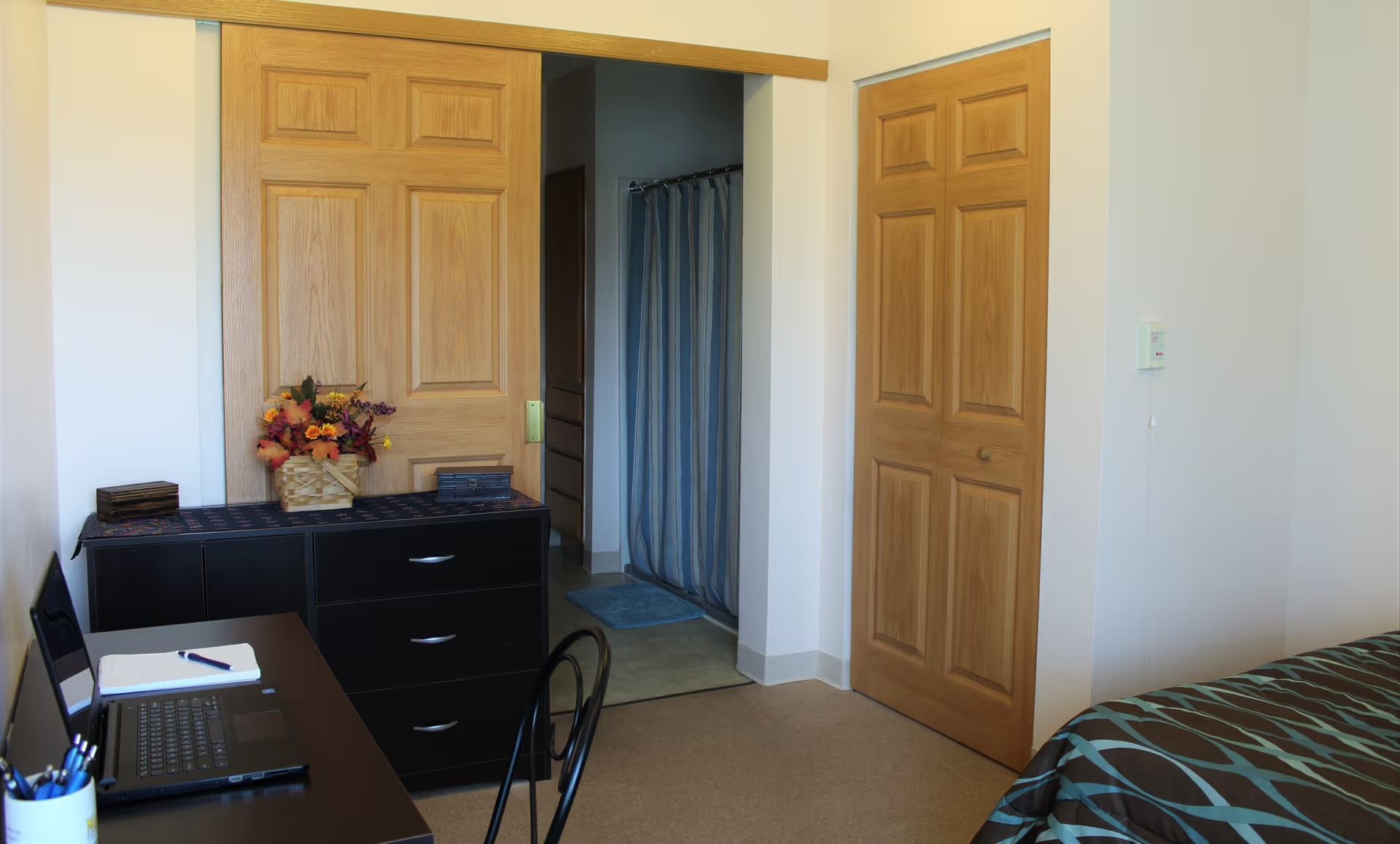
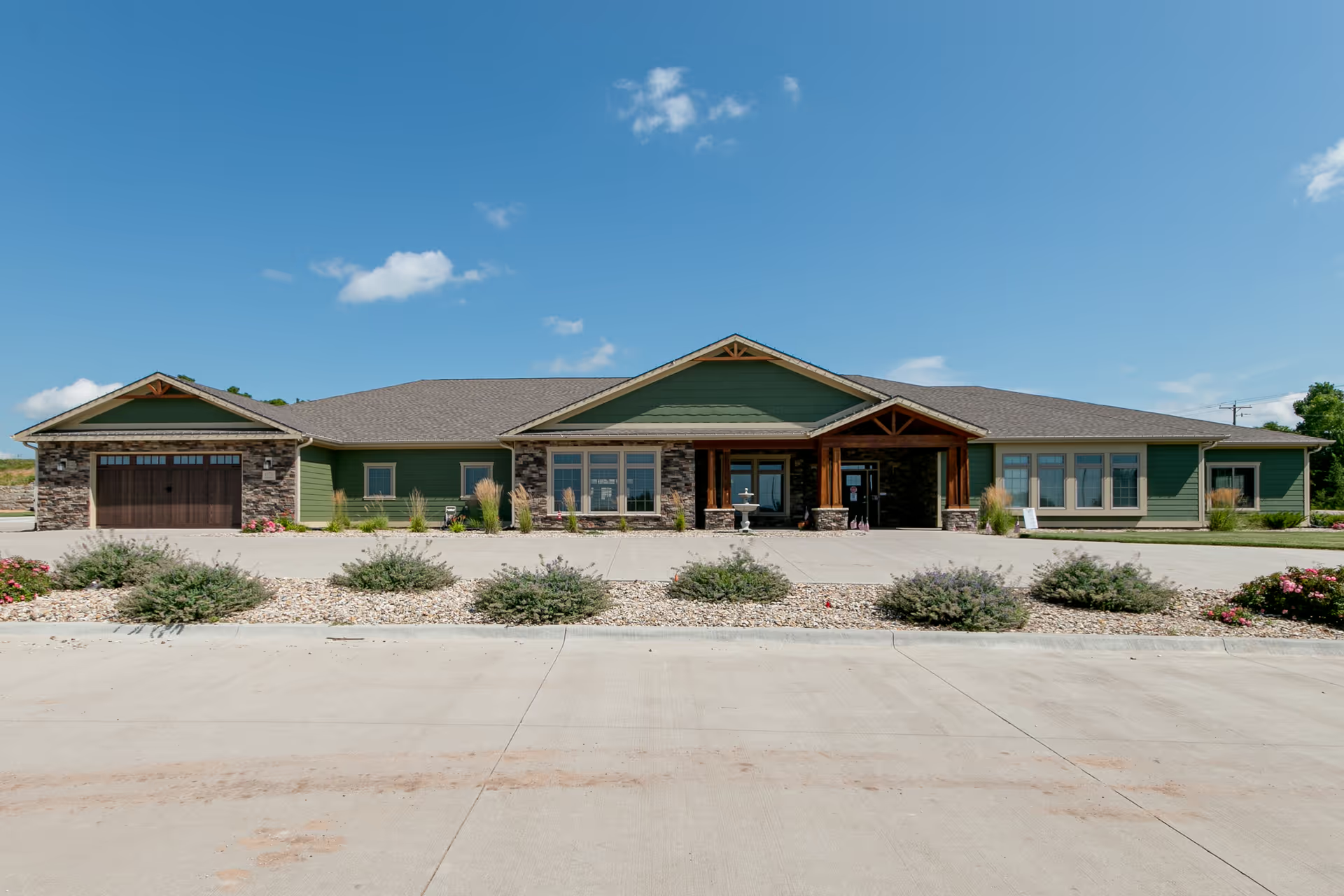
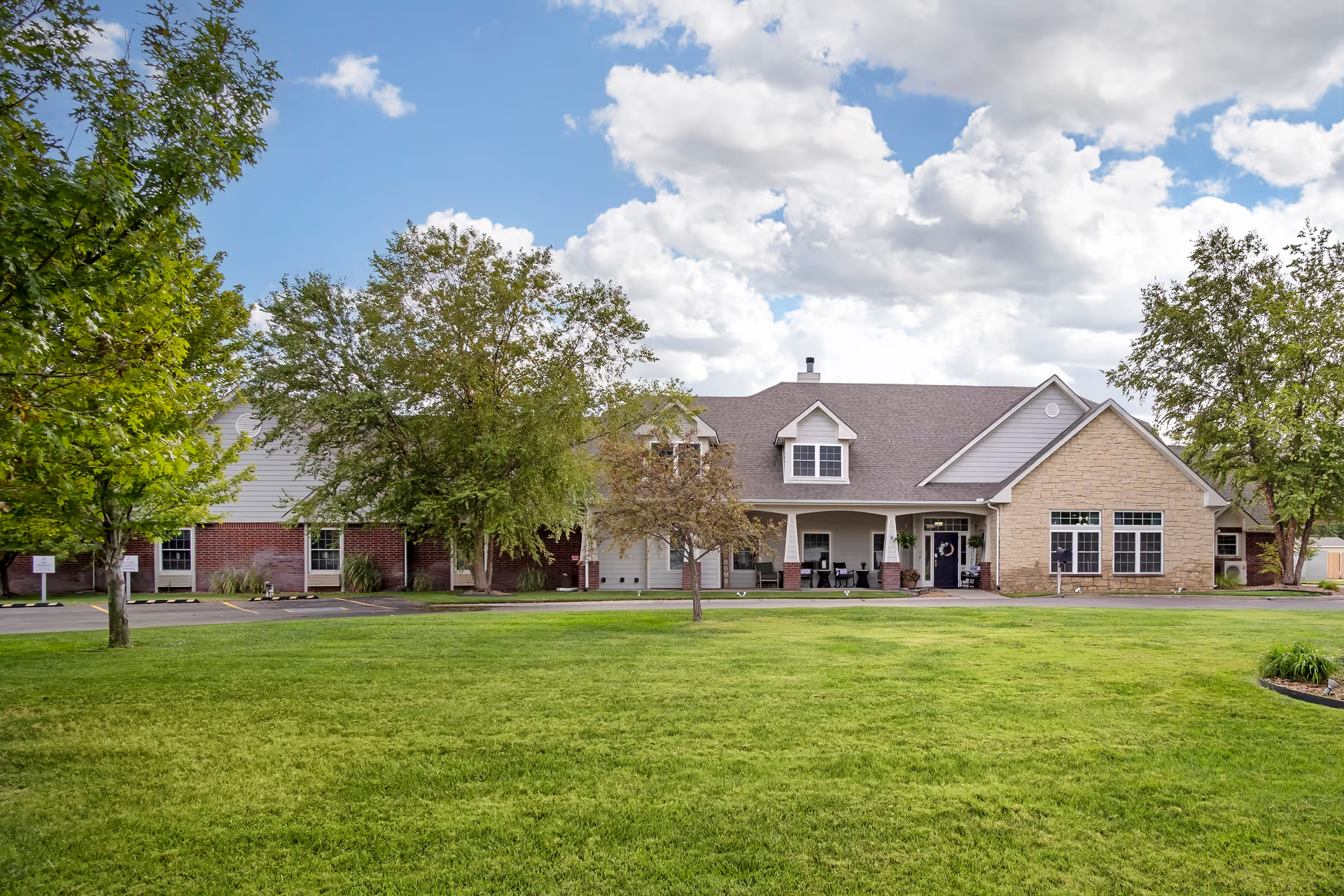
Facilities and activities present a contrast: the interior is described as clean and well kept, and the setting offers scenic, rural views. However, the campus lacks adequate outdoor seating, walking paths, and designated visiting or entertaining outdoor spaces, limiting opportunities for outdoor recreation and family visits. Infection-control and access policies are reportedly strict—examples include temperature checks at entry, vaccination requirements, liability waivers, and appointment-only visits—which some families find protective and others find restrictive to visiting and resident mobility.
Dining and daily routines receive mixed remarks. Some reviewers indicate residents are well cared for and attended to at mealtimes; others describe inconsistent feeding support and interruptions to routine that could impact nutrition and comfort. Activities are not heavily described in the reviews provided; the absence of accessible outdoor recreation areas suggests limited options for outdoor programs or informal visits.
Communication and family relations are uneven. While some families report positive engagement and responsiveness from staff, others cite gaps in transparency and communication that exacerbate concerns about care consistency and management oversight. Given the breadth of sentiments—ranging from highly favorable personal experiences to serious operational and governance concerns—prospective residents and families should arrange an in-person visit (observing the facility’s infection-control requirements), request current staffing and turnover metrics, review recent inspection reports, and ask about specific protocols for personal-care assistance, visitation, and financial/accounting oversight before making placement decisions.