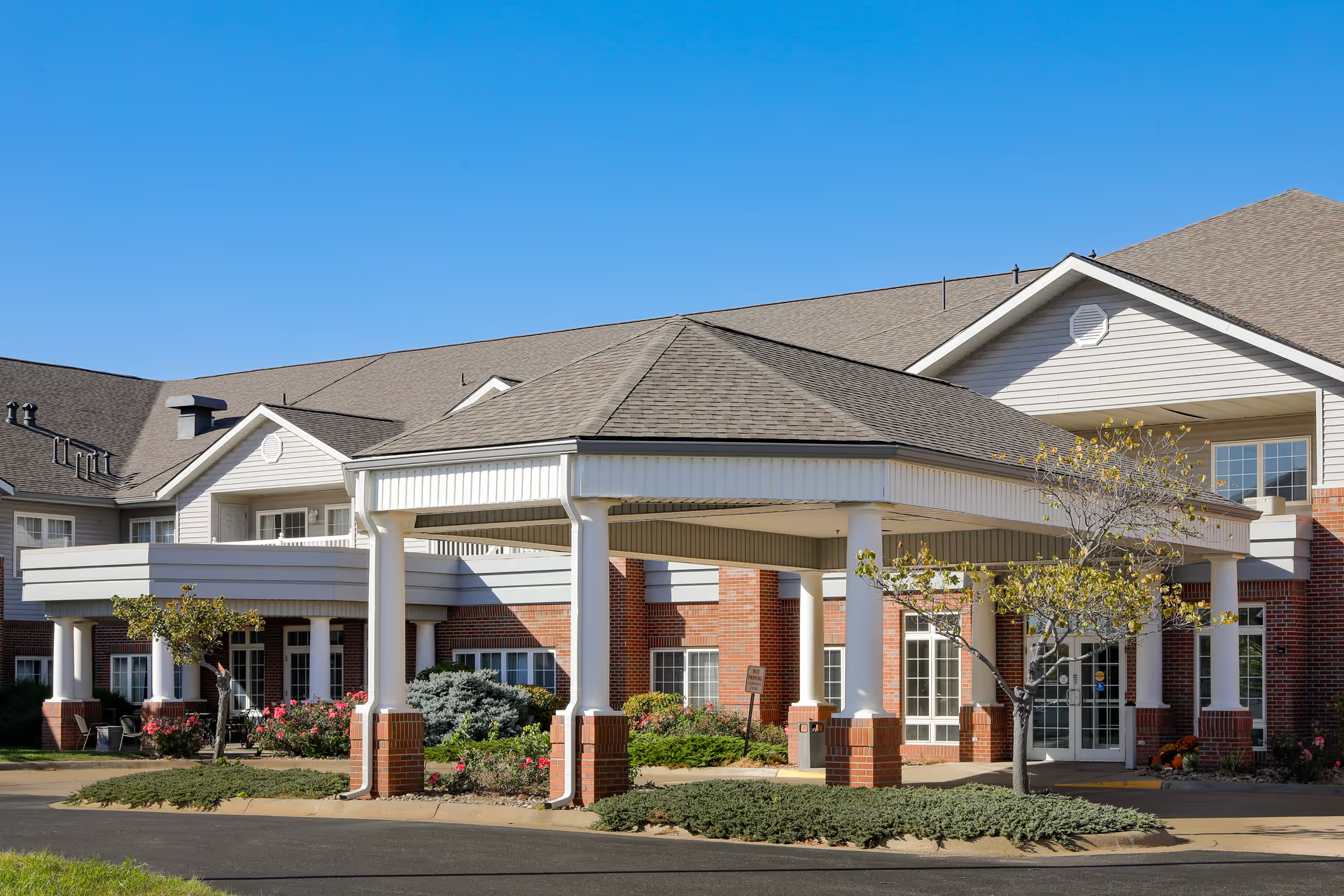
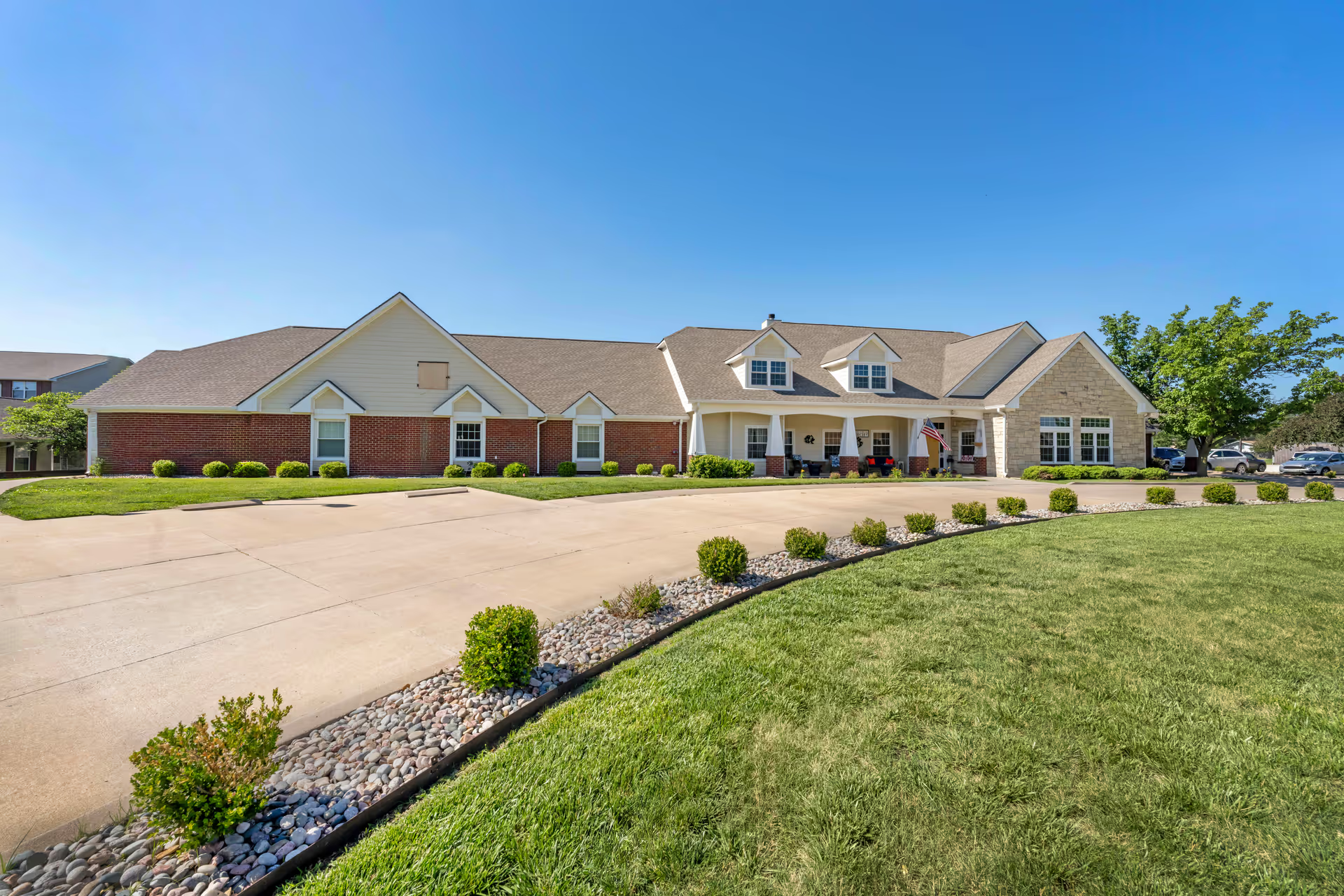
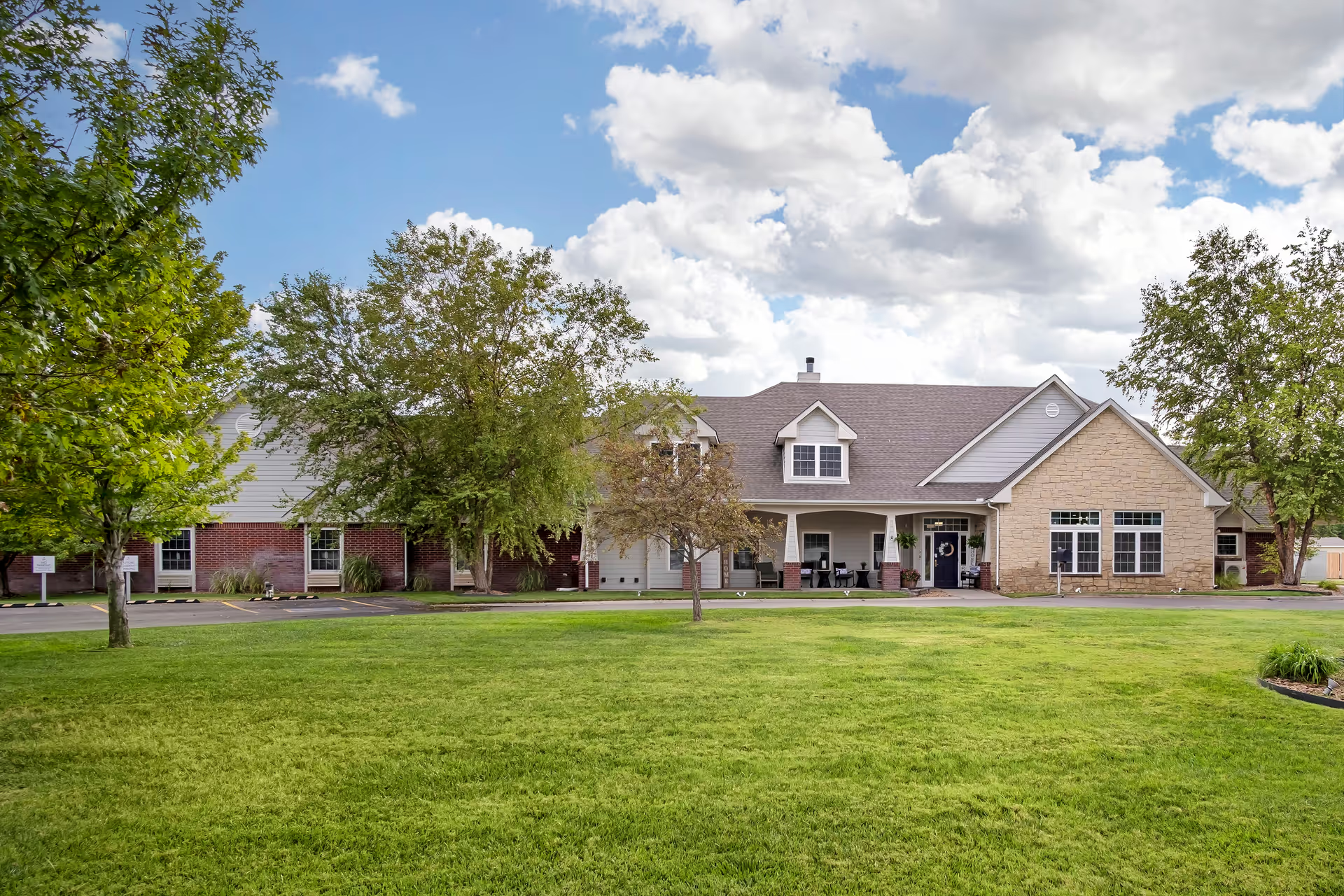
The Legacy at Herington elicits a strongly mixed set of impressions: many accounts describe a warm, welcoming facility with compassionate frontline caregivers, while other accounts identify operational weaknesses that produce variable resident experiences. On the positive side, reviewers frequently emphasize attentive nurses, dedicated CNAs, and strong unit-level leadership — particularly praise for the DON and ADON — creating many instances of well-managed, respectful resident interactions. Visitors also describe a smooth admission process and pleasant, morale-building touches such as holiday activities, gift distribution, escorted visits, and pet visits that appear to contribute positively to resident mood and family comfort.
Care quality appears uneven. When day-to-day staffing and leadership are present and engaged, clinical care and responsiveness are described as strong and reassuring. However, a recurring pattern is variability across shifts: lapses in responsiveness, staff distracted by devices, and delayed attention to resident needs are described in several accounts. There are also sanitation and hygiene concerns referenced that indicate inconsistency in environmental cleaning practices. Additionally, reviewers raised safety-related issues connected to staffing — including lift/transfer practice gaps and the presence of inadequately trained personnel on certain shifts — which merit specific inquiry by prospective families.
Dining and activities are similarly mixed. Activity programming and special events receive positive mention and appear to contribute to a welcoming atmosphere. Dining receives more critical comments: inconsistent food quality, limited portion sizes, and an overall cafeteria experience described as below average by some. A few individual kitchen staff members were praised, suggesting that food-service performance may depend on staffing and scheduling as much as on facility systems.
Management and workplace culture are a notable point of divergence. Unit-level leaders (DON/ADON) and many frontline supervisors are repeatedly praised for clinical judgment and staff support, yet reviewers also describe broader company-level and upper-management issues — perceived prioritization of financial goals, high turnover, insufficient accountability, and a negative work environment. These organizational factors are presented as contributors to staffing instability and variable care. Several reviewers indicated frustration serious enough that they considered contacting regulators; this underscores the importance of assessing current conditions in person.
For prospective residents and families: the facility shows clear strengths in frontline caregiving, welcoming admissions, and activity programming, but also exhibits operational inconsistencies that can affect day-to-day experience. Recommended steps before making a decision include touring during different times of day (mealtimes and evening shifts), observing staffing levels and lift/transfer technique, sampling the dining service, asking for recent staffing/turnover metrics and infection-control/cleaning protocols, and requesting specifics about staff training and accountability processes. Those questions will help determine whether the strengths described align with the facility’s current operational consistency and your relative priorities for care and safety.