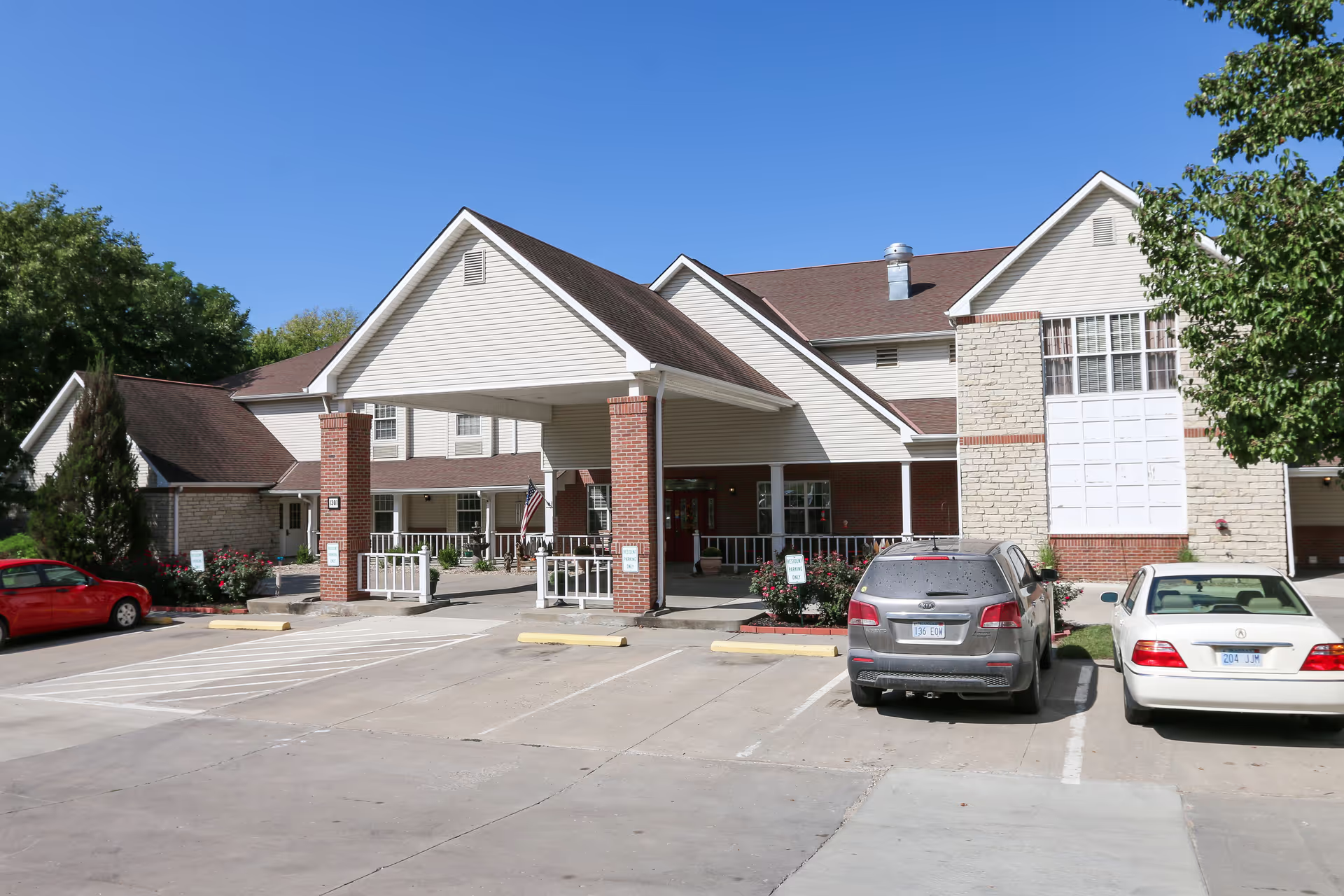
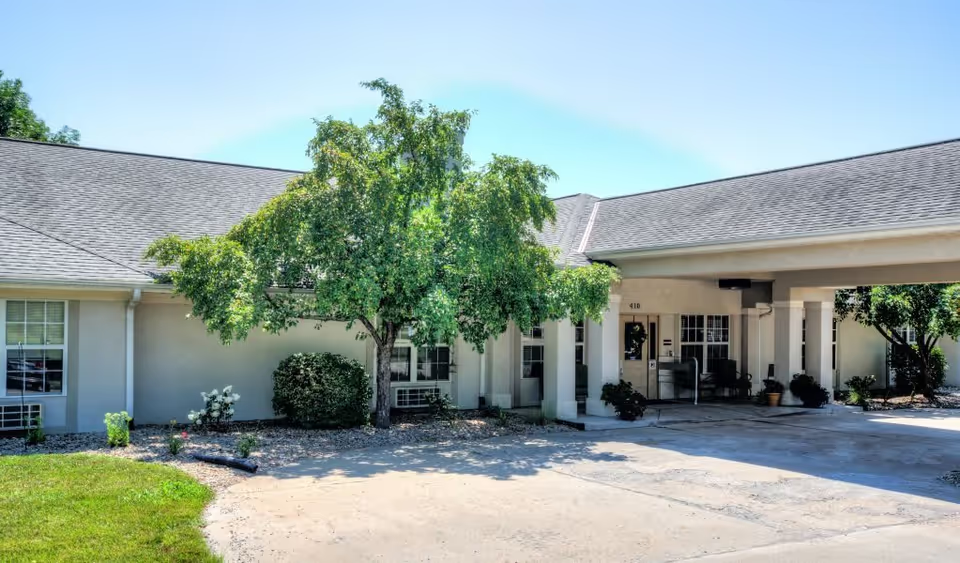
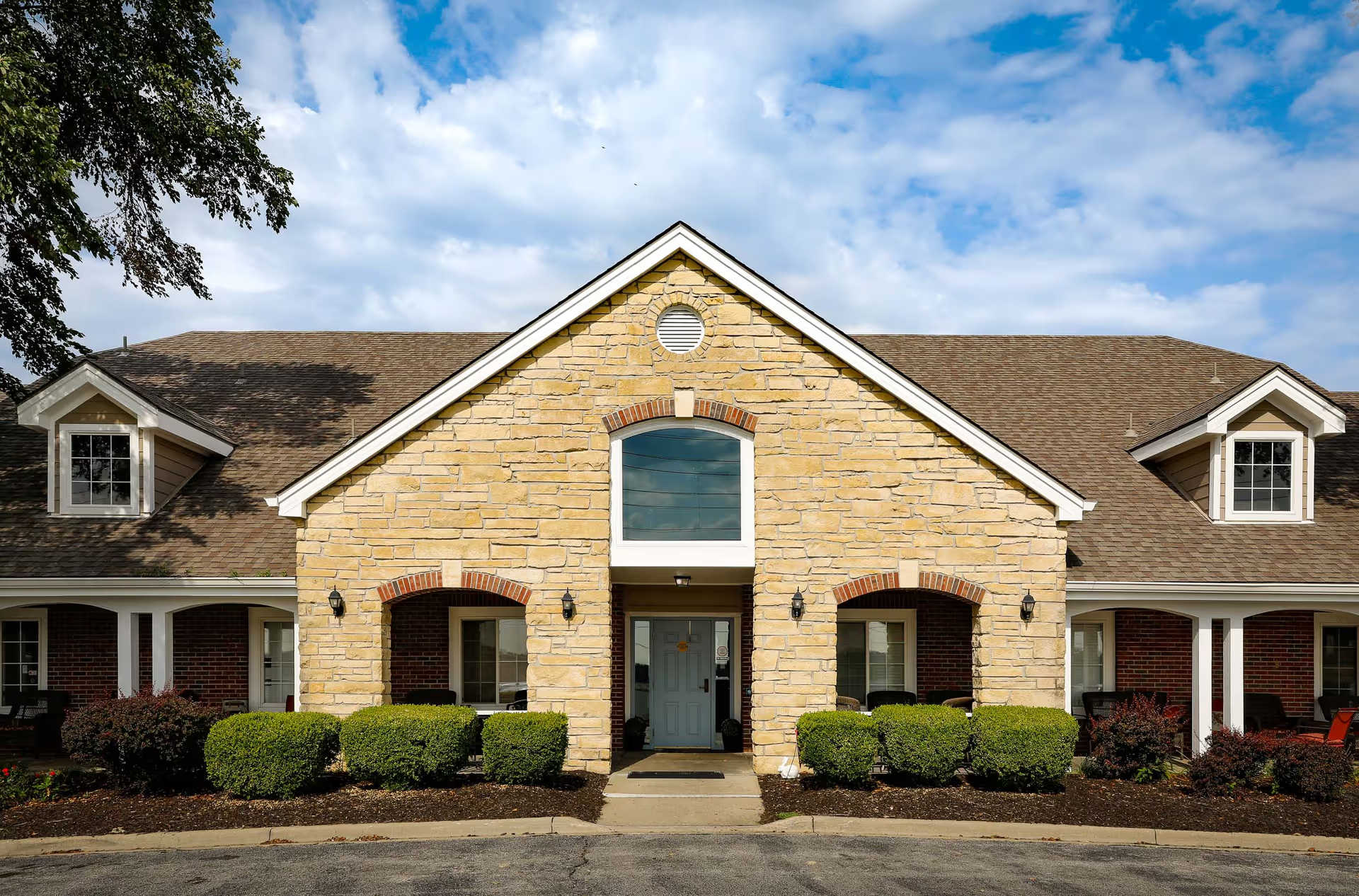
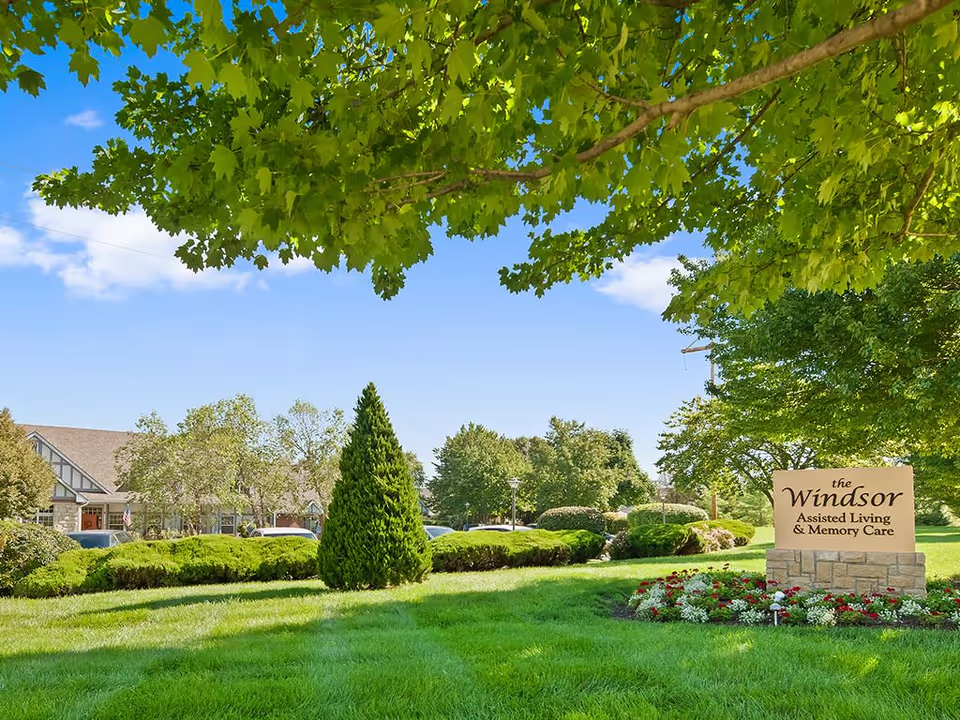
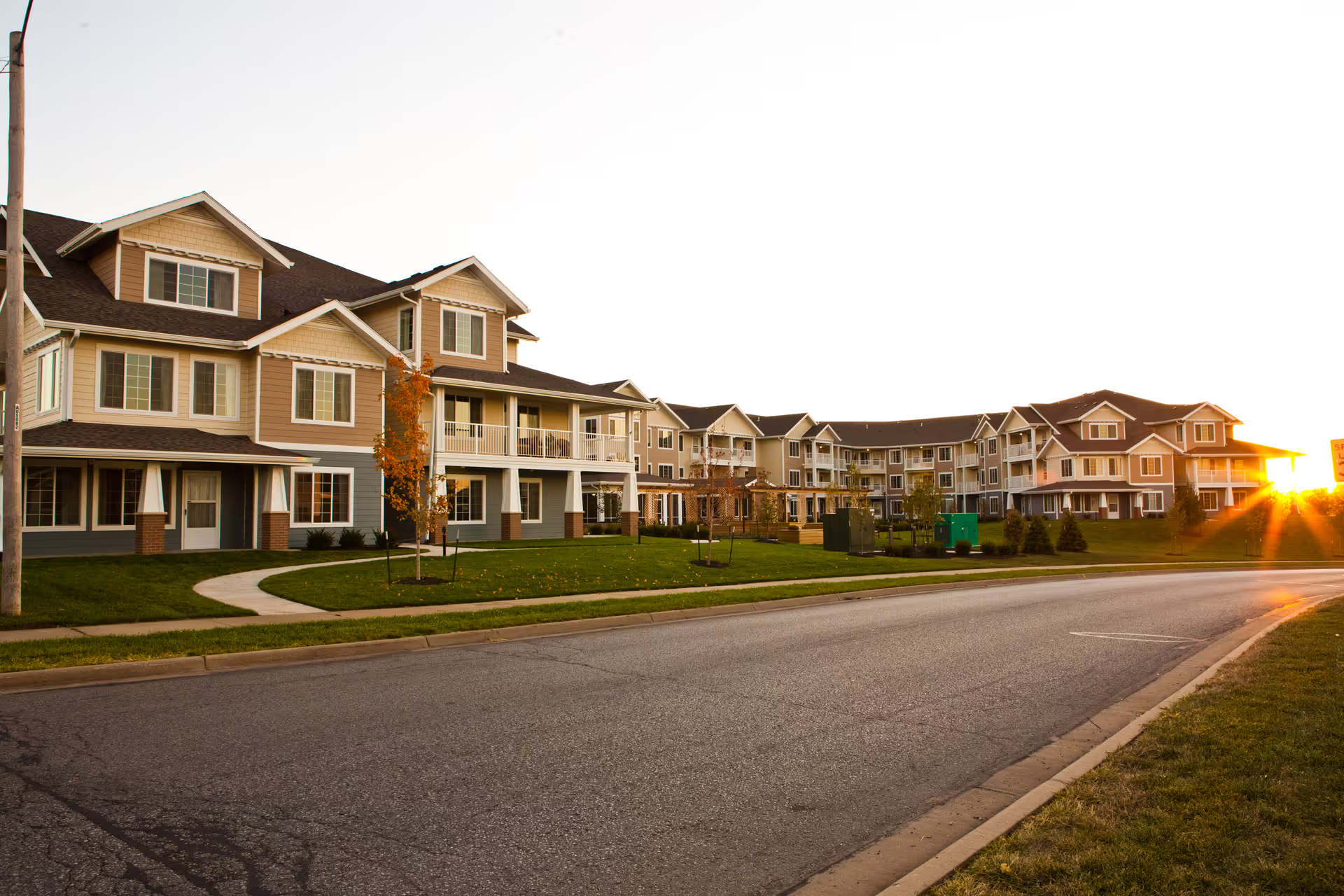
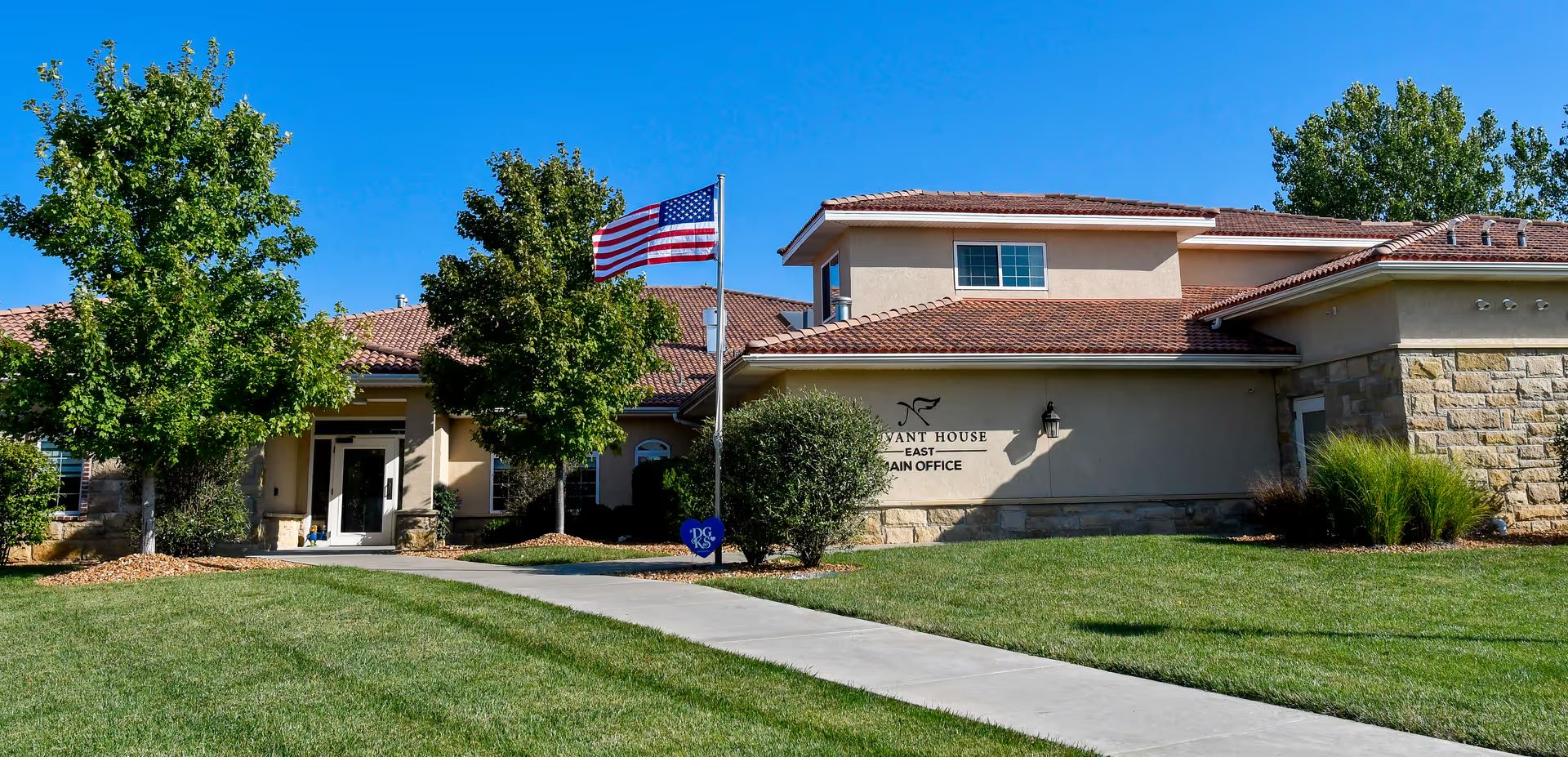
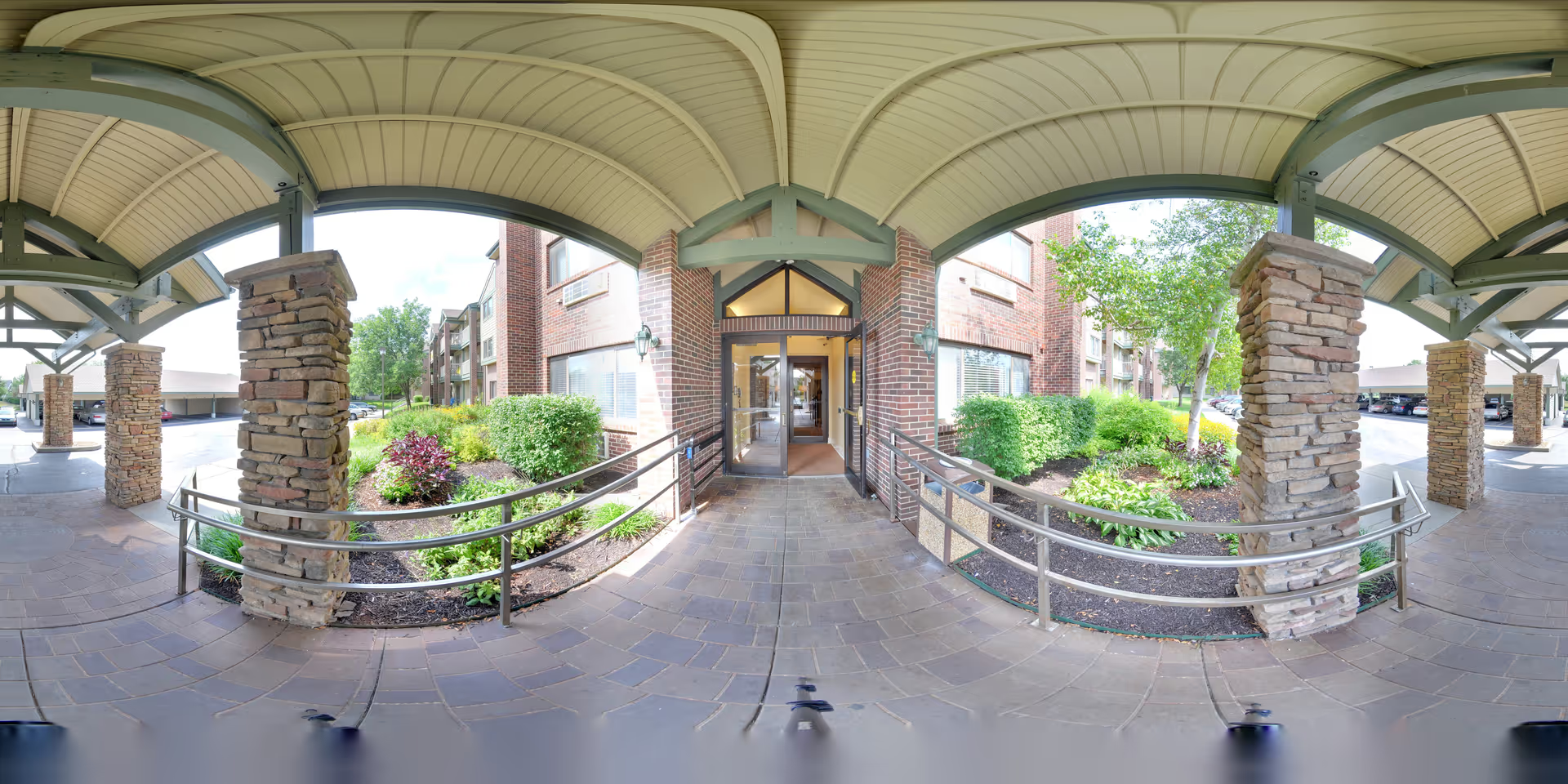
This facility elicits a strongly mixed set of impressions: several reviewers describe high-quality clinical leadership, effective rehabilitation support, and staff who were patient, helpful and attentive; others describe substantive operational problems that affected basic care and resident experience. On the positive side, leadership and clinical credentials are frequently highlighted (including long-tenured administrators and deficiency-free infection-control/COVID surveys), and many families cited successful recovery outcomes and strong nursing/therapy involvement. The setting and unit layout are commonly praised — a quiet country location, duplex-style apartments, comfortable common areas, and 24/7 monitoring contribute to a feeling of security and homeliness for some residents.
At the same time, there are recurring operational concerns that prospective residents and families should weigh. The most consistent themes are inconsistent staff performance and responsiveness: while some caregivers are described as compassionate and proactive, other accounts indicate delays in attending to call lights, inconsistent assistance with activities of daily living, and variable behavior and tone from staff across shifts. These inconsistencies translate into uneven day-to-day care experiences and communication gaps with families.
Facility operations and environment show a similar split. Portions of the facility are described as clean and well-maintained, yet multiple accounts point to sanitation and housekeeping inconsistencies and areas that would benefit from updating. Dining receives mixed feedback — some residents dislike the menu or portioning and at least one account references missed meal opportunity — suggesting inconsistent meal-service practices. The facility does offer a broad range of services for differing acuity levels and reiterated strengths in rehabilitation and recovery support.
There are also notable concerns around resident mix and behavioral management: some reviewers describe challenges related to residents with behavioral-health symptoms and the facility's approach to managing those behaviors. Property-security and personal-item management emerged as a distinct pattern-level concern, including allegations of missing items and instances where furnishings were moved without clear documentation. In at least one instance families expressed concerns following a resident's death, indicating opportunities for clearer clinical communication and incident follow-up processes.
Management patterns reflect both strengths and weaknesses. Leadership experience and favorable regulatory survey results suggest a baseline of clinical oversight; however, family communication and incident-response processes appear inconsistent. Where staff and administrators engaged proactively, families described peace of mind and positive outcomes; where communication and responsiveness lagged, families described significant distress.
In summary, the facility appears to provide solid clinical and rehabilitative capability under experienced leadership, with environment and staffing that work well for many residents. Simultaneously, there are recurring operational deficiencies — principally inconsistent caregiving performance, delayed responsiveness, sanitation and housekeeping variability, property-security gaps, and dated physical areas — that create risk for uneven resident experiences. Prospective residents and families would be advised to tour the facility, observe staff responsiveness and mealtime service, ask about staffing patterns and behavioral-health management, and clarify policies for personal-property tracking and incident communication before making a placement decision.