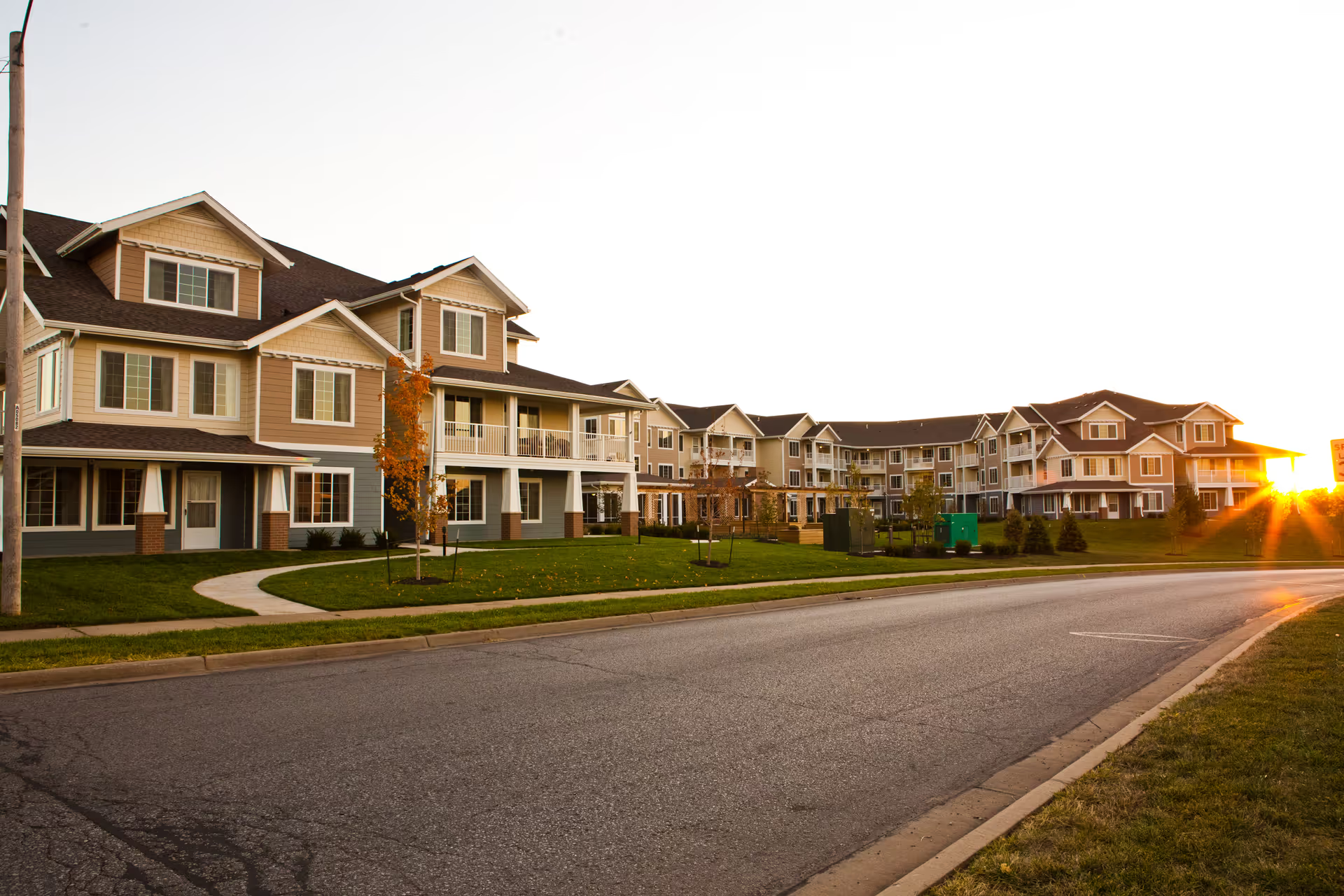
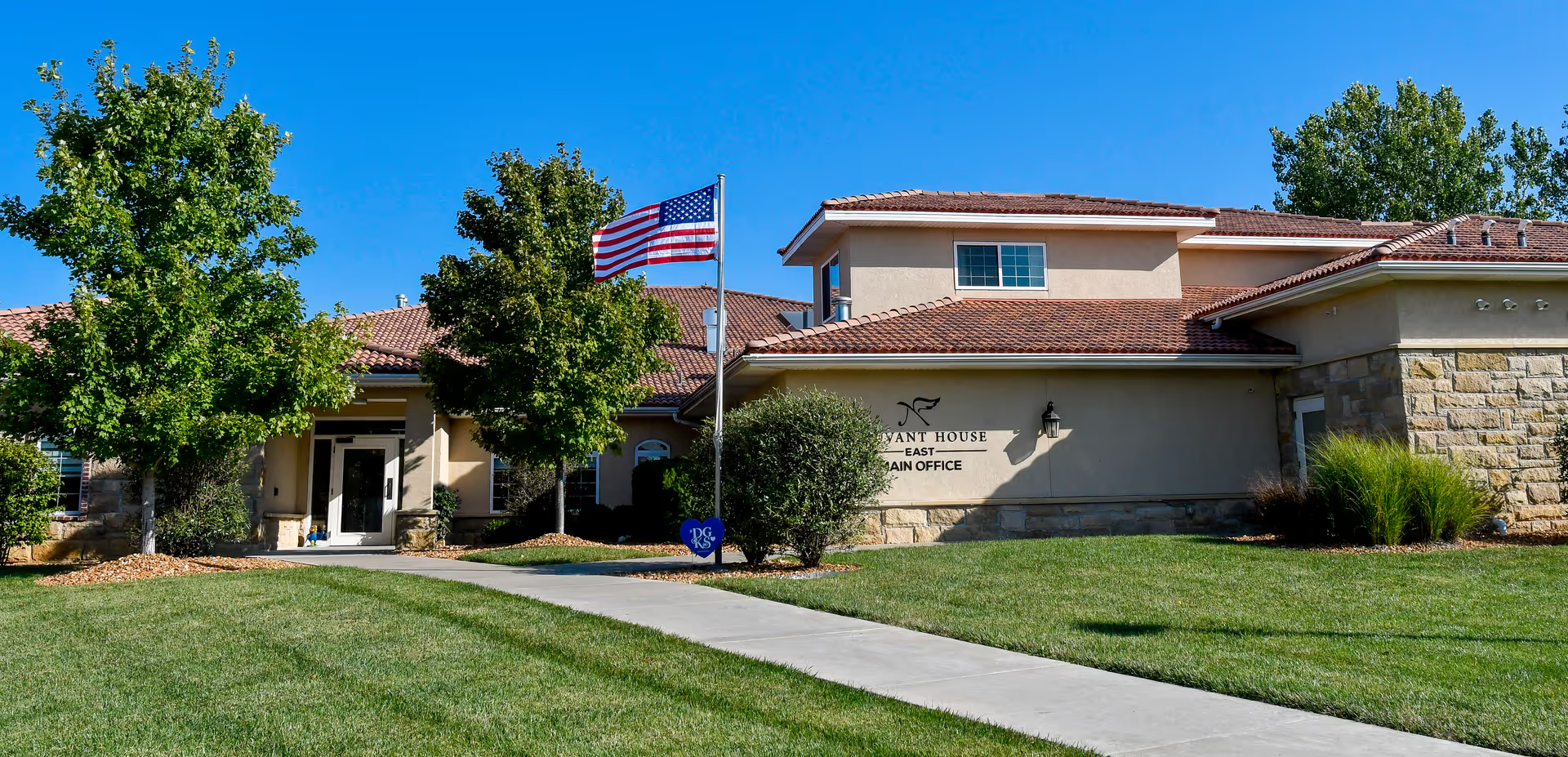
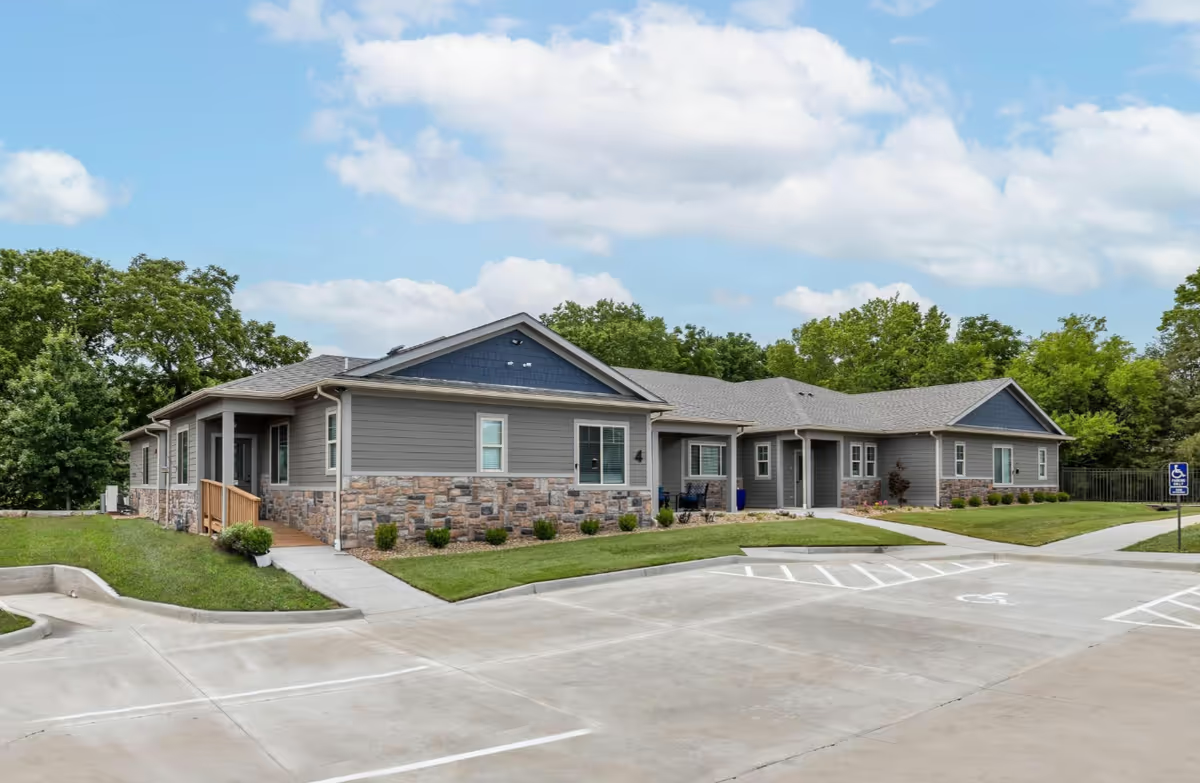
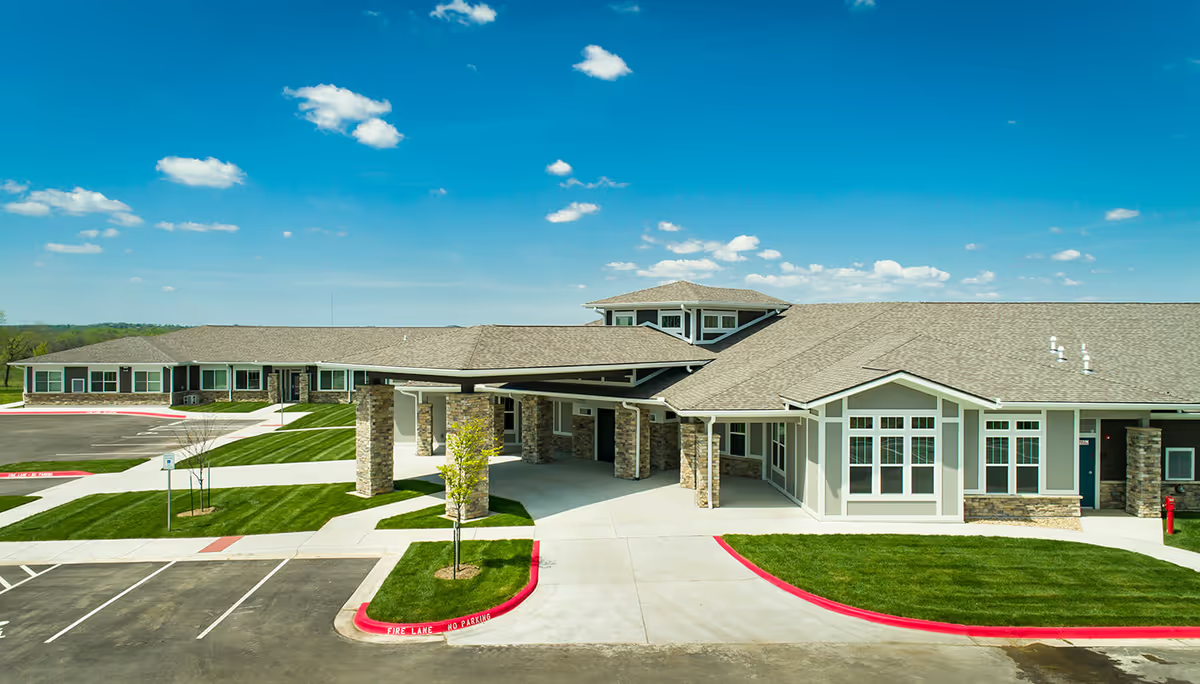
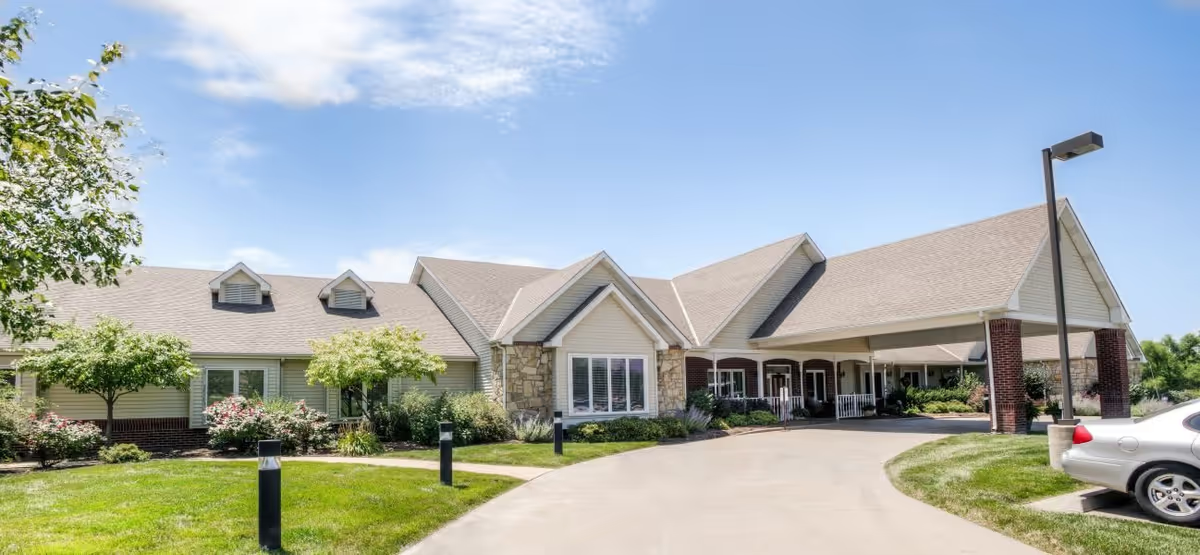
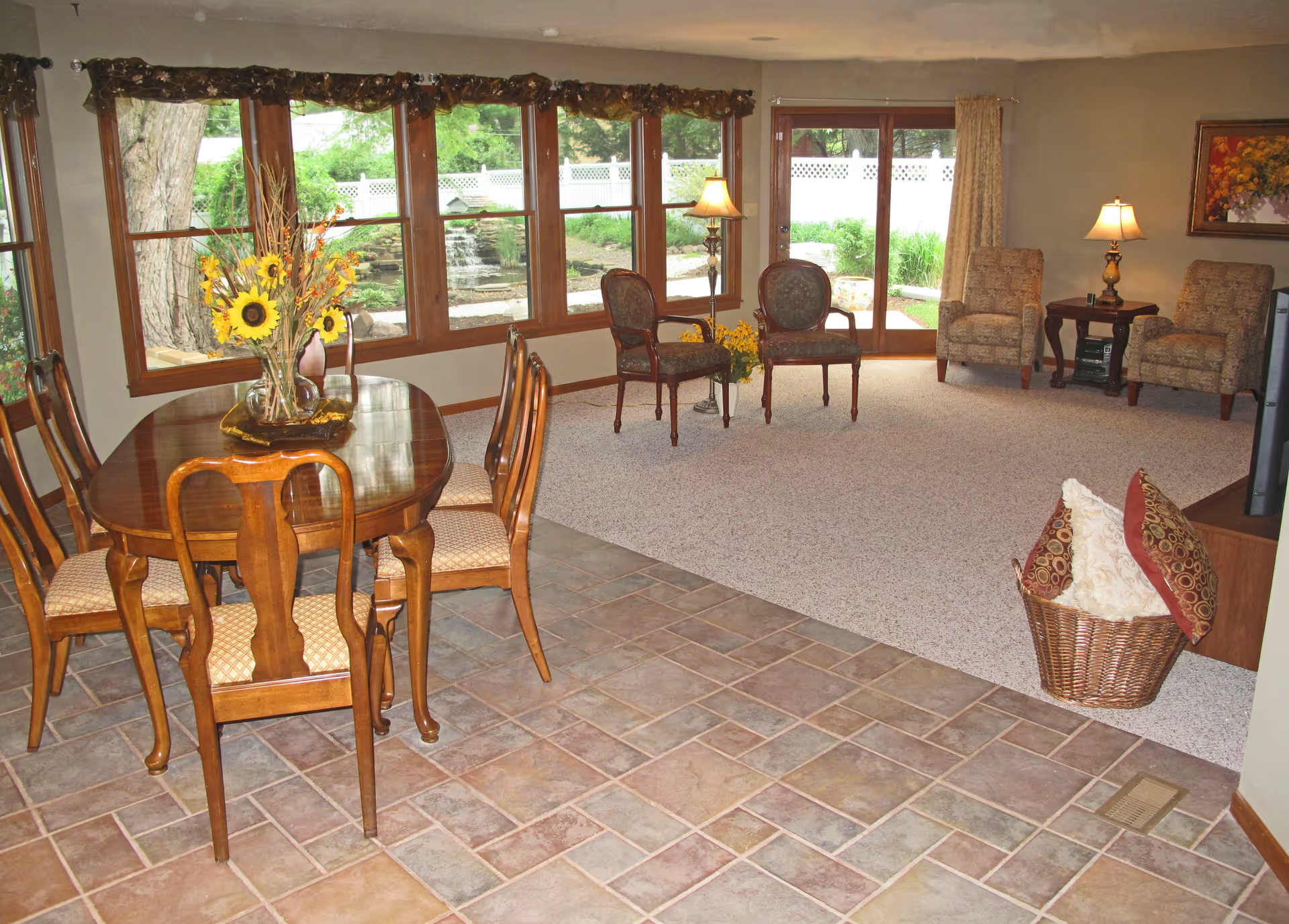
The Windsor of Lawrence elicits a mix of strong praise for hands-on caregiving, activities, and physical environment alongside recurring operational concerns. Strengths center on the direct-care culture: staff members are frequently described as compassionate, personable, and engaged with residents. Families commonly cite an active enrichment program, an attentive activities director, and a social dining experience. The facility’s small scale and secured memory-care cottages are repeatedly framed as conducive to social connection and individualized attention. The grounds, courtyard, and interior common areas are often praised as well maintained and home-like.
Care quality shows variability tied to staffing and clinical oversight. Many families note capable and caring direct-care staff and nursing team members, while others raise concerns about inconsistent coverage — specifically limited RN presence and weekend or overnight staffing gaps. These patterns are associated with operational issues such as inconsistent bathing or laundry practices, occasional missed or delayed personal-care tasks, and questions about medication-management processes and clinical communication. The memory-care program is described as well-structured in some accounts but potentially underspecified for advanced, high-acuity dementia needs in others; this suggests fit depends on the resident’s care level.
Dining and programming are comparative strengths but inconsistent in execution. Several reviewers praise an attractive presentation, three daily meals, and enjoyable social dining. At the same time, comments about limited meal variety, repetitive menus, and declining food quality appear with enough frequency to flag menu-planning and culinary consistency as areas for improvement. Activities and enrichment receive strong and repeated endorsement — varied programming, family events, and one-on-one engagement are highlighted as contributors to resident mood and socialization.
Facility and administrative strengths include a tidy, landscaped campus, on-site salon and podiatry services, and small-scale, secure memory-care cottages. Frequent operational weaknesses relate to administrative and logistical systems: admissions and move-in coordination, billing and invoicing accuracy, and property-tracking have produced confusion for some families. Management accessibility and tone are uneven in the accounts provided — direct-care staff generally receive higher marks than administrative leadership. Finally, financial-policy practices and placement-continuity tied to payment status are noted as a concern for families who may require additional flexibility.
Overall, The Windsor of Lawrence appears to offer a caring, community-oriented environment with notable strengths in activities, social dining, and landscaping. Prospective residents and families should weigh those strengths against the facility’s operational patterns: evaluate clinical oversight availability (RN coverage), clarify medication-management procedures, confirm staffing levels for nights and weekends, review meal plans for appropriate variety and texture needs, and request clear documentation of move-in and billing processes before finalizing placement. For individuals who prioritize a small, social setting and engaged staff, the facility may be a good fit; families needing consistent clinical coverage for higher-acuity needs should seek specific assurances and monitoring plans.