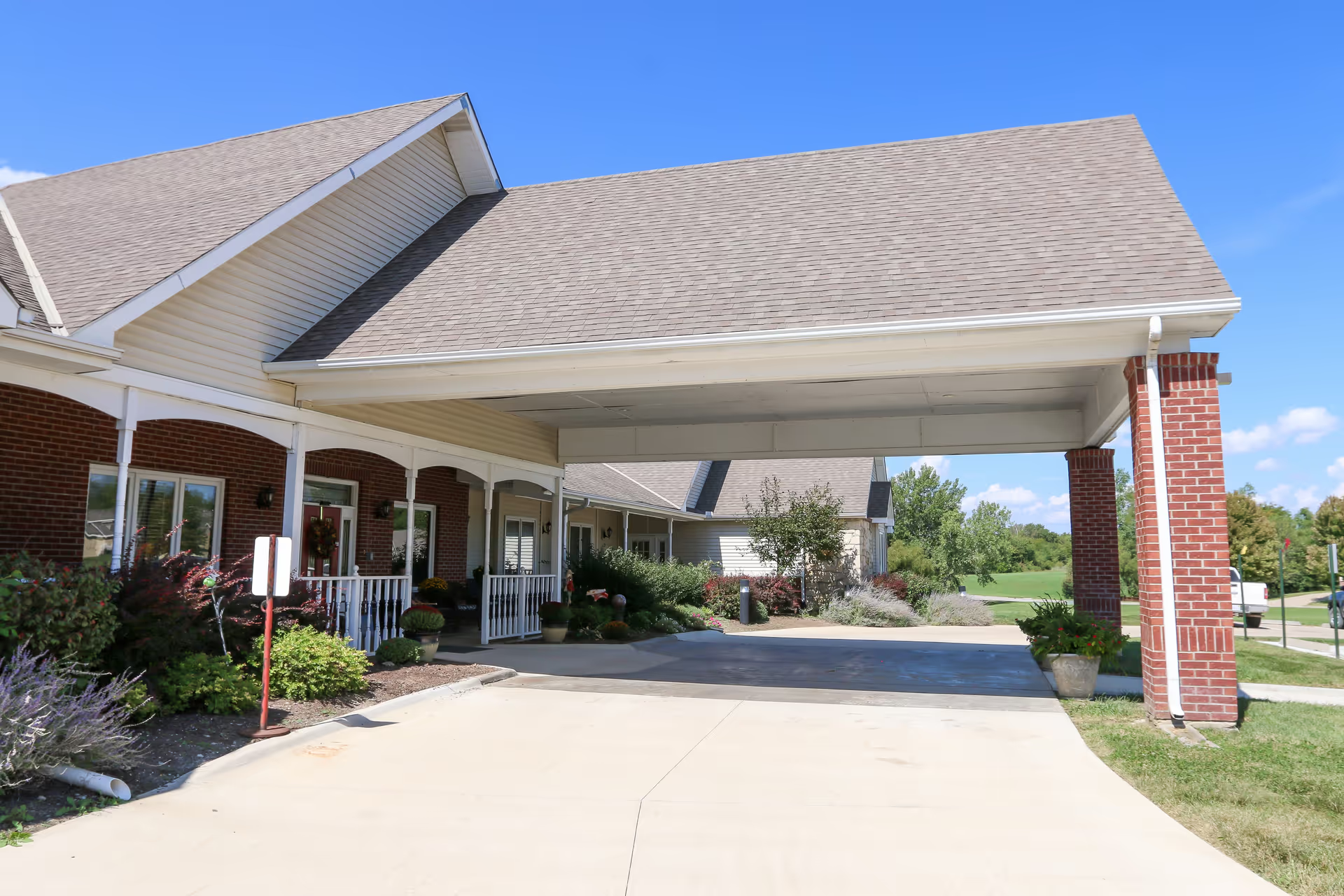
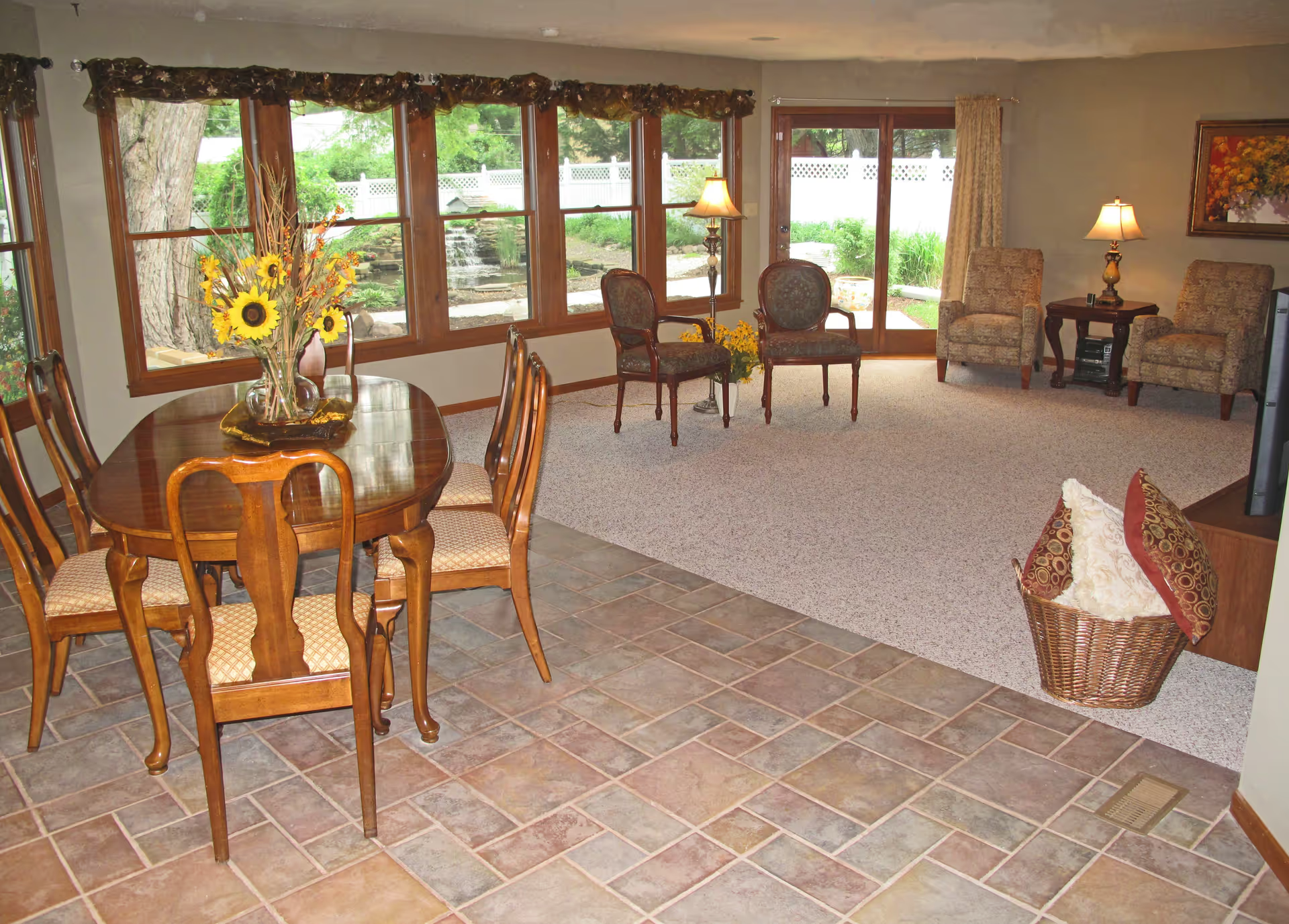
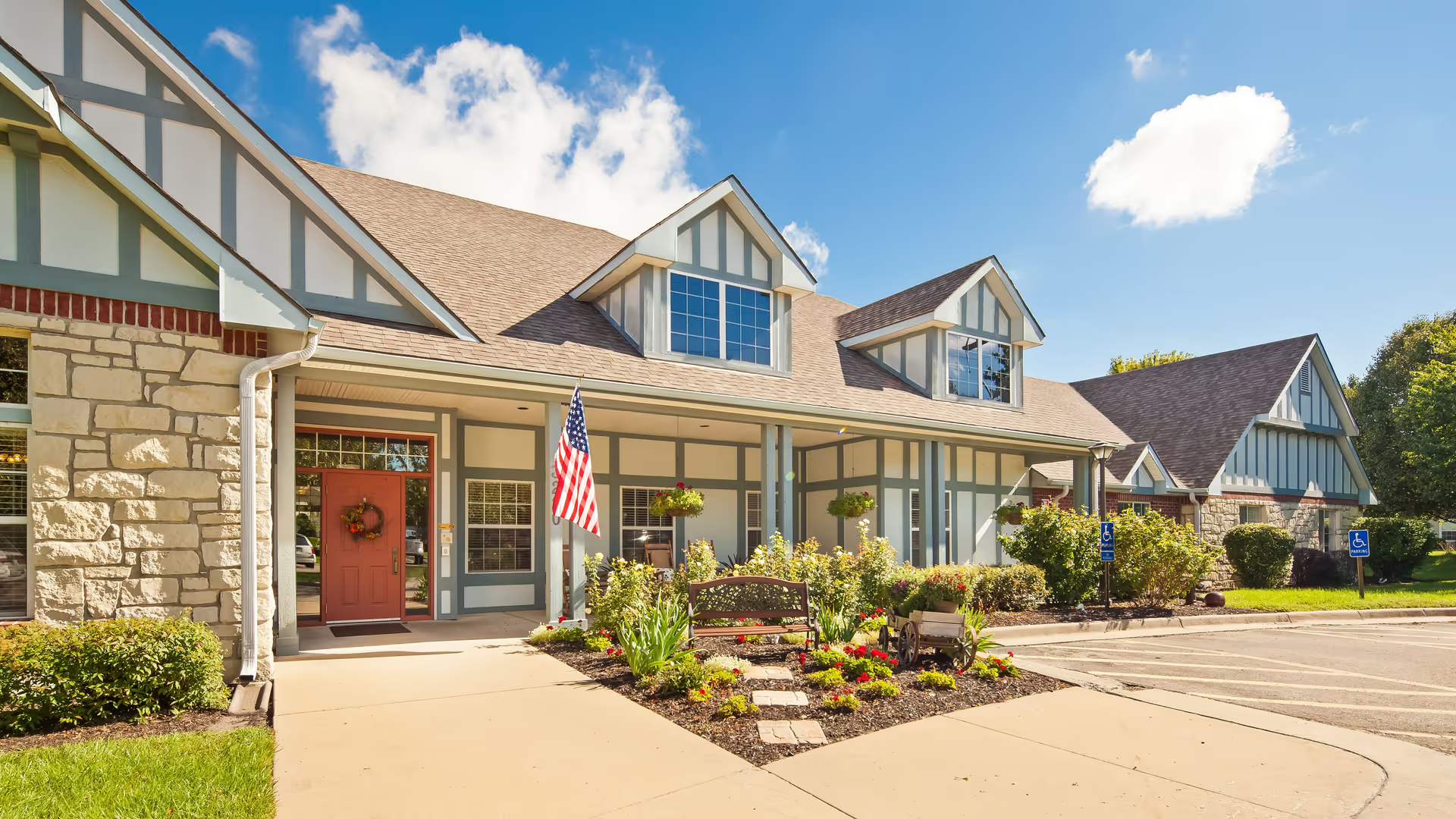
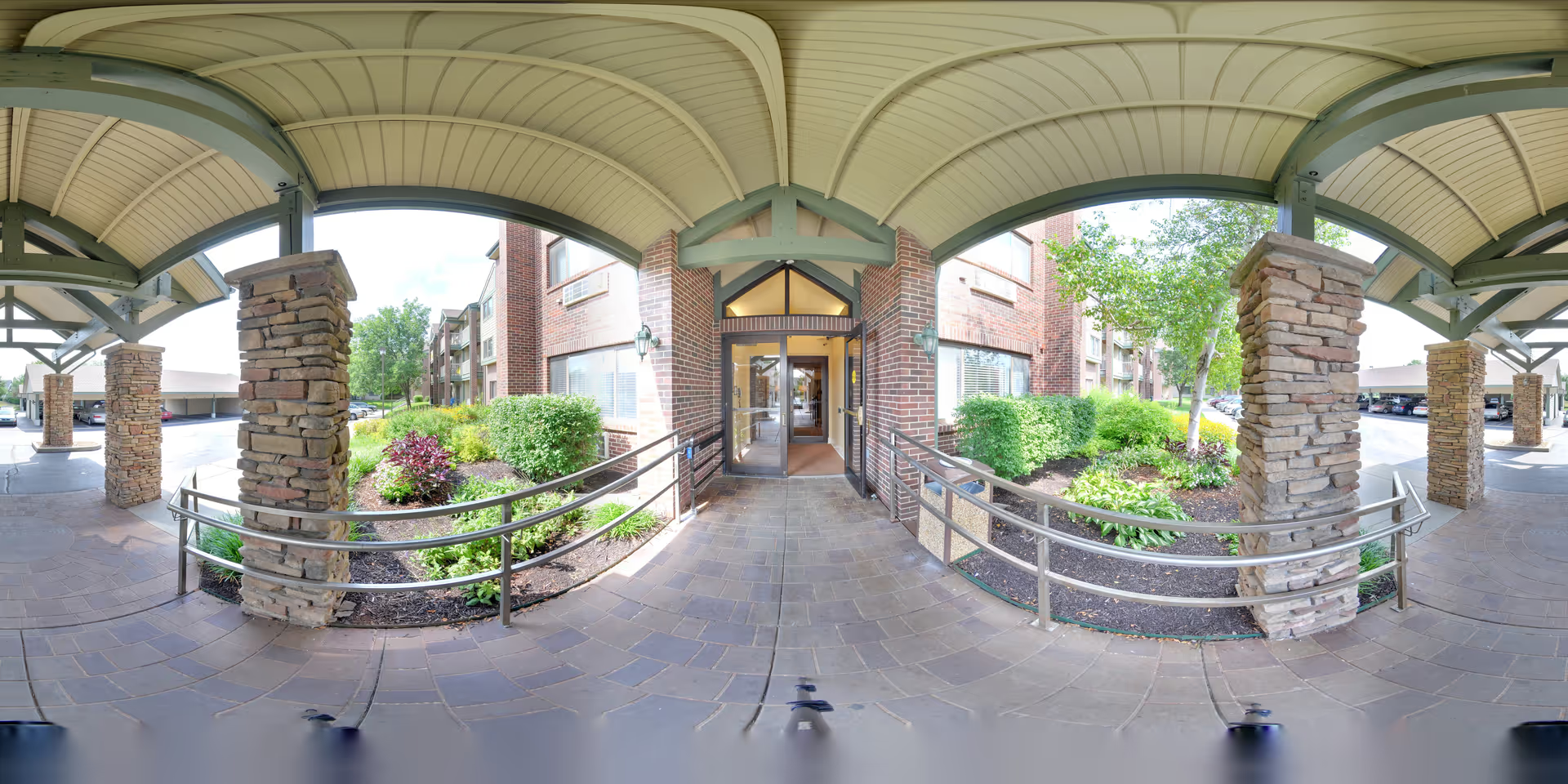
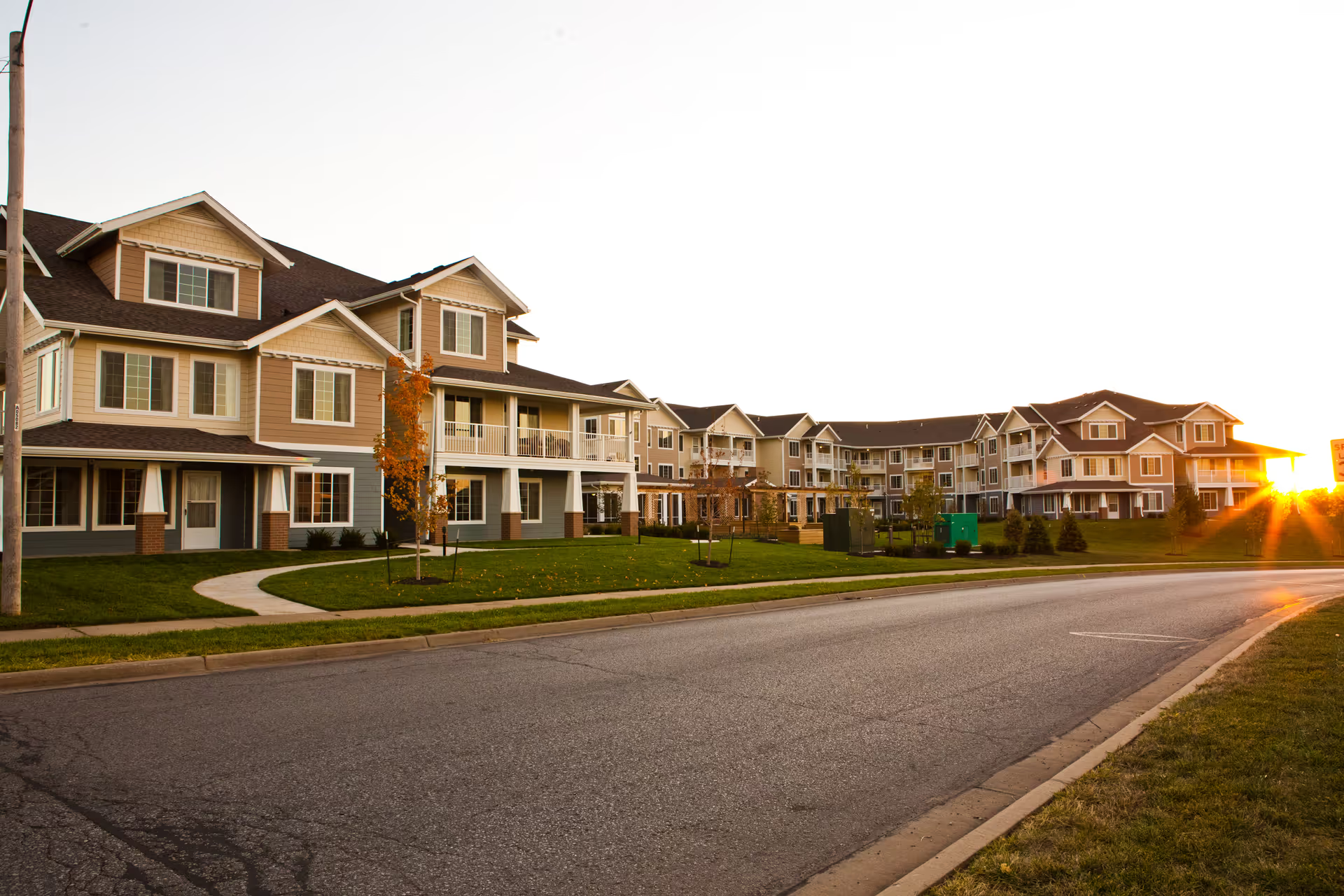
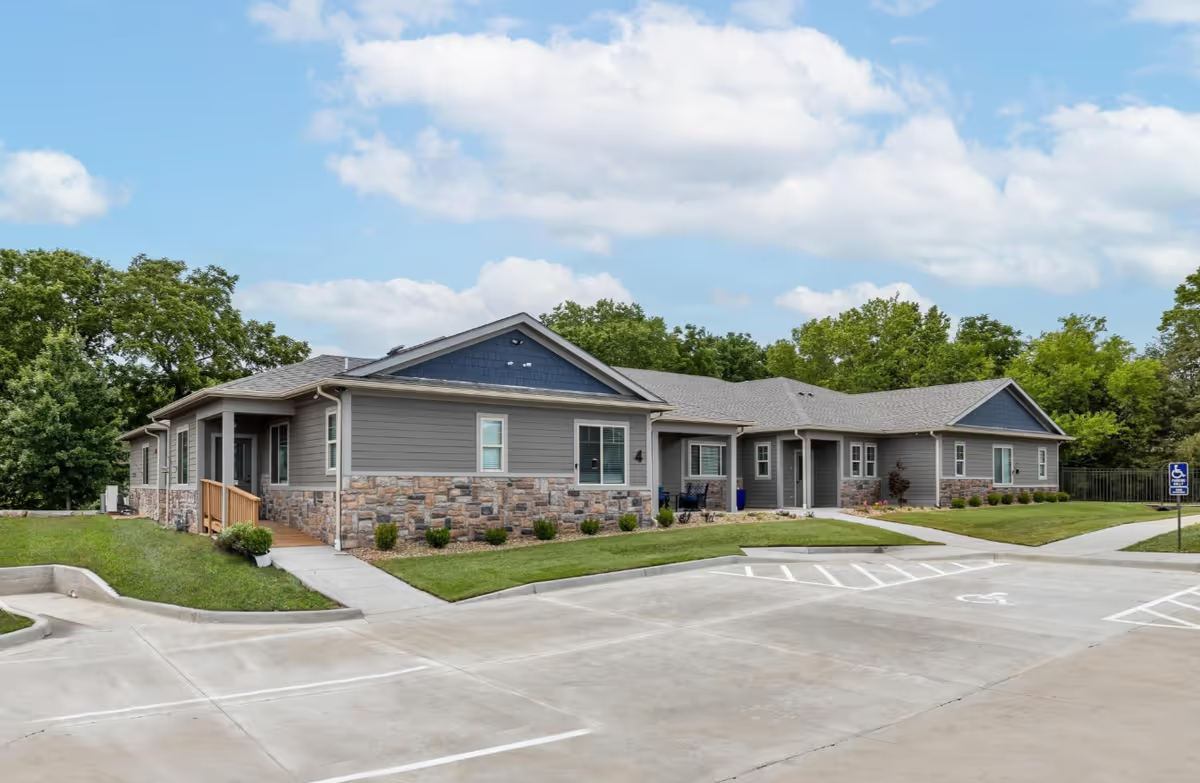
Overall impression: Reviews present a generally positive view of Homestead Assisted Living & Memory Care of Eudora with consistent praise for front‑line caregivers and the facility’s physical environment. Families frequently describe staff as attentive, compassionate, and skilled at providing individualized attention; many note that staff made residents feel at home and supported meaningful end‑of‑life experiences through hospice coordination and family events. The building itself is described as clean, new, and well decorated, with roomy apartments, wide halls, and a convenient location that contributed to families’ choice of the community.
Care and staff: Care quality is often characterized as family‑oriented and responsive. Reviewers highlight personalized care approaches — for example, staff integrating residents’ past interests into daily interactions — and many point to proactive nursing involvement, including a visible head nurse presence on the floor. This combination appears to give families a sense of safety and comfort. That said, several comments raise operational concerns: understaffing, periodic staff turnover, and gaps in how incidents are communicated to families. These issues suggest variation in day‑to‑day staffing levels and in internal notification practices, which can affect family trust and consistency of care.
Dining and activities: Dining receives generally favorable remarks about meal quality and pleasant dining spaces; some families appreciated restaurant‑style service and social events such as ice‑cream socials. A few reviewers noted slow service in the dining room. Activities programming is cited as a strength — particularly music hours, a structured activities calendar, and an engaged activities director — and many families credit the program with keeping residents active and engaged. At the same time, a minority of observations indicate variability in activity participation or limited offerings in particular units, implying that programming intensity may differ by neighborhood or staffing on a given day.
Facilities and memory care: The physical plant draws strong positive feedback for cleanliness, new construction, and comfortable apartments. Memory‑care services are praised in several accounts for focused programming and strong staff engagement; however, some comments describe memory‑care areas as relatively secluded or having limited social visibility, which could affect families’ perceptions of access and oversight. The facility’s pending or recent certifications (e.g., Medicaid) were also mentioned, which may be relevant for payment planning.
Management and notable patterns: Administrative impressions are mixed. Many families commend clear, proactive communication from administrators and effective coordination with nursing. Opposing remarks cite concerns about leadership conduct, transparency, and reliability of administrative staff, including one set of allegations concerning missing resident property. Together these patterns point to uneven experiences with management responsiveness and administrative trustworthiness. Cost is another recurring theme: a number of families judged pricing to be high compared with local alternatives, though several felt the cost matched the quality of care.
Conclusion: Prospective residents and families can expect a modern, clean facility with a strong caregiving culture, active programming (notably music and social events), and supportive hospice and end‑of‑life practices. Important tradeoffs to evaluate in person include observed staffing levels at different times of day, the dining service experience, administrative responsiveness and transparency, and how memory‑care neighborhoods are staffed and laid out. Asking for recent staffing ratios, incident‑notification protocols, and a sample activities schedule will help clarify whether the facility’s strengths align with a family’s priorities.