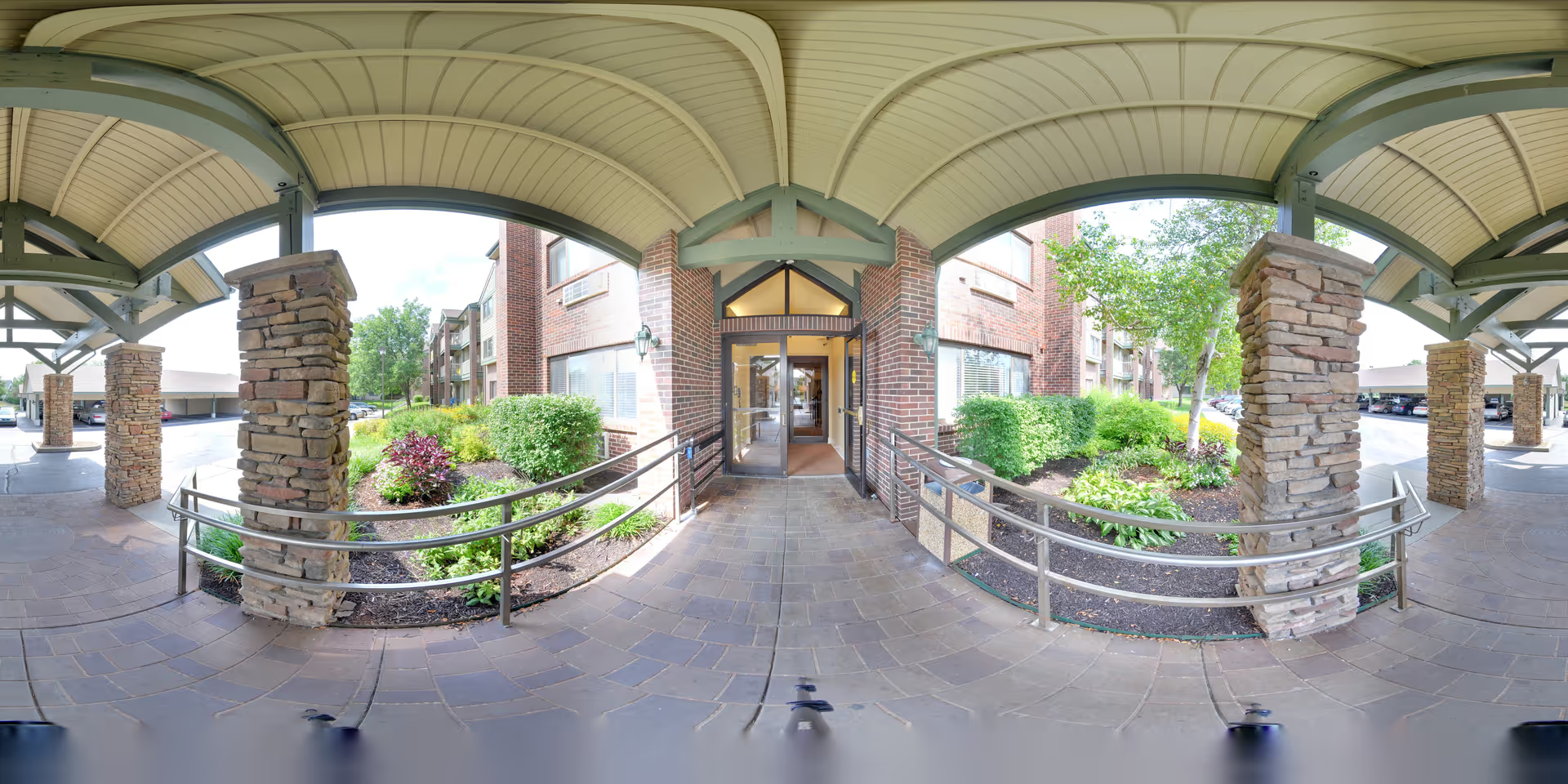
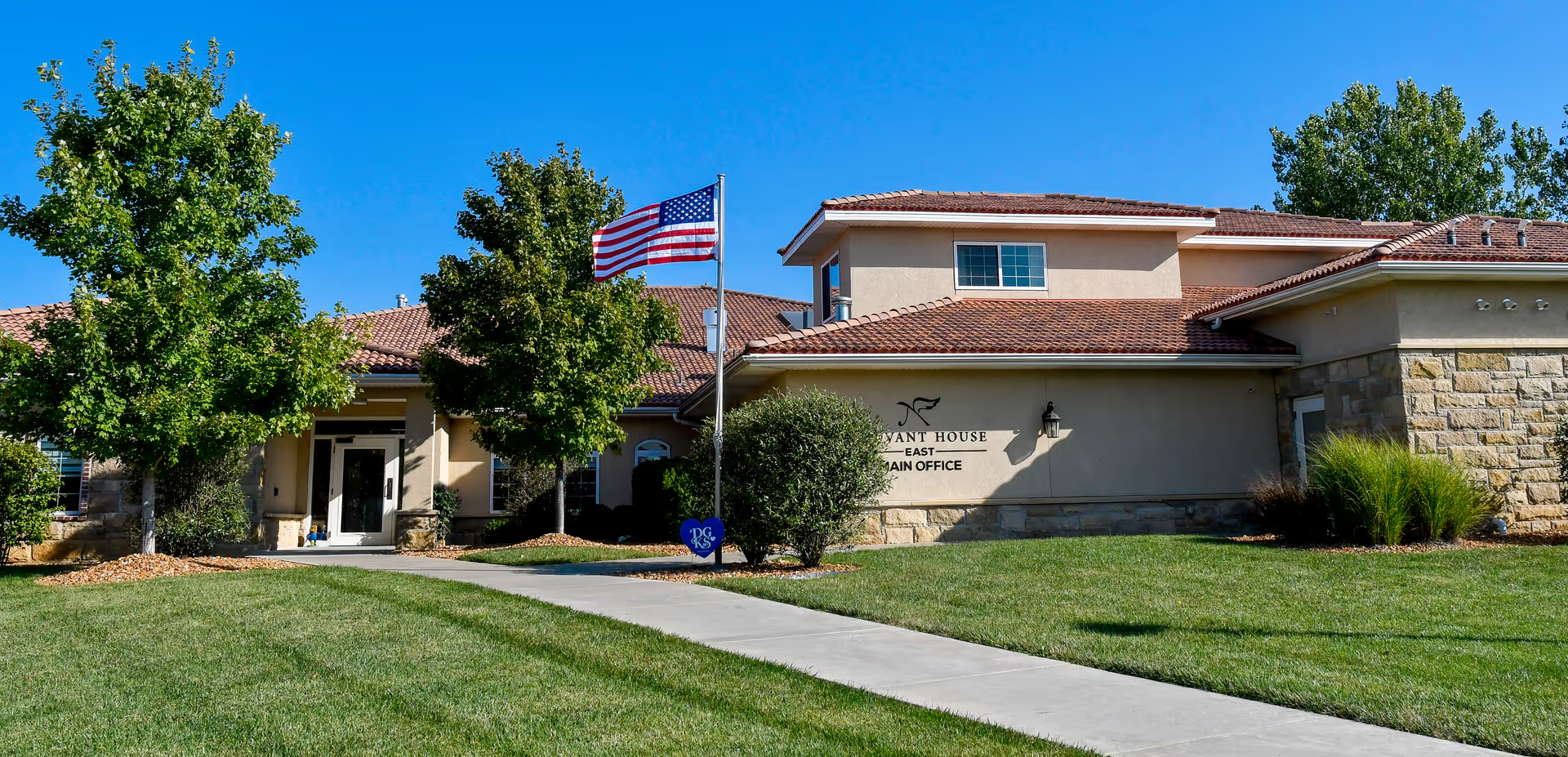
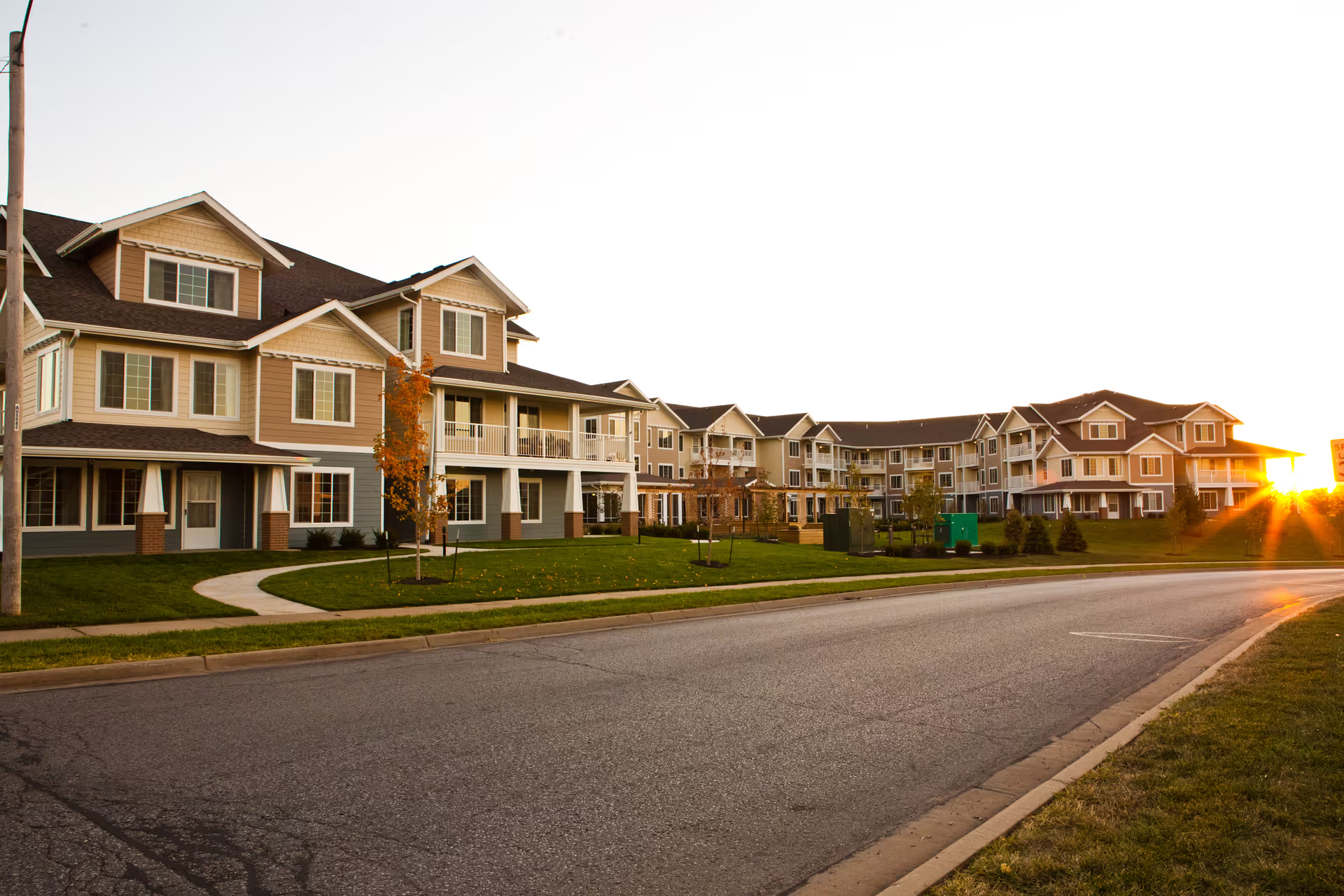
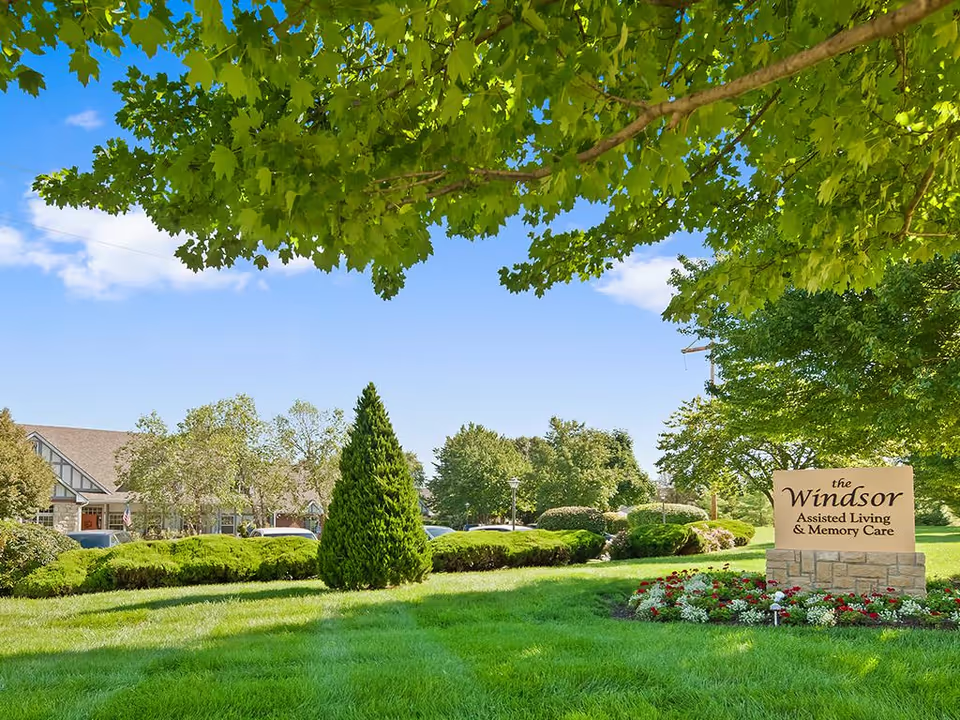
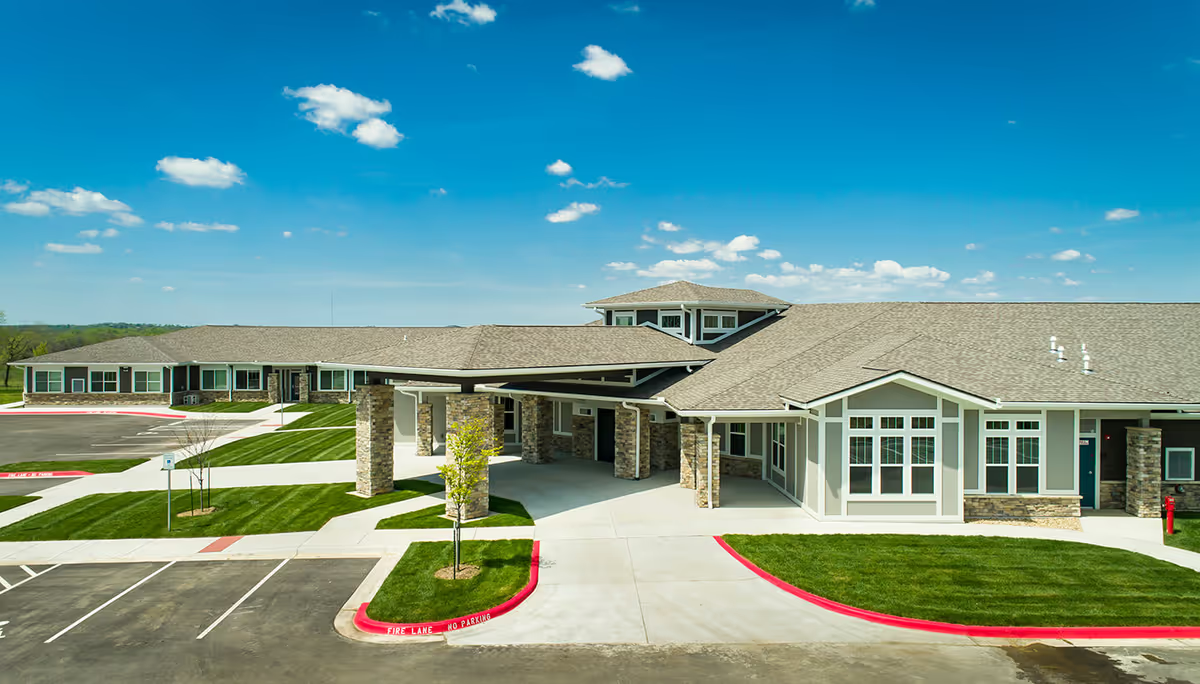
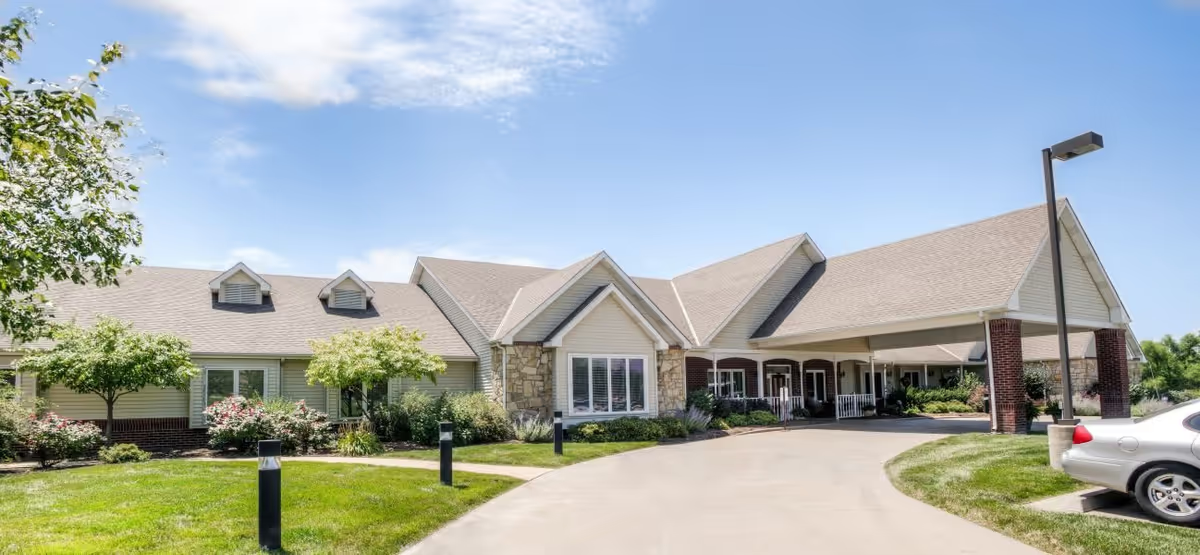
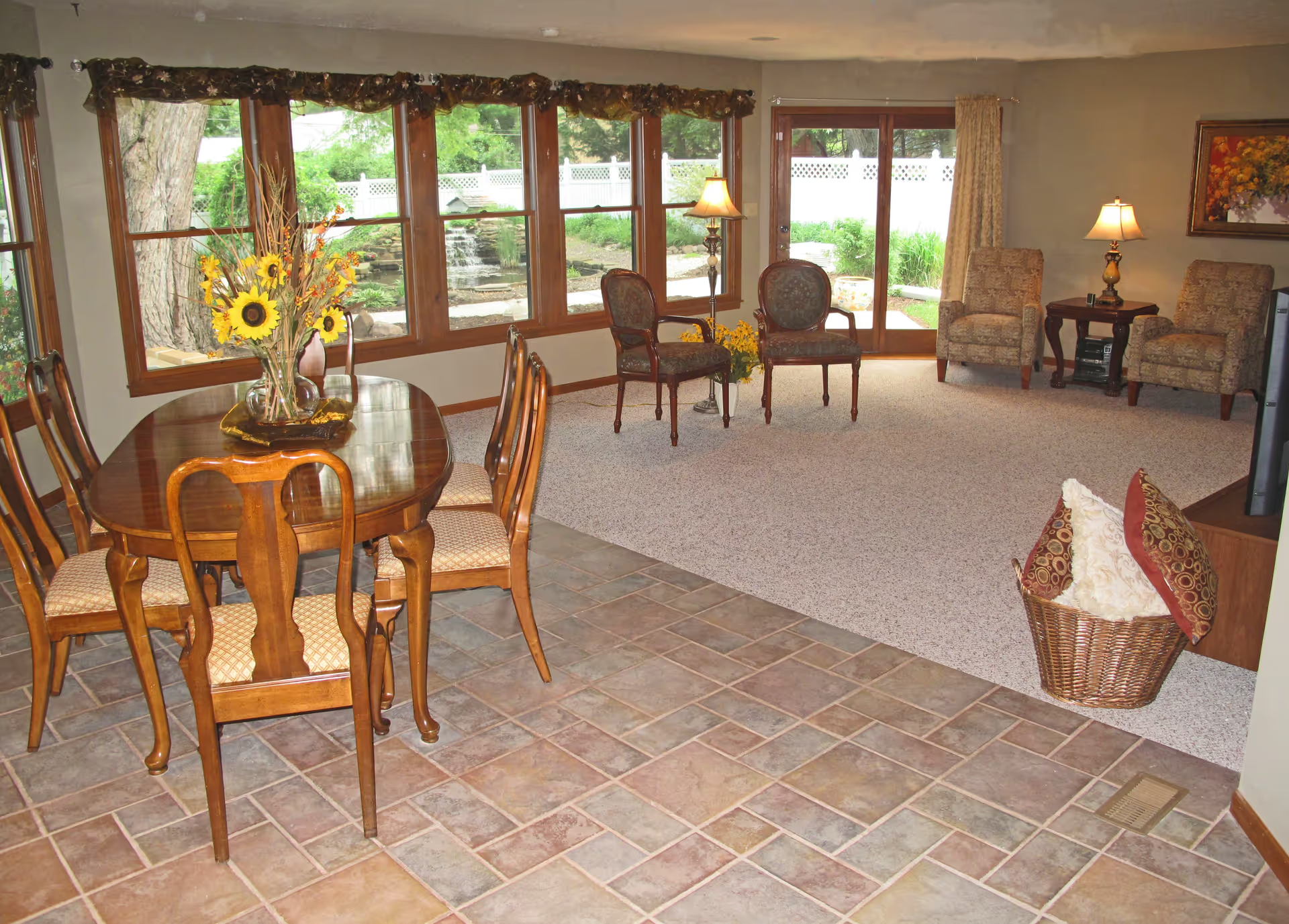
Bridge Haven Village receives considerable positive feedback for its day-to-day living environment and person-centered dementia care. Reviewers frequently praise the caregiving team as compassionate, respectful, and attentive; many point to a team-based approach in memory care that supports engagement and constant interaction. The facility's campus and common areas are described as clean, bright, and well maintained, with secure outdoor spaces, garden paths, benches, and family-oriented amenities that support a pleasant, home-like atmosphere.
Dining and programming are commonly cited strengths. Families and residents note home-style, nutritious meals and an active calendar of social and engagement programs. Several accounts highlight good food quality and high resident participation in activities. The facility's size and staff-to-resident ratio are often mentioned as enabling more personalized attention and a family-like culture.
Despite these positives, there are recurring operational concerns that prospective residents and families should evaluate. A pattern of issues around medication-management processes appears in multiple accounts, alongside broader training and supervision gaps for some direct-care staff. Relatedly, a subset of comments raise incontinence-care and sanitation-process concerns and make clear that practices and oversight can be uneven across shifts.
Communication and management consistency are other notable patterns. While some reviewers commend upper management and oversight, others describe inconsistent responsiveness, scheduling difficulty, and tour/admissions transparency problems. These mixed impressions indicate variability in leadership and family communication. Physical-layout limitations were also raised: dining and some activity areas are reported as tight, which can affect mobility and comfort for residents using wheelchairs or needing more space.
Overall, Bridge Haven Village demonstrates many strengths in caregiving, memory programming, dining, and facility upkeep that give families peace of mind in numerous accounts. However, the facility also shows operational weaknesses in medication controls, staff training/supervision, sanitation-related care processes, and consistent communication/management responsiveness. Prospective families should ask targeted questions during a visit — for example: how medication administration and audits are handled, staff training and supervision procedures, protocols for continence and hygiene care, staffing consistency across shifts, and how the facility communicates with families about changes in care. Checking recent inspection records and speaking with current families may help clarify how consistently the facility delivers on its strengths and addresses the concerns noted above.