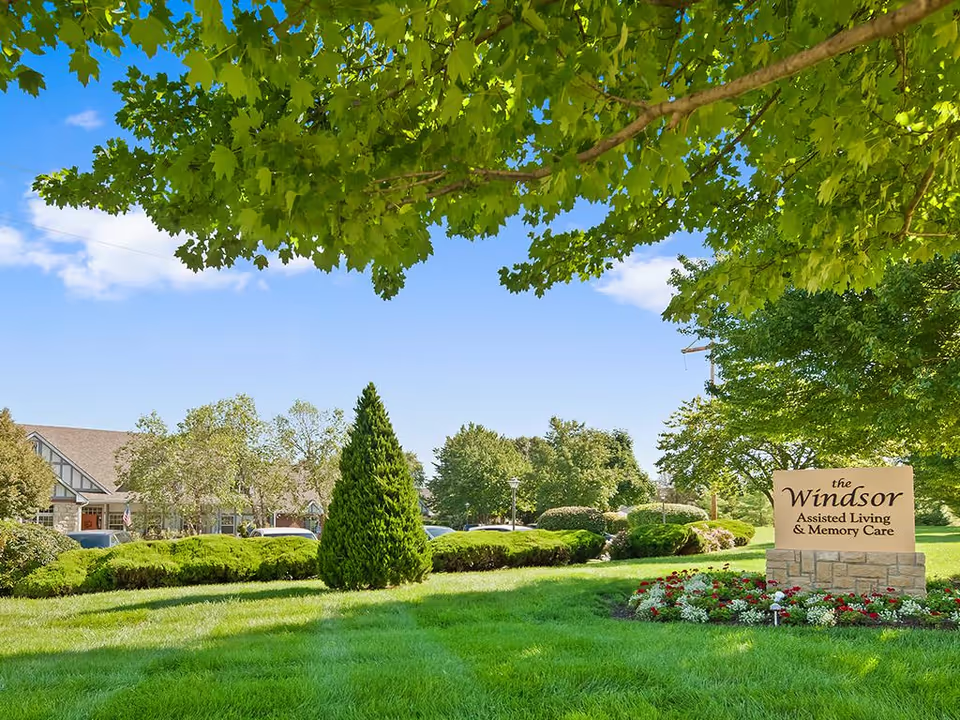
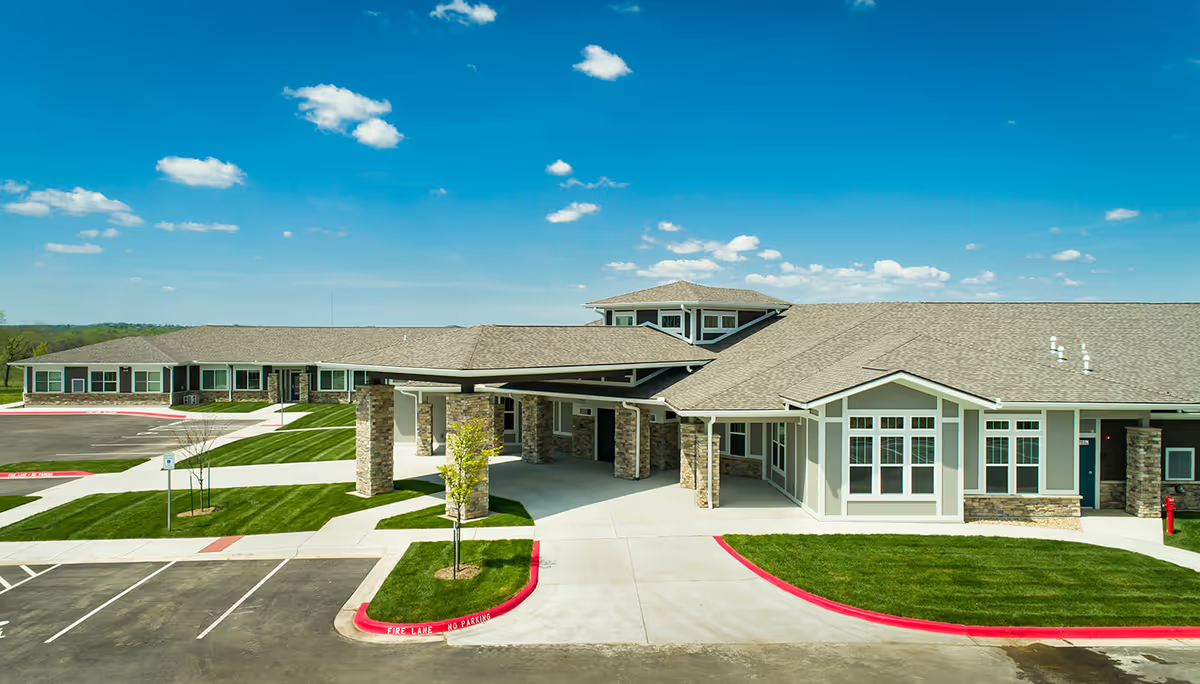
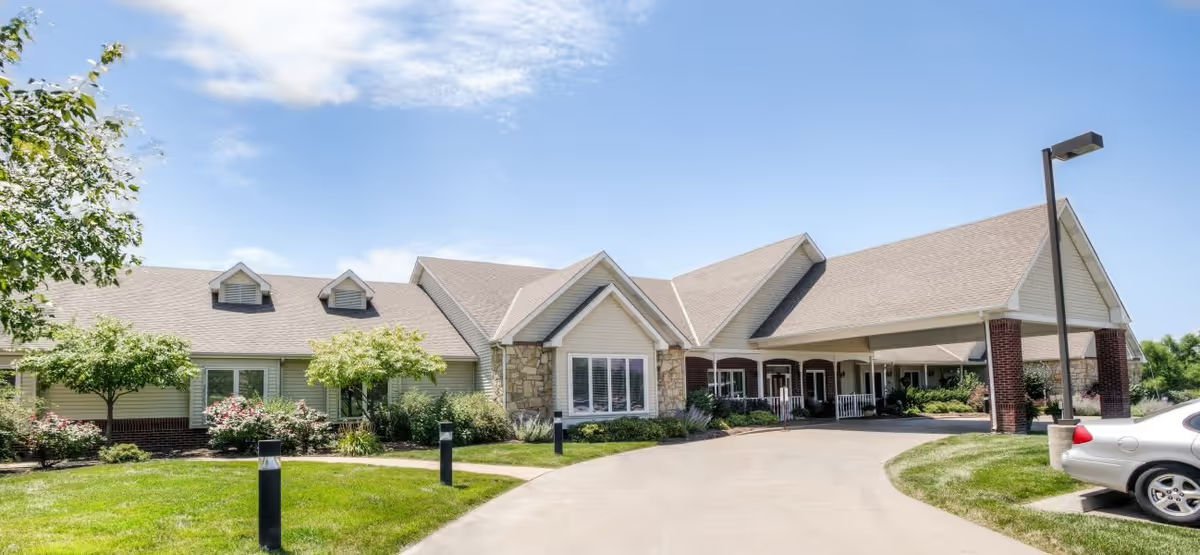
Overall impression: Brandon Woods at Alvamar is consistently described as an attractive, well-maintained senior living campus with a broad activity program and a staff culture that many families and residents find welcoming and attentive. The property’s grounds, walking paths, pool, and communal spaces receive frequent praise, and a number of reviewers emphasized a strong social environment and active calendar of events that support resident engagement.
Care and staffing: Many accounts highlight compassionate and engaged caregivers, visible leadership, and staff who know residents by name. At the same time, there is a recurrent operational concern about staffing consistency and responsiveness. Reviews reference delays in answering call lights and variability in how personal-care tasks (for example, bathing and grooming schedules) are handled. One serious clinical concern was described involving rapid, significant weight loss; such accounts point to potential gaps in clinical monitoring and escalation processes. Prospective families should ask specific questions about staff-to-resident ratios, supervision across shifts, and clinical monitoring protocols.
Dining and therapy: Dining is a strong point for many residents — restaurant-style service, varied menus, and generally favorable food quality are commonly cited. However, reviewers also note inconsistent meal quality at times and limited diabetic or therapeutic meal options for residents with special dietary needs. On-site therapy and rehab services are valued and often described as convenient and effective; other reviewers reported variability in therapy intensity or follow-through, suggesting that therapy plans and outcomes can differ by clinician or by unit.
Activities and community life: The community offers a wide array of programming — exercise classes (Fit For Life), book clubs, sing-alongs, outings, and therapy-supported activities — and many reviewers credited the activities team with fostering social connection. Transportation services and organized trips further support resident independence. Participation levels and program variety appear robust, though a few reviewers observed that some residents remain isolated or that activity participation can vary by resident cohort.
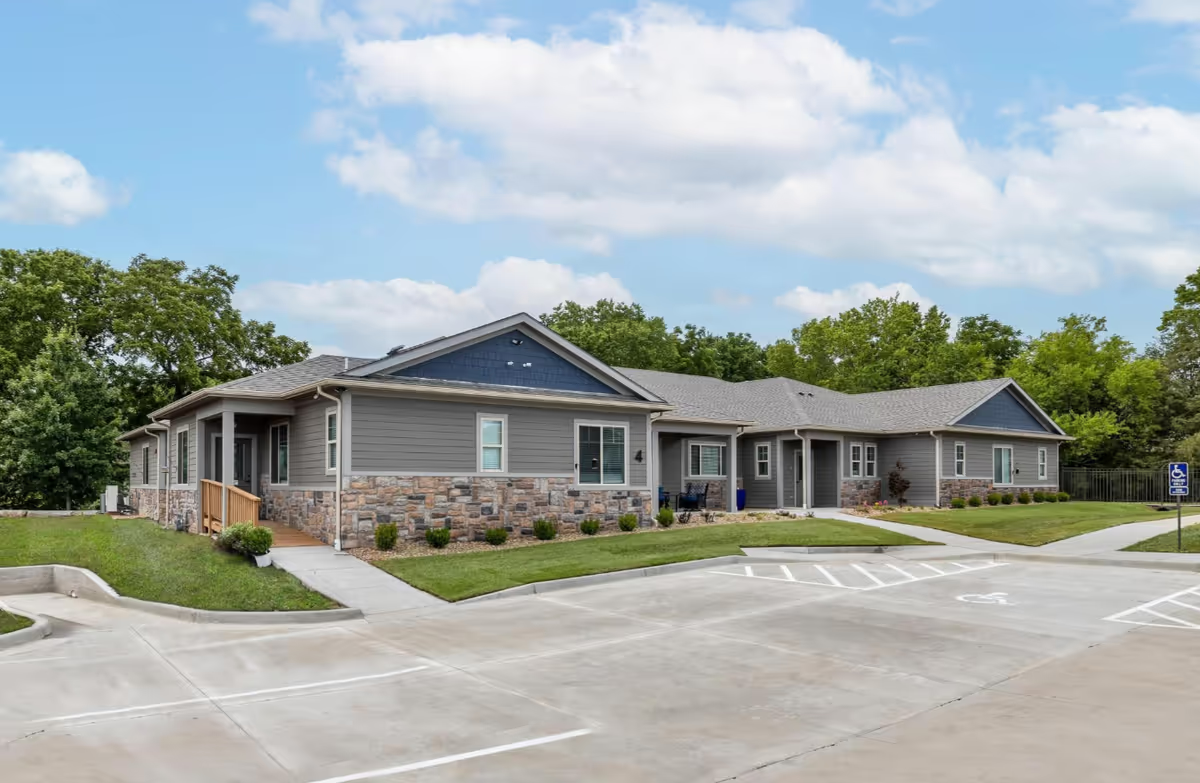
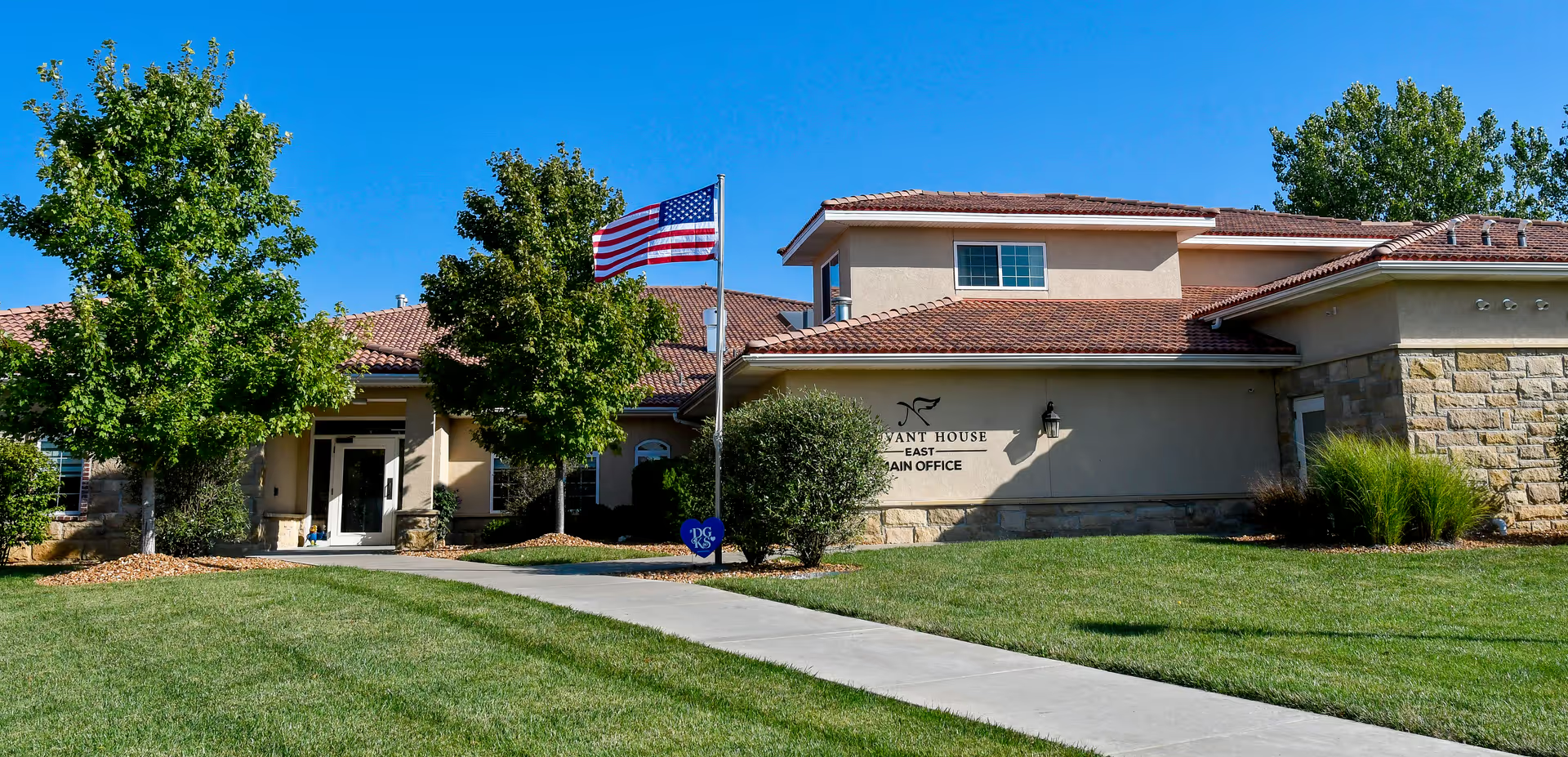
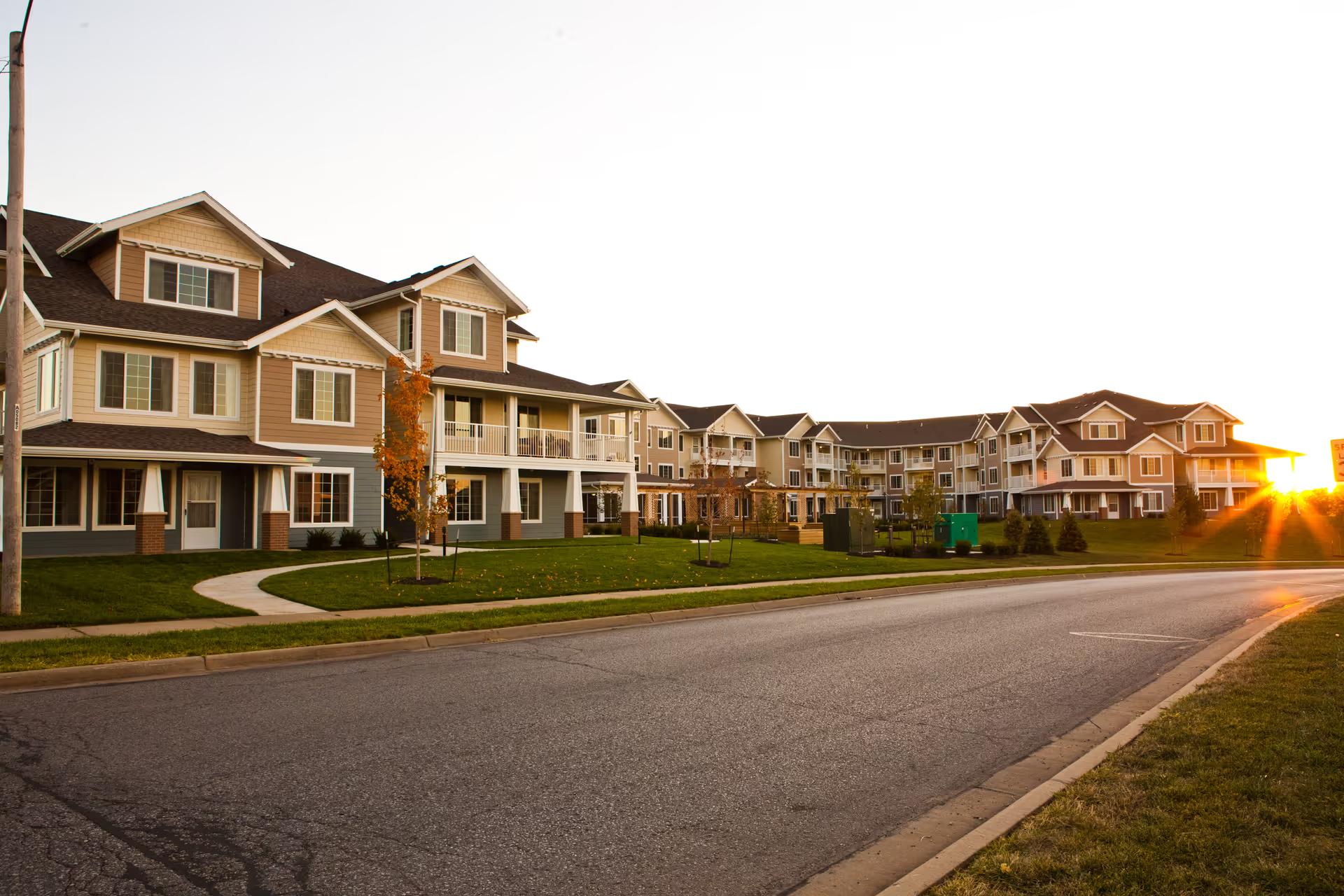
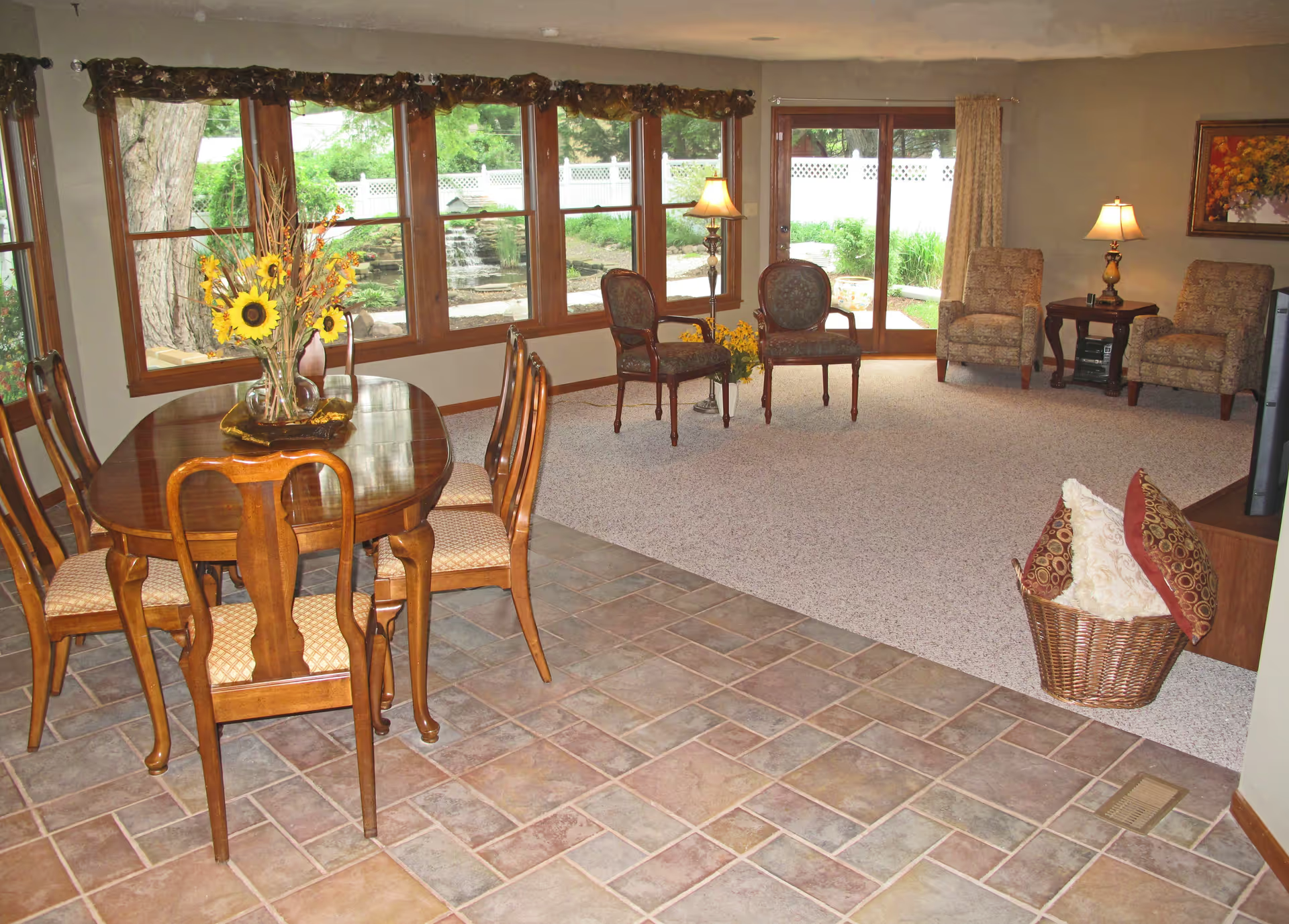
Facilities and operations: The physical plant and landscaping are frequent positives: clean common areas, well-kept décor, and included maintenance services (carpet cleaning, window washing, grounds and snow care) are noted. Apartment sizes range from smaller one-bedroom units to larger two-bedroom and townhouses; some units may have non-ADA doorways or limited space, so unit selection matters. Security measures (night door security, monitoring) and included housekeeping are advantages. Conversely, the campus’s size and multiple care areas can create navigation or supervision challenges, and there are intermittent comments about cleanliness or odor concerns in specific areas.
Management and notable patterns: Management communication is cited as a strength by many families; yet other accounts describe disorganization and poor inter-staff communication. Cost is frequently described as higher than some competitors, and a few families questioned value relative to price when operational issues (staffing, meal variability, or availability of assisted living units) were present. Given the mix of strong positive experiences and some serious concerns, prospective residents and families are advised to conduct an in-person tour, request current staffing ratios and recent inspection or quality metrics, review sample care plans, ask about diabetic/therapeutic meal provision, confirm assisted-living availability and transfer procedures, and speak with current residents or families about day-to-day responsiveness. These targeted questions will help balance the facility’s clear strengths against the operational patterns that have led to concern for some families.