Overall impression: Brookdale College Square is described by families as a memory-care–focused community with a strong emphasis on compassionate, person-centered caregiving and an unusually active programming calendar. Reviewers consistently highlighted warm, validation-oriented interactions, long-tenured staff, and an environment that many families characterize as homelike and comforting. The community's structure—smaller households, separate dining areas, and a courtyard—supports social engagement and a neighborhood feel.
Care and staff: Care quality is the community's most consistently praised attribute. Families report that nursing and caregiving teams are attentive, patient, and knowledgeable about dementia care; staff often learn residents' names and histories and prioritize dignity and comfort. Management and clinical staff receive frequent positive comments for responsiveness and clear communication with families, including regular phone updates, photos, and invitations to participate in activities. At the same time, reviewers describe operational strains: periodic staffing shortages, limited RN coverage at times, and intermittent delays in responding to some resident care needs. There are also isolated but serious reports—framed here as allegations—relating to theft and staff inaction that prospective families should investigate during a tour and contract review.
Dining and clinical practices: Dining arrangements are flexible, with multiple dining rooms and family-style options; many families appreciated presentation and meal service. Opinions about food quality vary: several reviewers praised the chef and meals, while others found food bland or inconsistent. Clinical practices garnered mixed notes as well—some families praised thoughtful medication review and deprescribing when appropriate, while others pointed to occasional communication gaps or documentation/housekeeping lapses that affected care continuity.
Activities and programming: Activities are a clear strength. The activity team—often identified by name—receives high marks for creative, varied programming that includes music and piano programs, reminiscence activities, themed celebrations, exercise, art, outings, and intergenerational or family events. These programs are credited with increasing resident engagement, mood, and quality of life, and reviewers repeatedly describe smiling, participatory residents and a lively communal atmosphere.
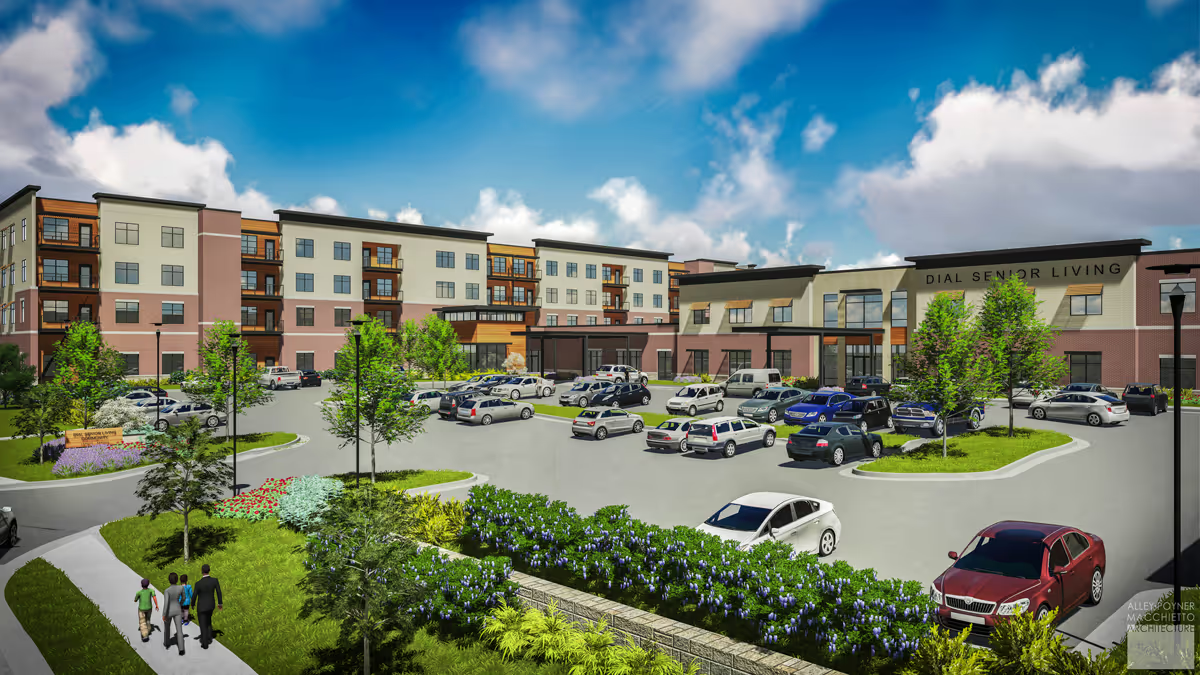
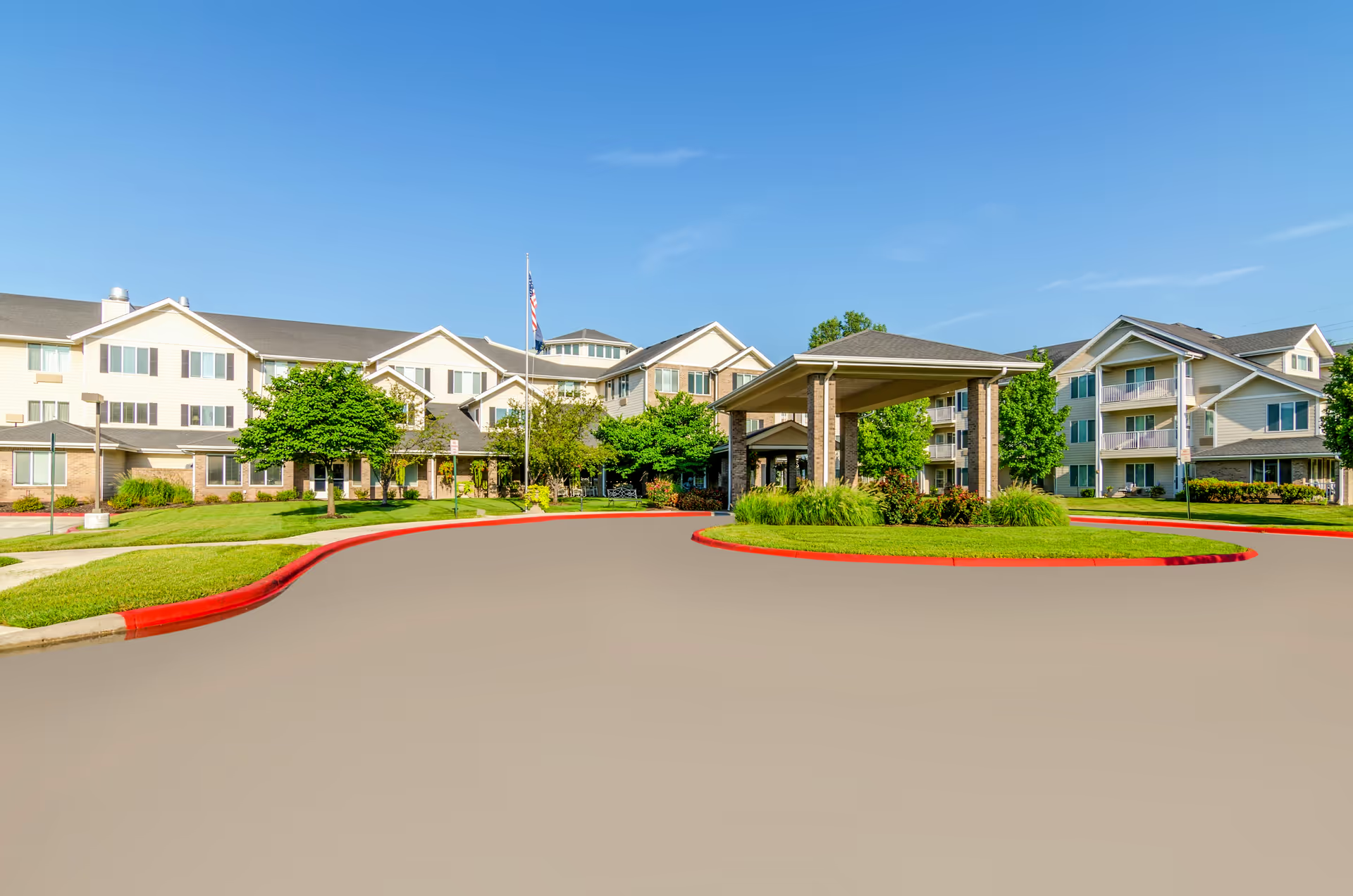
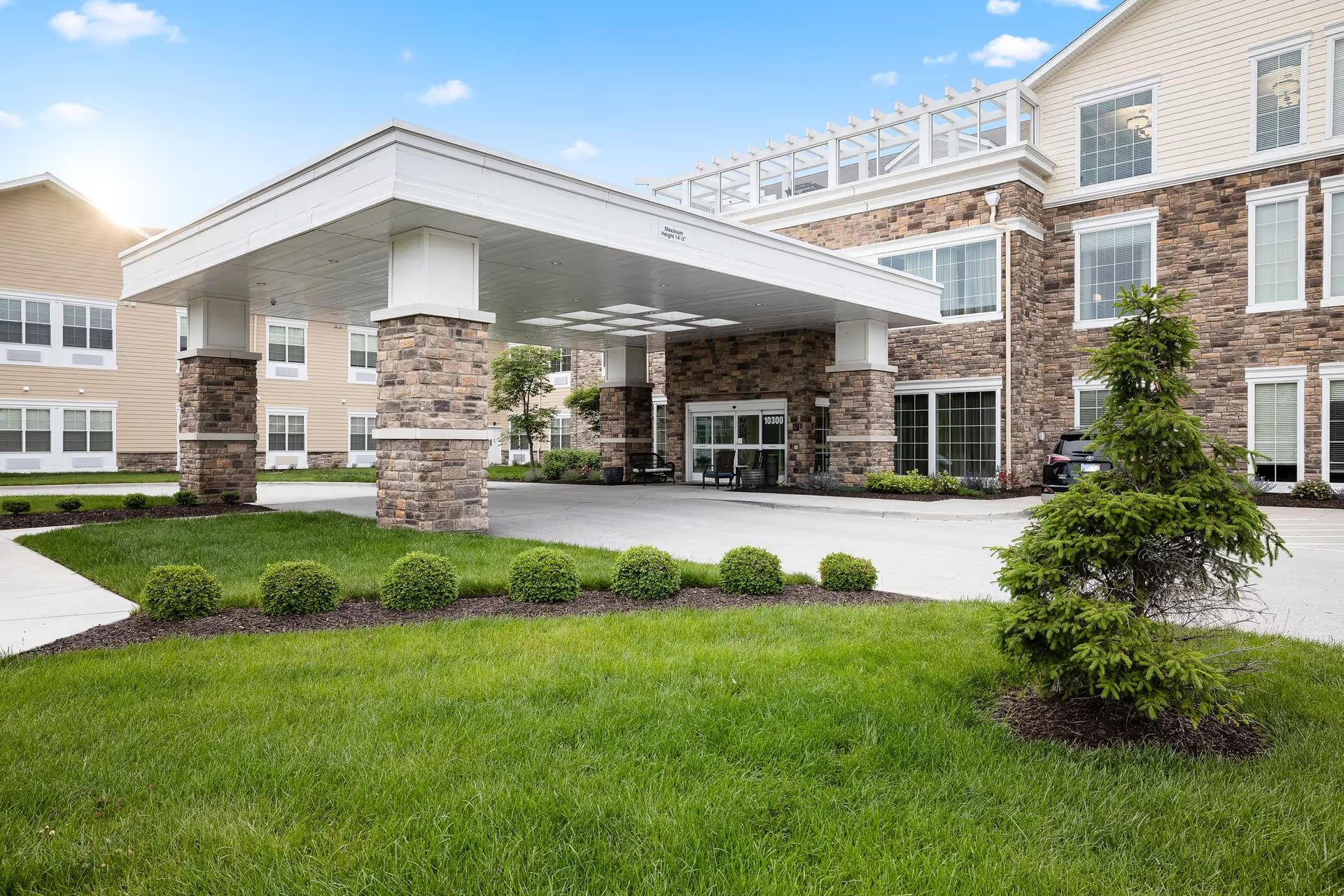
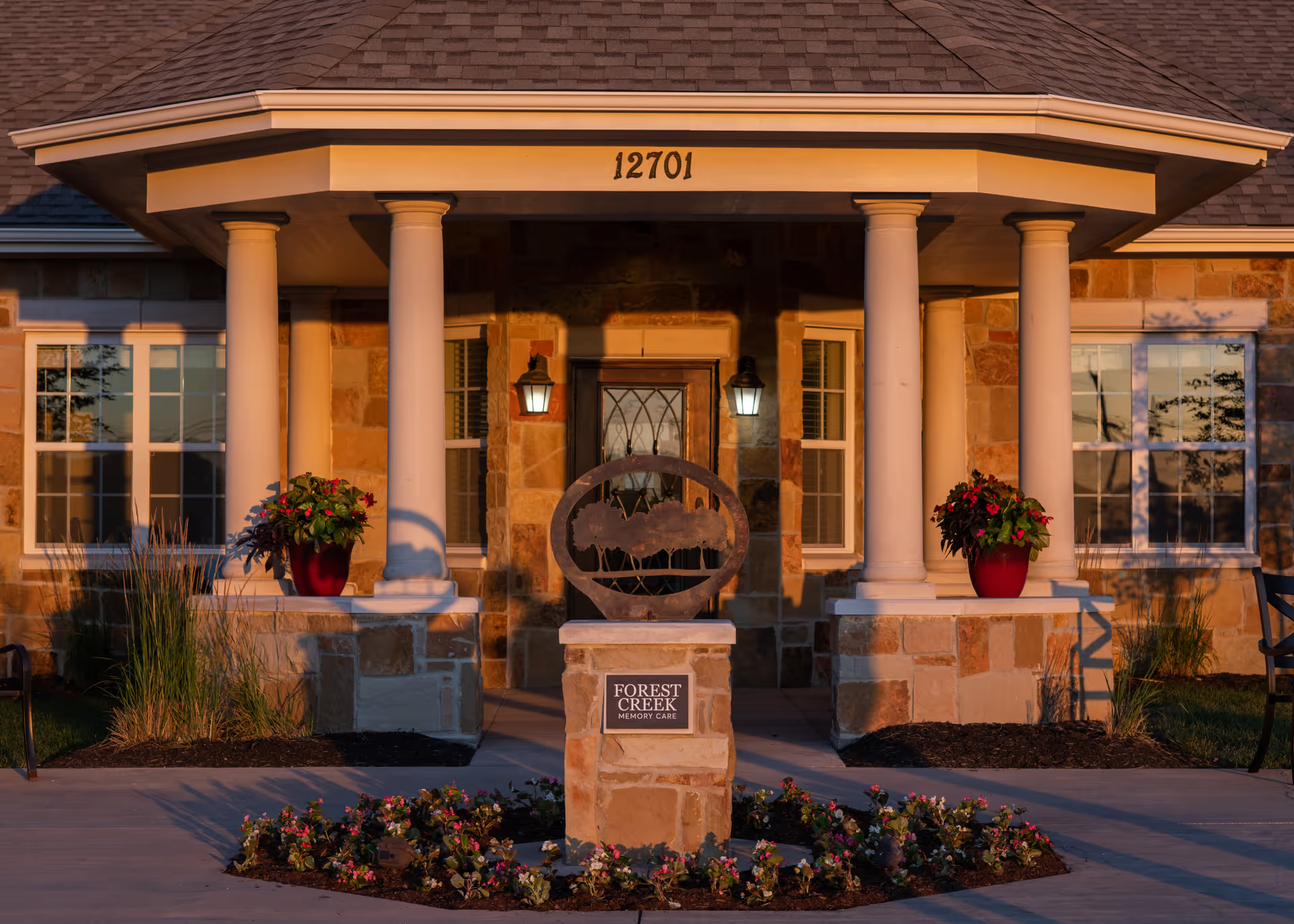
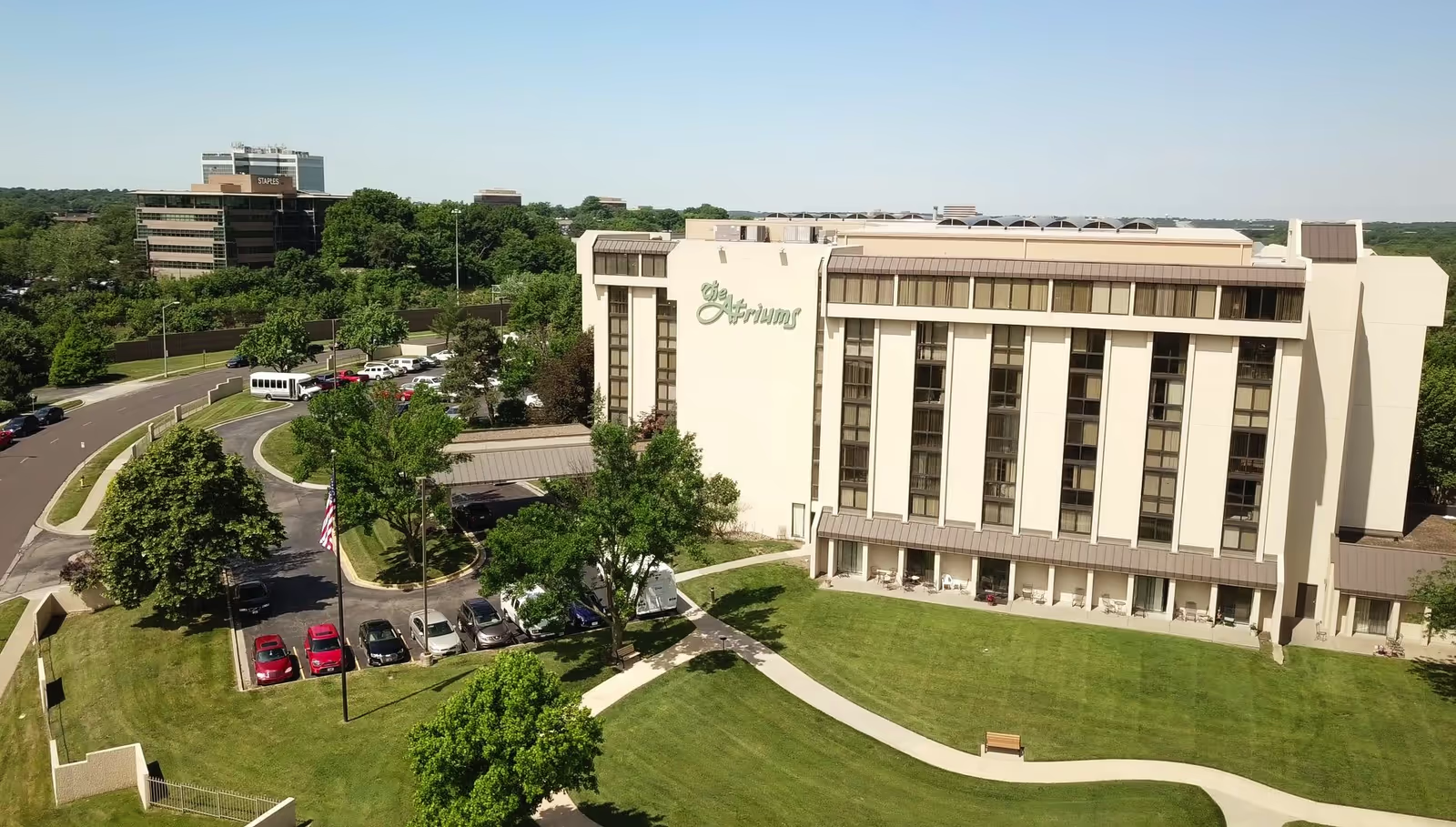
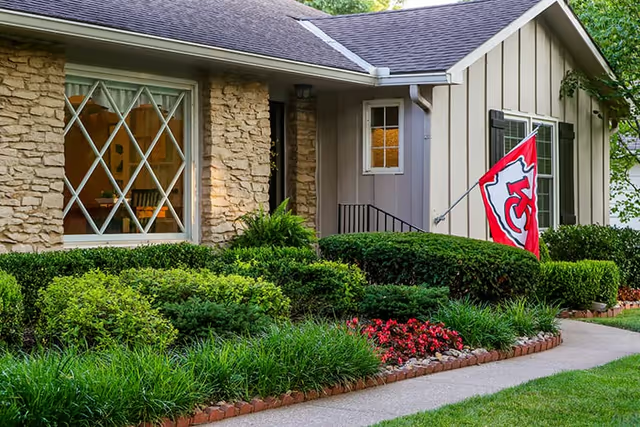
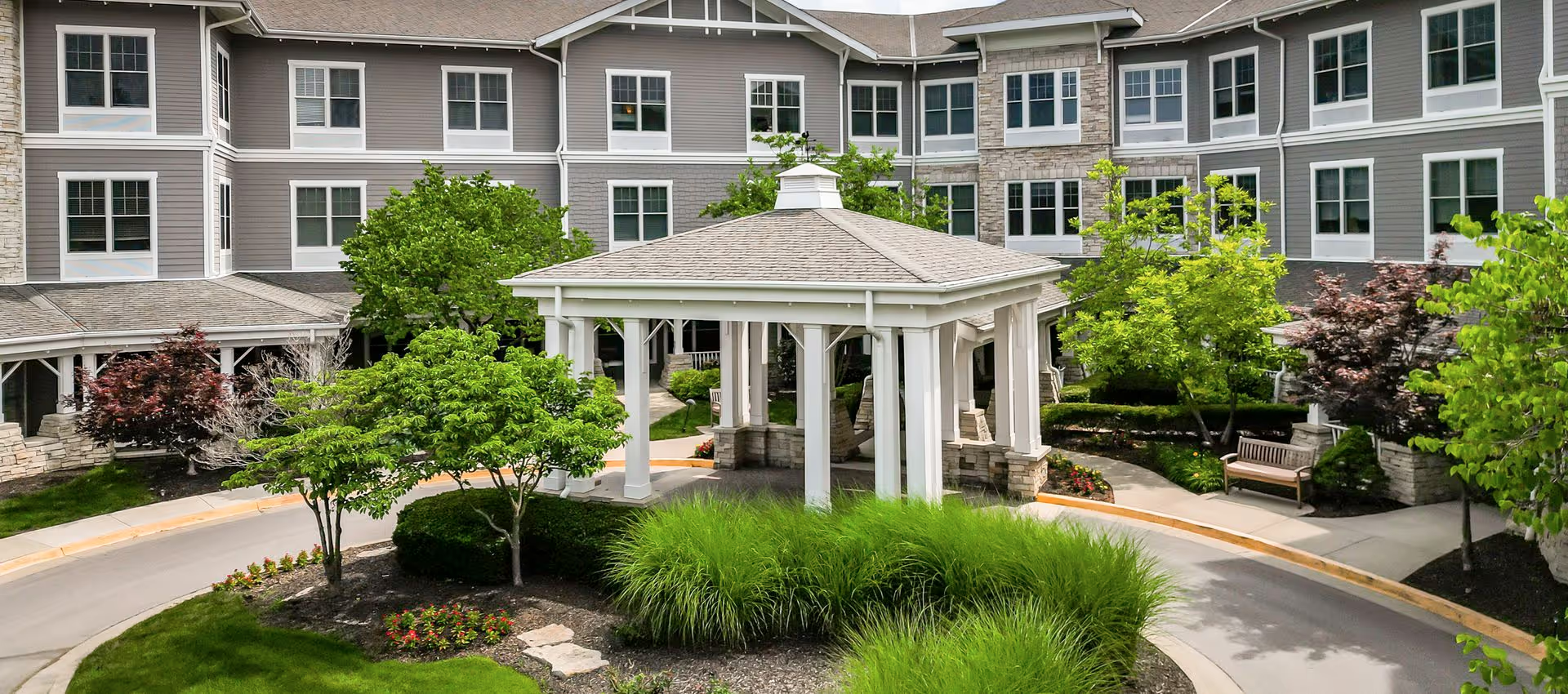
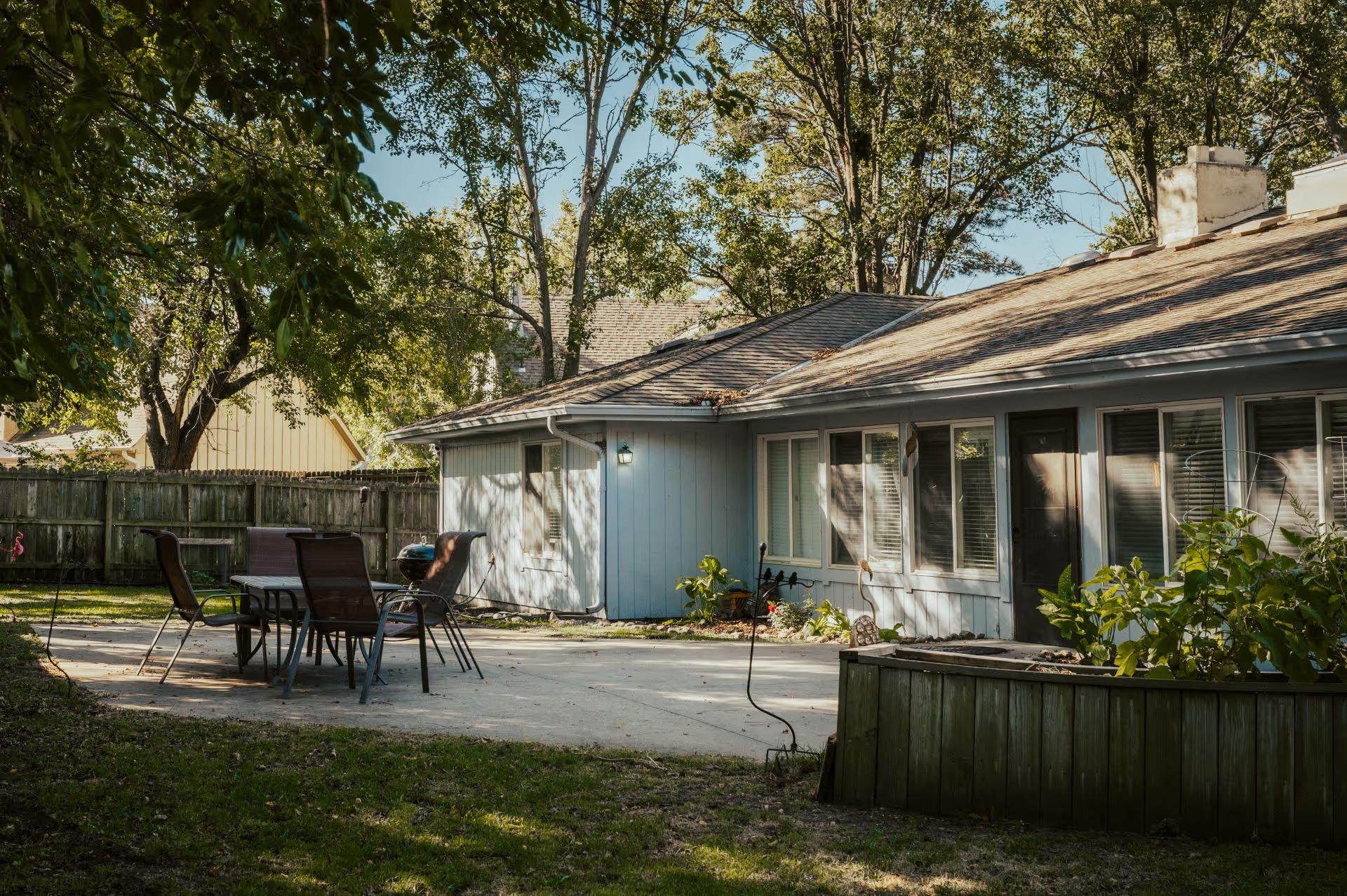
Facilities and physical environment: The community is generally described as clean, well maintained, and pleasant, with a notable courtyard and outdoor seating. The neighborhood-style layout and smaller wings support socialization but can be confusing to visitors (four-corridor arrangement). Room sizes are modest; some families noted small bedrooms and limited space for couple accommodations. Reviewers also noted areas that appear dated or in need of updating and a lack of an on-site gym or broader exercise facilities.
Management, cost, and notable patterns: Brookdale College Square is positioned as a memory-care specialist and is described as proactive around transitions and family engagement. Management is often characterized as responsive and supportive during move-in and care coordination. Cost is described as on the higher side, and the community does not accept Medicaid; a few families raised issues about pricing and contract transparency that merit careful review. While the overall pattern of feedback is positive—especially regarding staff warmth and activity engagement—prospective families should weigh those strengths against operational constraints such as staffing fluctuations, room size limitations, variable dining experience, and the isolated but significant allegations that were reported.
Recommendation guidance: For families seeking a memory-care environment with strong, creative activity programming and a highly relational staff culture, College Square appears to offer substantial quality-of-life benefits. Prospective residents with higher clinical needs or couples requiring larger private space should assess RN coverage, one-on-one care capacity, and room configurations during a visit. Verify contract terms, inquire specifically about staffing ratios and incident response procedures, and request examples of how the community addresses the operational issues noted above before finalizing placement.