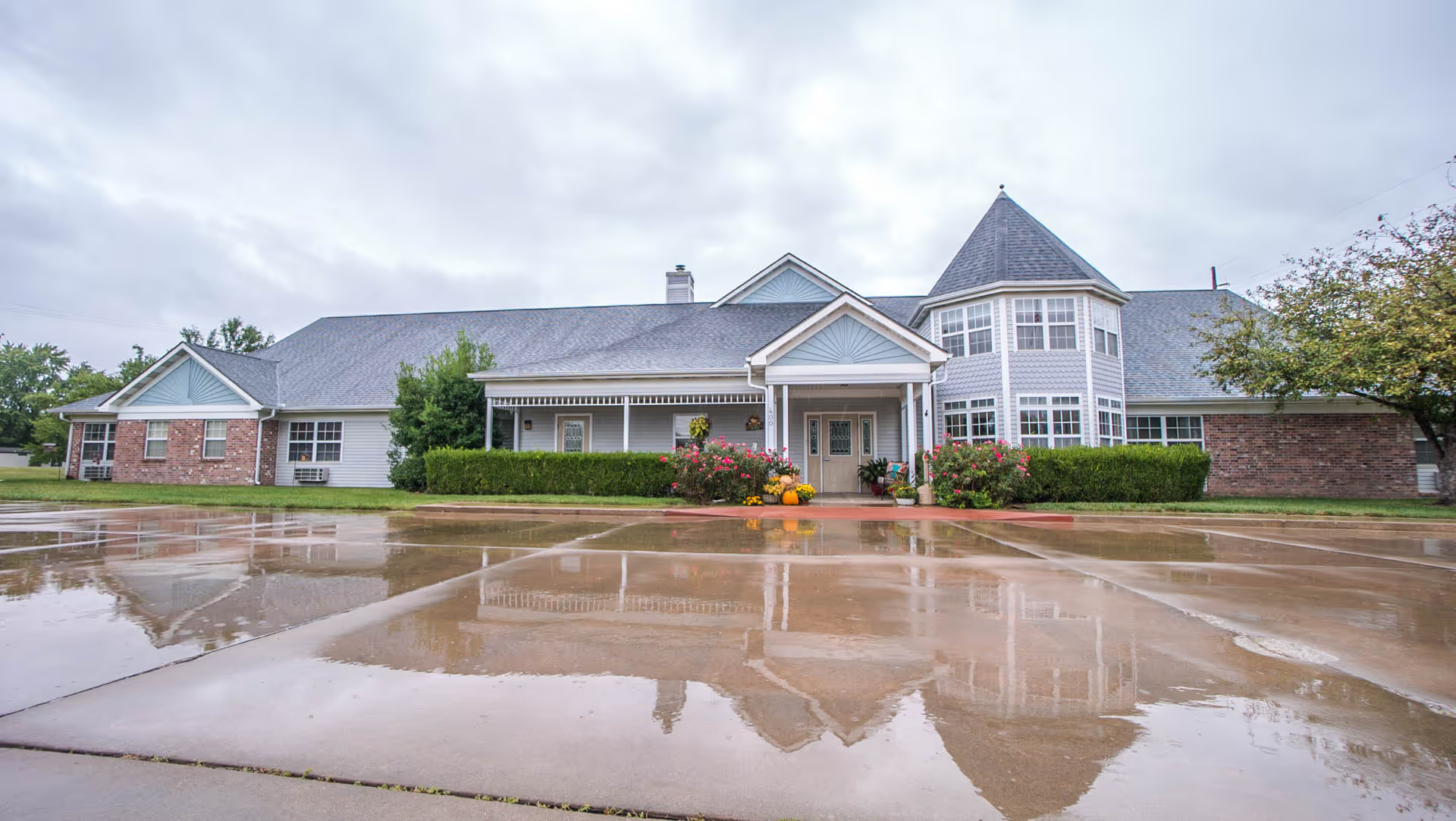
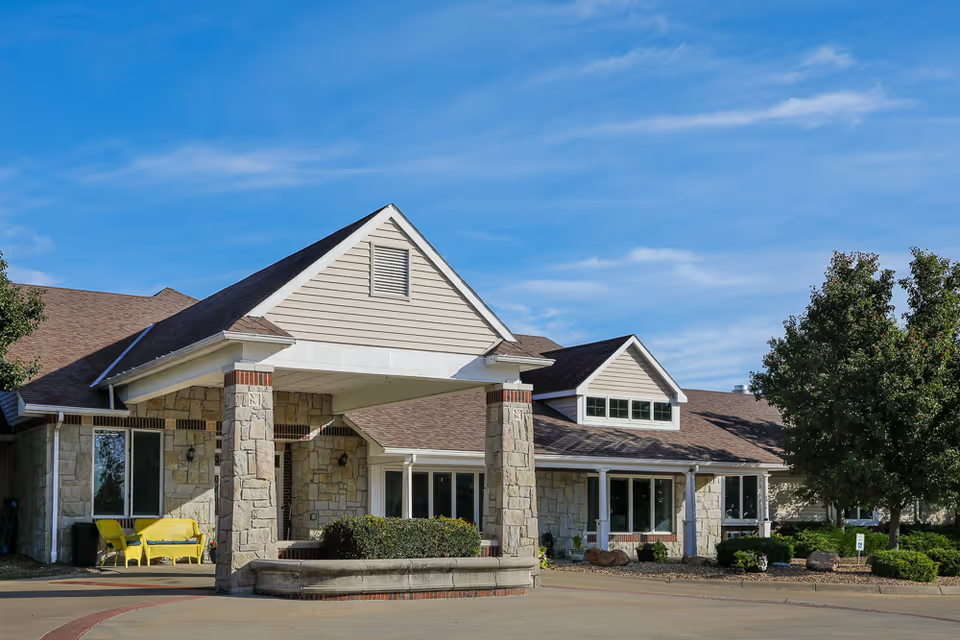
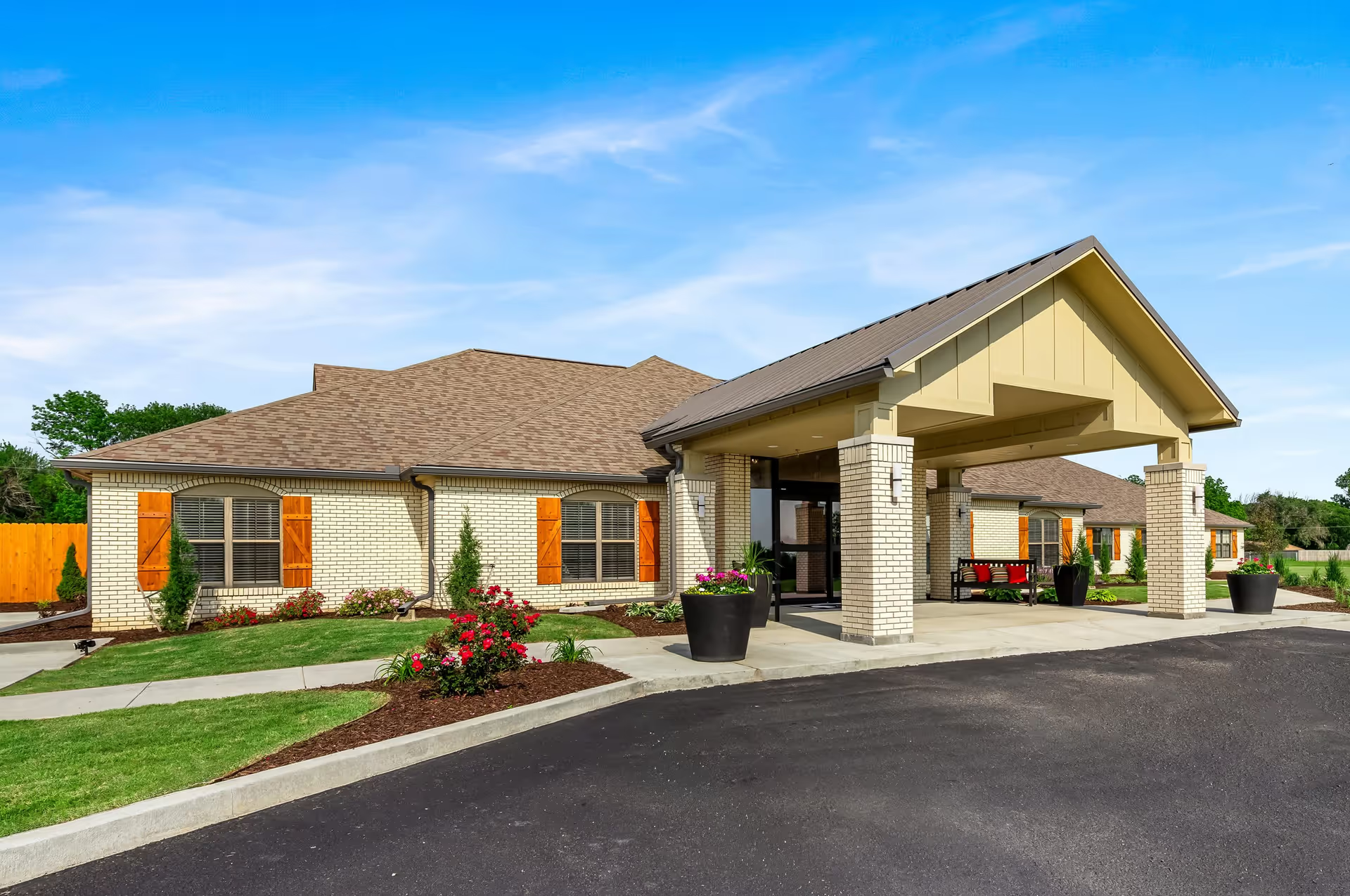
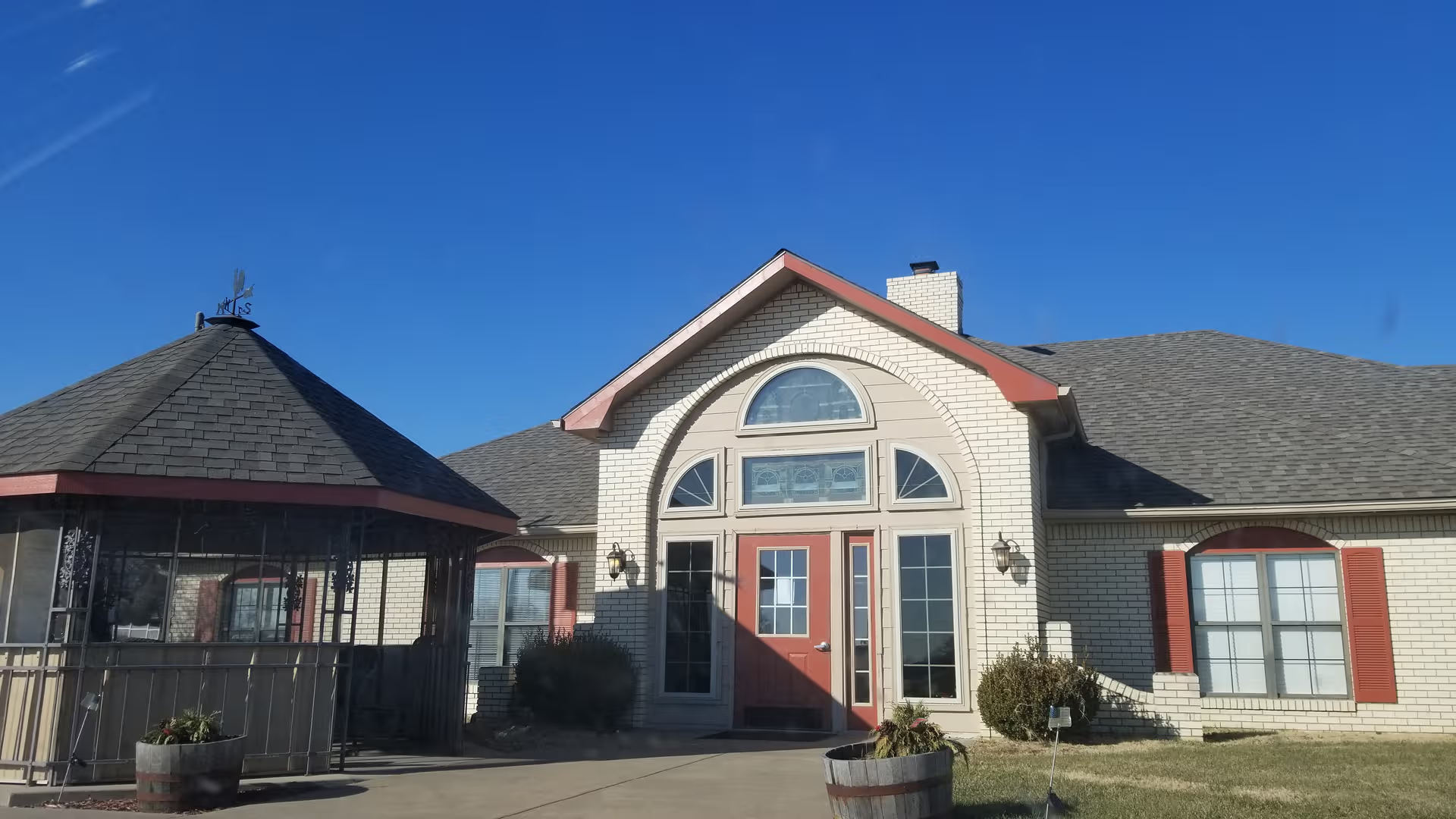
Elmhaven is described by families as a facility with a home-like atmosphere and generally well-maintained physical spaces. Reviewers highlight a clean interior, private and double rooms with en-suite bathrooms, on-site therapy resources, and full-bath options. The dining and meal-preparation aspects are noted as present and functional, and several accounts point to active social programming that fosters friendships and resident engagement.
Direct-care aides receive consistently positive mention for their compassion and bedside manner; many families say aides provide attentive, polite care and perform frequent check-ins that help residents feel comfortable. These hands-on strengths appear to be a key reason some families feel their loved ones are well-treated and settled at the facility.
At the same time, a pattern of clinical and operational concerns emerges across reviews. Several descriptions indicate inconsistent clinical monitoring (for example, irregular bed checks and wound-prevention measures) and lapses in medication-administration and equipment management. Reviewers connect some of these issues to inadequate staffing levels and workforce stability, which also affect timely response to resident needs and the enforcement of safety protocols during transfers and bed adjustments.
Management and communication are additional mixed areas. While direct-care staff are often praised, reviewers describe variability in nursing responsiveness and professional conduct, and they cite challenges in family communication and care coordination. Workforce compensation and benefits limitations were noted as factors that may contribute to staffing instability. A small number of accounts raise concerns about cultural-sensitivity and the tone of staff interactions with certain residents; these descriptions suggest a need for clearer policies and staff training around inclusivity and respectful communication.
For prospective residents and families, the facility offers clear positives in facilities, social programming, and compassionate direct-care aides. However, interested parties should ask targeted questions about staffing ratios and scheduling, protocols for clinical monitoring (including wound prevention and bed/check routines), medication and equipment handling procedures, fall- and transfer-safety practices, and how the facility documents and communicates incidents to families. Requesting recent staffing rosters, turnover information, and examples of care-plan communication may help assess whether the operational concerns noted by some families have been addressed.