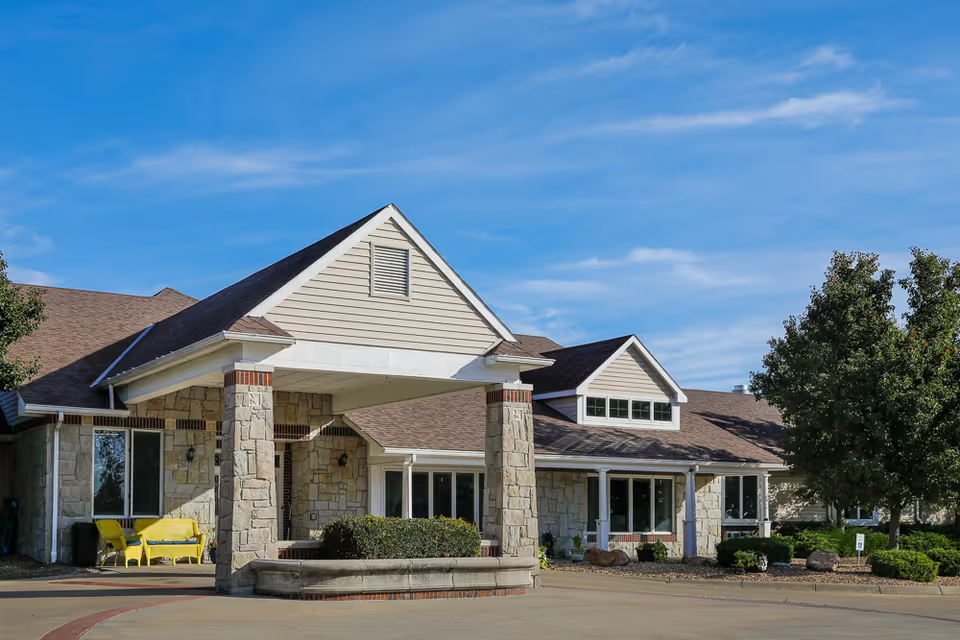
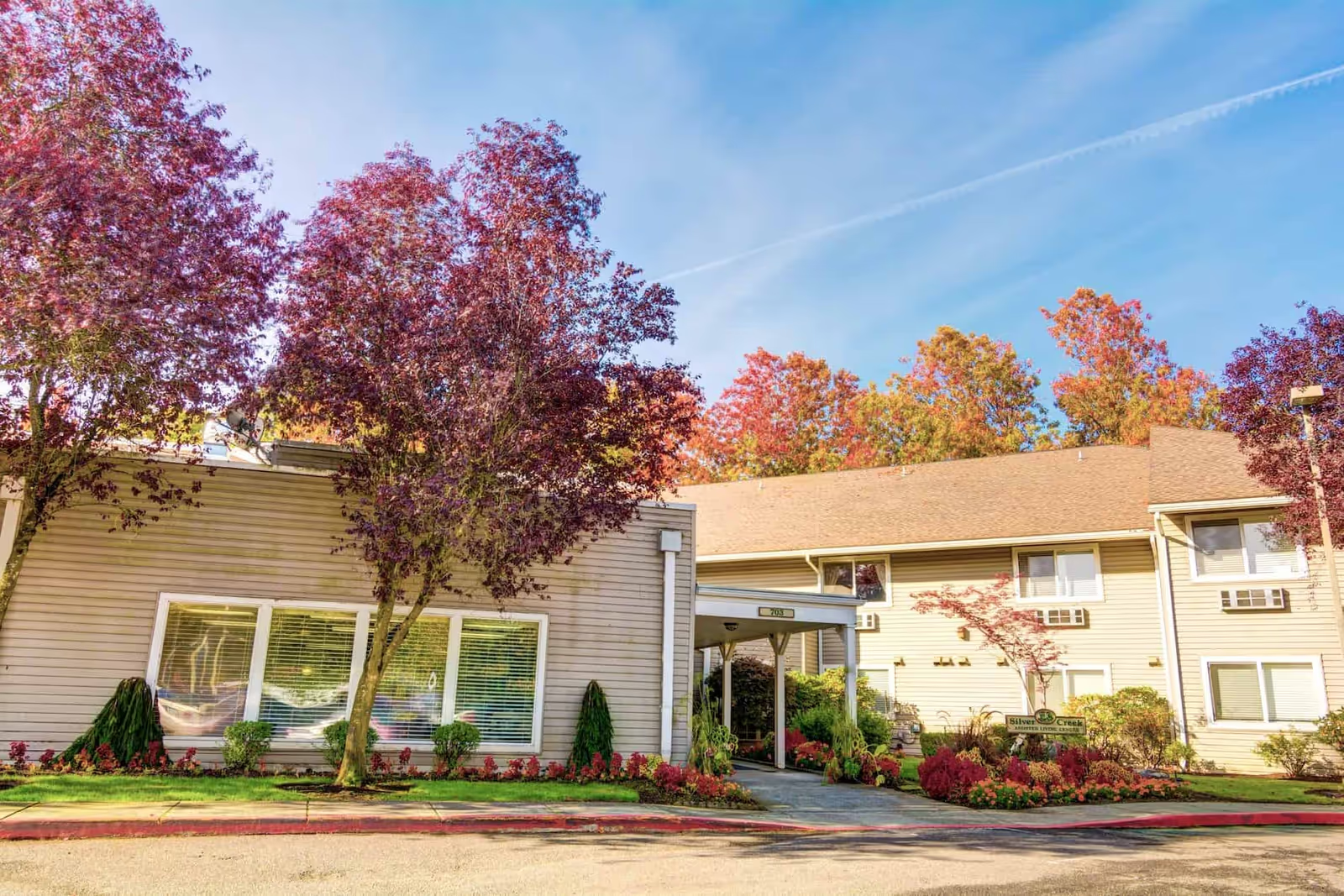
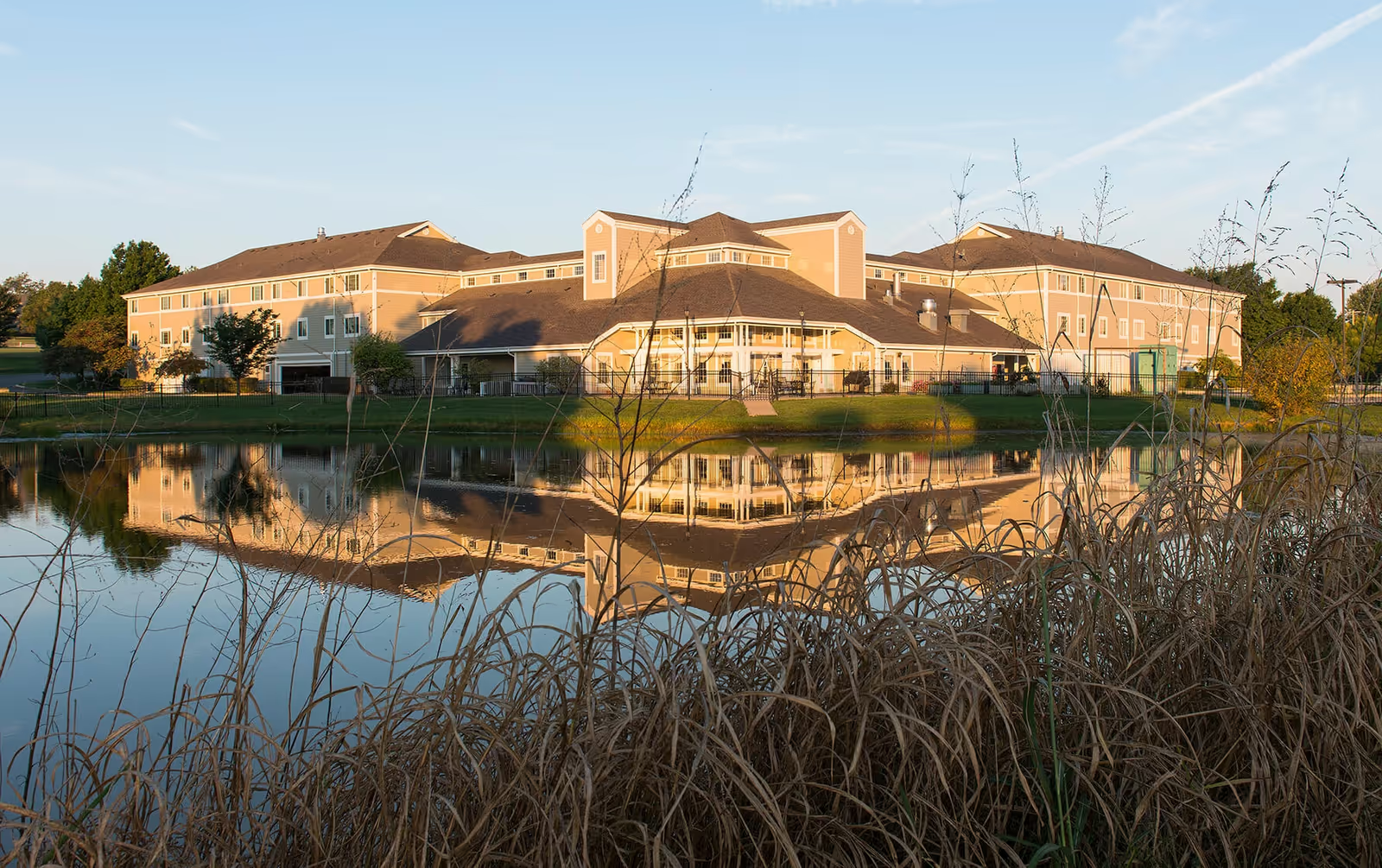
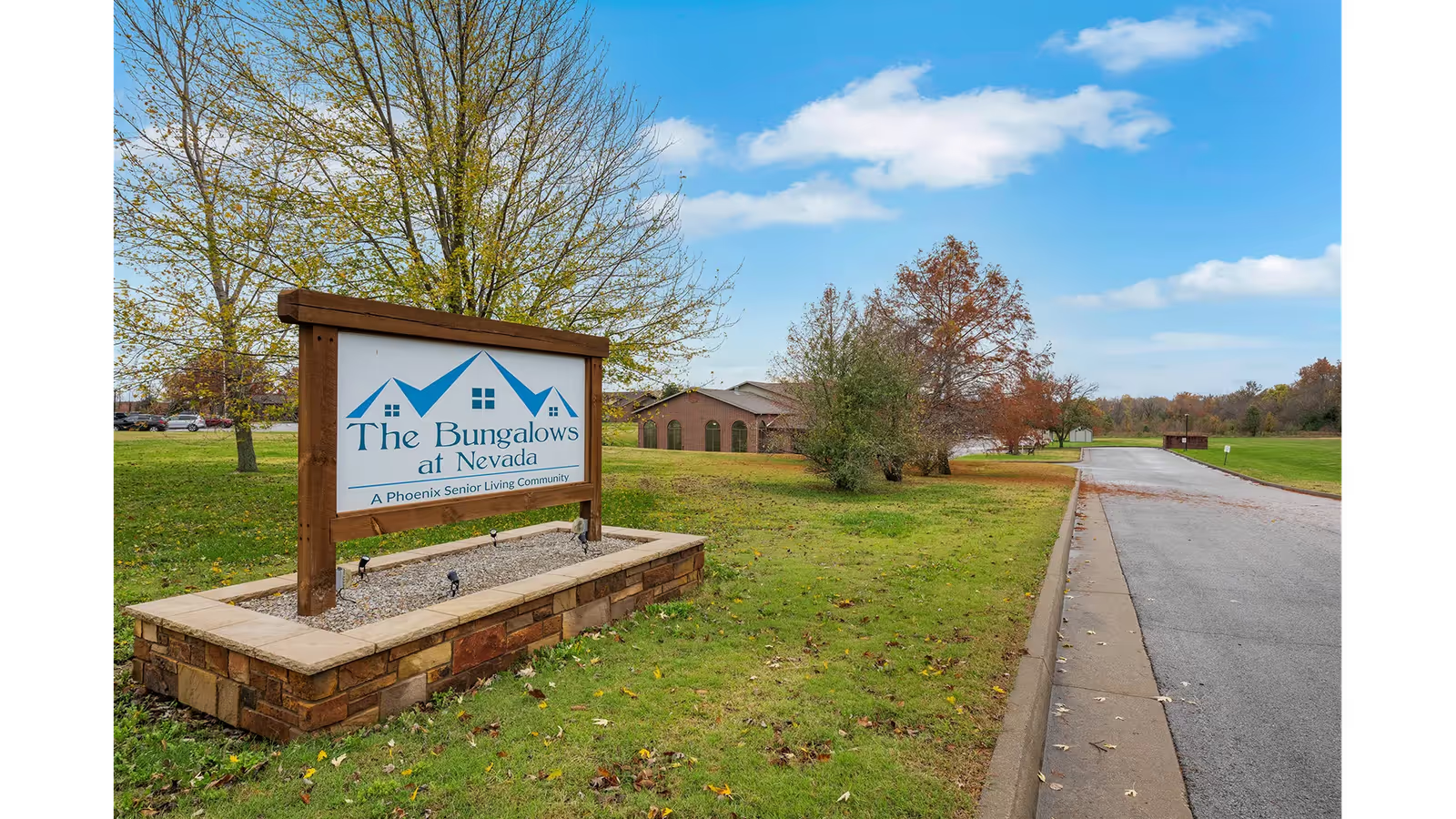
Reviews for this facility are sharply divided, producing a mixed picture for prospective residents and families. Positive comments emphasize personable direct-care workers (kitchen staff and CNAs), attractive common areas and decor, an odor-free environment in public spaces, visible resident activity programs, and an overall staffing ratio that can support engagement. These elements suggest that in some units or on some shifts the facility provides a welcoming, well-appointed setting with staff who interact warmly with residents.
At the same time, a number of reviews raise substantive clinical and operational concerns. Several reviewers described inconsistent responsiveness from staff during personal-care tasks and mealtimes, and there are specific accounts indicating delays in attending to continence needs and in addressing pain management or medication issues. Those accounts point to gaps in clinical coordination and timely care delivery rather than isolated cosmetic problems. End-of-life and hospice-coordination concerns were also raised, indicating families should ask about hospice protocols and oversight if that level of care may be needed.
Dining impressions vary: some reviewers praised meals and caring kitchen staff, while others described poor food quality and interruptions to meal service. This suggests meal quality and service continuity may be uneven across days or dining shifts. Activity-wise, reviewers generally describe residents being active and having spaces for family visits and socialization — a strength for social well-being when programs are running as intended.
Facility maintenance and cleanliness reports are inconsistent. While public areas are frequently described as clean and well maintained, other accounts describe sanitation concerns in resident rooms and care areas. Environmental safety issues, most notably flooring and trip hazards, were mentioned and have been associated with falls or injuries in reviewer accounts; that points to a need to confirm the facility's fall-prevention and maintenance programs. Management and supervisory practices are another source of variability: some reviewers experienced attentive leadership, while others described difficulties with staff conduct, communication, and transitional or discharge decisions.
Overall pattern: the facility appears capable of providing a positive environment and attentive frontline care in many instances, but there are recurring themes of inconsistency — across staffing responsiveness, clinical care (pain/medication management and continence care), meal quality, and cleanliness/maintenance. These patterns suggest performance may vary by unit, shift, or supervisory involvement.
Practical recommendations for families considering this facility include touring at different times (meal service, medication pass times, and evening shifts), asking for staffing ratios by shift, requesting documentation of medication and pain-management protocols, inquiring about hospice coordination and discharge policies, and observing cleanliness in both public and resident-room areas. Also ask about fall-prevention measures and recent maintenance actions related to flooring or other environmental hazards. These steps can help determine whether the strengths noted on some visits are consistent and whether the facility's operational controls address the concerns raised in less favorable accounts.