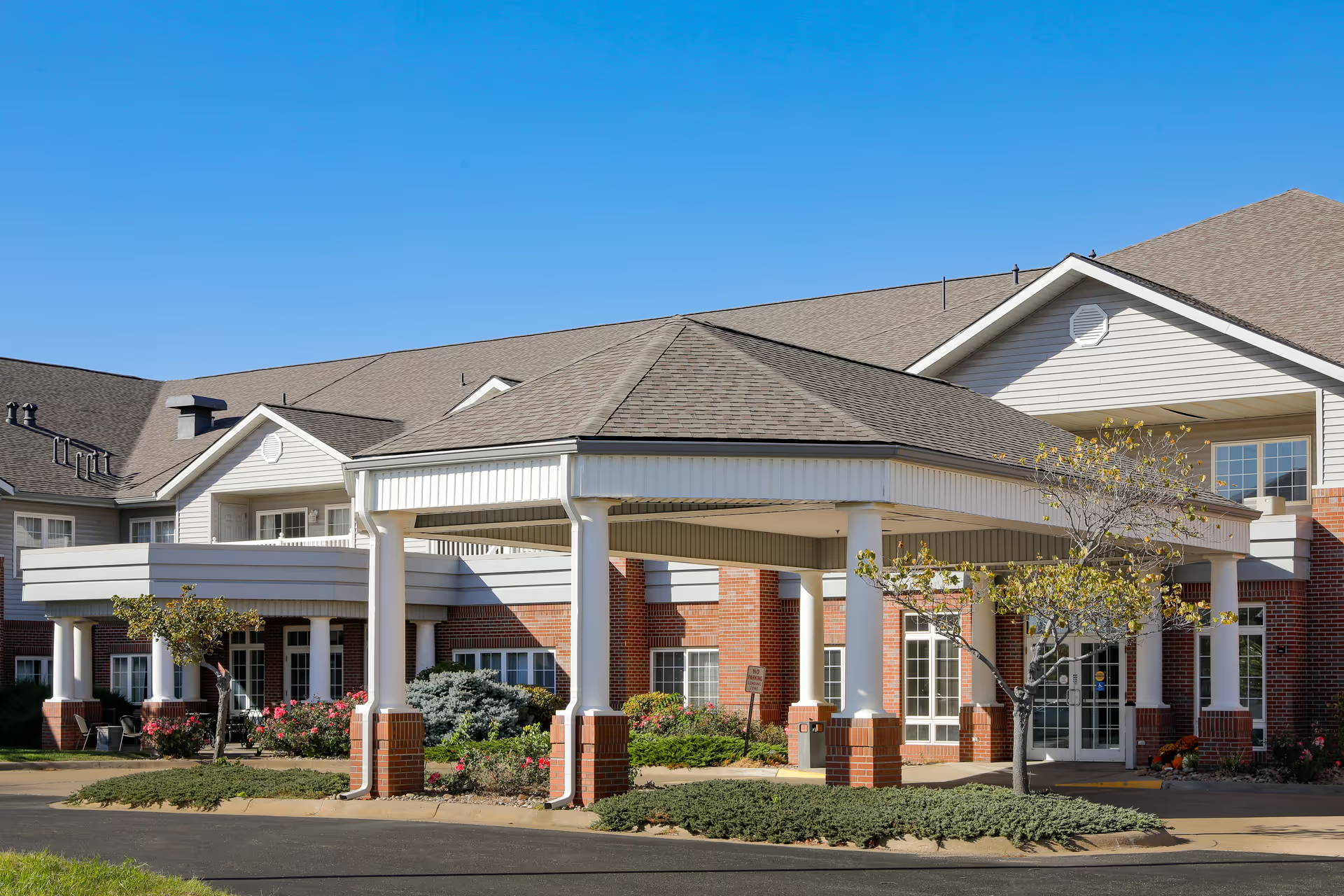
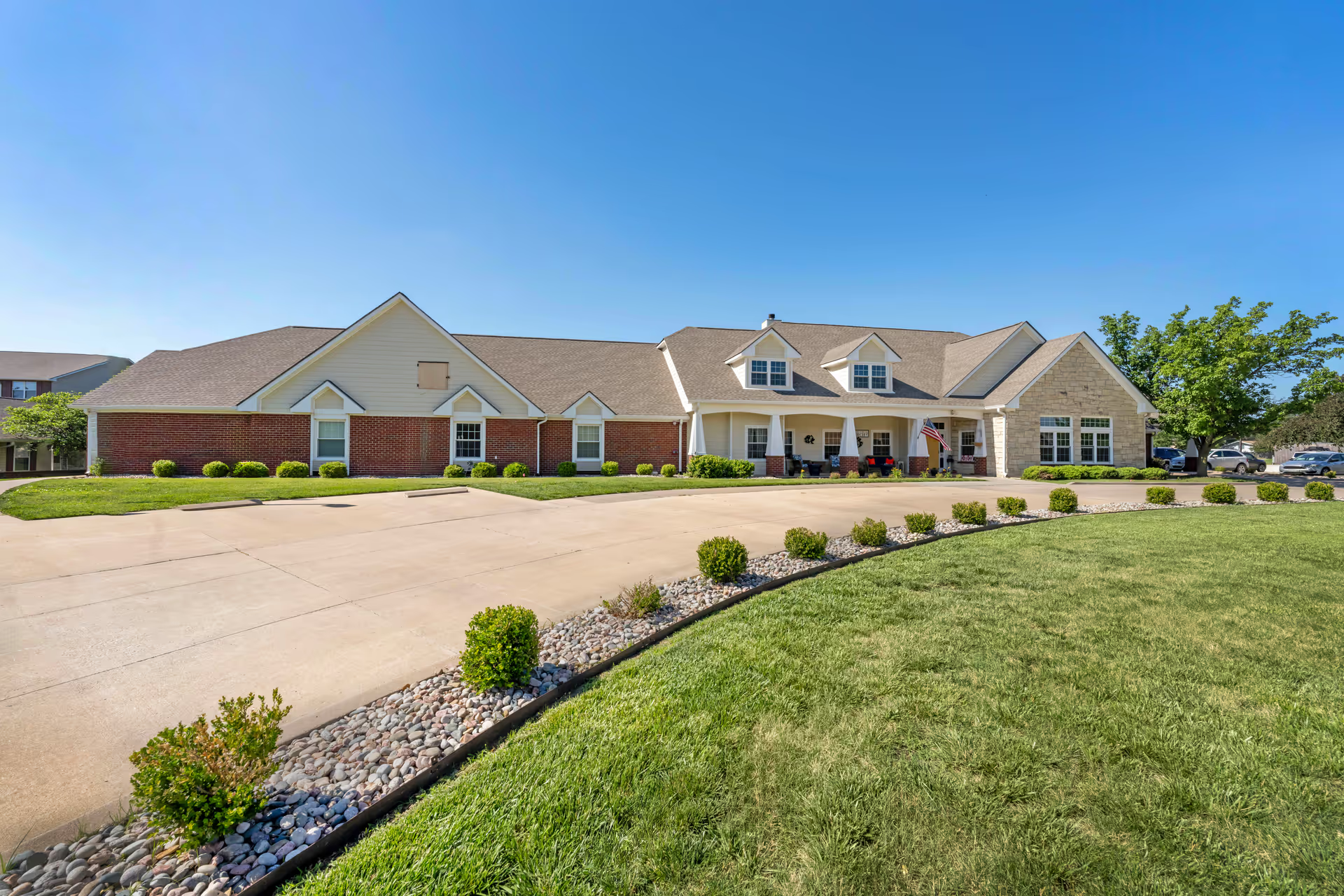
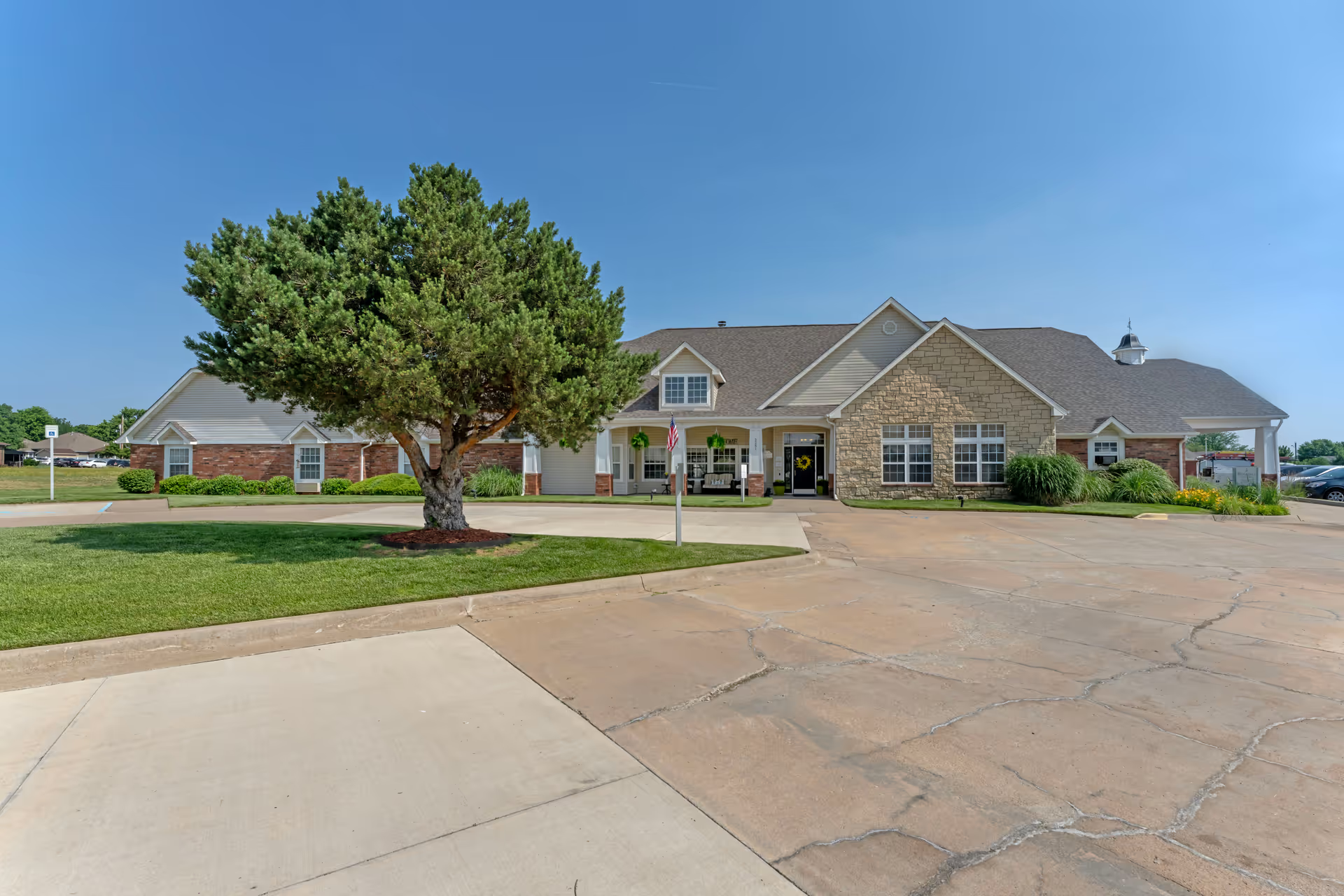
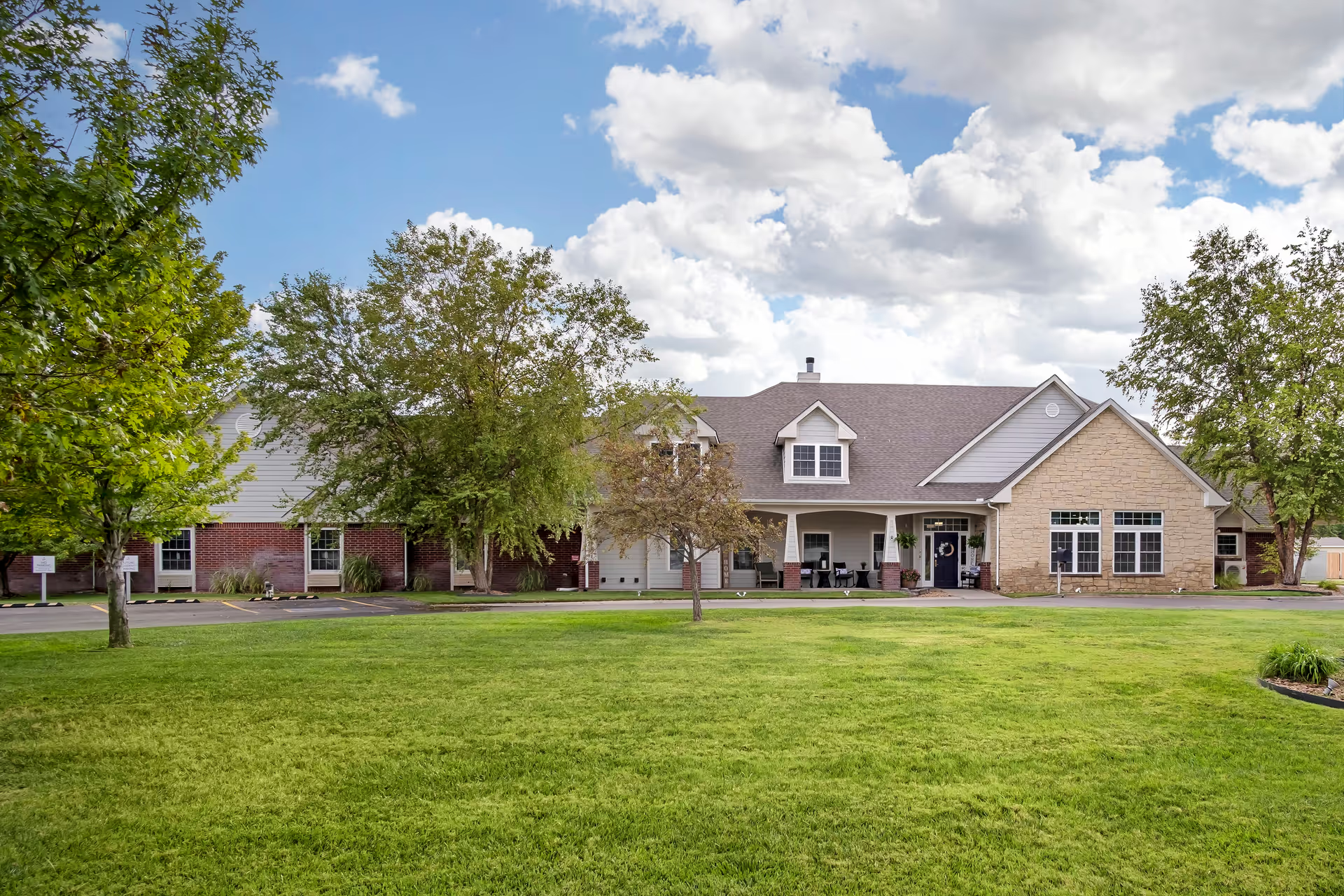
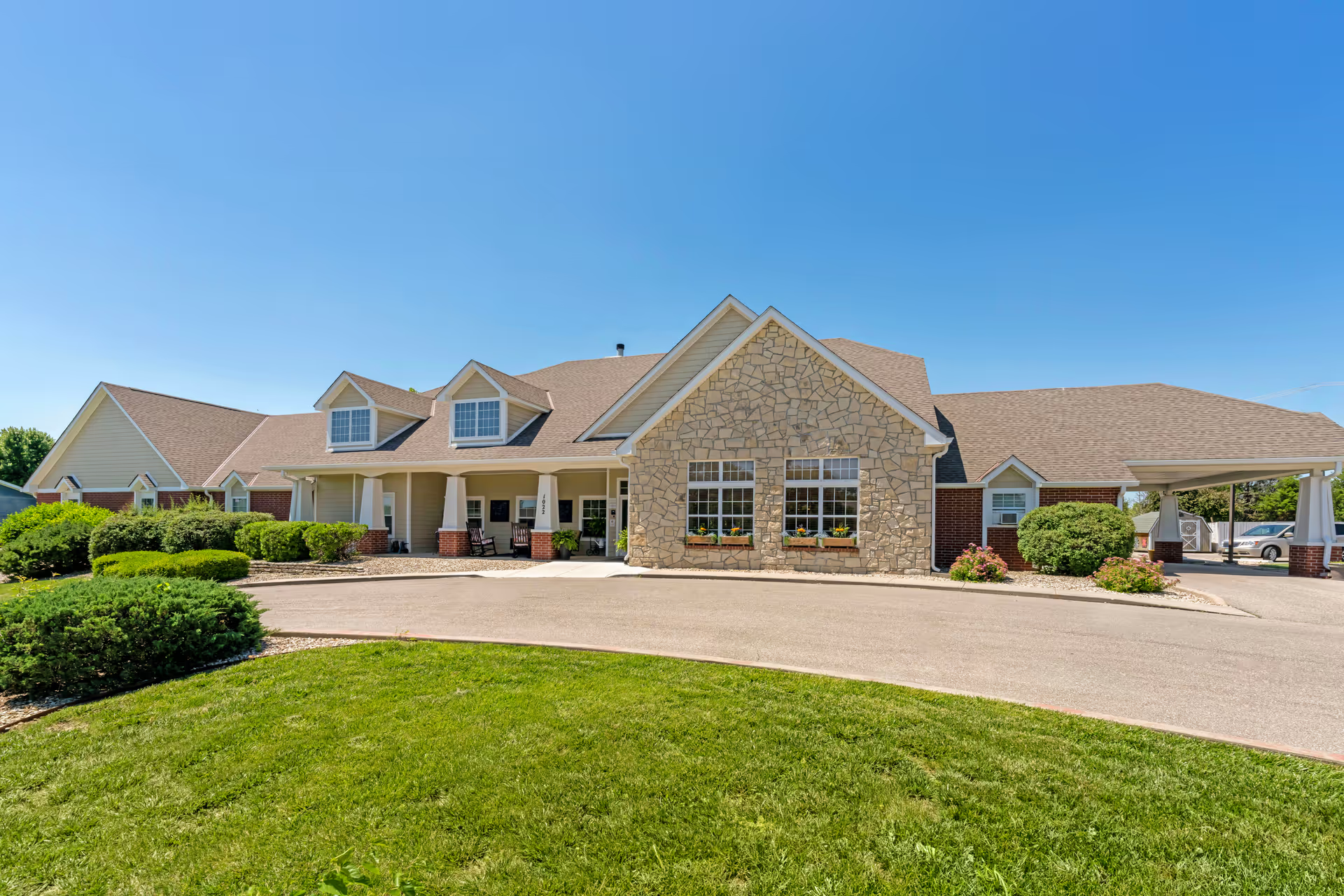
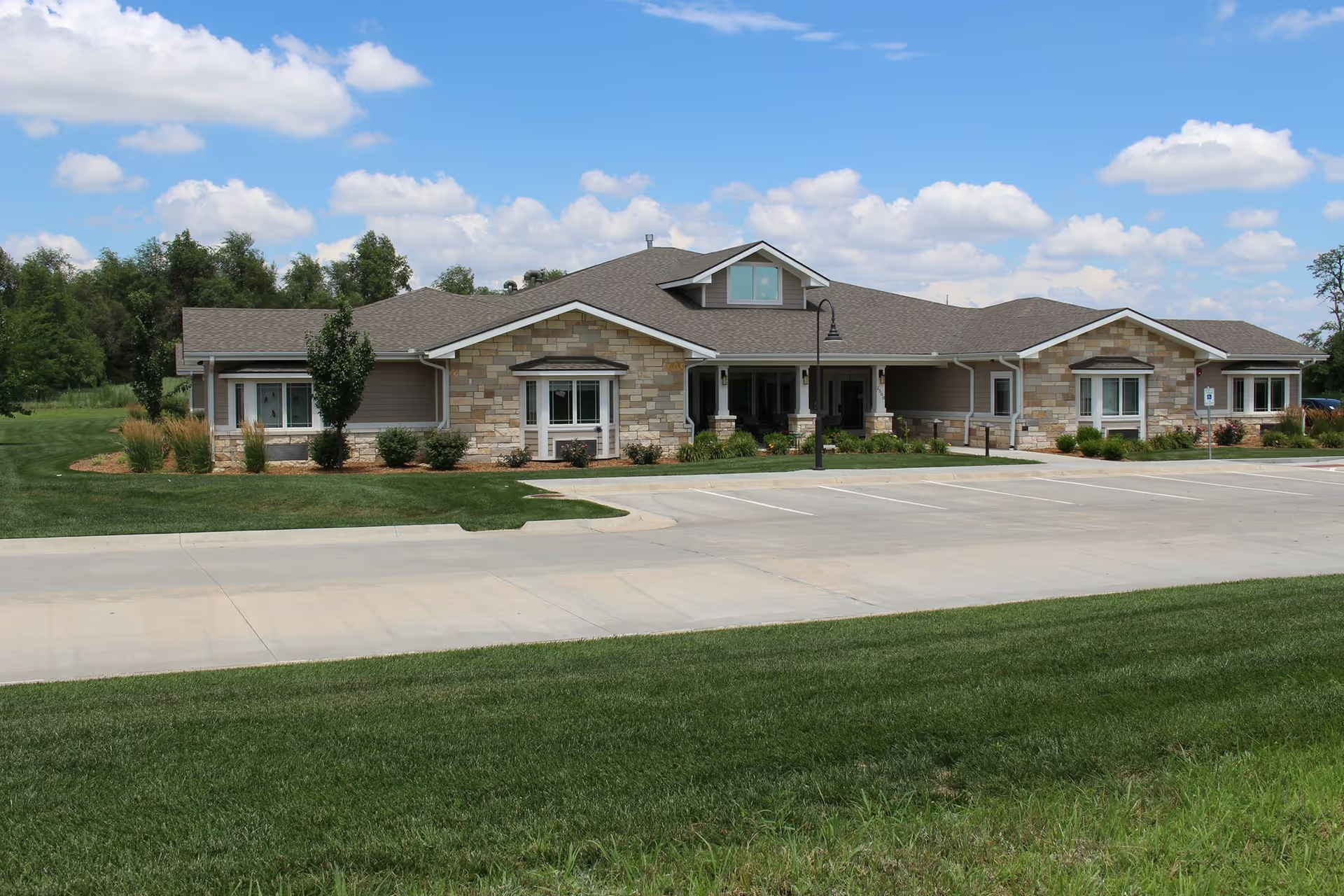
Pinnacle Park Healthcare and Rehabilitation presents as a facility with clear strengths in therapy-driven rehabilitation, activities, and leadership. Many families and former residents describe skilled physical and occupational therapy that supported recovery and independence, as well as an activities program that is energetic and resident-focused. Nursing leadership (including the director of nursing and administration) is frequently named as a positive factor, and the facility is noted for collaborative relationships with hospice and outside agencies. The environment is often described as clean and home-like, with staff longevity in some departments and capabilities such as home dialysis that broaden the scope of care.
Care and staff performance show a generally compassionate orientation: nursing, CNA, therapy, dietary, housekeeping, and maintenance are commonly praised for attentiveness, encouragement, and a family-centered approach. Admissions and discharge coordination receive positive mention, including help with transitions back home. At the same time, reviewers identify variability in staff professionalism and responsiveness. While many accounts emphasize respectful, consistent caregivers, there are also descriptions of conduct concerns, including tone of communication, interpersonal conflicts among staff, and, in isolated but serious instances, concerns about staff impairment and security. These items indicate unevenness in staff behavior and oversight rather than a single uniform standard of practice.
Dining and nutrition are mixed areas. The facility offers flexible menus and resident choice, and some reviewers praised thoughtfully prepared, tasty meals. However, others cite limited variety, repetitive entrées, meals delivered at insufficient temperature, and inconsistent dining experiences. These patterns suggest the kitchen provides resident options but struggles with consistency in preparation, delivery, and menu rotation.
Rehabilitation and therapeutic programming are core strengths, with multiple accounts of therapy that motivates residents and supports earlier discharge. Nevertheless, there are also reports of variability in therapy intensity and scheduling; some families experienced limited therapy frequency that did not meet expectations. Prospective residents should clarify individualized therapy plans and expected therapy hours prior to admission.
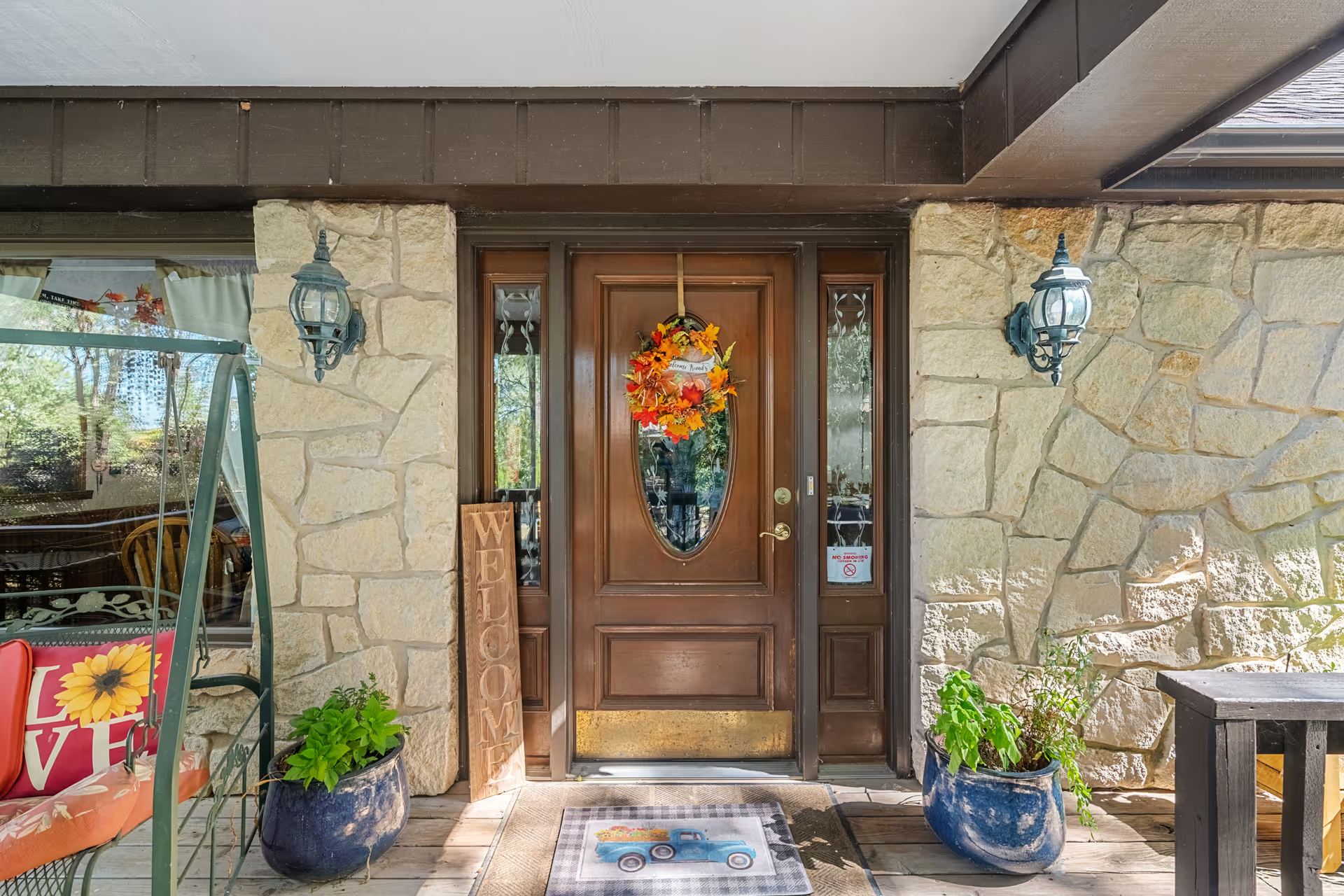
Facilities and amenities are generally well regarded: rooms are described as pleasant, the building is welcoming, and programming supports social engagement. Noted exceptions include occasional cleanliness and equipment-maintenance inconsistencies (for example, wheelchair cleanliness and transport vehicle HVAC issues) and some security/incident-handling concerns that have led to distrust among affected family members.
Management is highlighted for strong leadership, proactive communication in many cases, and coordination with external partners. Yet reviewers also cite gaps in shift-to-shift communication, delayed responses to clinical incidents, and variable family communication when serious concerns arise. There are isolated but significant allegations of theft and inadequate incident handling; these merit direct inquiry by prospective families and, if relevant, verification with facility management or regulators.
Overall, Pinnacle Park appears well suited for families seeking robust rehabilitation services, engaging activities, and a family-oriented, home-like setting with experienced leadership. At the same time, the facility demonstrates operational variability in meal service, staffing consistency, incident response, and certain aspects of cleanliness and transport maintenance. Prospective residents and families should visit in person, ask about current staffing levels and shift schedules, review individualized therapy plans, inspect meal-service procedures and dining samples, and seek clarification about incident-reporting, security, and transport policies before making placement decisions.