Overall impression: Reviews describe a facility with clear strengths in frontline caregiving and therapy services, alongside recurring operational weaknesses that affect reliability of daily care. Family feedback shows a mix of highly positive experiences—particularly praising certain nurses, aides, therapists, and hospice partners—and serious process gaps that merit attention.
Care quality and clinical oversight: Many families and visitors praised individual caregivers for compassion, attentiveness, and effective therapy and discharge support. At the same time, there are consistent concerns about medication management (missed or delayed doses, pain-medication gaps), slow response to clinical needs, and inconsistent handoffs between hospital and facility. There are also reports raising concerns following a resident's death and about end-of-life responsiveness; these underscore the need for strengthened clinical oversight, clearer protocols for pain management, and tighter medication controls.
Staffing and staff conduct: Numerous comments highlight committed, caring staff and strong teamwork on the floor. However, reviewers also describe understaffing, frequent use of agency staff, and uneven staff training/knowledge, which appear to contribute to long call-light waits, inconsistent personal care, and variable interaction with residents. There are also concerns about infection-control practices and inconsistent PPE use; improving staffing stability and ongoing staff education would address several of the operational issues described.
Dining and nutrition: Feedback on meals is mixed. Some families found dining adequate, especially during rehabilitation stays, while others noted delayed meal delivery, limited menu variety, and a tendency toward high-carbohydrate offerings. There are operational concerns about meal timing and continuity that affect resident satisfaction and routine.
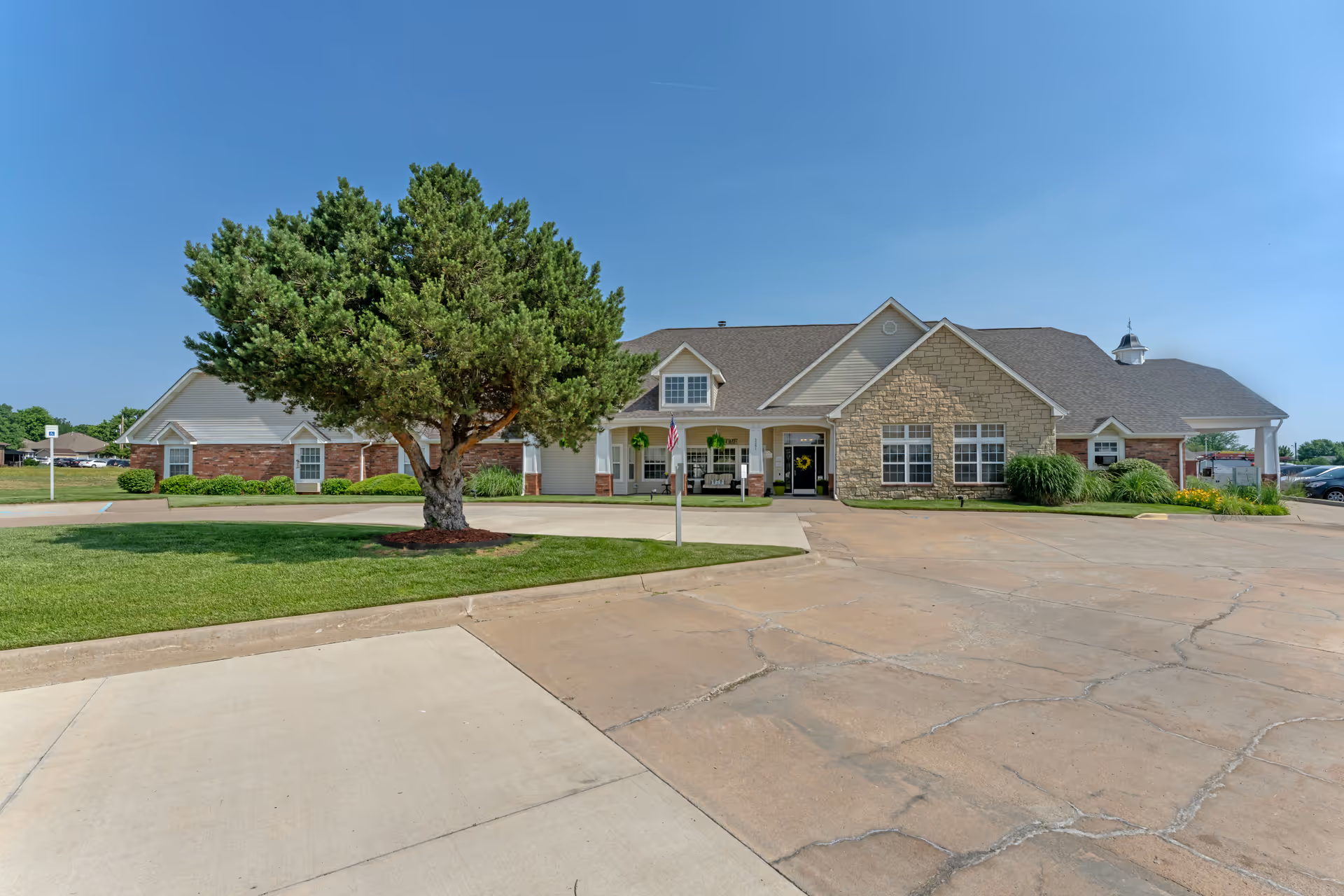
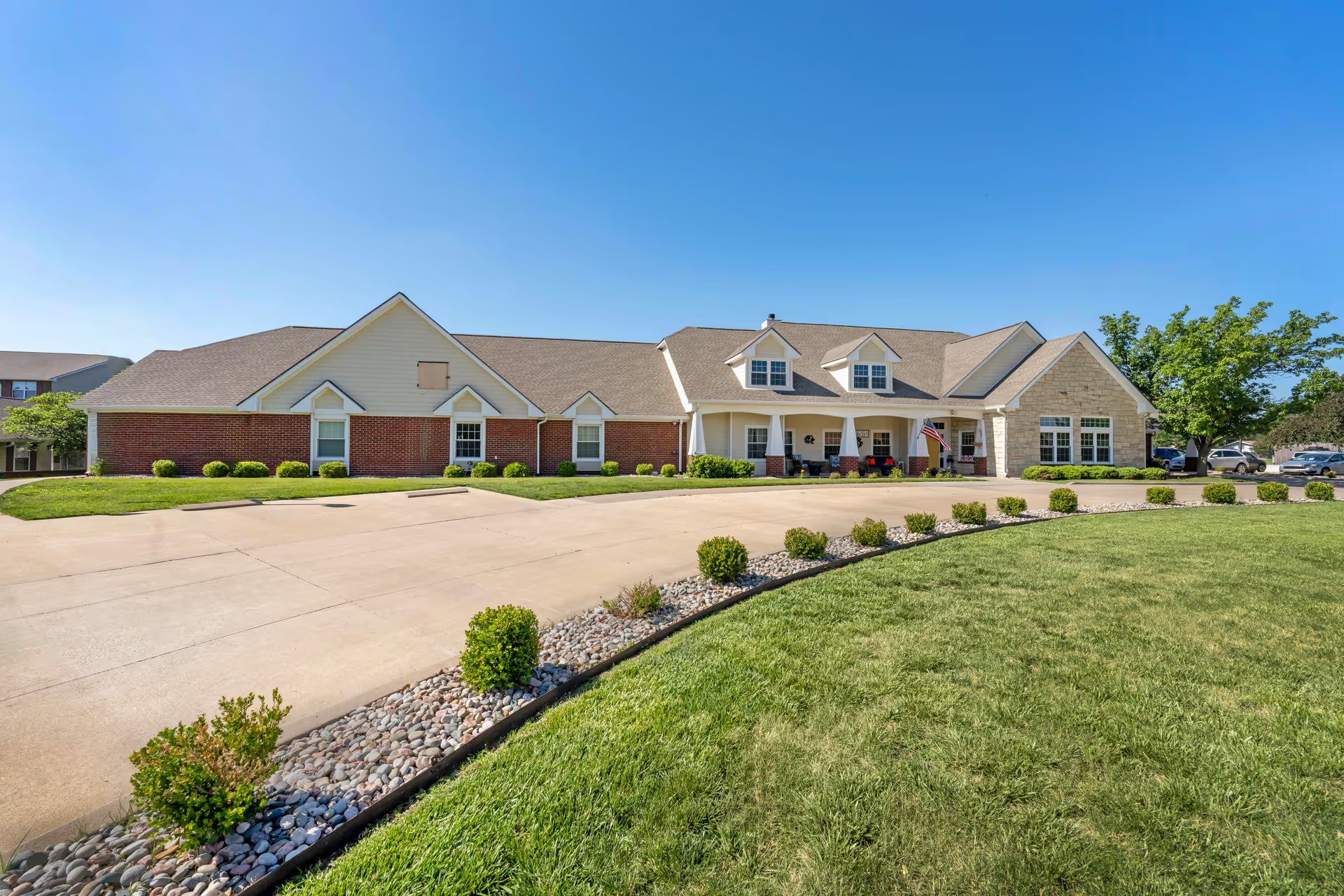
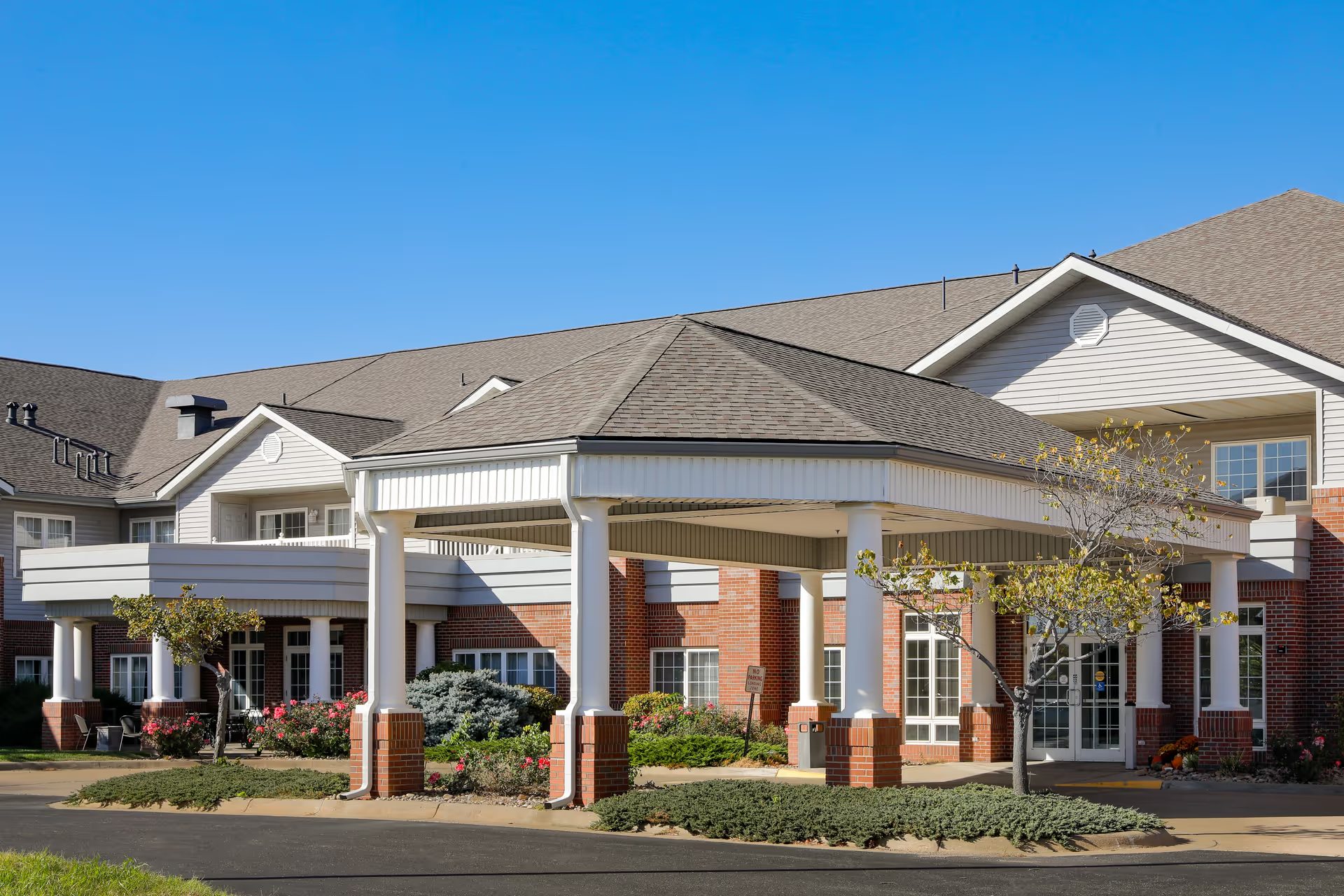
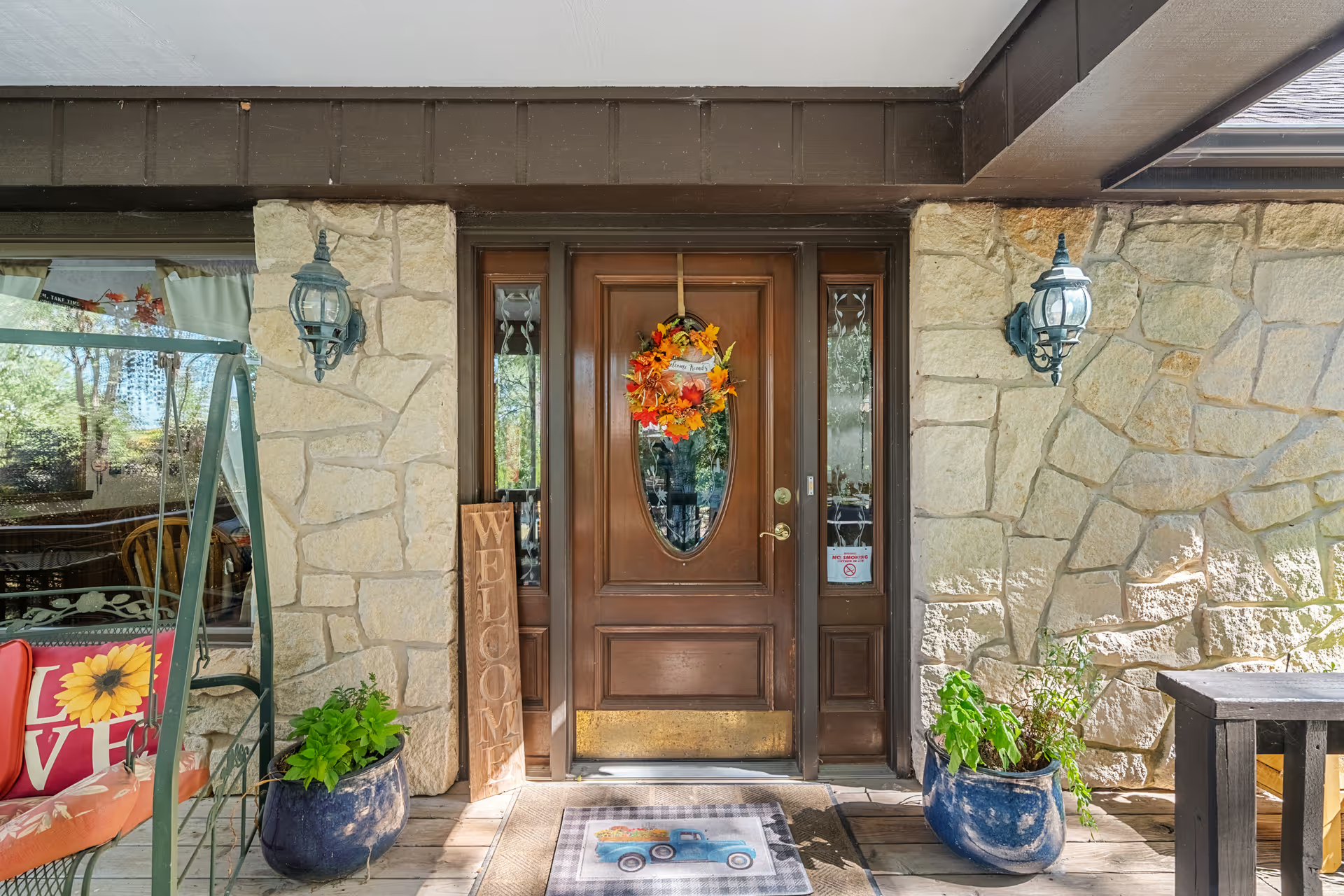
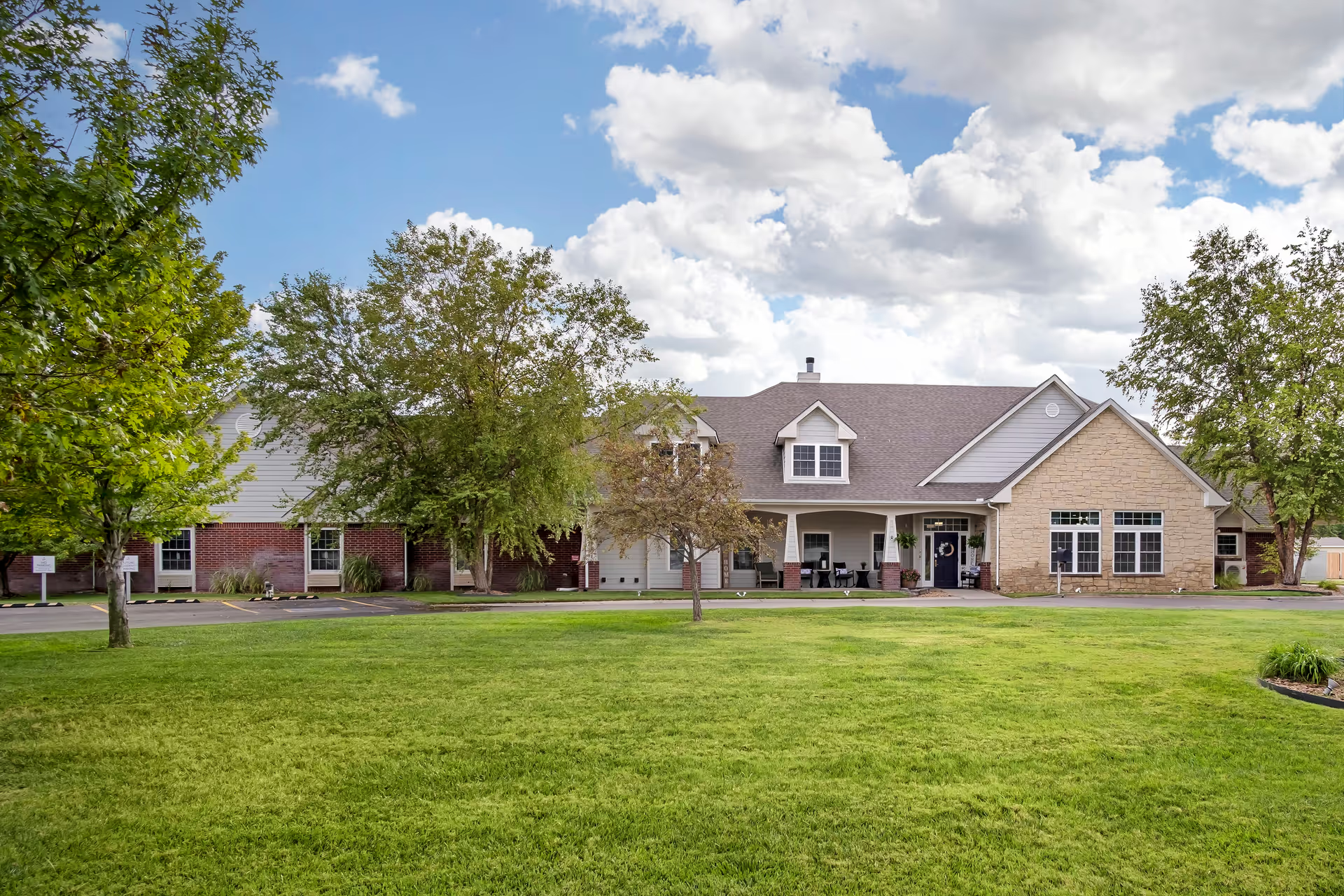
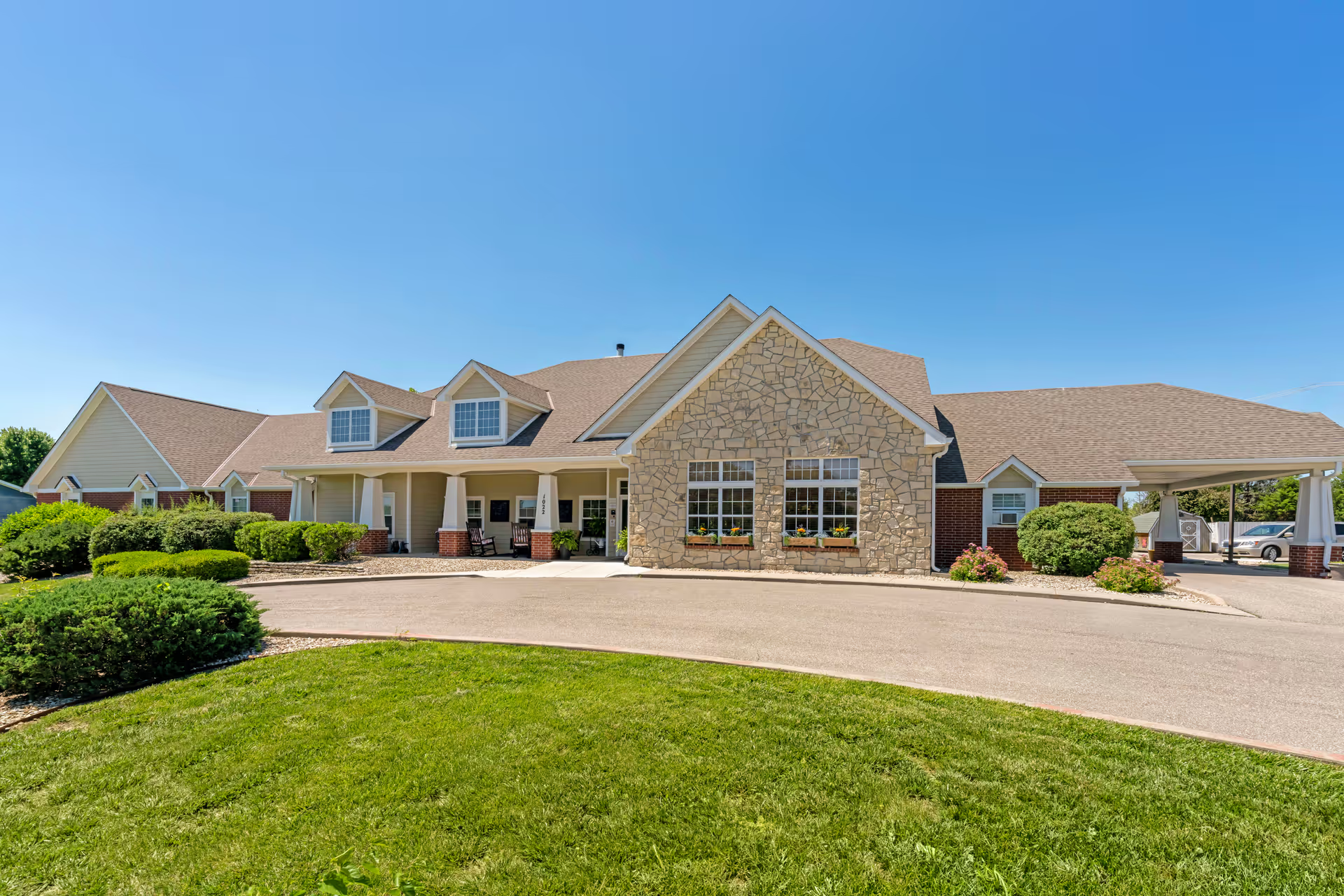
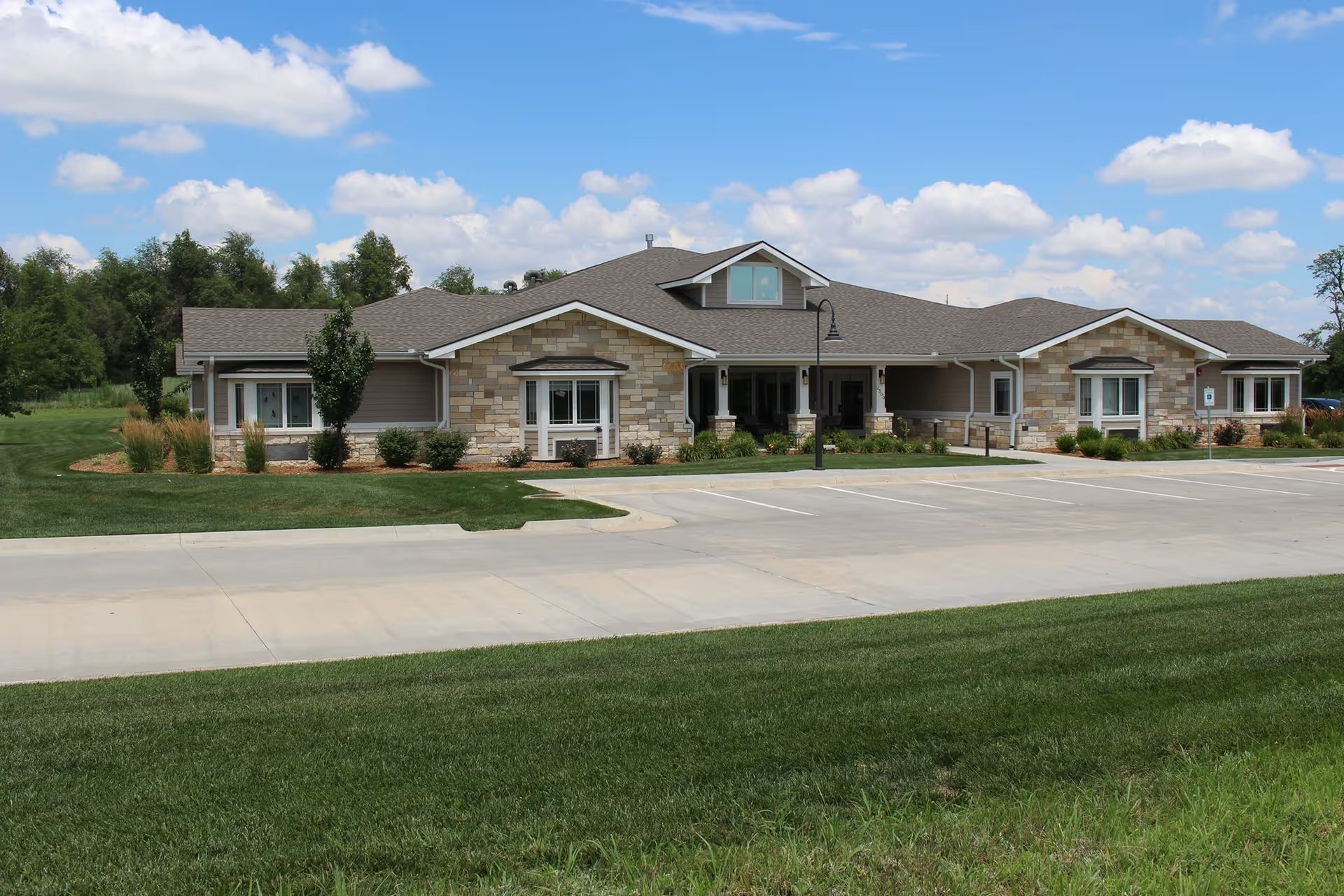
Activities and social environment: Multiple reviewers commented positively on daily activities, a welcoming atmosphere, and visible social engagement among residents. Recent updates to common areas and outdoor spaces were noted as contributing to a more inviting environment. These strengths indicate a foundation that supports quality of life when operational issues are controlled.
Facilities, sanitation, and equipment: Opinions on cleanliness are mixed. Some public areas and recently updated spaces are described as clean and pleasant, but recurrent sanitation and odor concerns in rooms and common areas, inconsistent laundering/linen practices, and occasional equipment issues (for example, nonfunctional lifting or battery-operated equipment) were raised. Addressing environmental cleaning processes, supply access, and preventive maintenance would reduce these concerns.
Management, communication, and administration: Several reviews describe limited on-site management presence, inconsistent communication with families, and administrative follow-through shortfalls (including billing questions). Families reported difficulty getting timely updates and coordination with external providers. Strengthening visible leadership, standardized family-communication protocols, and clearer administrative processes would likely improve trust and continuity of care.
Notable patterns and recommendations: The pattern across reviews suggests the facility benefits from strong individual caregivers and solid therapy/hospice partnerships but struggles with system-level reliability: medication control, staffing consistency, cleanliness processes, safe-transfer practices, and family communication. Addressing these operational areas—through staffing stabilization, targeted training, strengthened infection-control and transfer protocols, improved environmental services, and more consistent management presence—would better align daily experiences with the positive aspects families already identify.