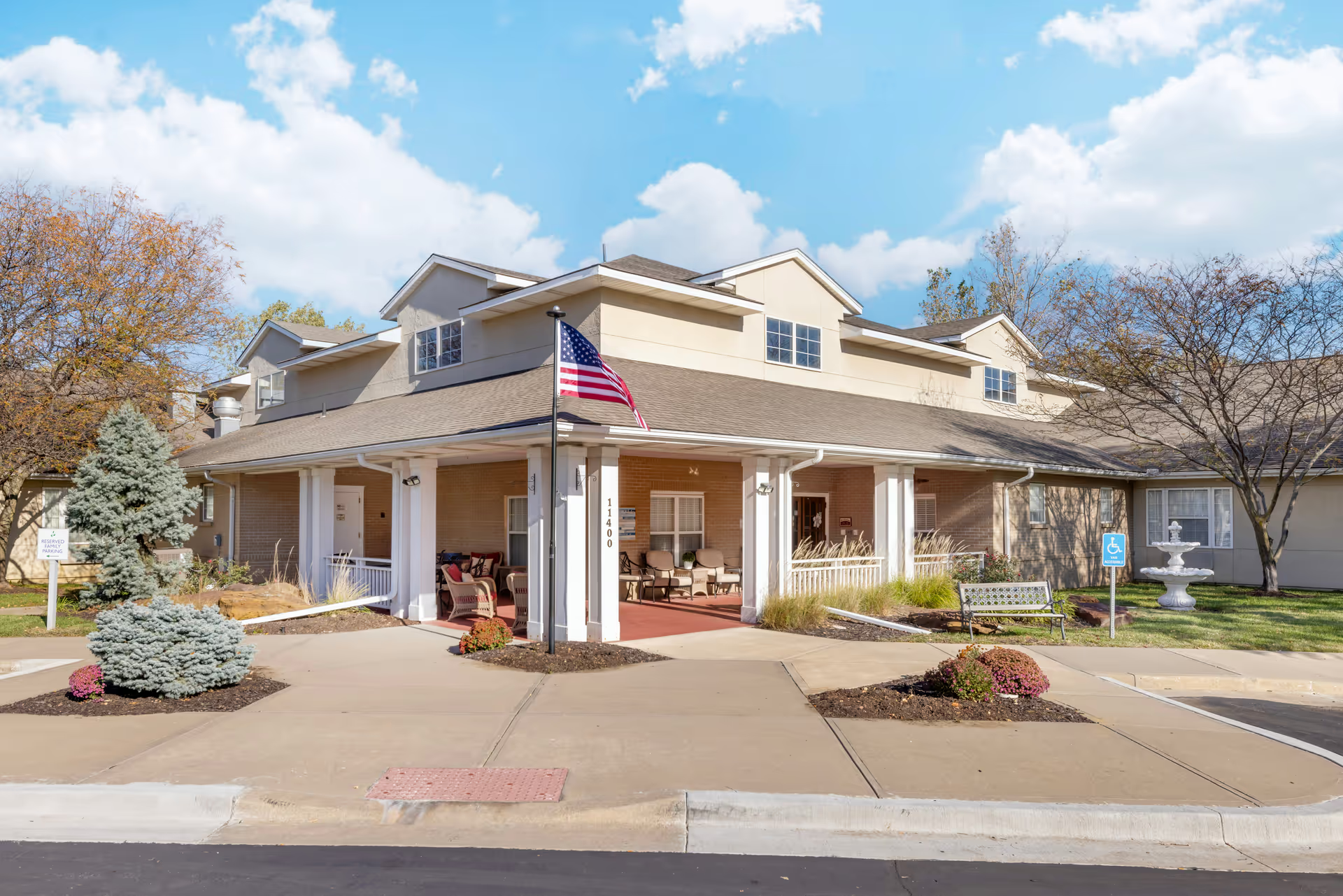
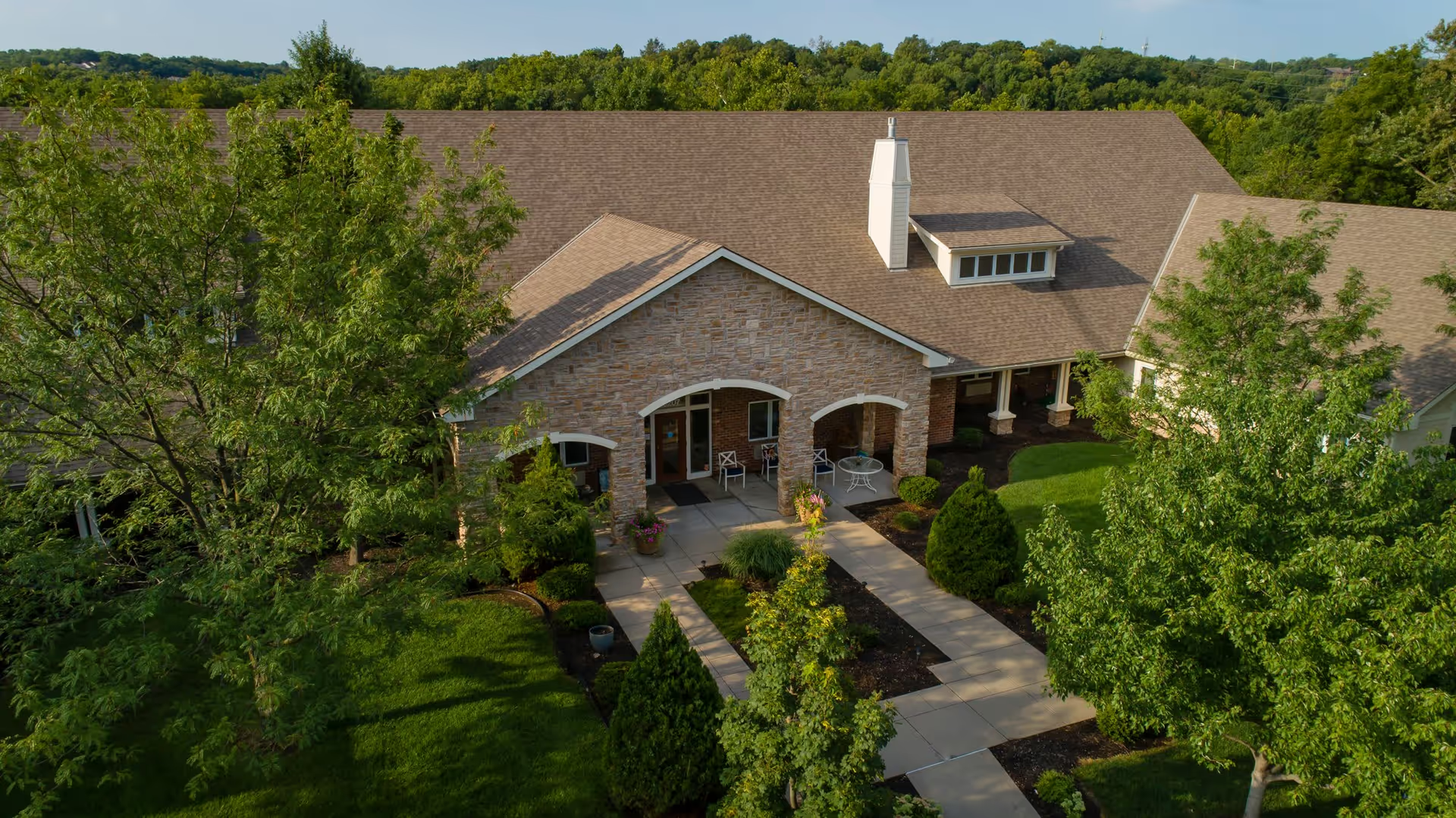
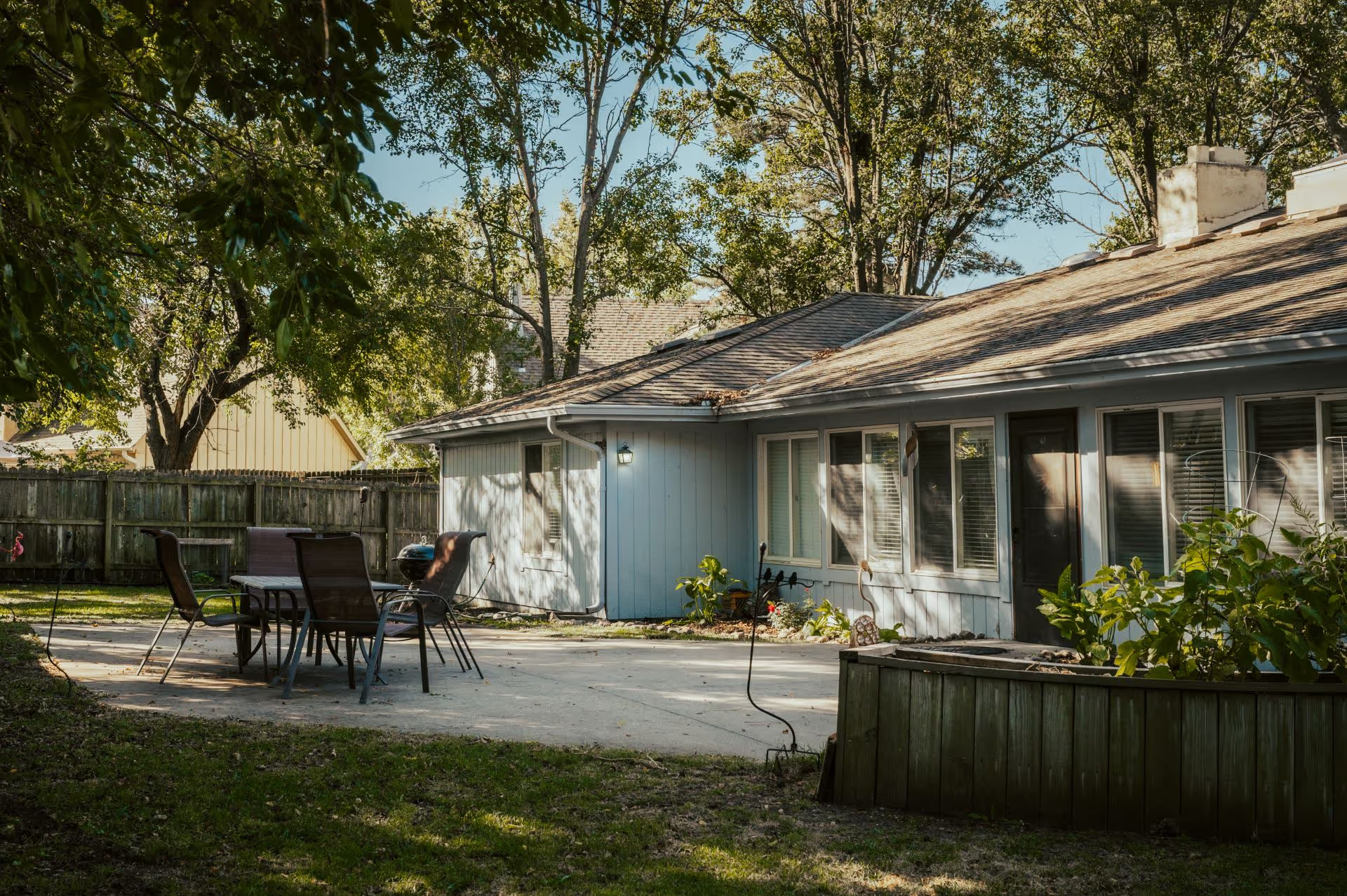
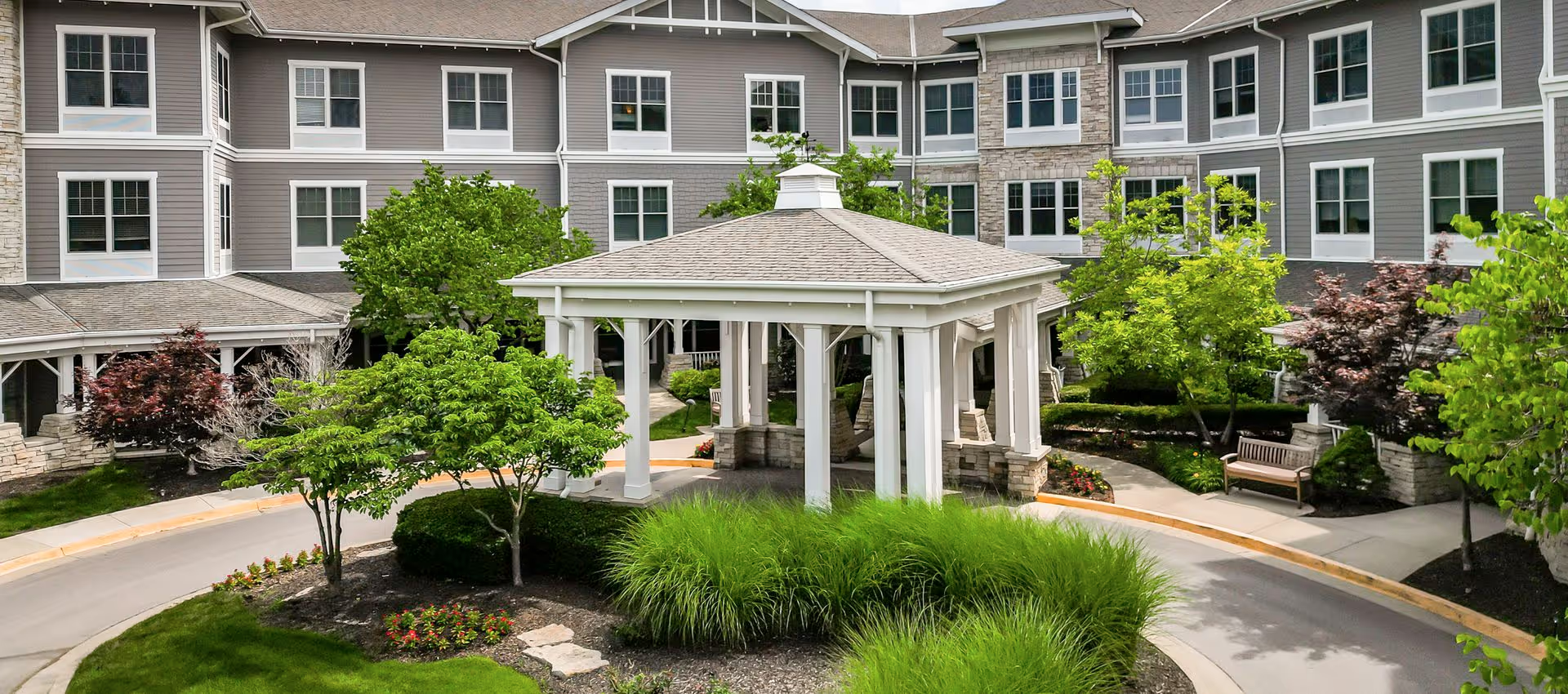
Brookdale Rosehill presents as a large, well‑appointed senior living campus with a broad continuum of care (assisted living, memory care, and skilled nursing). Many accounts highlight strong rehabilitation services, including physical and occupational therapy, and a therapy environment that contributed to measurable functional gains for some residents. The facility offers a wide array of amenities — theater, salon, chapel, exercise room, outdoor patios and garden spaces — and several reviewers praised spacious private rooms, accessible bathrooms, and an on‑site chef with menu choice options.
Staff and direct care quality are described in mixed terms. Numerous reviewers expressly praised specific nurses, therapists, CNAs, and administrative staff for compassionate, professional care and good case management. At the same time, a recurrent theme is inconsistent staffing: periods of shortage, longer wait times for assistance, and variability in responsiveness across shifts. There are repeated concerns about medication handling and documentation, including late or missed doses and administrative errors. A smaller number of accounts reference serious individual incidents and allegations of misconduct; these are not presented as systemic findings here but they contribute to family concerns about oversight and accountability.
Dining and activities are often cited as strengths: many residents enjoyed the food, frequent social programming (music, bingo, craft and spa events), and an active daily calendar. Conversely, others experienced inconsistent meal delivery (cold meals, order mixups) and felt dietary needs — for example, diabetes‑appropriate options — were not always addressed reliably. Activity offerings appear robust overall, but participation and staff facilitation can vary by unit and by staffing levels.
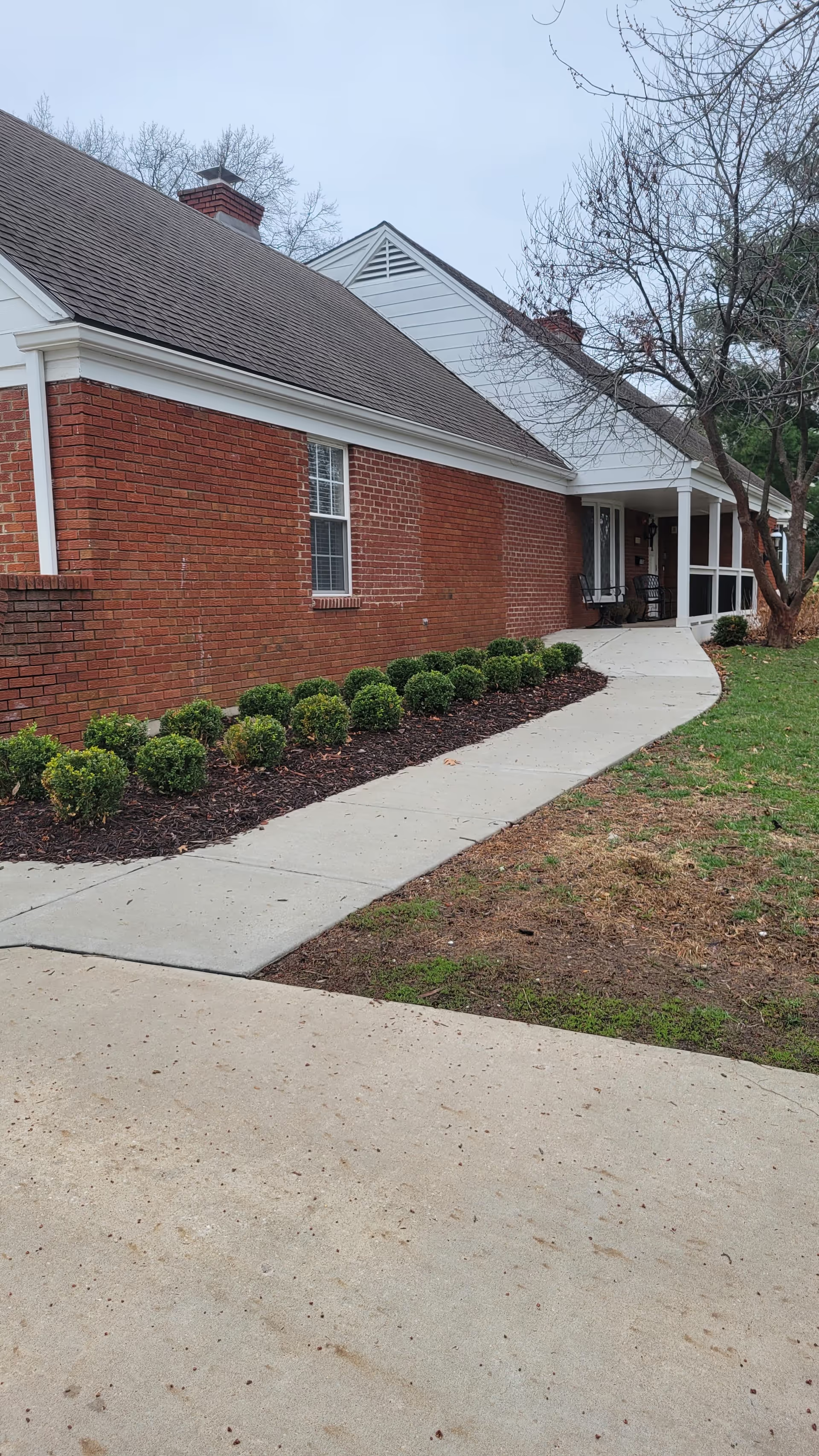
Facility upkeep and housekeeping show a split pattern. Public areas, landscaping, and many apartments are described as clean and well maintained; however, multiple reviewers raised sanitation concerns, inconsistent housekeeping schedules, and intermittent shortages of linens or supplies. There are also mentions of infection‑control events that families found troubling and that underline the importance of transparent outbreak-management practices.
Management and operational consistency emerge as a notable pattern. Several reviewers linked declines in day‑to‑day performance with leadership or corporate changes, citing increased turnover, uneven enforcement of procedures, and variable communication with families. Other themes include uneven quality between different wings or visits and occasional administrative or billing issues. These operational traits appear to drive the polarized experiences families report: some describe excellent, attentive care and a strong rehab outcome; others describe service failures that required family intervention.
In sum, Brookdale Rosehill offers significant clinical and lifestyle resources that can produce very positive outcomes for rehabilitation and social engagement when staffing and management are functioning well. Prospective residents and families should weigh the facility’s therapy capabilities, amenities, and on‑site medical services against documented operational inconsistencies. For decision making, consider an in‑person tour across different shifts, ask for recent staffing and infection‑control metrics, review medication administration procedures, and request examples of housekeeping and meal‑service routines to assess current performance and fit for specific care needs.