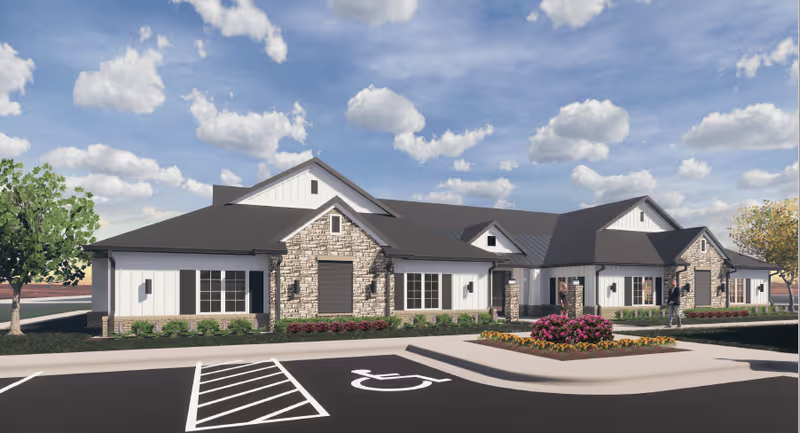
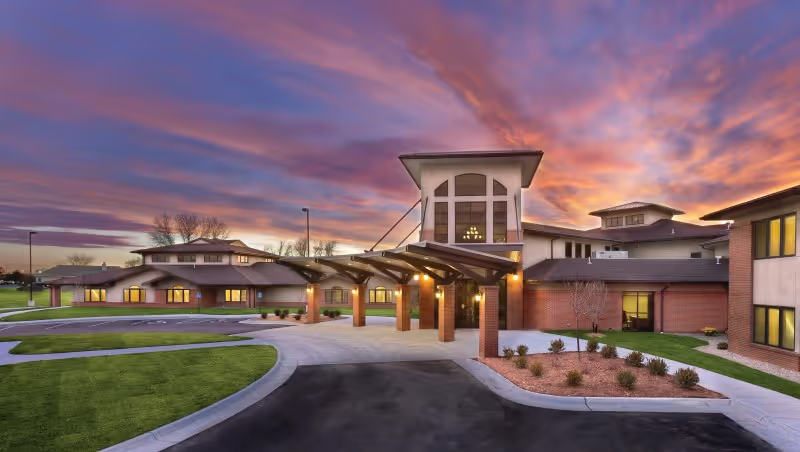
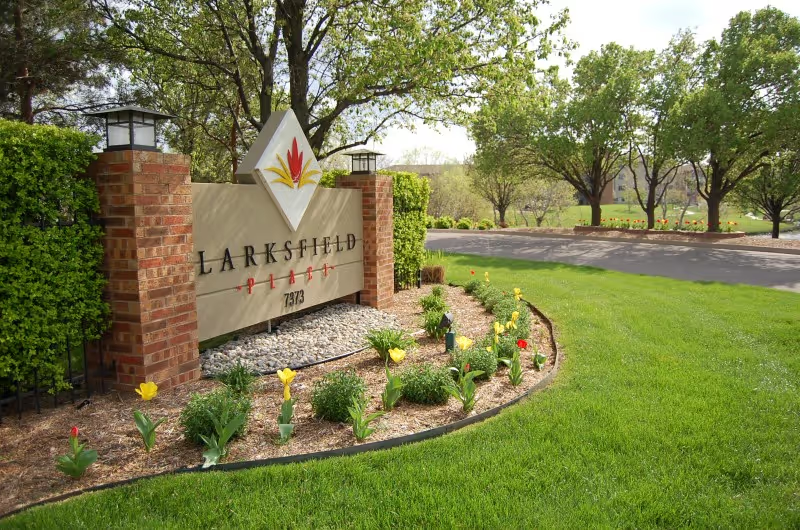
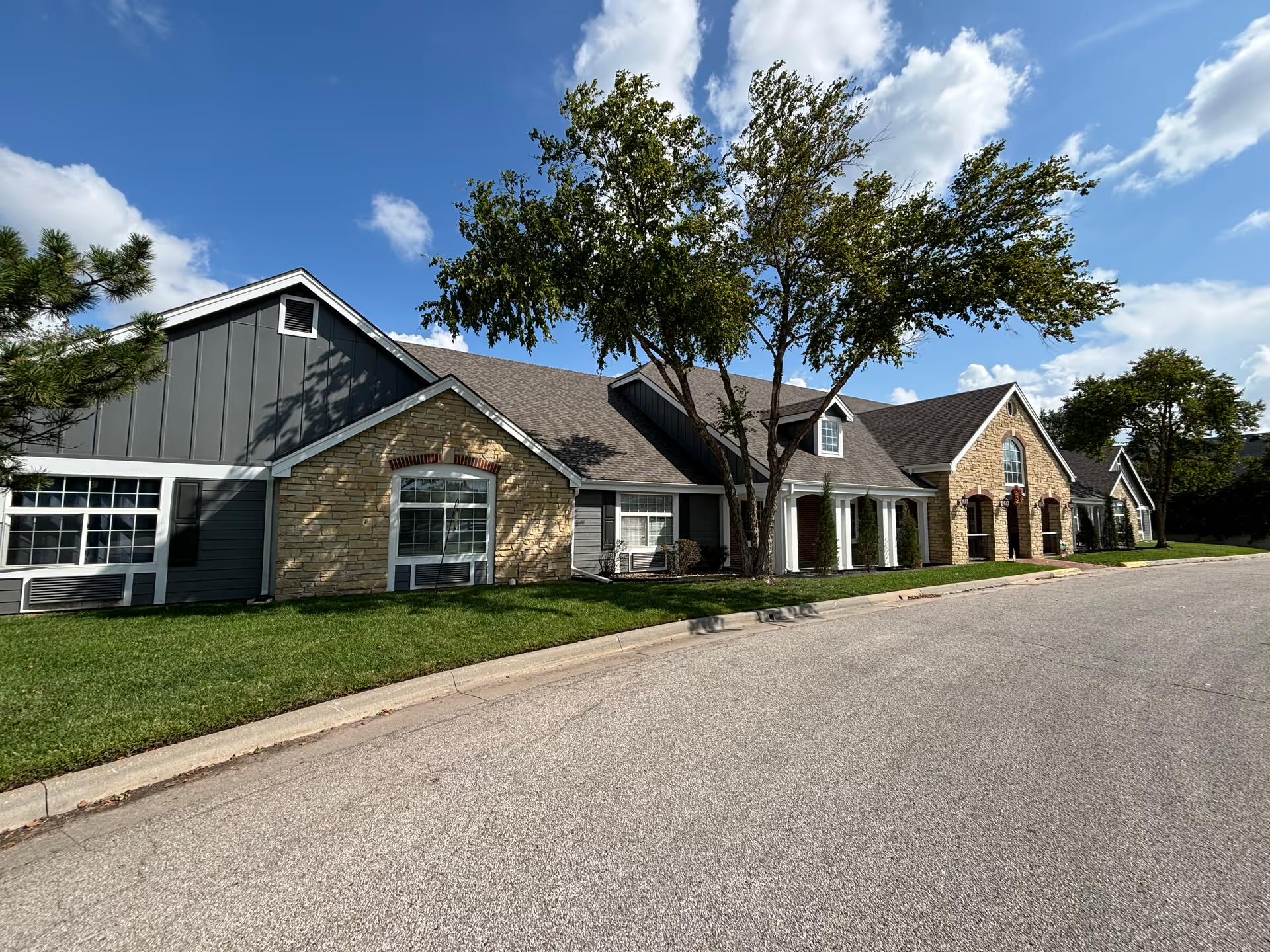
This collection of reviews describes a community with substantial amenities and many strengths alongside recurring operational concerns. Strengths consistently mentioned include a warm, friendly front-line staff, robust activities programming, and built-in amenities such as an indoor pool, movie theater, library, and coordinated transportation. Many families and residents praised the dining format (three meals included, restaurant-style dining), the cleanliness of common areas, and the size and layout of apartments (washer/dryer, kitchenettes, patios and cottage-style options). The activities team and housekeeping/transportation staff receive repeated positive mention for creating an active, well-supported independent-living environment.
Care quality is described unevenly. Numerous comments commend attentive aides and prompt emergency responses, and some reviewers cited a favorable nurse-to-resident ratio and effective in-unit care delivery. However, a pattern of clinical continuity concerns appears: high staff turnover, reductions in staff hours, and changes in nursing leadership have coincided with inconsistent clinical oversight (including limited RN coverage at night) and reported medication-management discontinuities. Several families described gaps in coordination with outside clinicians and hospice, and some identified disagreements about assessed care levels. These operational patterns suggest that clinical stability and continuity deserve close verification for prospective residents who require higher levels of medical oversight.
Staffing and communication are a mixed picture. Direct-care employees, activities staff, transportation and cleaning teams are frequently characterized as caring and engaged; conversely, reviewers also describe administrative responsiveness problems, broken promises, billing and refund delays, and variable professionalism in office staff interactions. Onboarding and orientation for new hires and new residents were identified as inconsistent, which reviewers linked to early-career staff unfamiliarity with resident needs. Prospective families should ask about leadership tenure, staff turnover rates, and the facility’s processes for family inclusion in care planning.
Dining and programming are generally strong selling points but show variability. Many residents enjoy the meals, portion sizes, and dining atmosphere; others reported repetitive menus or declining food quality when kitchen staff changed. The activities program is broad — including exercise classes, social events, water programs, and outings — though some residents and families wished for an even wider variety or more frequent offerings to reduce isolation.
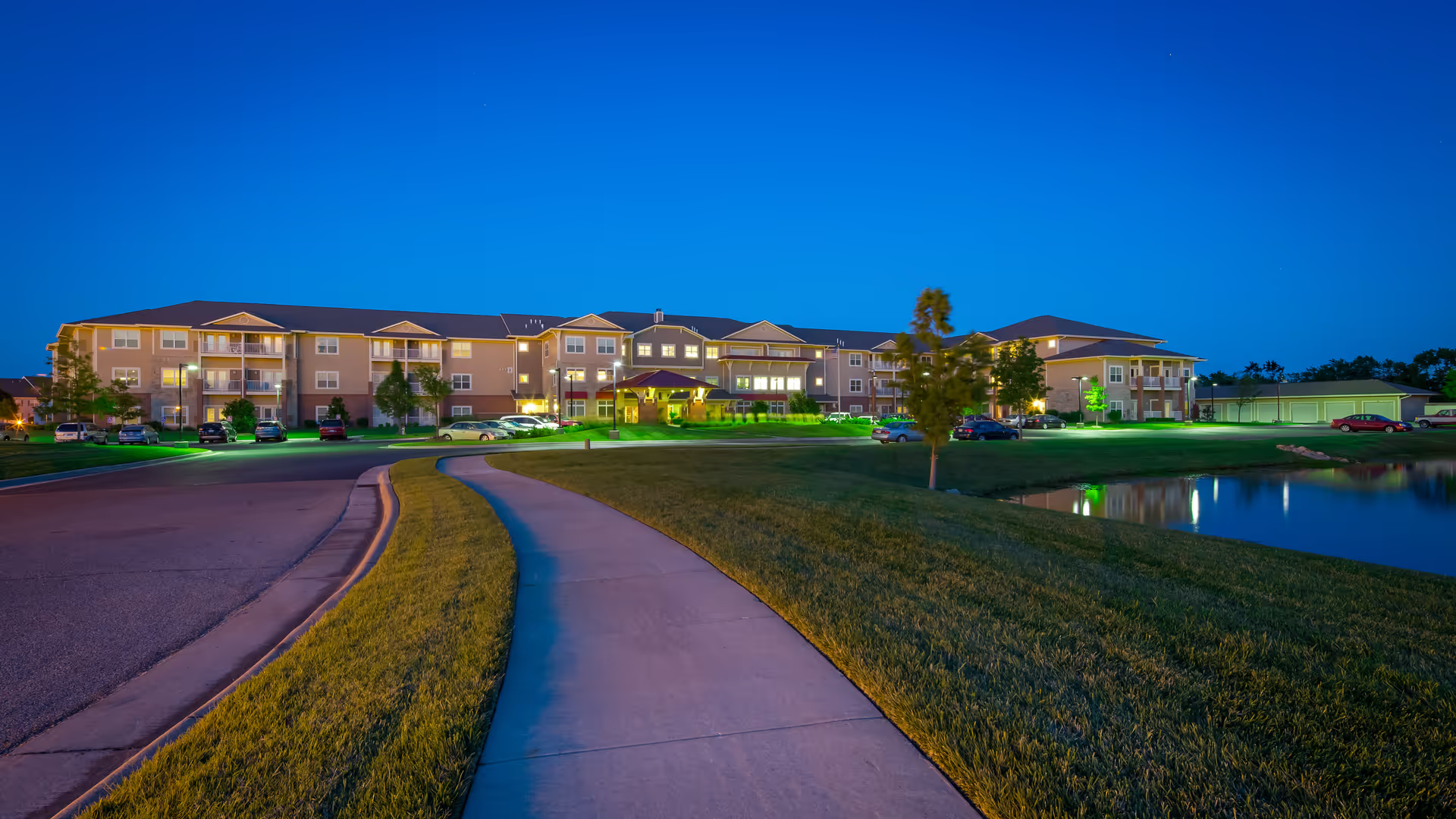
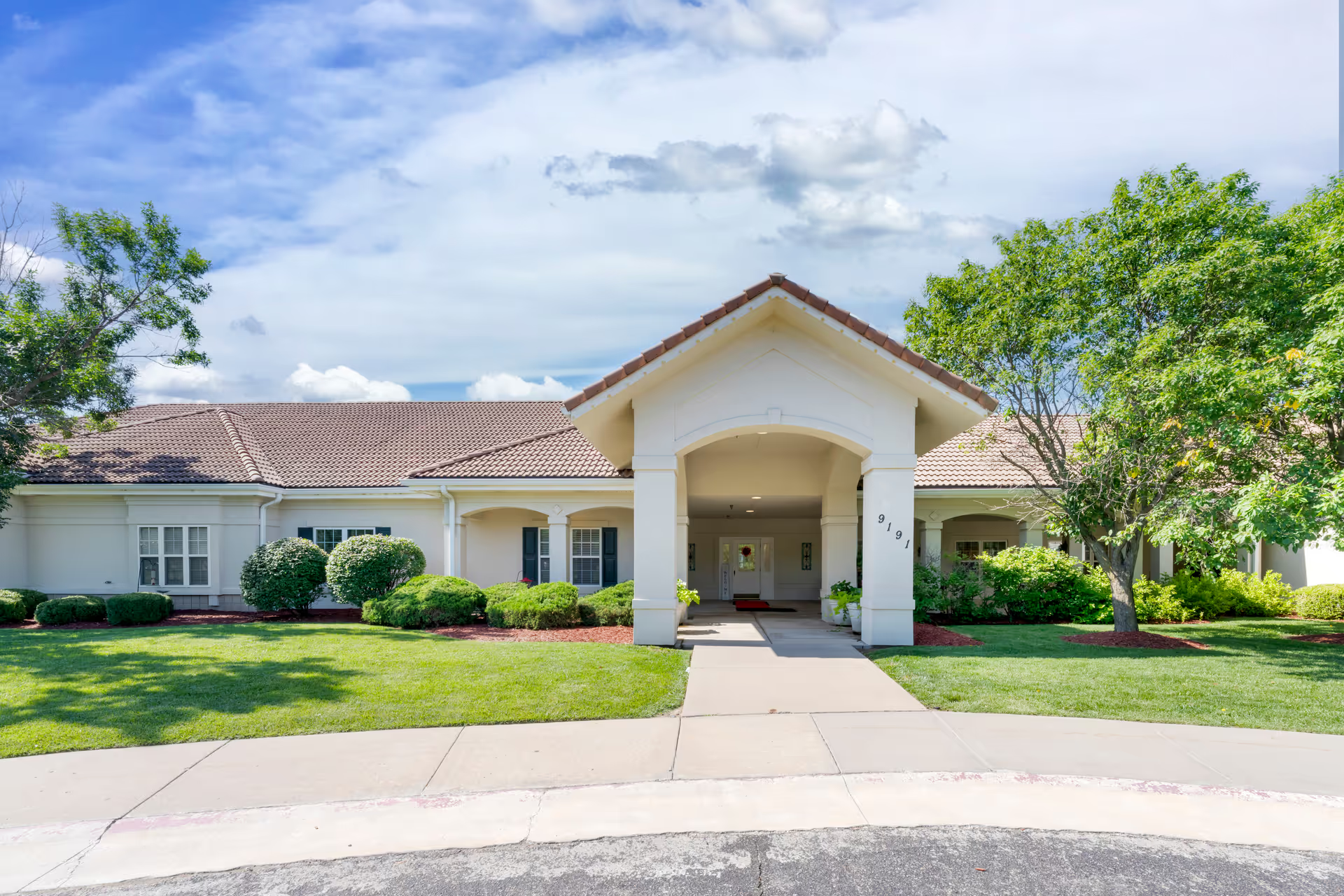
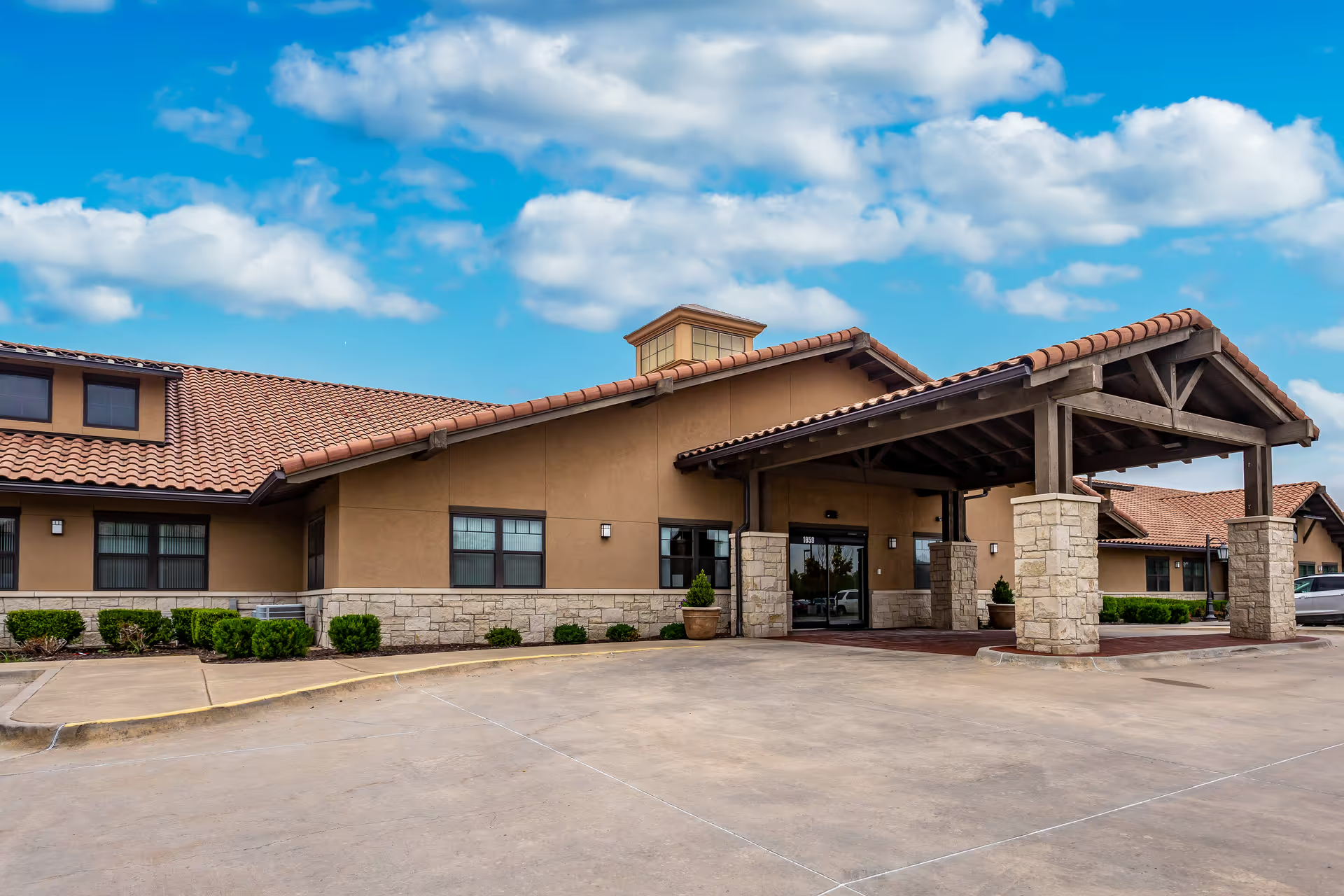
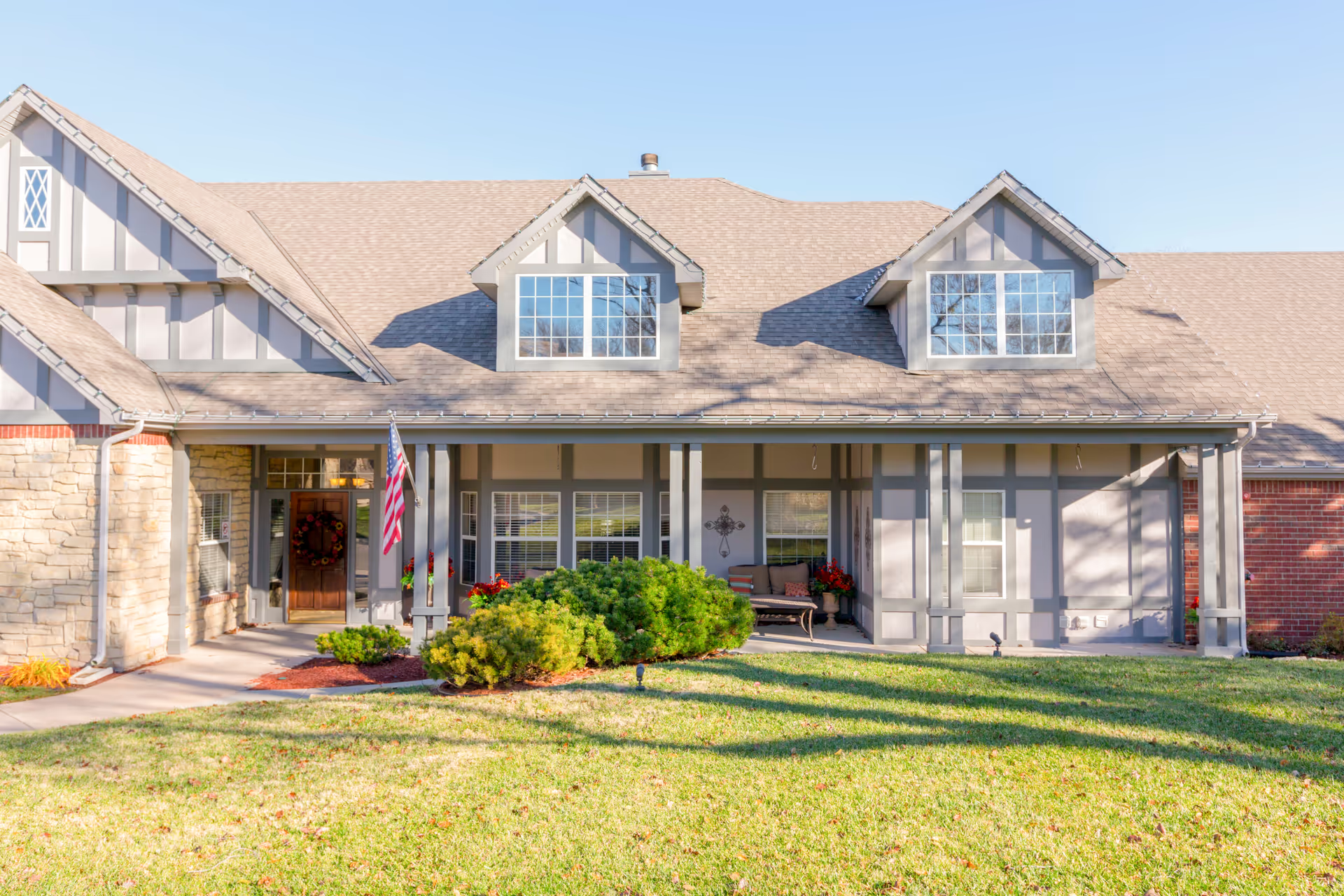
Facility features and maintenance are largely positive: clean common spaces, roomy apartments, and amenities that support an active lifestyle. There are isolated notes about areas that could use renovation and odor or sanitation concerns in a specific care area, and seasonal access (ice/snow) or off-hour entry logistics were cited as practical challenges. Families should tour units of interest and inspect hallways, the memory-care neighborhood, and entry points during the time-of-day they expect visits.
Overall pattern and recommendation: Homestead Estates of Wichita appears well suited for independent-living residents seeking amenity-rich, social living with strong housekeeping and activities support. The direct-care teams and many support employees receive frequent praise. At the same time, recurring operational issues — notably staff turnover, inconsistent clinical coverage (especially overnight), family-communication gaps, and administrative/billing inconsistencies — are themes that prospective residents and families should investigate further. Before committing, ask for current staffing ratios, RN coverage schedules, turnover statistics, written billing/contract terms, and examples of how the community integrates families into care planning and coordinates with outside medical providers.