Reviewers describe a facility with notable strengths in rehabilitative care, interpersonal caregiving, and activities, alongside recurring operational shortcomings. Positively, many families praised the therapy program (PT/OT), individualized rehabilitation plans, and staff who demonstrate compassion and persistence in helping residents regain function. Several accounts highlight effective discharge planning, strong social-work engagement, and an activity calendar that includes group games, holiday events, and community-style outings. Admissions and front-desk staff are frequently described as helpful in matching residents to appropriate services, and volunteers and communal outdoor spaces contribute to a welcoming atmosphere for some residents.
Clinical care evaluations are mixed. There are consistent commendations for nurses and CNAs who provide attentive, skilled bedside care; however, reviews also raise concerns about medication administration processes, missed medications at times, and inconsistent wound-care follow-up including worsening pressure injuries in isolated cases. Families report variability in the timeliness of assistance with activities of daily living — bathing and toileting schedules appear inconsistent — and some reviewers described safety-related lapses in transfers and toileting setups. Additionally, there are indications of limited follow-through for specialty referrals in some situations.
Operationally, staffing levels and workforce stability are recurring themes. Several reviewers cite understaffing on specific units, heavy nurse-to-resident ratios, and reliance on agency staff that can lead to uneven service quality and communication. This staffing pressure appears linked to delayed responses to call lights, slow completion of care tasks, and intermittent lapses in housekeeping and laundry services. Personal-property handling and inventory controls are another area of concern; there are allegations of missing clothing and inconsistent laundry return practices, and families recommend clarifying property-management policies before admission.
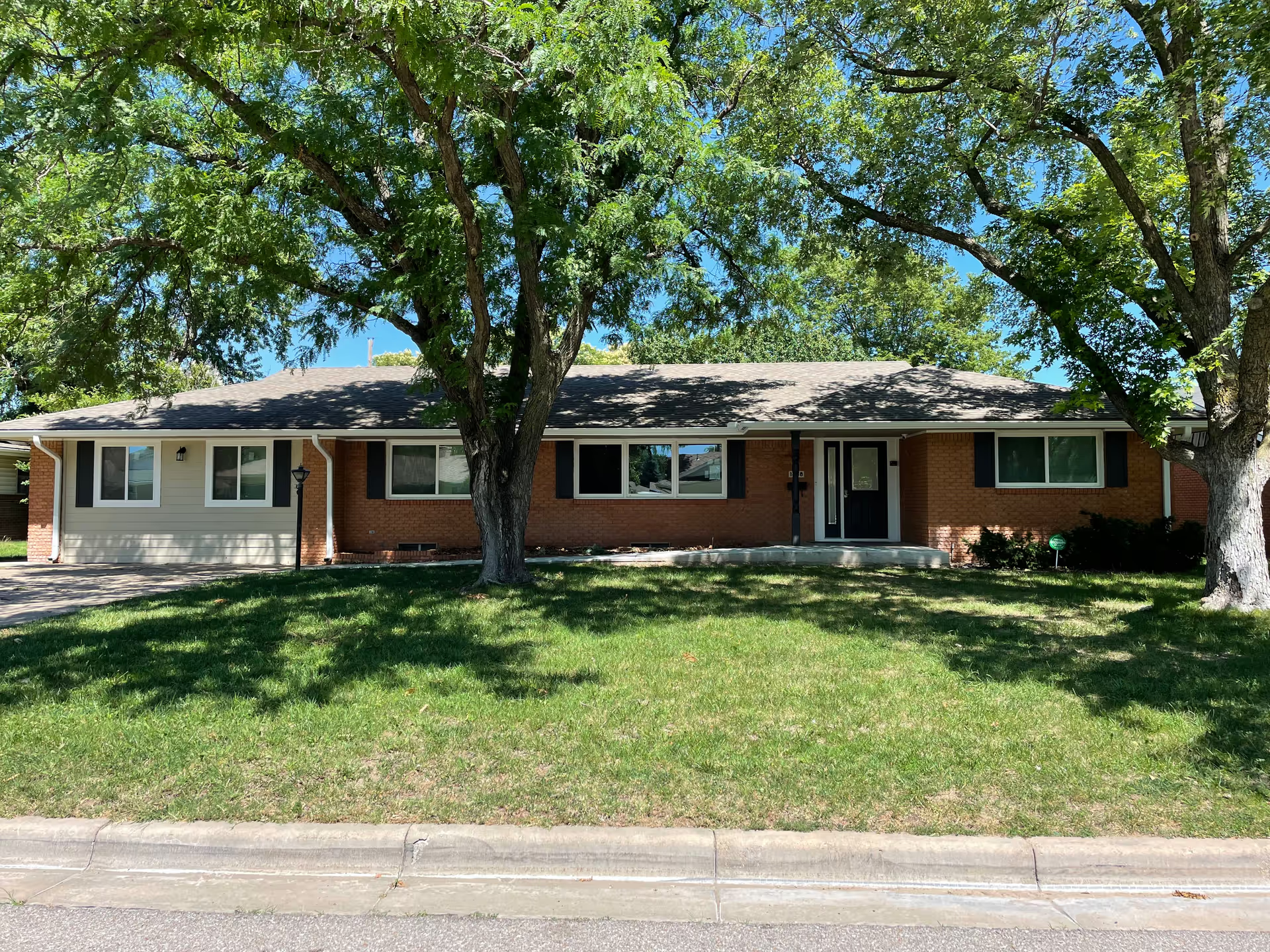
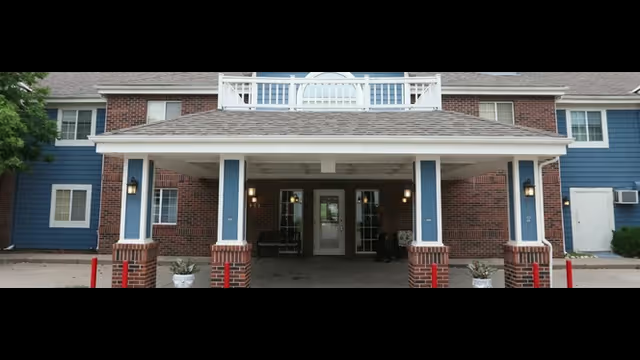
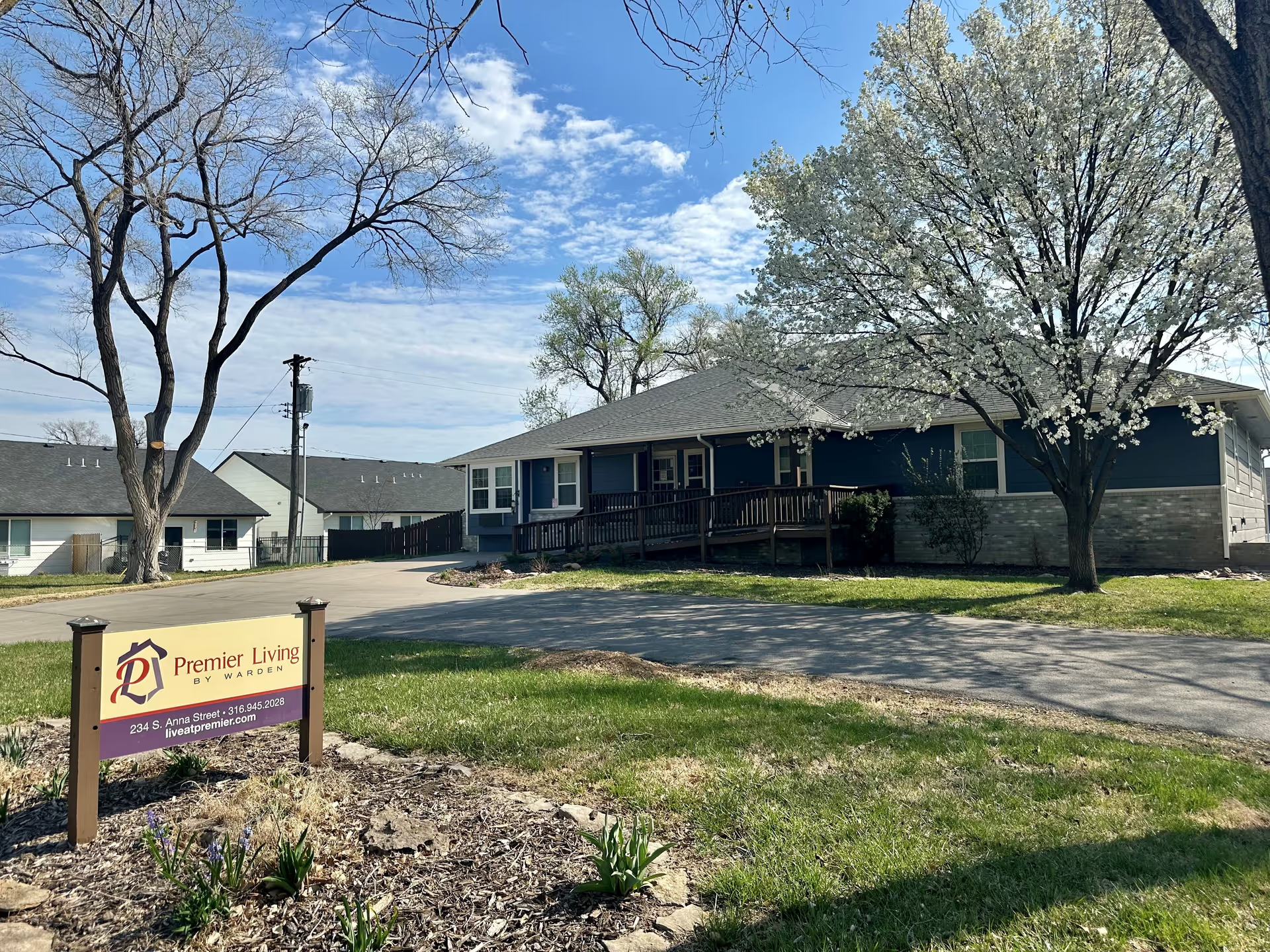
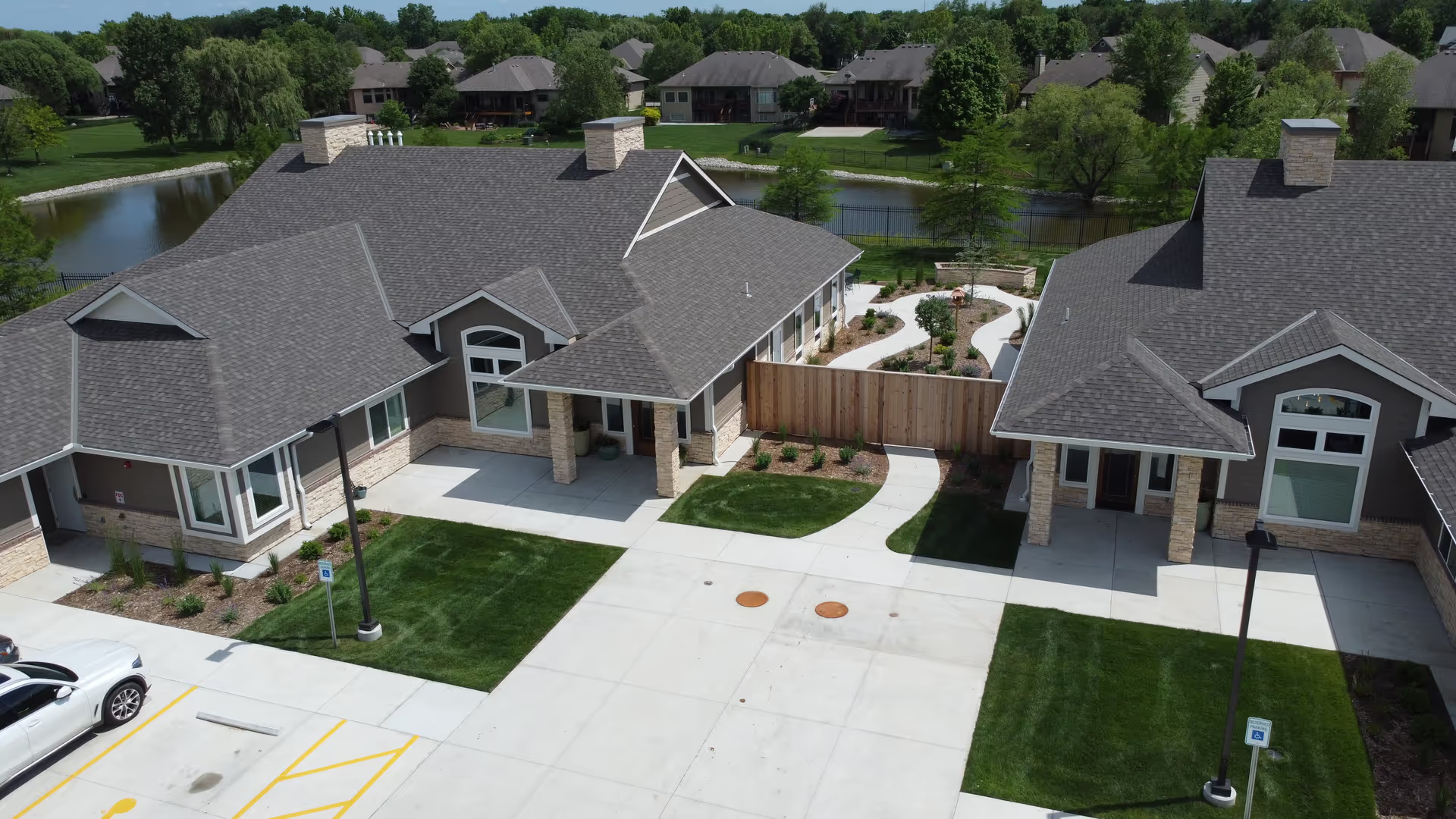
Dining and facilities feedback is heterogeneous. Many reviewers praised the dietary staff for accommodating preferences, offering flexible menu options, and providing thoughtful gestures. Conversely, others report inconsistent meal availability, small portions or shortages on weekends, and periodic stockouts. Facility appearance and cleanliness comments are also mixed: some describe clean, bright rooms and pleasant common areas, while others note sanitation concerns, odor issues in particular areas, pest-control and maintenance backlogs, and uneven housekeeping performance.
Leadership and responsiveness exhibit both positive and negative impressions. Several accounts commend specific leaders and note recent management initiatives, visible improvements, and open communication from social workers and administrative staff. At the same time, other families describe poor follow-up on grievances, slow administrative responses, and inconsistent enforcement of facility processes. There are also a small number of serious allegations regarding missing personal items; these raise concerns about property controls and escalation procedures.
Overall pattern: experiences appear polarized. Many families report high-quality, compassionate care and strong rehabilitation outcomes, while others encounter operational gaps tied to staffing, medication oversight, housekeeping, and management responsiveness. Prospective residents and families would benefit from a focused tour and direct questions about unit staffing ratios, medication administration practices, wound care protocols, laundry/property procedures, weekend meal coverage, and how the facility handles grievances and specialty referrals. These targeted inquiries can help clarify whether the facility’s strengths align with an individual’s care needs.