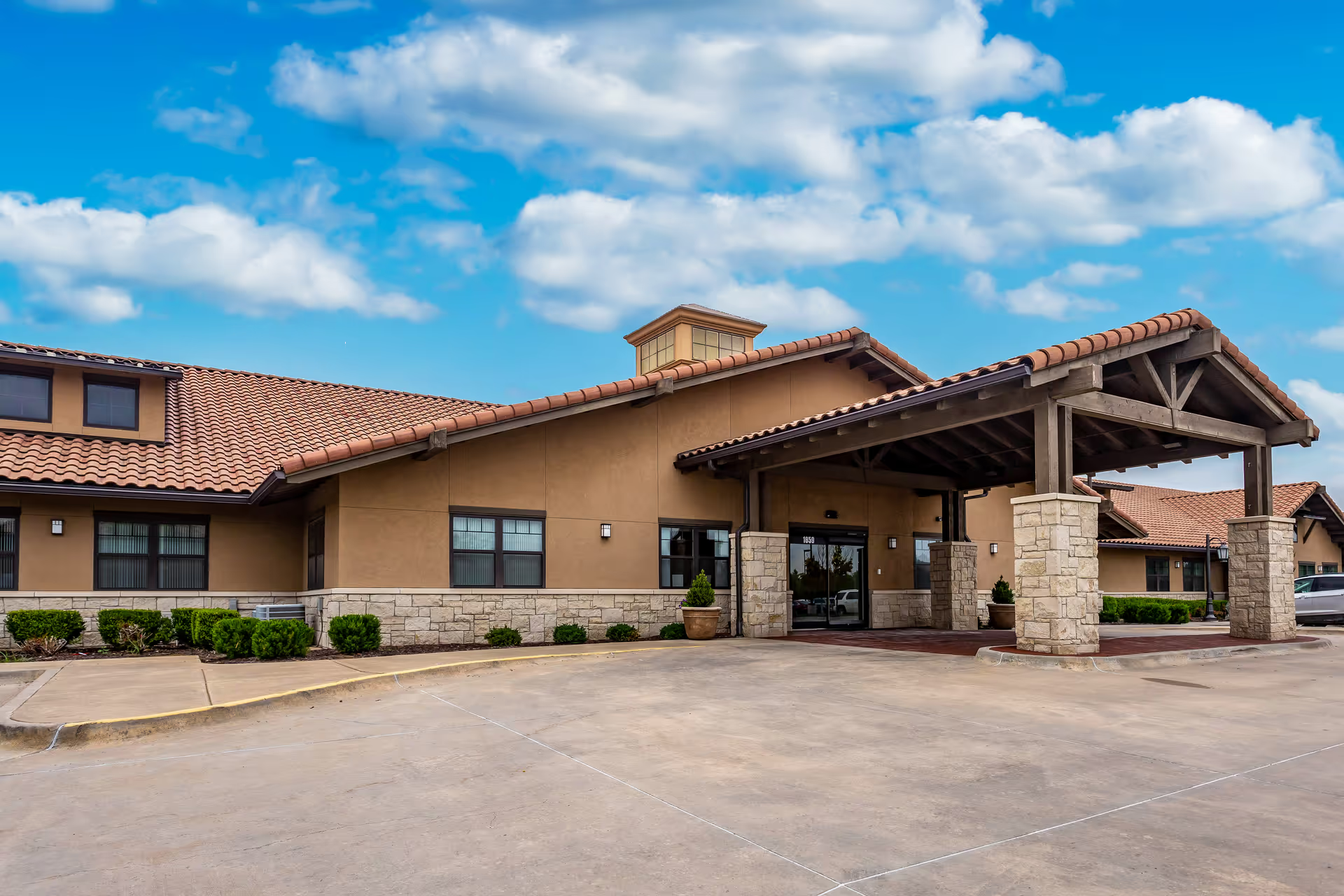
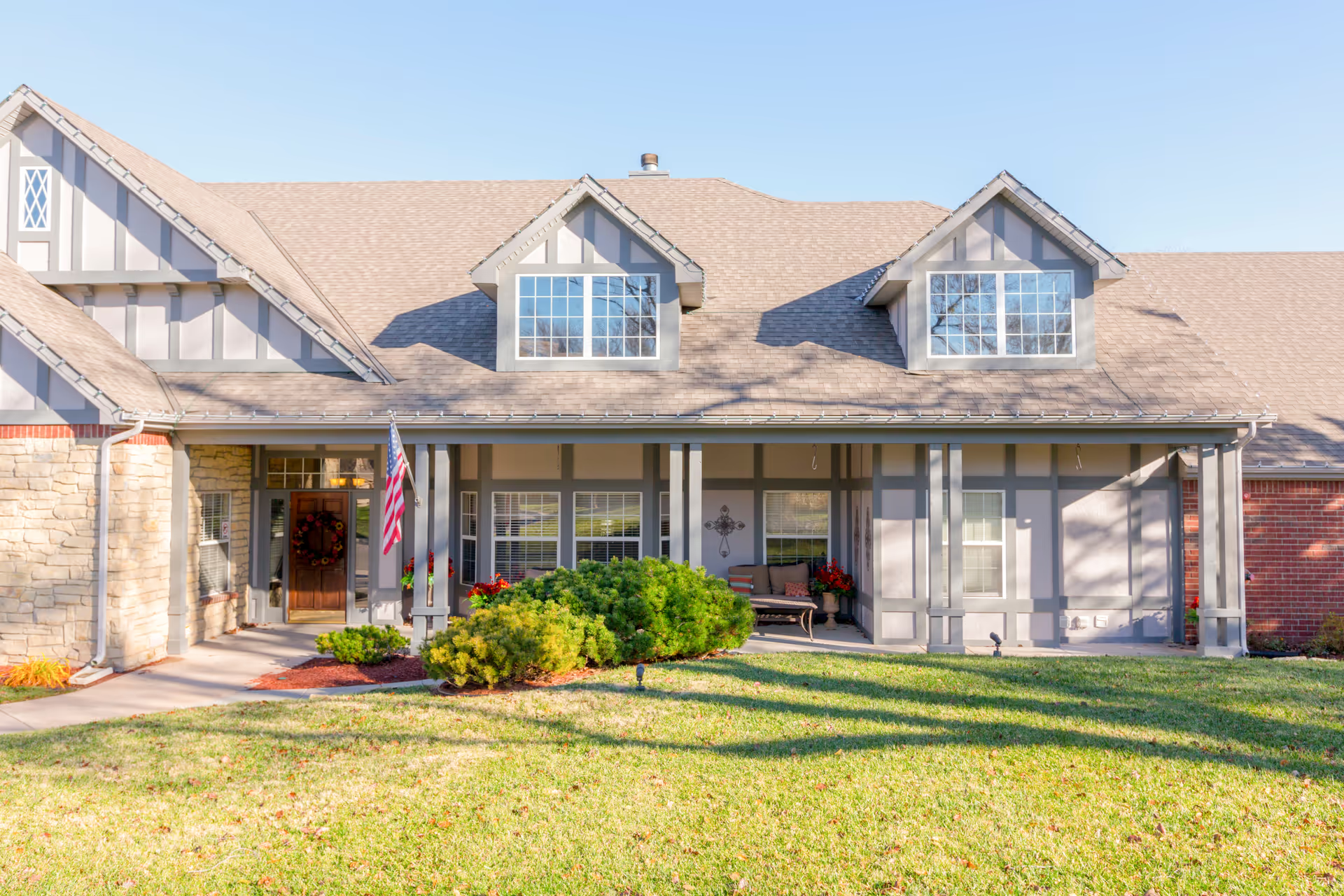
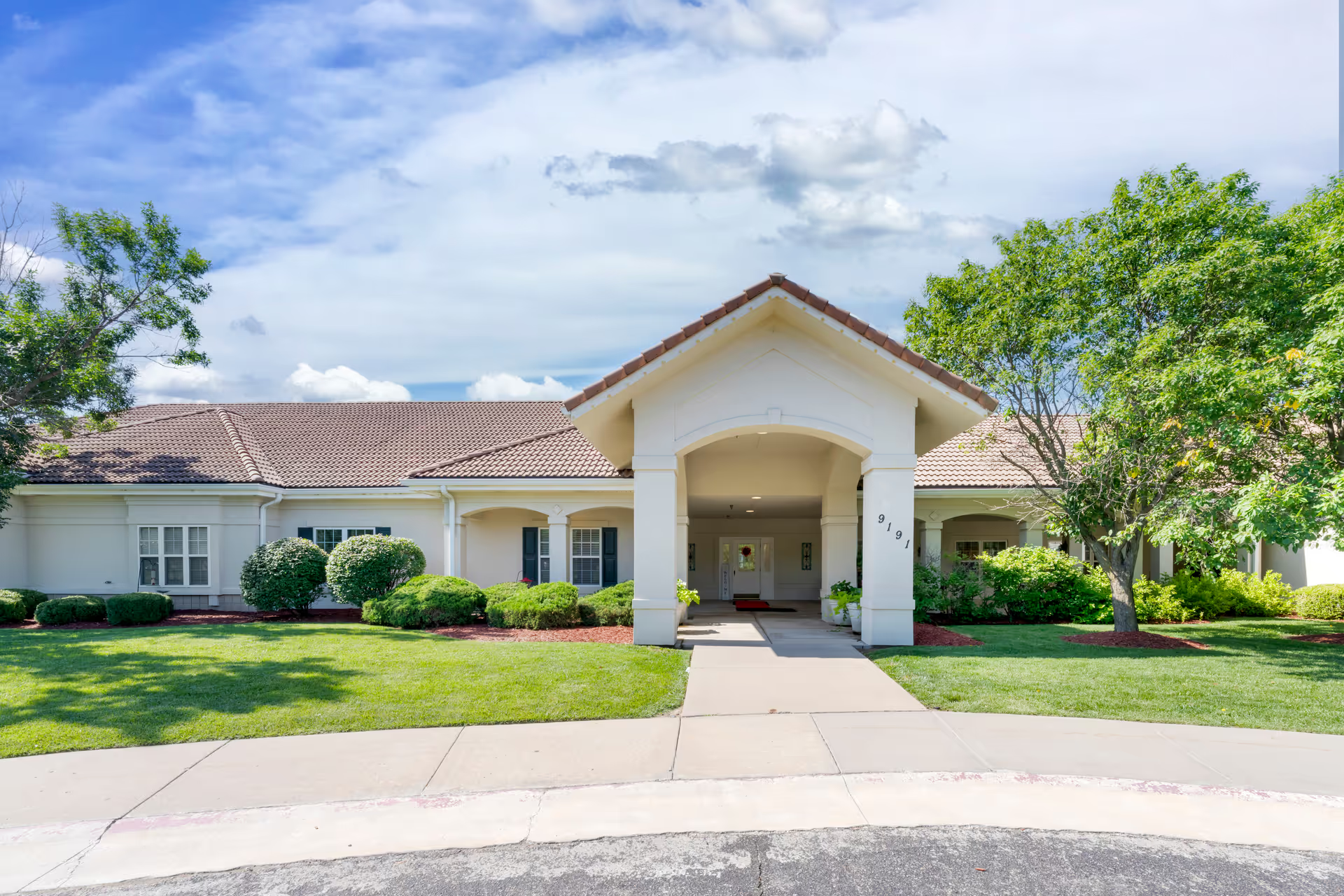
Overall impression: Reviews present a mixed picture. Families describe a generally clean setting with staff who can be attentive and supportive during transitions; several commenters said their relative was happy after moving in and that staff assisted with the initial adjustment. At the same time, a pattern of operational concerns emerges around dining consistency, activity programming, facility upkeep during renovations, and financial/management practices.
Care and staff: Caregivers are frequently described as attentive and helpful, especially during move-in and routine assistance. Resident mood and comfort are noted positively in multiple accounts. However, reviewers also identified gaps in staff capability to resolve problems or handle certain issues independently; this suggests opportunities for focused training in problem resolution and communication. Overall responsiveness appears adequate for day-to-day needs, but families should clarify escalation pathways and staff competencies when evaluating placement.
Dining and activities: Early impressions included home-cooked meals and baked items at each meal. Over time reviewers noted a decline in meal quality and variety — less fresh meat, more canned goods, fewer baked items, and limited beverage options — which was associated with some residents eating less. Activity offerings appear minimal and largely limited to television; there is little evidence of structured recreational or social programming. These patterns indicate inconsistent meal-service continuity and limited engagement programming relative to expectations for congregate living.
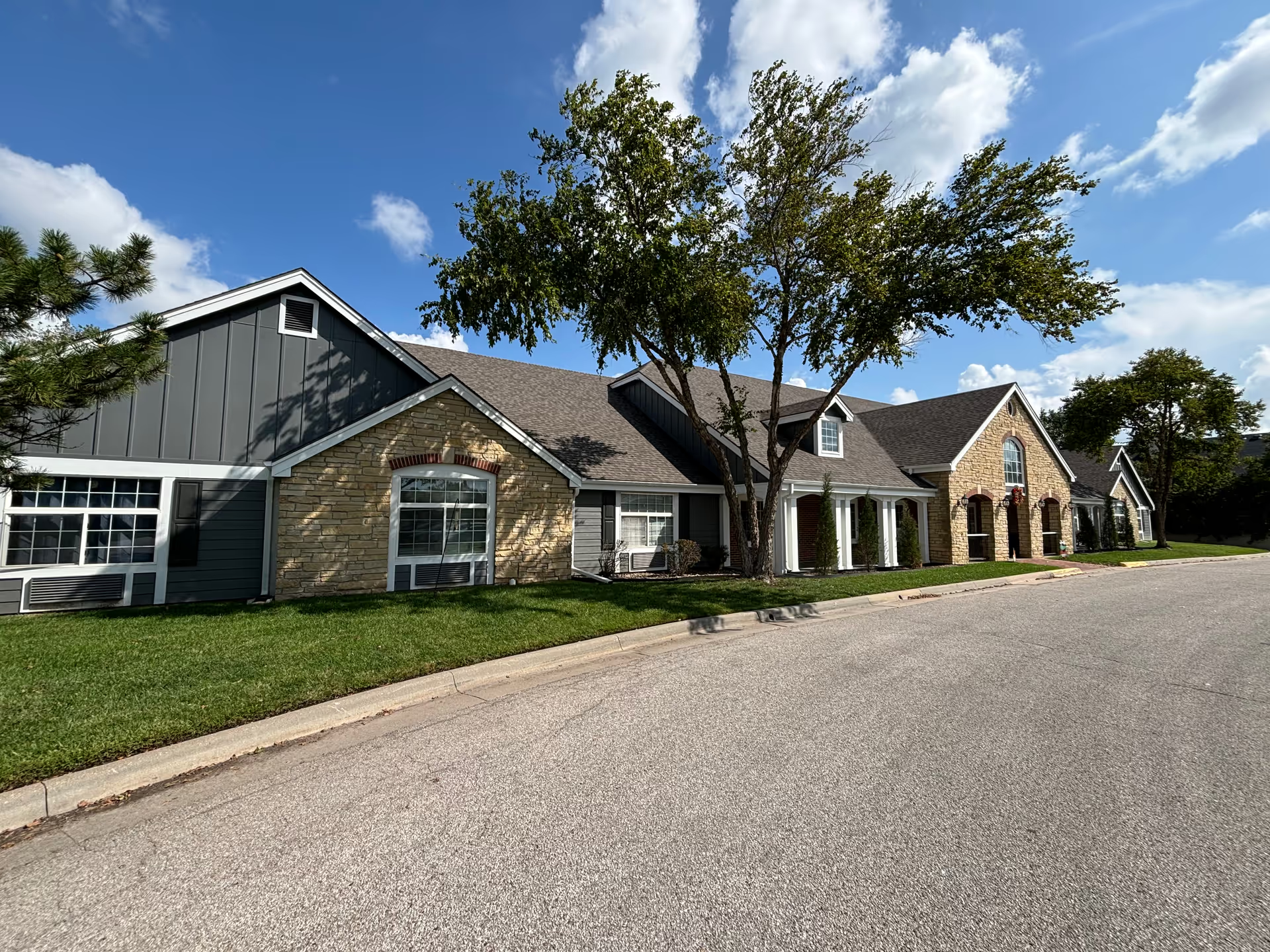
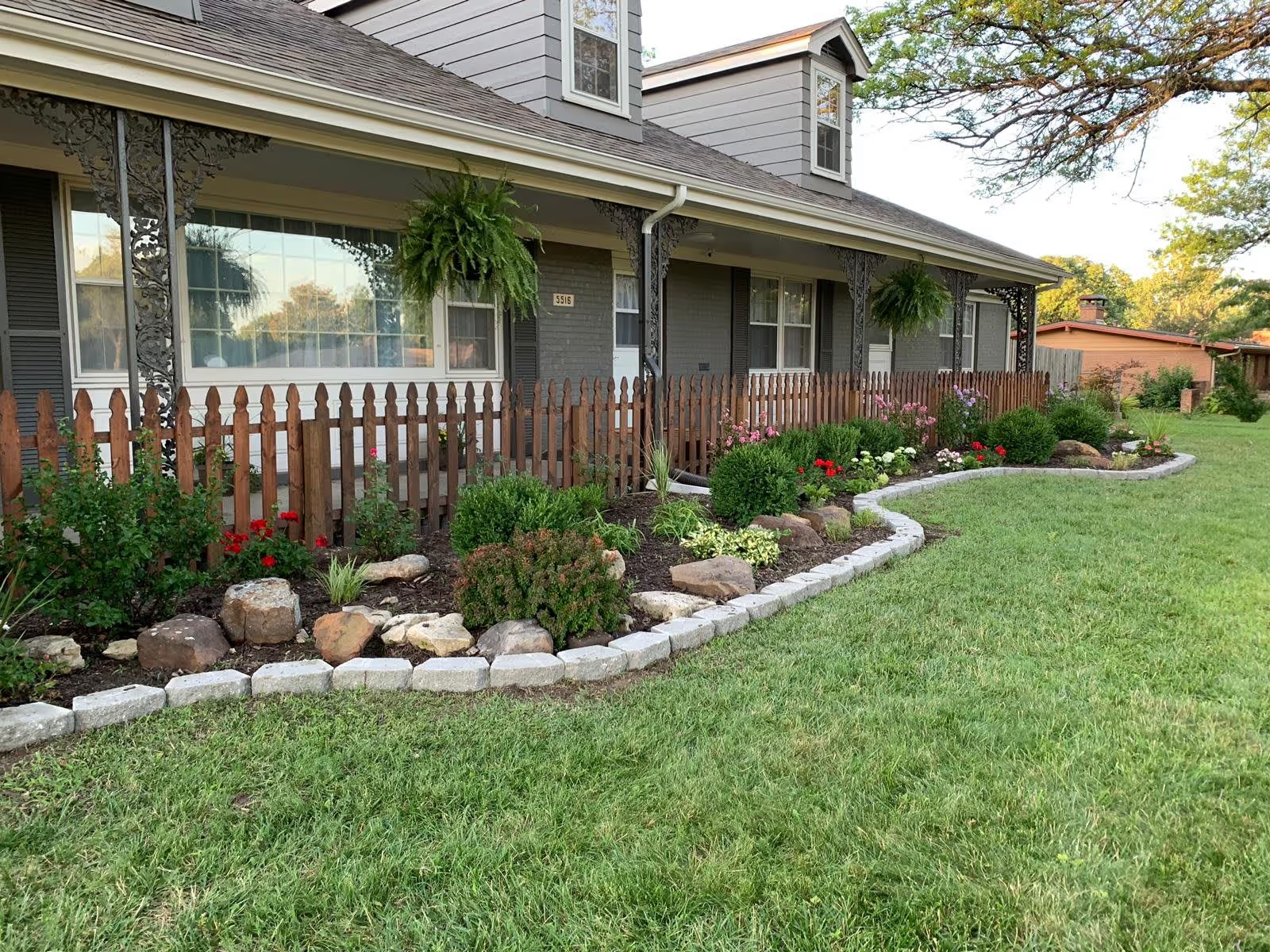
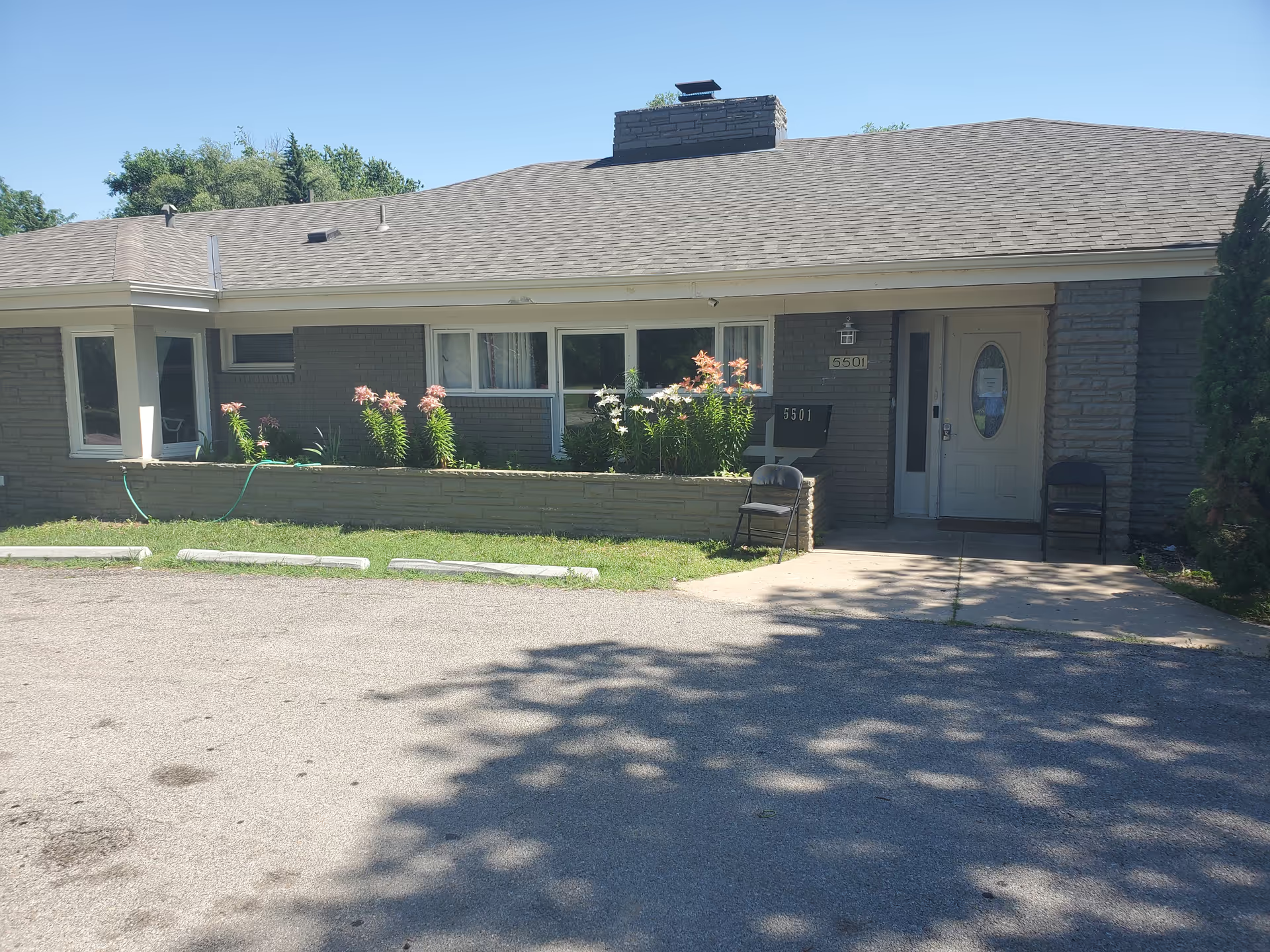
Facilities and management: The physical environment is reported as clean, but ongoing bathroom remodeling has been a source of disruption. More significant are the management and financial concerns some families raised: requests for earlier-than-expected payments, statements suggesting owner financial strain, and talk of potential resident moves linked to money issues. These items point to instability in billing practices and housing continuity that prospective residents and families should address directly with administration.
Notable patterns and guidance: The strongest, consistent positives are cleanliness, staff helpfulness during transitions, and initial resident adjustment. Recurrent weaknesses are inconsistent dining and menu variety, limited activities, staff training gaps for problem resolution, renovation-related disruption, and payment/pricing uncertainty. Prospective families may want to ask for current menus and sample meals, a written activity calendar, details on renovation timelines, copies of payment policies and notice requirements, and examples of staff training/incident escalation procedures before committing.