Overall impression: Reviews convey a consistently positive experience around interpersonal care and community life at Aspen Alcove Bardstown. Families and residents frequently emphasize warm, compassionate staff who provide attentive day-to-day support and create a welcoming, family-like atmosphere. The facility is portrayed as small and home-like, which reviewers link to strong social connections and frequent resident engagement.
Care quality and staff: Care-focused comments concentrate on responsive, kind staff who help residents feel safe and comfortable. Reviewers highlight staff going beyond routine duties — assisting with move-in transitions, responding to urgent needs, and organizing personal touches (for example, birthday celebrations). Leadership and specific managers are described as accessible and supportive, and several notes indicate improved consistency after managerial changes. The dominant theme is dependable personal attention; however, a recurring concern relates to the memory-care/dementia unit, where program quality appears less consistent than in the general community.
Dining and activities: Dining is generally portrayed positively: meals are described as well prepared, home-style, and occasionally highlighted for special holiday menus. Activities receive strong praise — staff (notably the activities director) are described as proactive in encouraging participation, organizing social opportunities, and creating a lively calendar that helps residents socialize and build community.
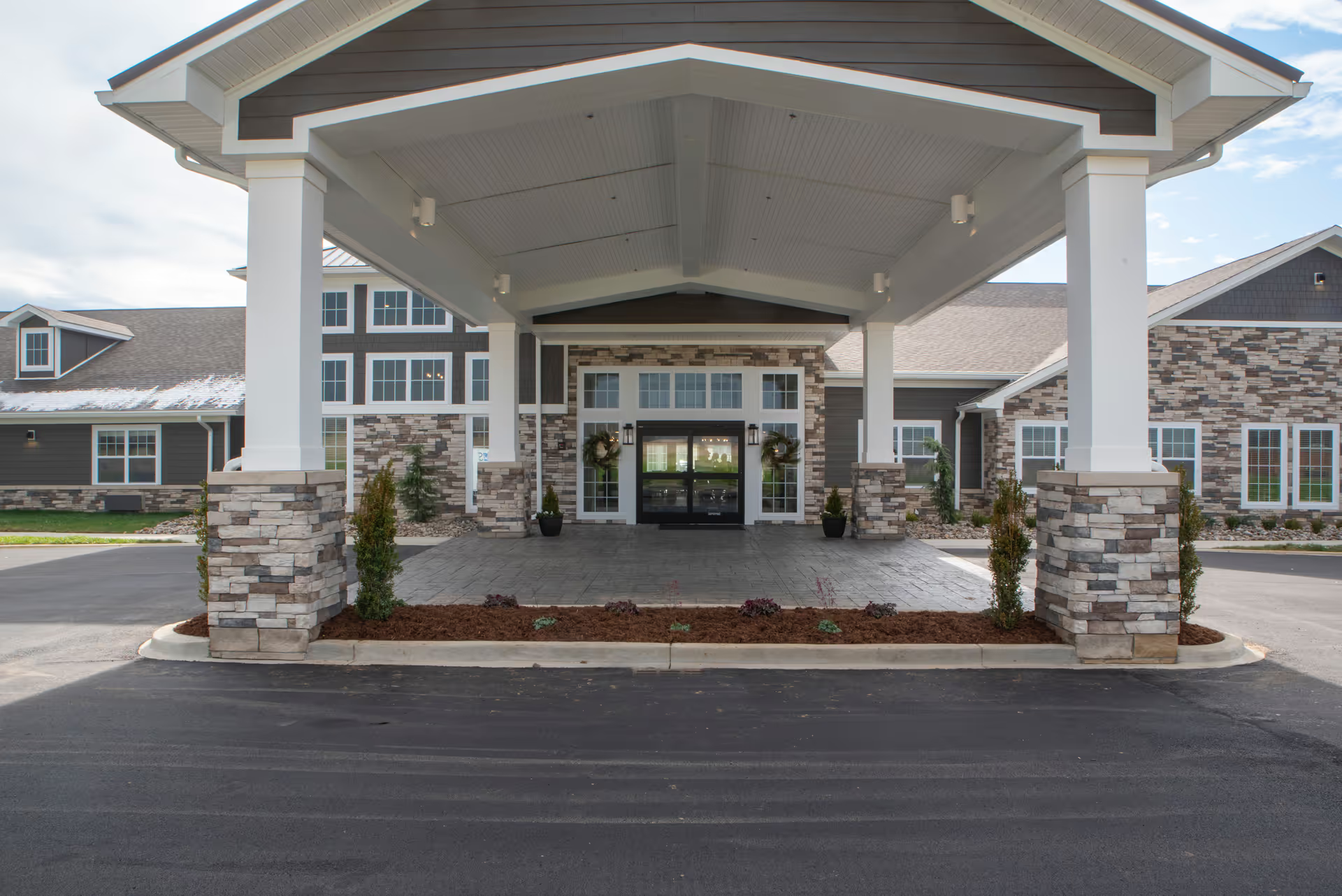
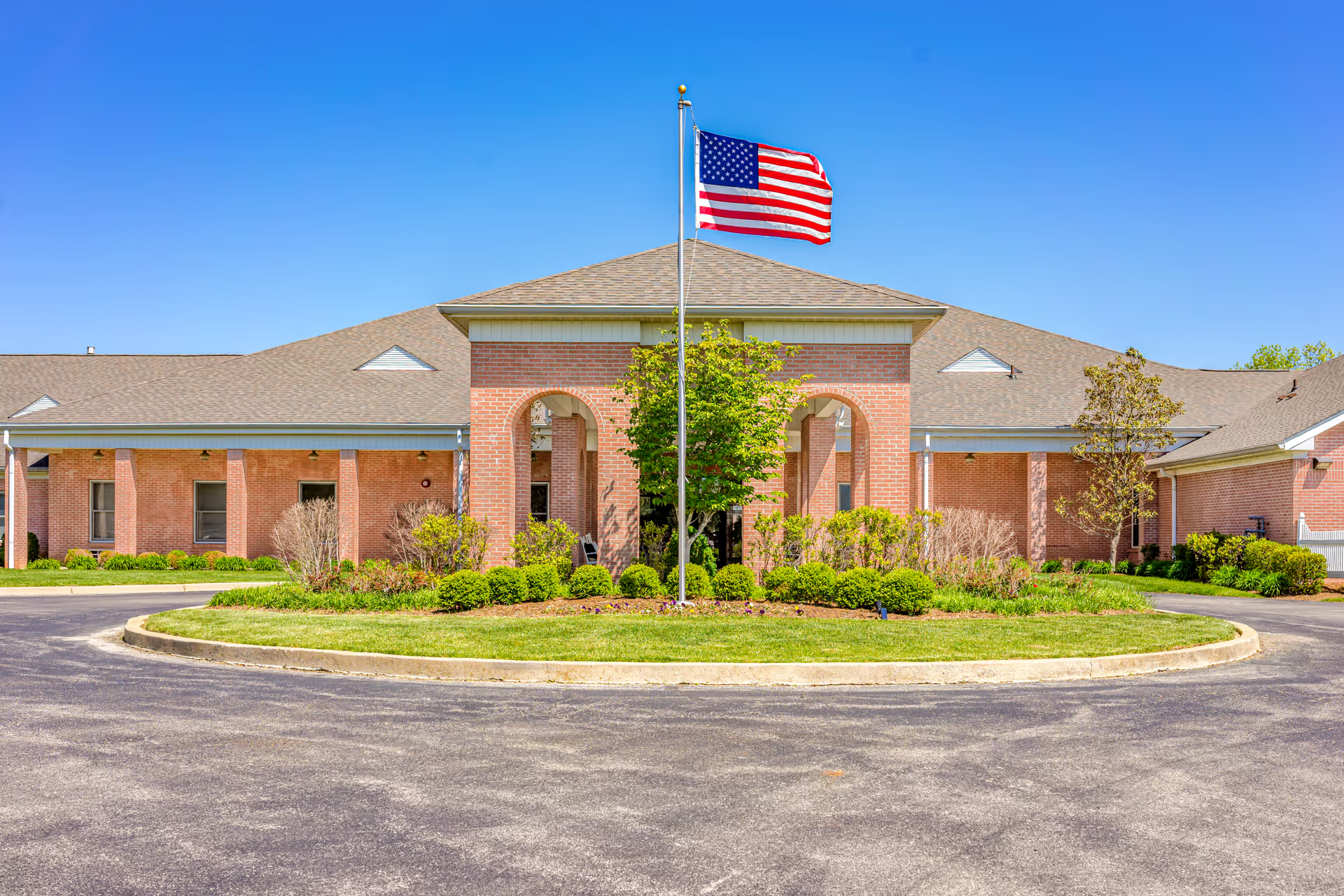
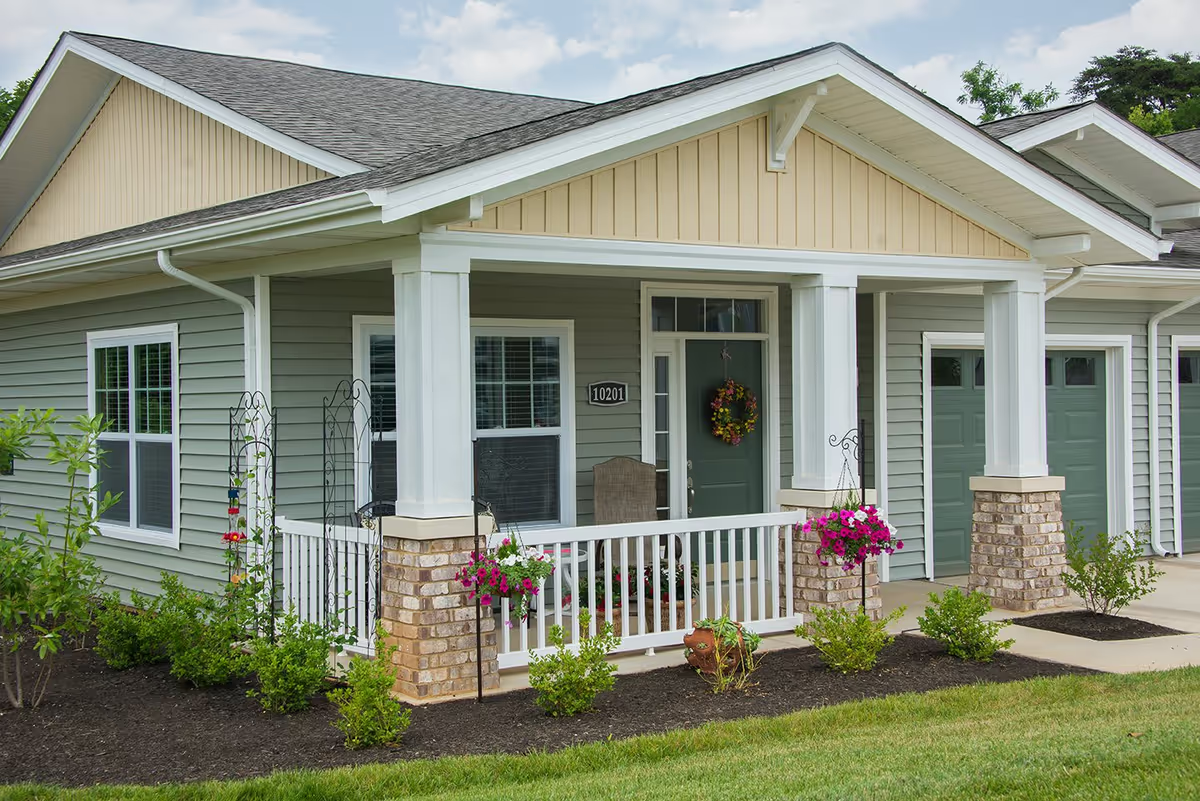
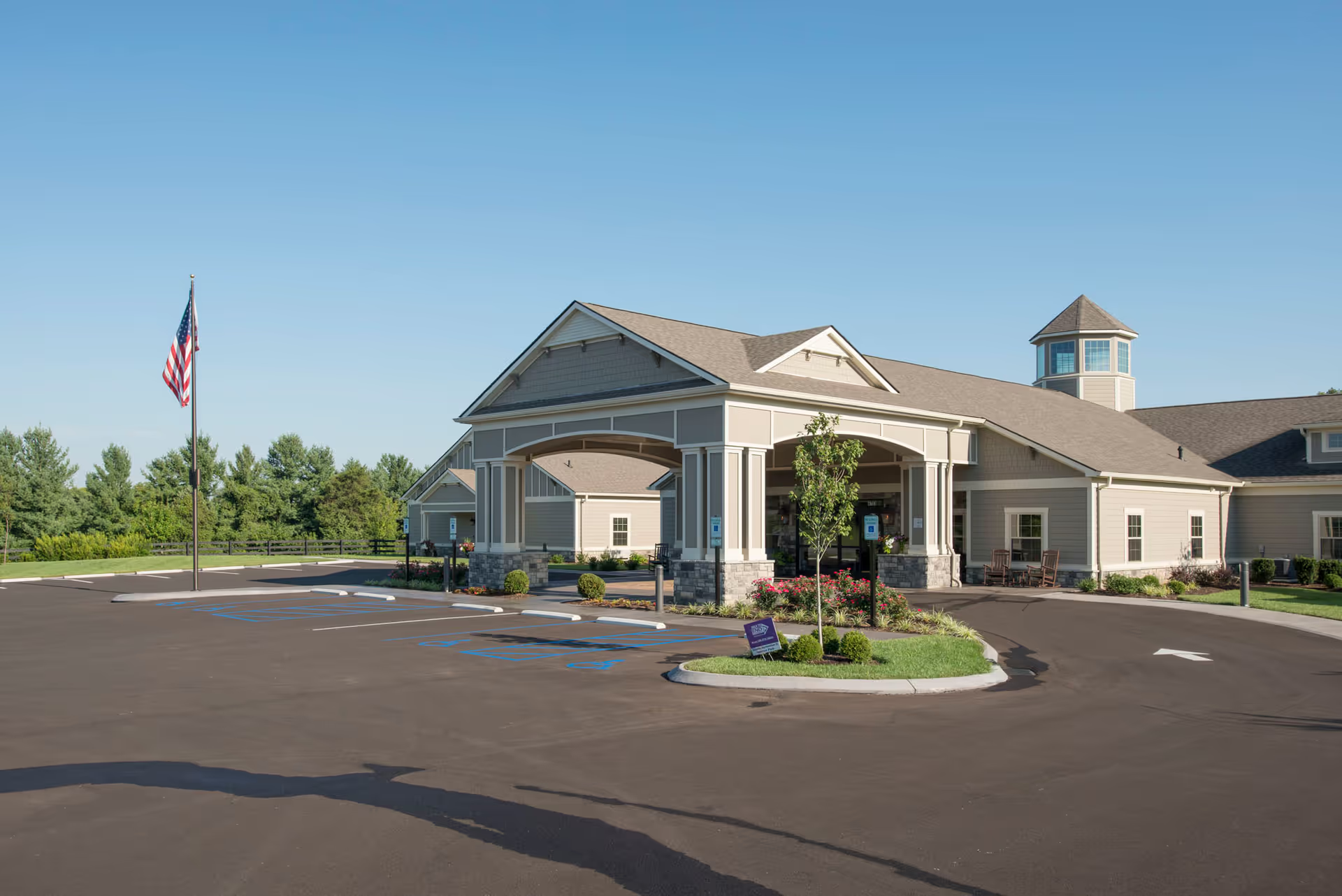
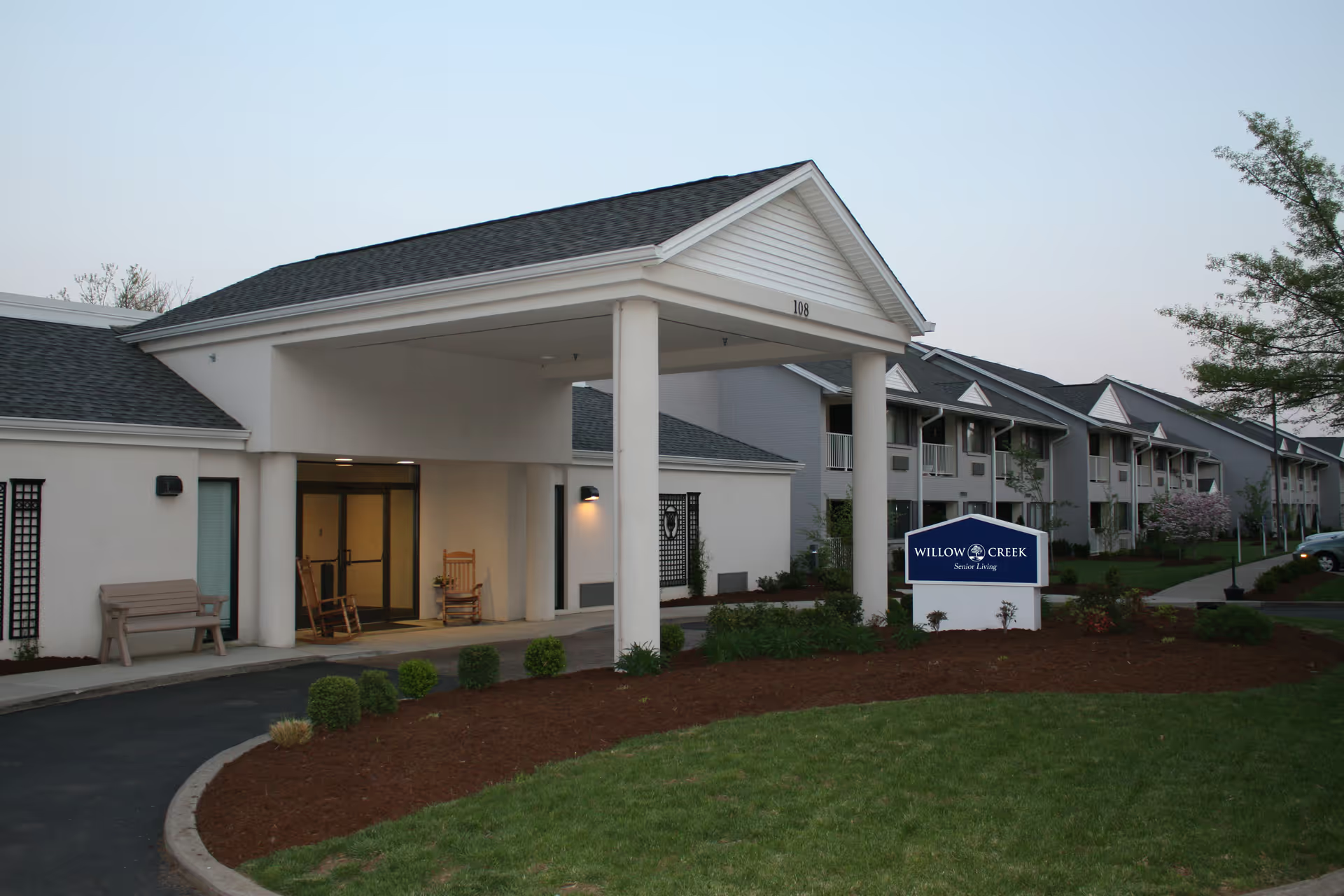
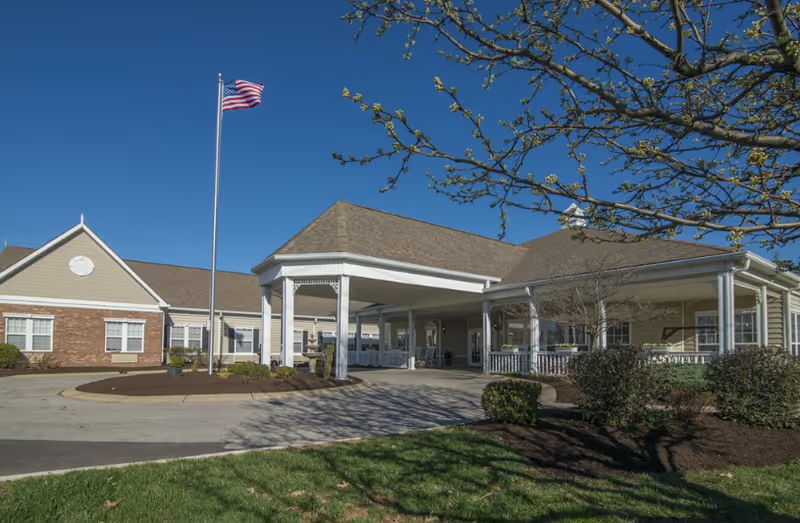
Facilities and maintenance: The physical environment is commonly described as clean, cozy, and under active improvement. Multiple reviewers mention renovations and upgrades that have refreshed the facility; at the same time, some remarks note intermittent maintenance issues or disruption during renovation work. Overall, the facility’s appearance and comfort level are strengths, particularly once upgrades are completed.
Management and patterns: Reviewers generally view management as professional, courteous, and responsive; families cite smooth transitions and good communication at move-in. There are indications of a recent management transition and renovation period that produced some variability in operations—this appears to be resolving as upgrades continue. Cost is framed as reasonable, with families perceiving good value for the level of personal attention and community programming.
Notable patterns and caveats: The strongest, repeated positives are staff compassion, active programming, social engagement, and satisfying dining. The main operational caveats to consider are variability in the memory-care program, temporary maintenance or service disruptions tied to renovations, and some operational inconsistency during recent management changes. Prospective residents and families who prioritize warm, small-community social life and attentive staff are likely to view this facility favorably; families with specific, complex memory-care needs should inquire directly about current dementia-service staffing, protocols, and recent improvements before deciding.