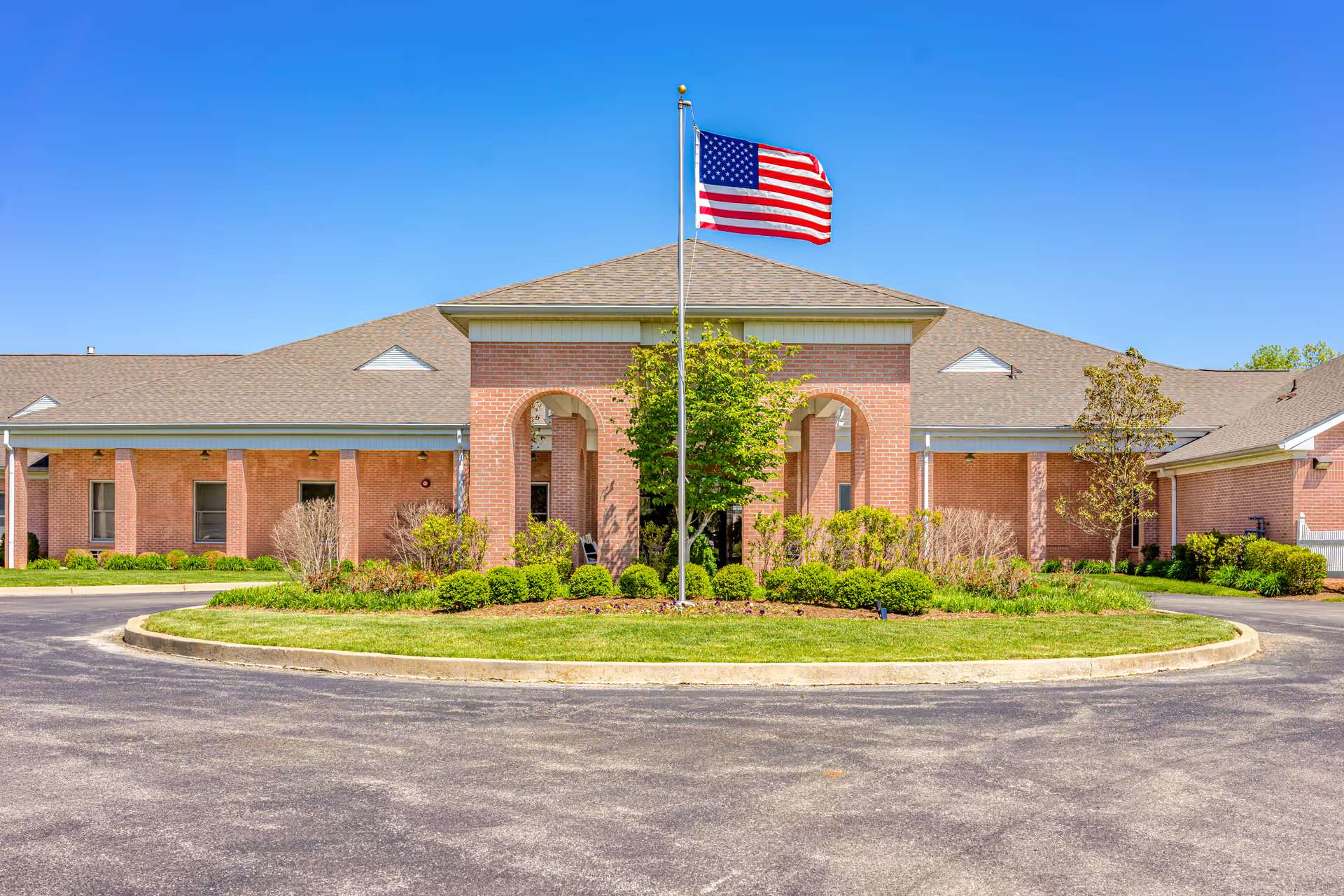
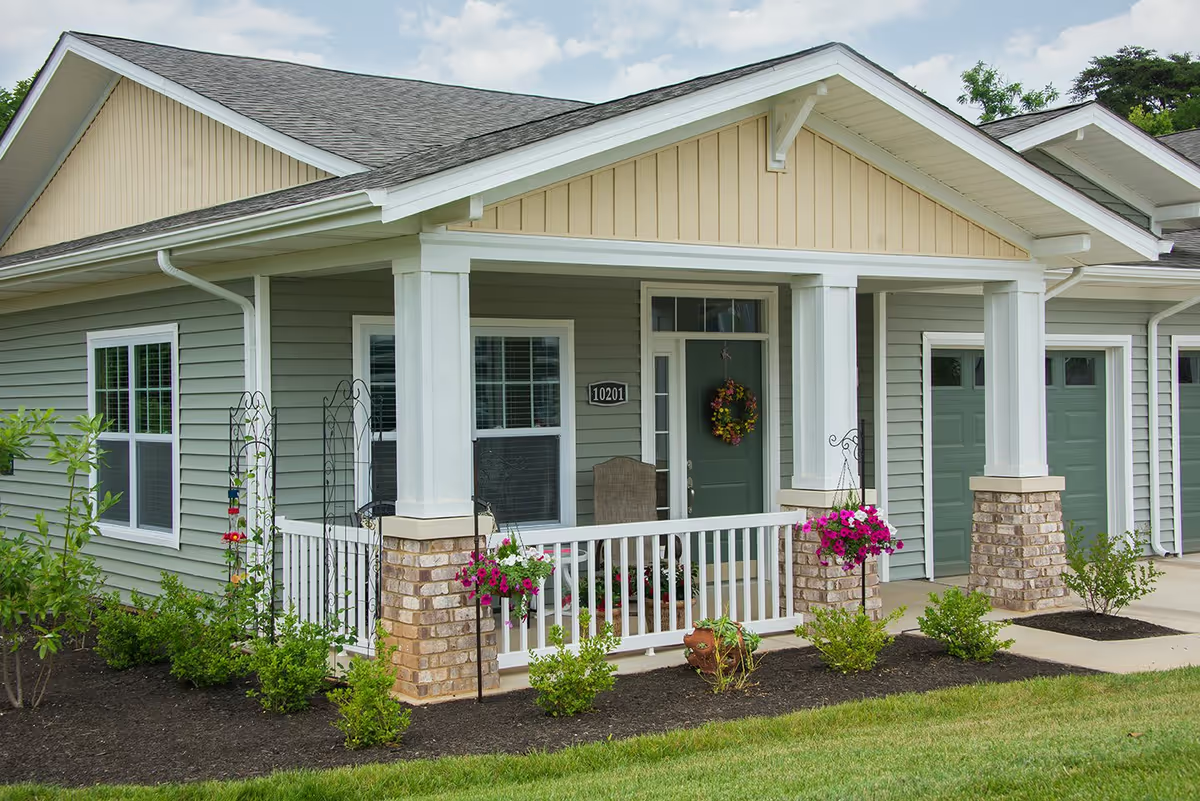
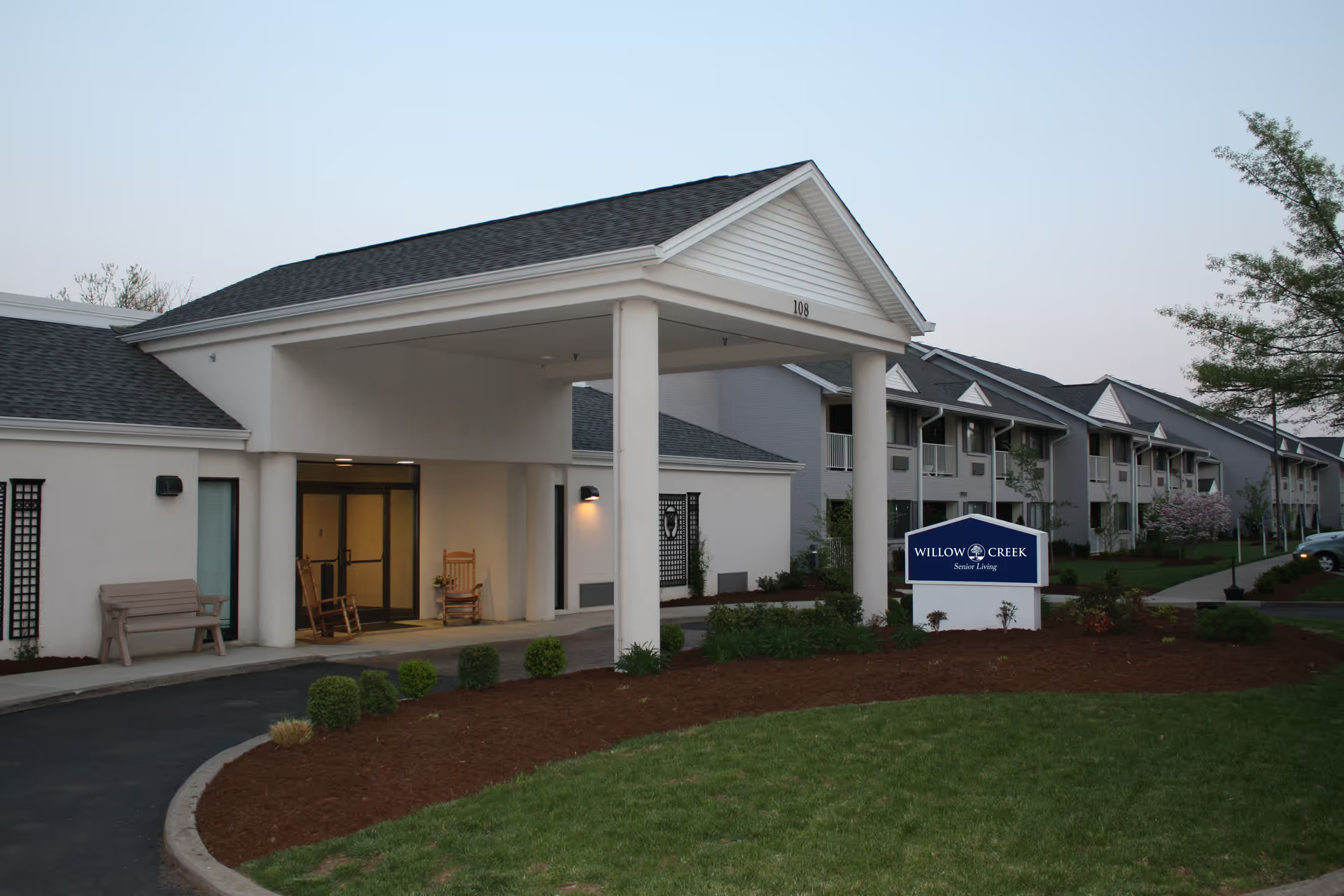
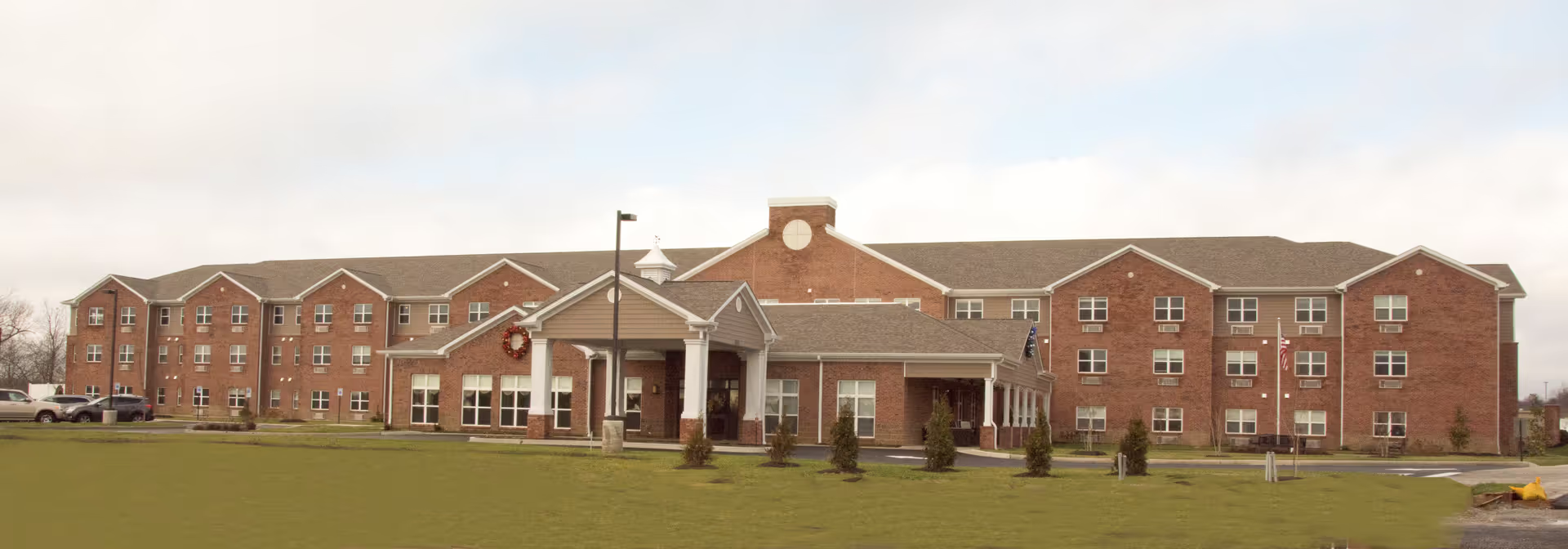
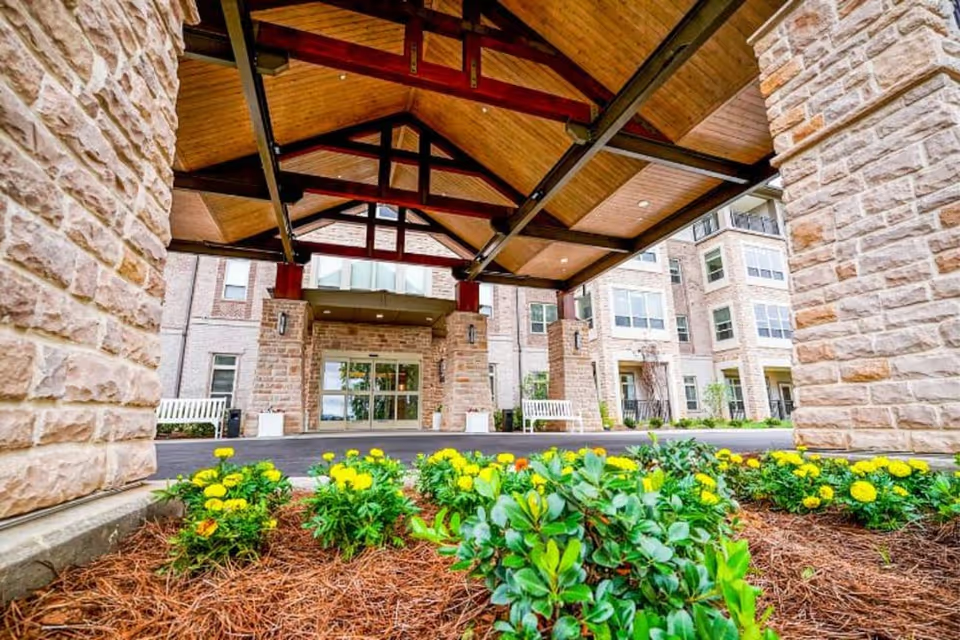
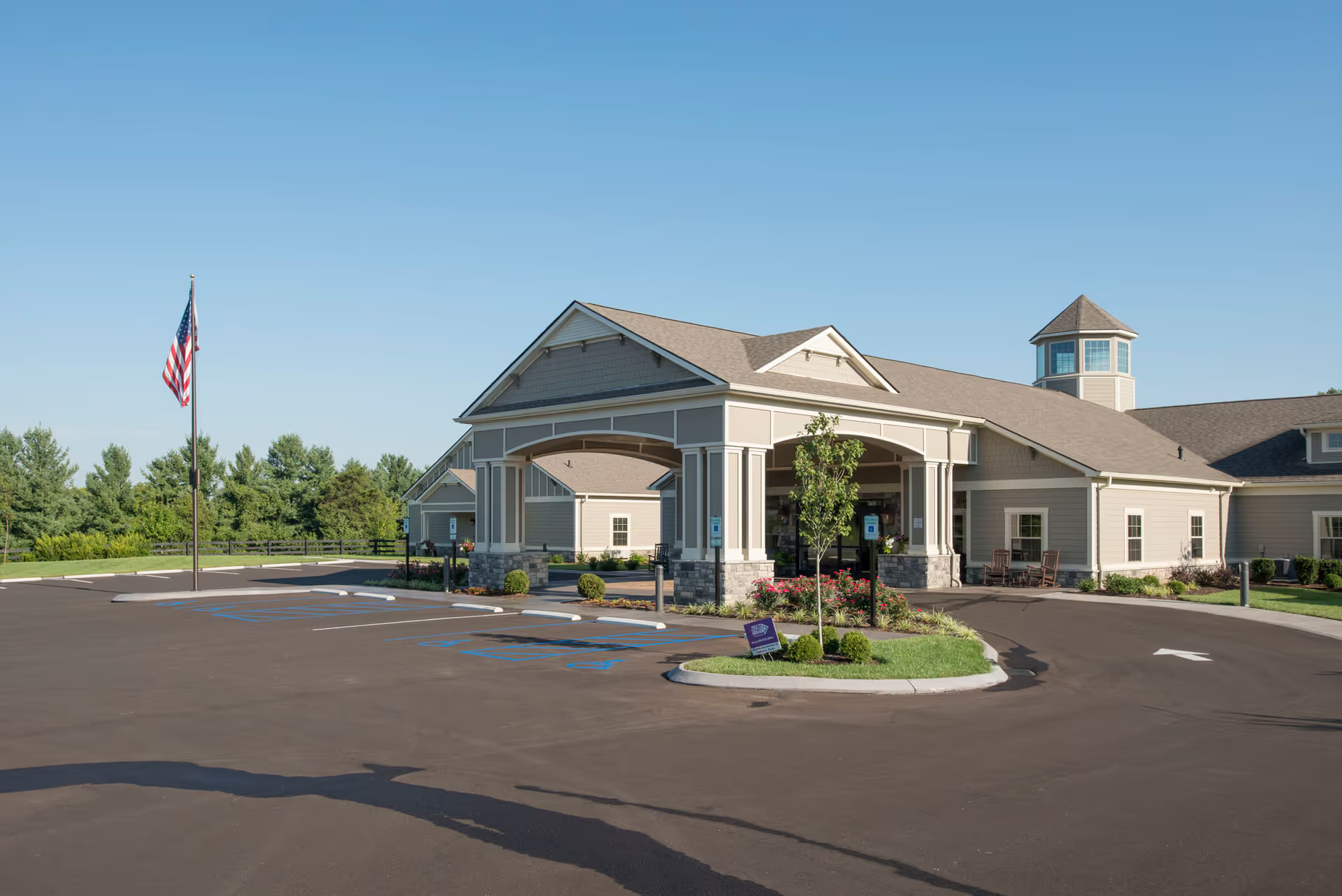
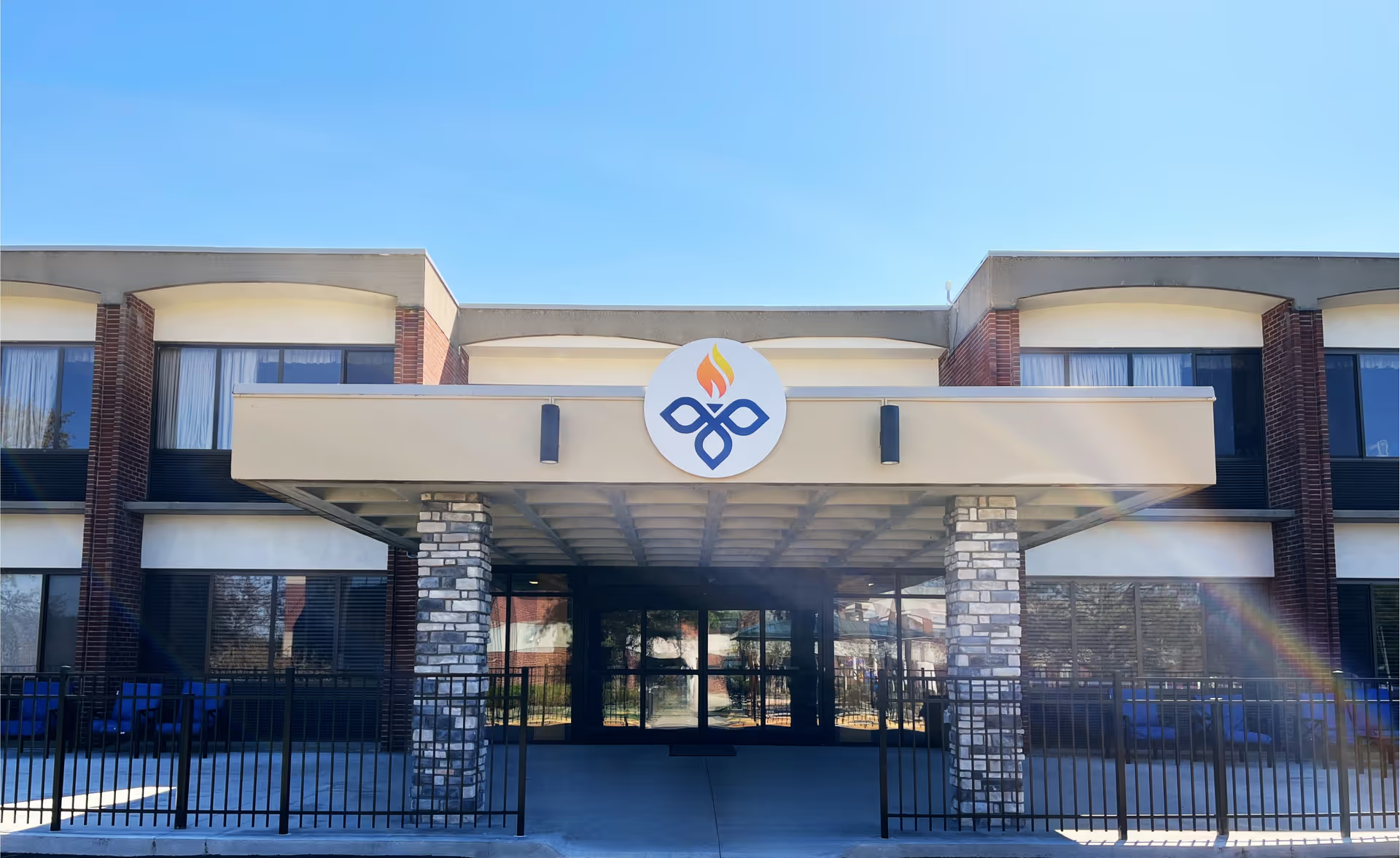
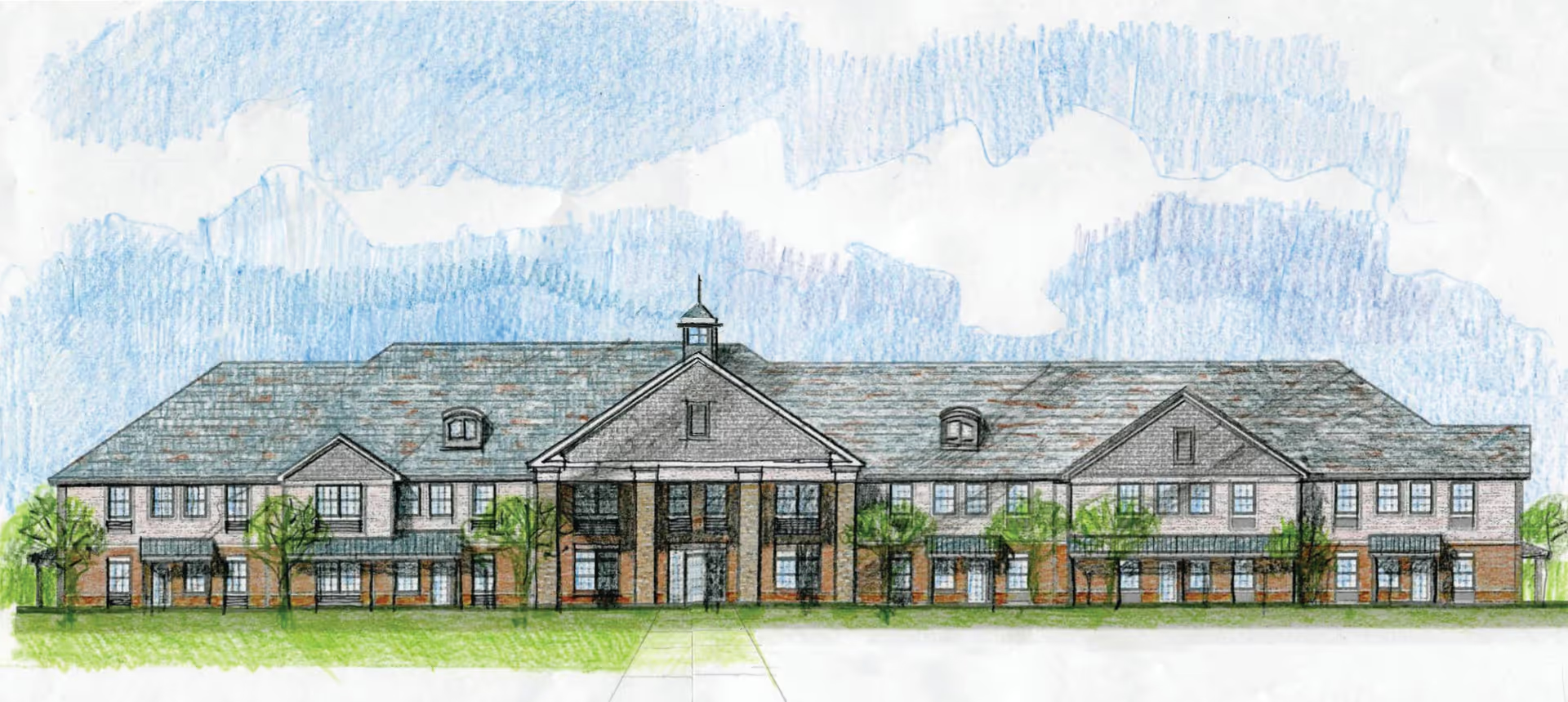
Cooper Trail Senior Living is described overwhelmingly as an upscale, well-kept community with strong hospitality elements. Reviewers consistently praise the physical plant—clean common areas, attractive accommodations and a campus that reads as hotel-like. Dining is a frequent highlight: chef-driven, restaurant-style meals with good presentation and a number of families calling the food one of the best in the area. The facility emphasizes socialization and engagement, offering a broad life-enrichment program, frequent activities, outings and events that residents and families find meaningful.
Clinical and caregiving strengths are also prominent in the reviews. Many families note a caring, family-oriented staff culture, with caregivers who create a home-like environment. Administrative and front-desk staff are often described as helpful and communicative, and the facility advertises around-the-clock licensed nursing coverage and rehabilitative services such as physical therapy. These factors contribute to an overall perception of attentive, personalized care for routine long-term and assisted-living needs.
Alongside the positive patterns, several clinically significant operational concerns appear in the feedback and deserve attention. Reviewers described issues consistent with gaps in wound management and pressure-ulcer prevention, which in turn were associated with infection and hospital transfers in a subset of accounts. There are also indications of uneven falls-prevention and post-fall monitoring practices and instances where infection-control follow-up and care coordination with outside providers could have been stronger. These items point to areas where clinical protocols and monitoring might need reinforcement.
Operational and management themes include questions about transparency and responsiveness. Some families reported additional or unclear charges when a resident transitioned to memory care, and others described delays in administrative follow-up on particular concerns. A small number of comments referenced inconsistencies in environmental-cleanup coordination among staff and noted perceived weaknesses in security or on-site safety protocols. Taken together these raise practical questions about billing transparency, incident follow-through and internal coordination.
For prospective residents and families, the dominant impression is of a high-quality, hospitality-oriented community with strong social programming and generally attentive staff. However, the clinical concerns cited—wound care, infection follow-up, falls-prevention, and clarity around memory-care fees—are substantive and actionable. Families considering Cooper Trail would be well served to ask targeted questions about clinical protocols (wound and pressure-ulcer prevention, fall management, infection control), fee structures for memory-care transitions, staffing patterns during off-hours, and specific procedures for incident follow-up and family communication. This provides a balanced view: substantial strengths in environment, dining and social life, with specific operational areas that merit direct inquiry before placement.