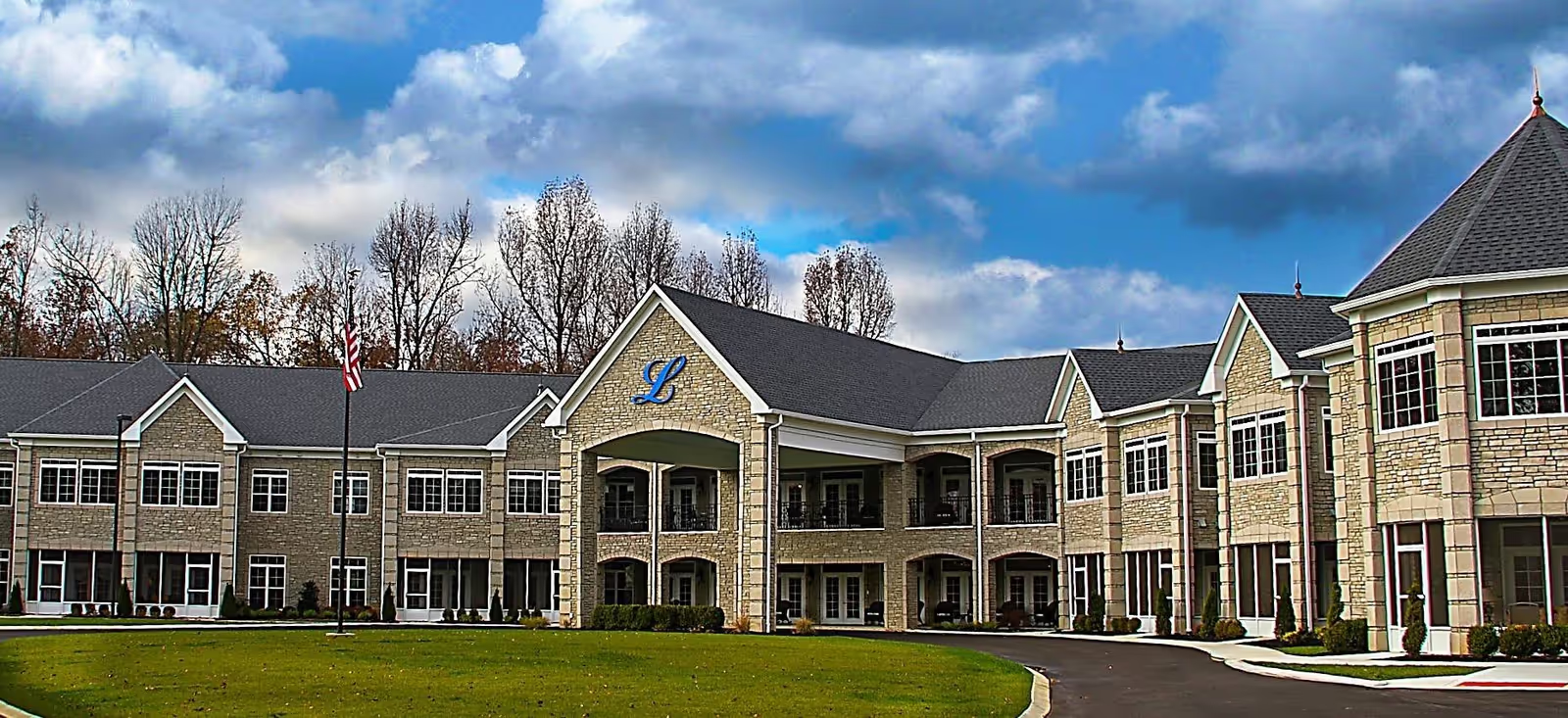
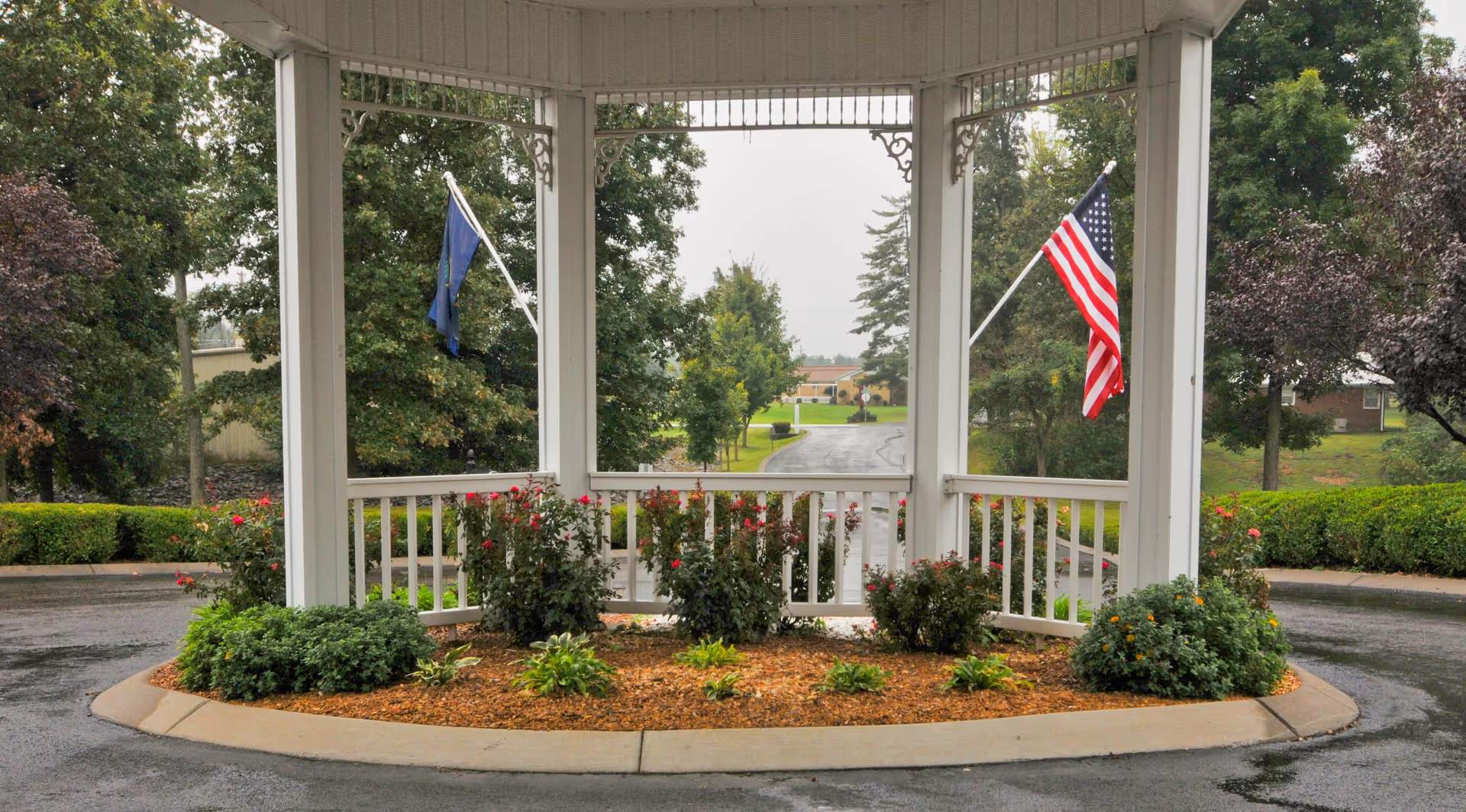
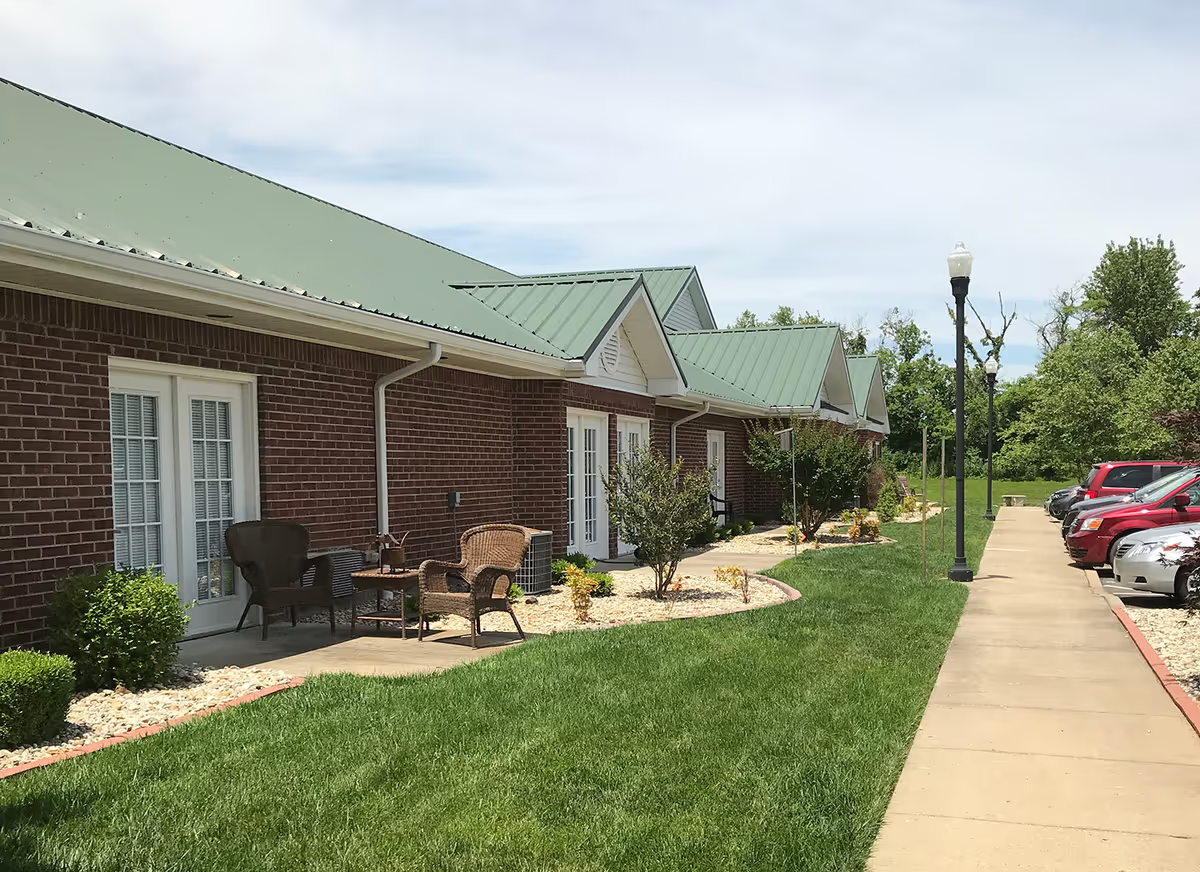
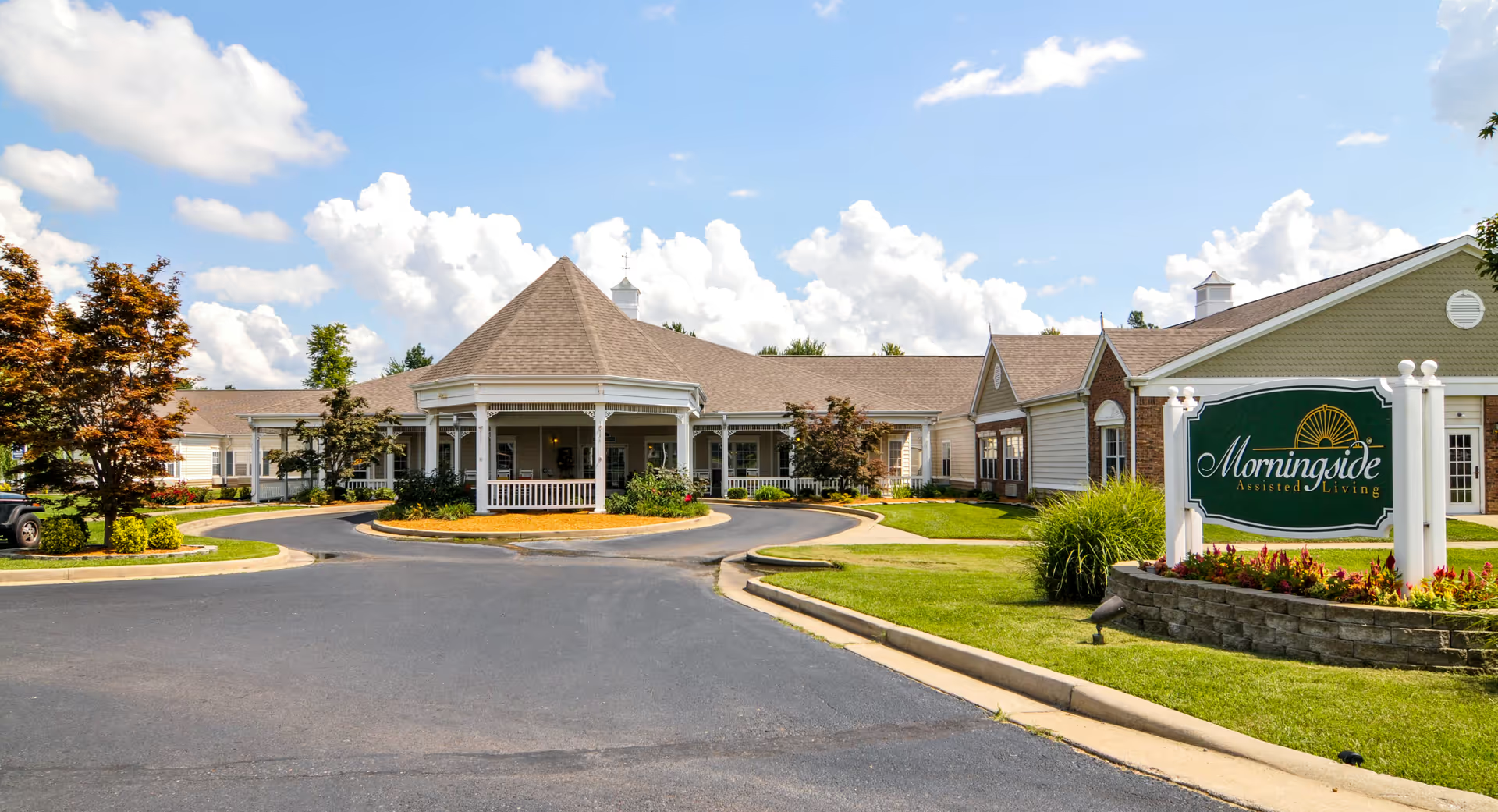
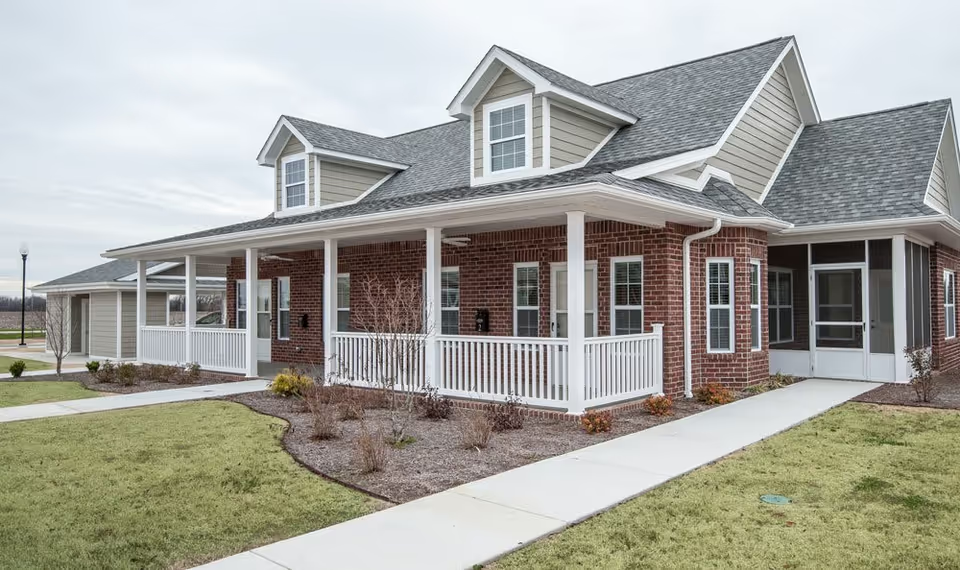
Overall impression: The facility is frequently described as a small, homelike nursing and rehabilitation center with a cohesive, family-style culture. Many comments emphasize warm, caring interactions from clinical and support staff, proactive family communication, and a therapy department that achieves good rehabilitation outcomes. The setting—quiet, rural, with a pond and fishing pier—contributes to a country-like atmosphere that residents and families find appealing. Demand appears strong, with the facility often at or near capacity.
Care and staff: Reviewers commonly praise the staff’s compassion and personal interest in residents, noting staff who “go above and beyond.” Nursing and therapy teams are singled out for producing good functional outcomes, and families report clear, ongoing communication in most cases. However, a consistent operational concern is staffing coverage during overnight hours. Several comments indicate slower response times at night, which reviewers linked to falls or delayed assistance. A small number of reviewers also raised serious concerns about family access and communication during end-of-life events; while not representative of the overall picture, these accounts suggest areas where policies and staff training around critical-family interactions could be reinforced.
Dining and activities: Dining is a clear strength—multiple reviewers describe food as excellent or top-notch. The activities program is active and community-oriented, with frequent outings and on-site events; the fishing pier and scenic grounds are often mentioned as meaningful enrichment for residents. These offerings support social engagement and contribute to the homelike environment.
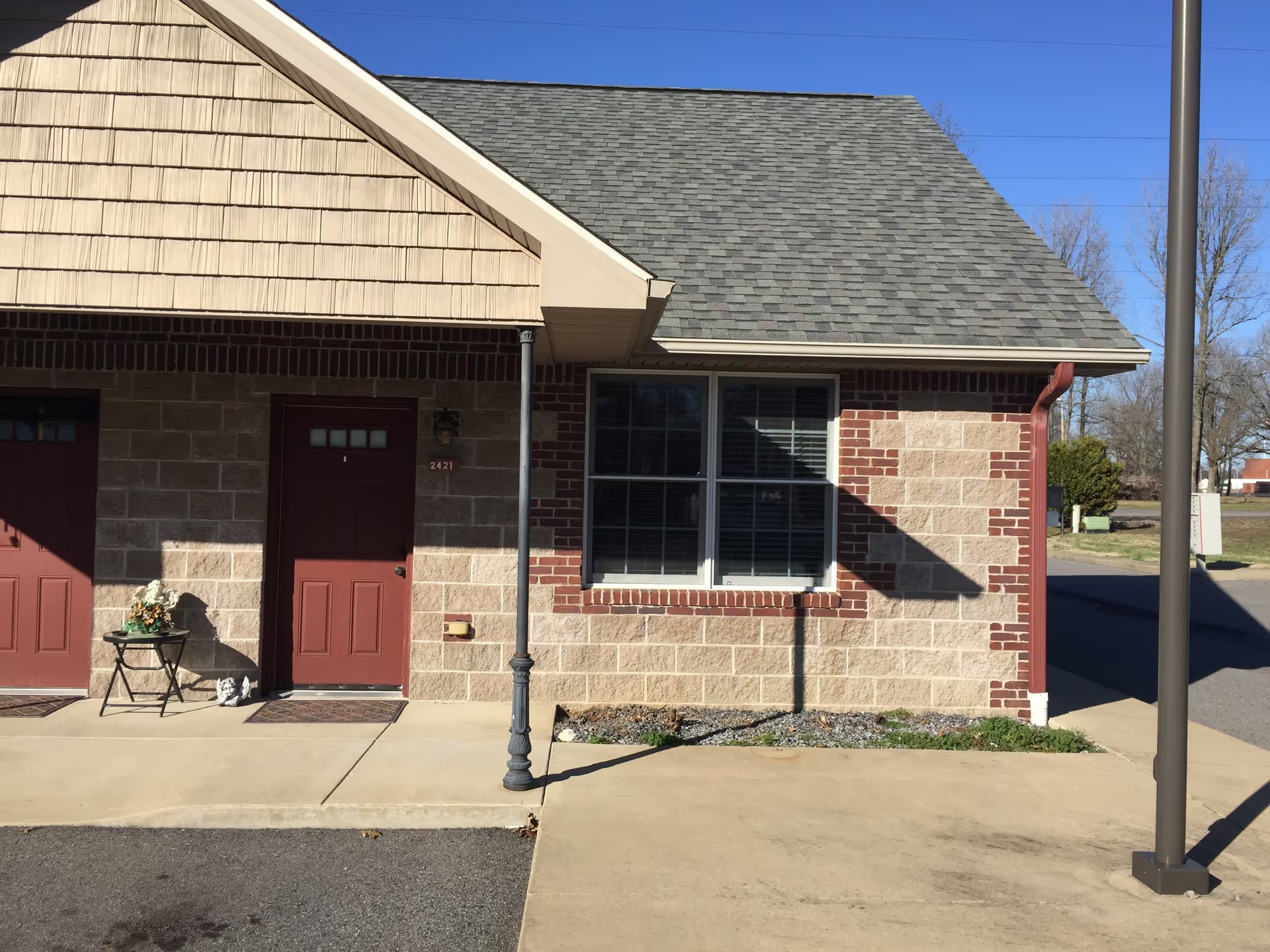
Facilities and management: Many families describe the building as clean and well-maintained, with an odor-free environment and a welcoming reception. Several reviewers praise the administrator and point to a tight-knit, family-like organizational culture. That said, some comments indicate inconsistent maintenance, with parts of the facility showing wear or feeling run-down. Given the mix of observations, facility condition may vary by unit or over time. High occupancy is a sign of community trust but may also constrain immediate admissions.
Notable patterns and guidance for prospective families: The dominant themes are compassionate staff, strong rehab services, good dining, and a homelike, rural setting. Prospective residents should weigh these strengths against reported operational weaknesses in overnight staffing and response times and clarify family-access policies for critical or end-of-life situations. Visitors should assess current maintenance conditions in person, ask about staffing ratios (especially overnight), review fall-prevention protocols, and discuss communication expectations with management before admission.