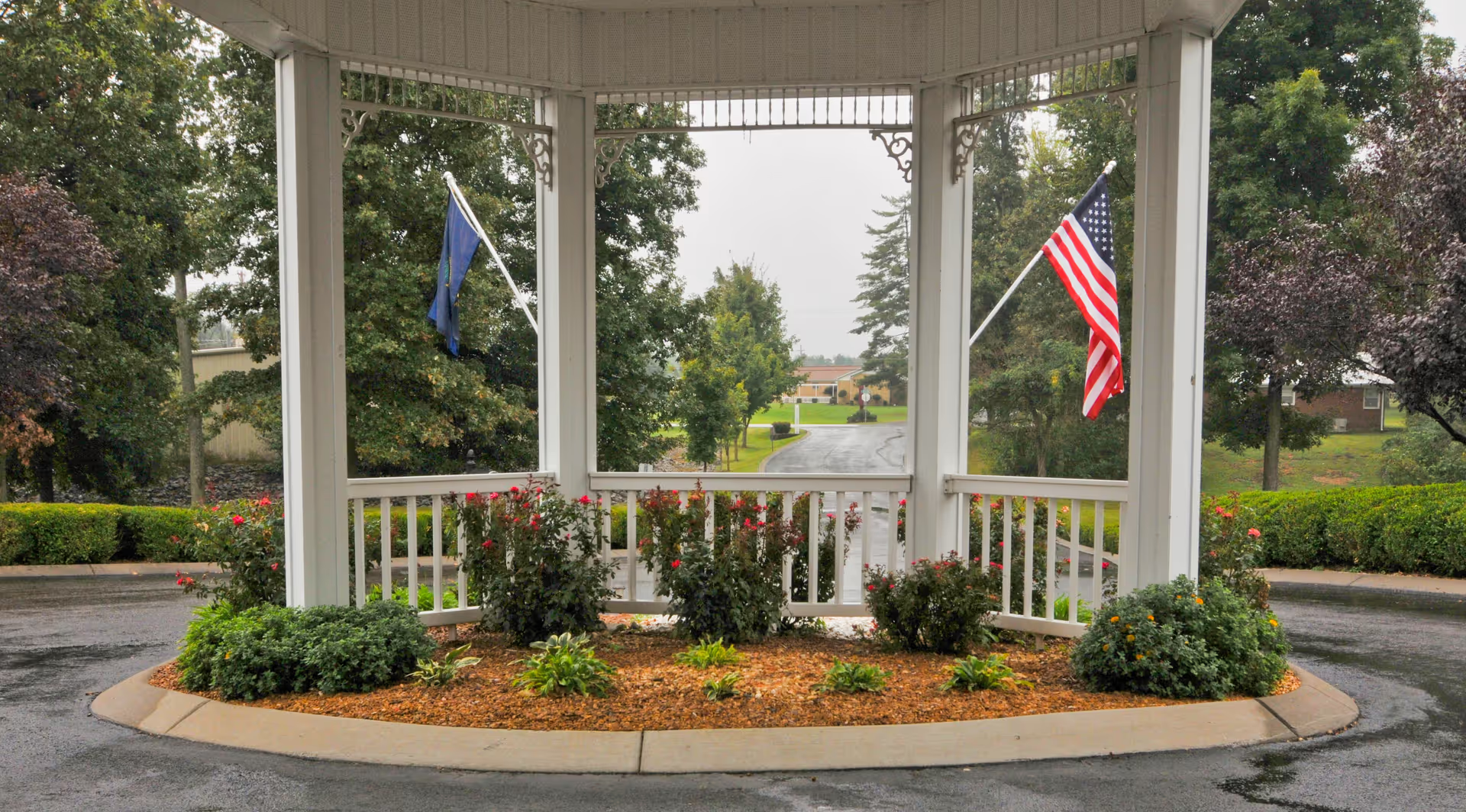
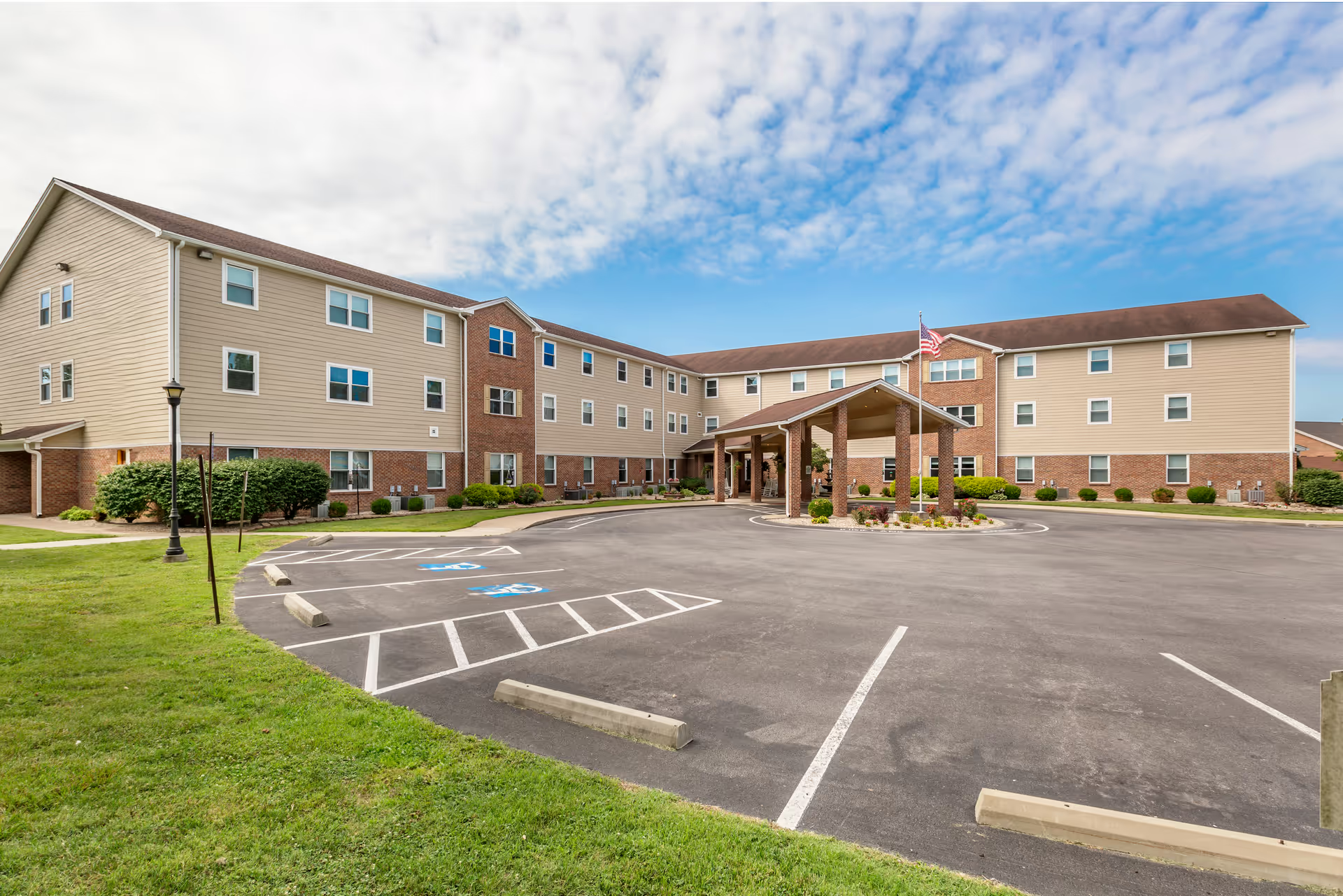
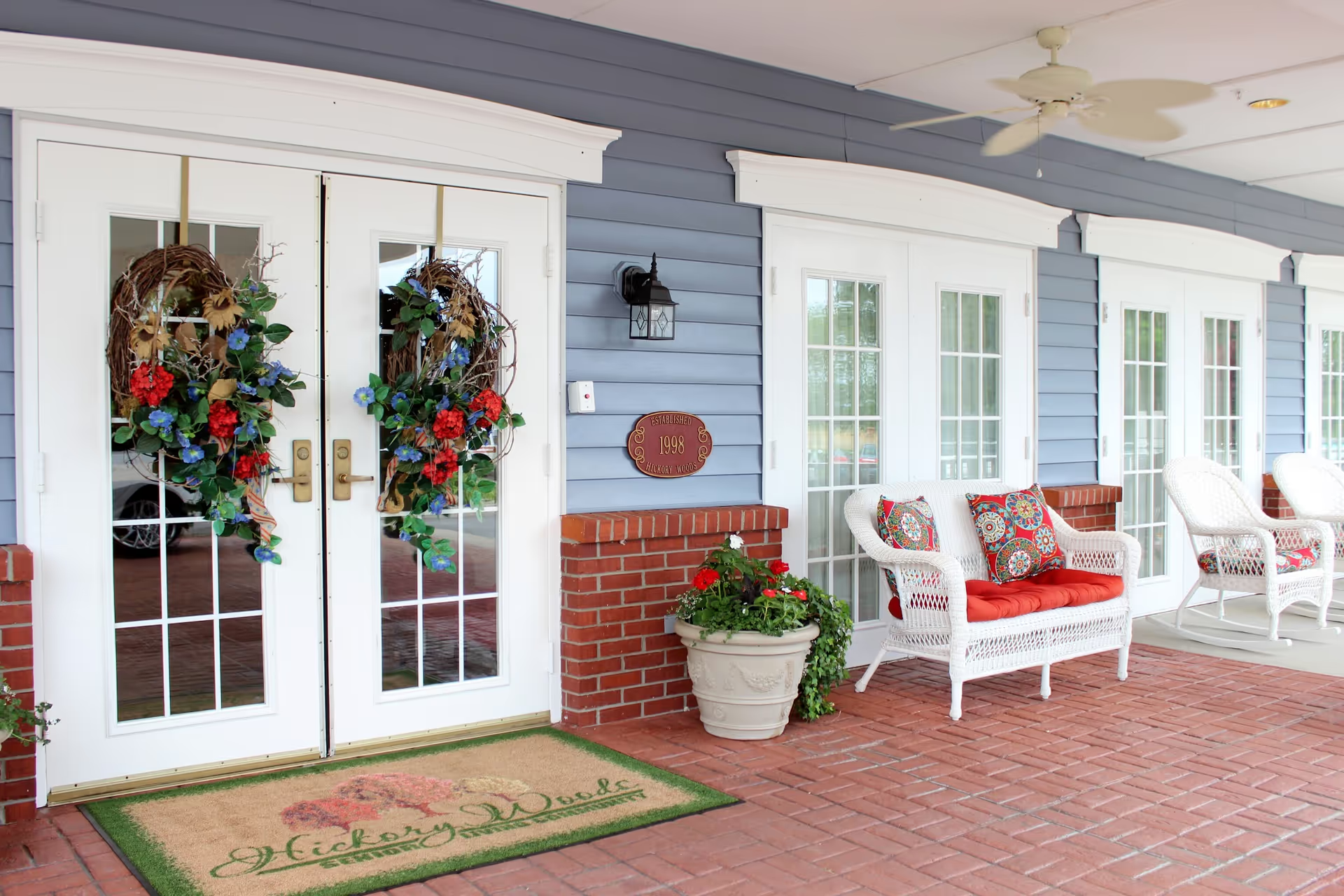
Overall impression: Reviews emphasize a strong, resident-centered culture at Magnolia Place, with frequent praise for the caregiving team, the physical environment, and the program offerings. Families describe the facility as home-like and well-decorated, with clean, modern common areas and spacious private apartments that include individual bathrooms. The community is characterized as smaller and more intimate, which multiple reviewers said contributes to a personalized care experience and close staff–family relationships.
Care quality and staff: The dominant theme across reviews is positive: staff are described as kind, patient, communicative, and willing to go beyond baseline expectations. Caregivers are credited with attentive, family-like approaches and accommodation of individual limitations. Reviewers noted reliable medication timing and the presence of staff on weekends, and some described positive end-of-life and hospice support covered by Medicare. These comments suggest consistent strengths in day-to-day caregiving, resident supervision, and family communication in many cases.
Dining and activities: Dining is frequently noted as a highlight — the dining area is described as clean and inviting, meals as healthy and well-presented, and special events (for example, birthday meals and decorated occasions) receive specific praise. The community appears to offer structured social and spiritual programming, including church services, and active memory-support and stimulation activities that support socialization and engagement for residents.
Facilities and amenities: The physical plant is described as modern, clean, and attractively decorated. Reviewers cite large, airy rooms, well-sized apartments, and a relaxing outdoor patio as positive features that contribute to resident comfort and quality of life. The smaller scale of the community is framed positively by families who prioritized a quieter, more intimate setting.
Management and notable patterns: While most feedback is positive, there is at least one serious allegation concerning medication administration and subsequent concealment by administration. This raises potential concerns about medication-management controls and incident transparency. Given the seriousness of that claim, prospective residents and families should ask management about formal medication-administration protocols, documentation practices, staff training on medication safety, and the facility's incident-reporting and escalation procedures. Requesting recent inspection results, medication-auditing procedures, and examples of how resident-safety concerns are handled can clarify whether this was an isolated issue or indicative of a process gap.
Practical takeaways: Magnolia Place appears to offer compassionate, personalized care in a clean, well-appointed setting with active programming and reliable dining and hospice support. To ensure alignment with a prospective resident's needs, families should verify clinical oversight elements — especially medication-safety protocols and incident-reporting practices — during tours and conversations with leadership. This will help confirm the operational consistency behind the many positive caregiver and environment attributes noted by reviewers.