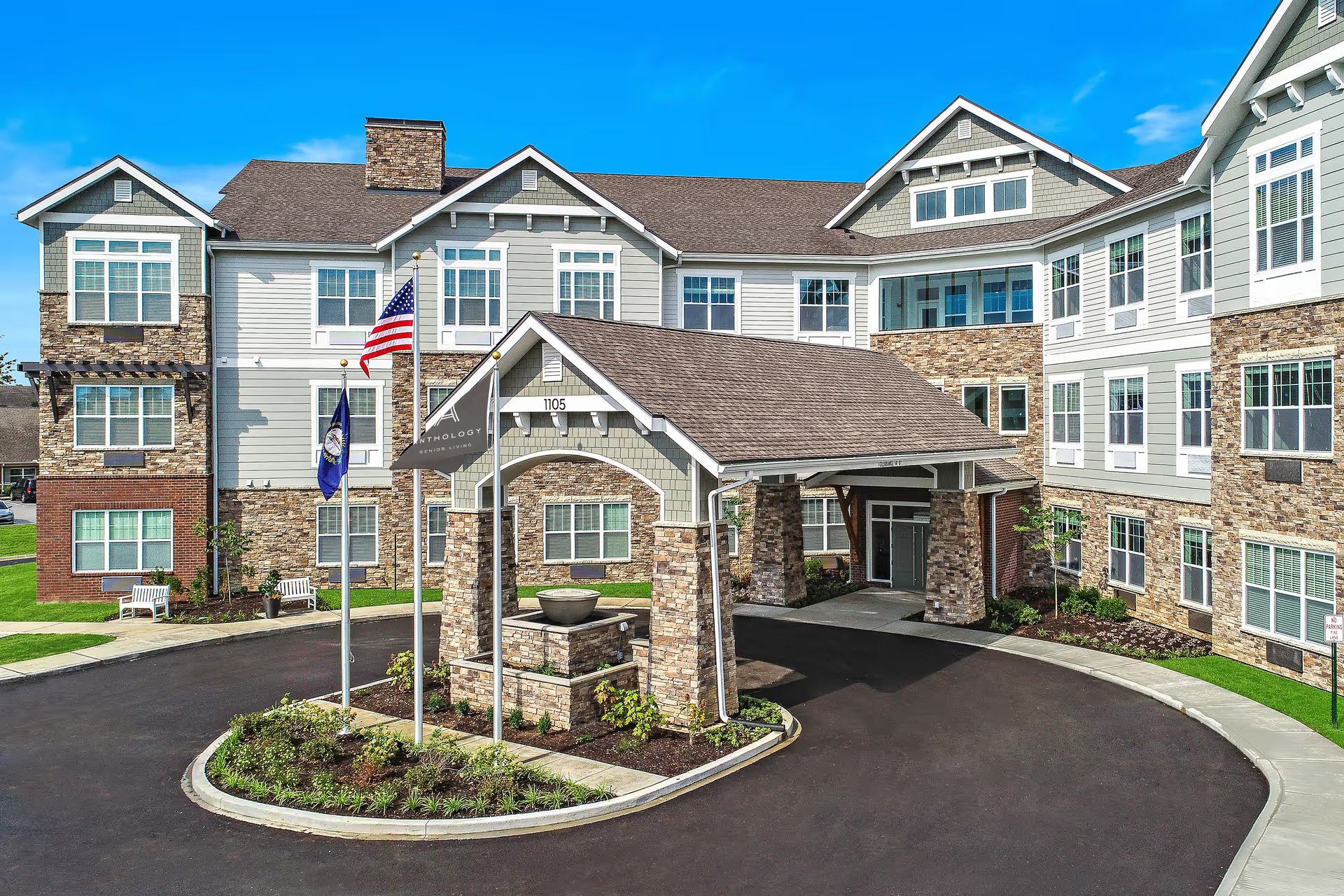
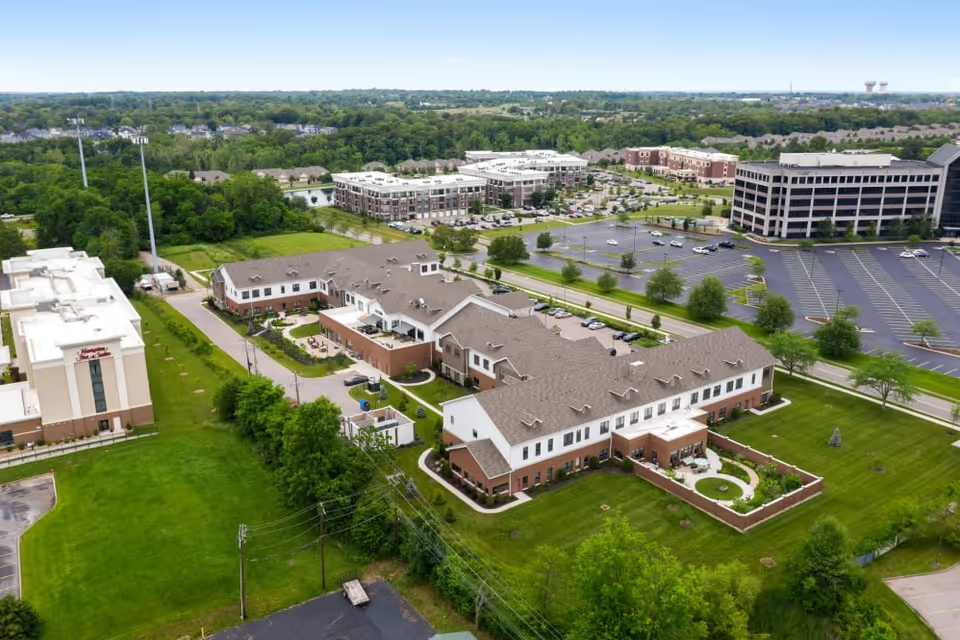
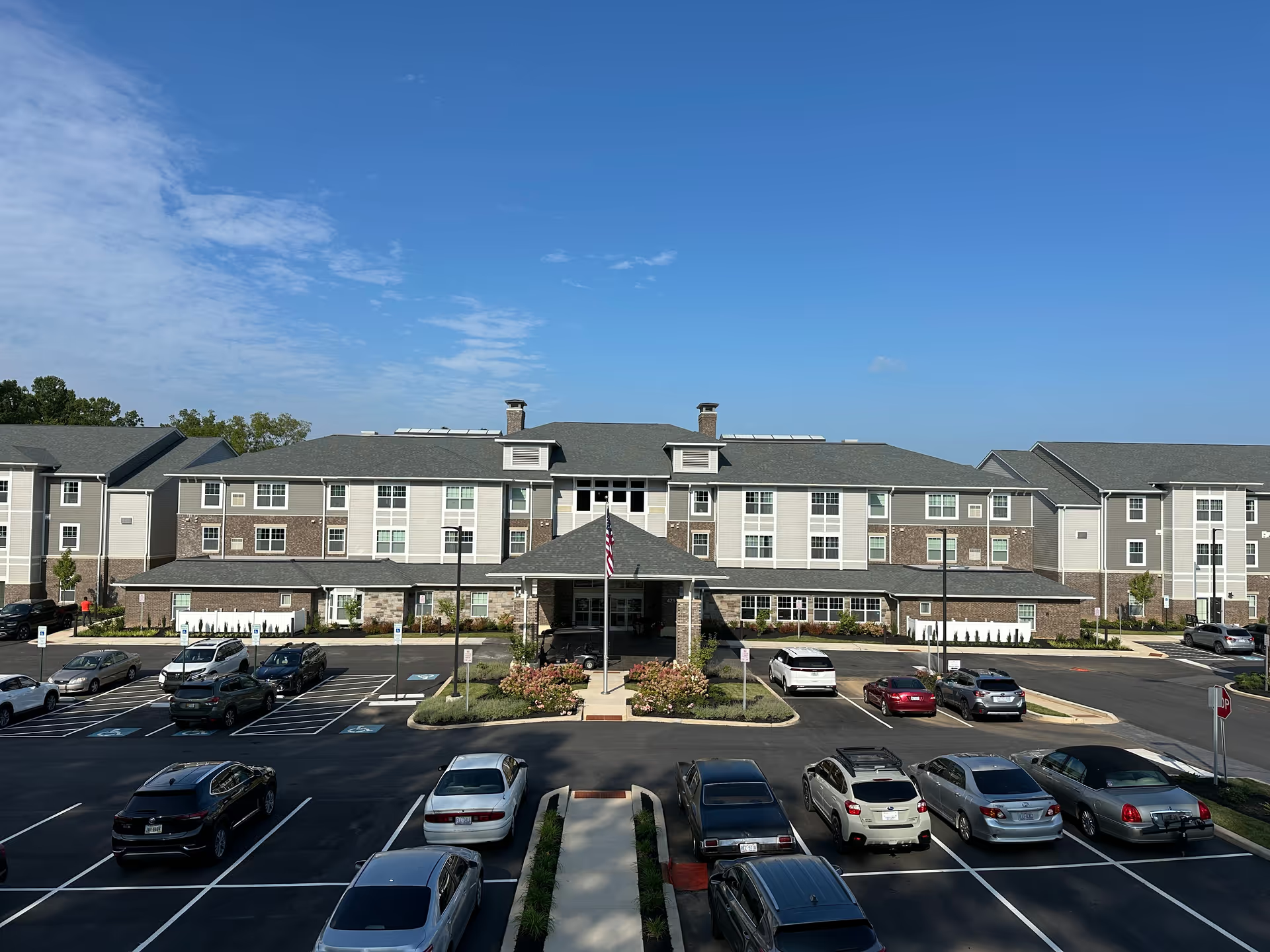
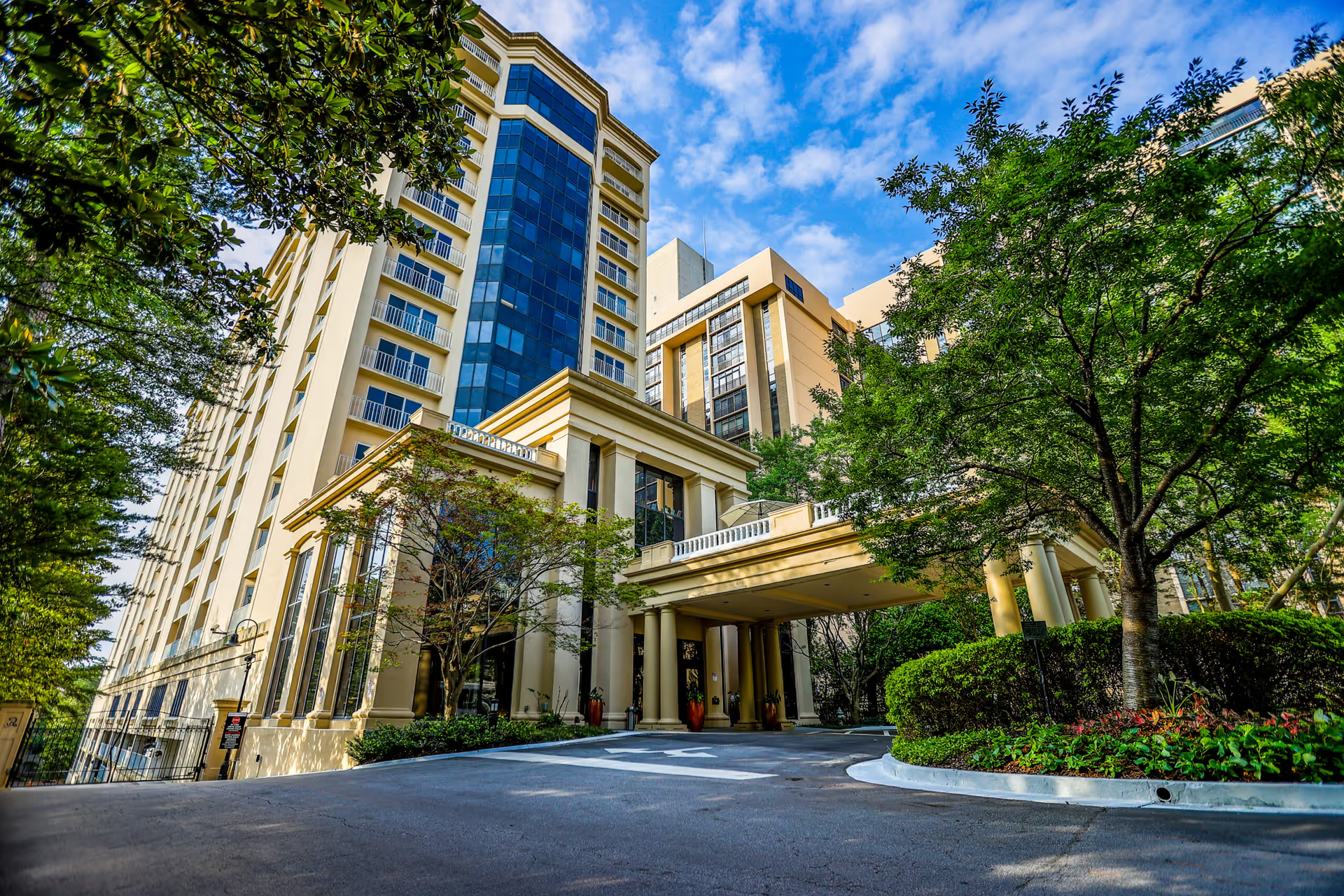
Berea Health & Rehabilitation in Berea, Kentucky is a senior living community that focuses on both medical and personal care needs, helping people who need all-day support because of physical or mental health problems, and you'll find they have a dedicated care facility called Berea Health Care Ctr with space for 84 residents. The staff is trained and caring, with 24-hour licensed nurses, registered nurses, and other health professionals who work under a doctor's supervision, and they're able to provide help whether someone's staying for the long-term or only there to recover after a hospital visit. They offer a wide range of services, including skilled nursing, post-acute care, wound care management, intravenous therapy, pain management, respiratory treatments, hospice care, and rehabilitation that covers occupational, physical, and speech therapy along with stroke recovery, cardiac therapy, and therapy for swallowing or speech problems.
Amenities in the facility include nutritious meals planned and prepared by chefs, an on-site beauty shop, private rooms, lounges for residents to gather, laundry rooms, a library, an outdoor courtyard, and pet-friendly areas, so people can feel at home. There are also cable TV, telephone, Internet access, and open visiting hours so friends and family can come when it works for them. They provide religious services and regular community activities with social gatherings, holiday and birthday parties, stretching exercises, and arts programs to help keep residents involved and active. Residents can depend on transportation when needed, and there are specialized services like dentistry, podiatry, pharmacy, laboratory and X-ray services, plus nutritional counseling.
Berea Health & Rehabilitation accepts Medicare patients and develops personalized care plans for each person, always aiming for comfort and relaxation in a quiet setting. Short- and long-term care are both available, whether someone needs hospice, respite, or inpatient rehabilitation after illness or surgery, and the facility keeps occupancy rates high with a recent estimate near 92%. The community has a generally favorable inspection history, with a C grade for short-term care and D for long-term care quality. The facility is privately owned, and families can look up more information through their website including a photo gallery and virtual tour if they wish to get a better look.