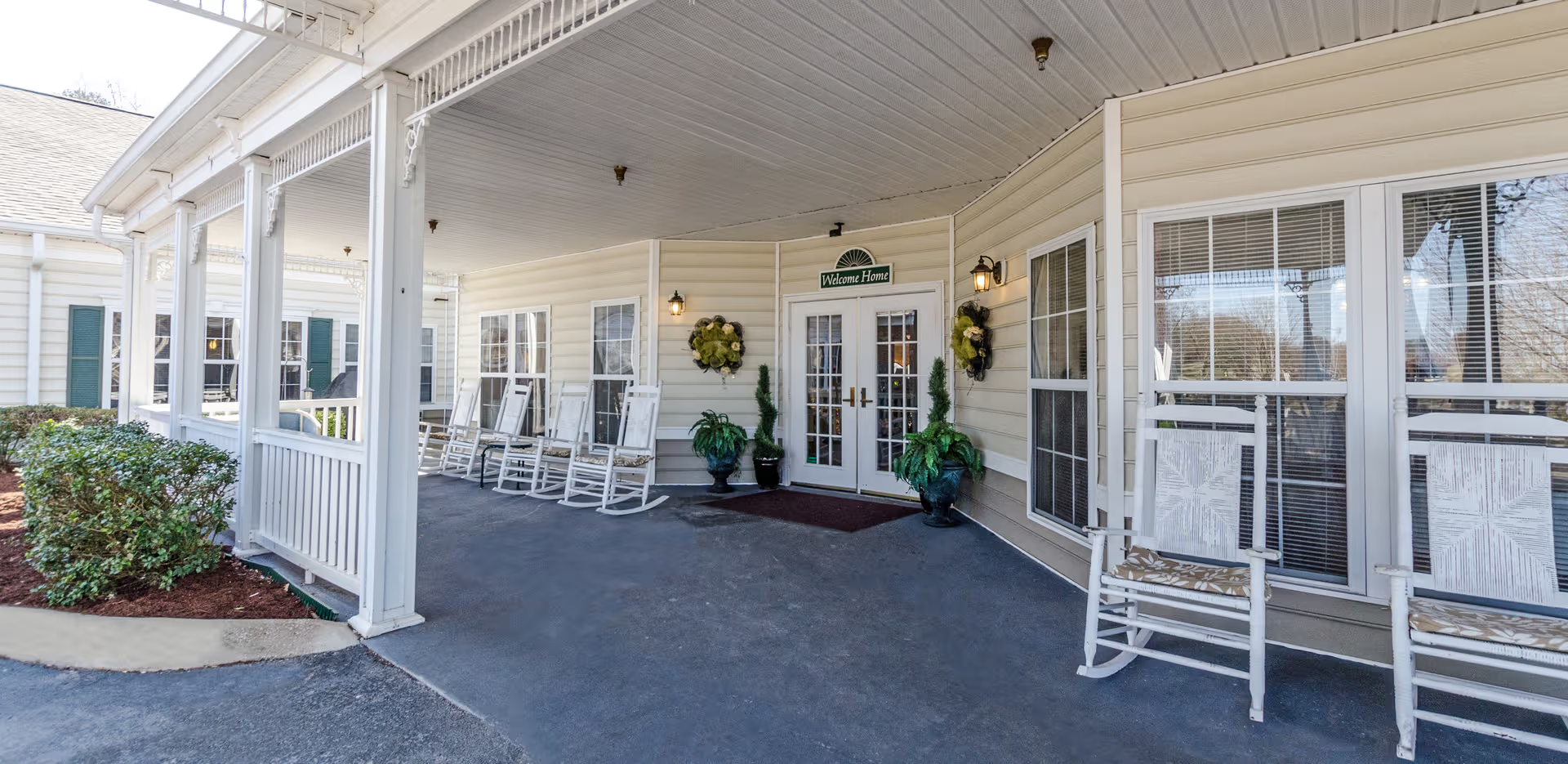
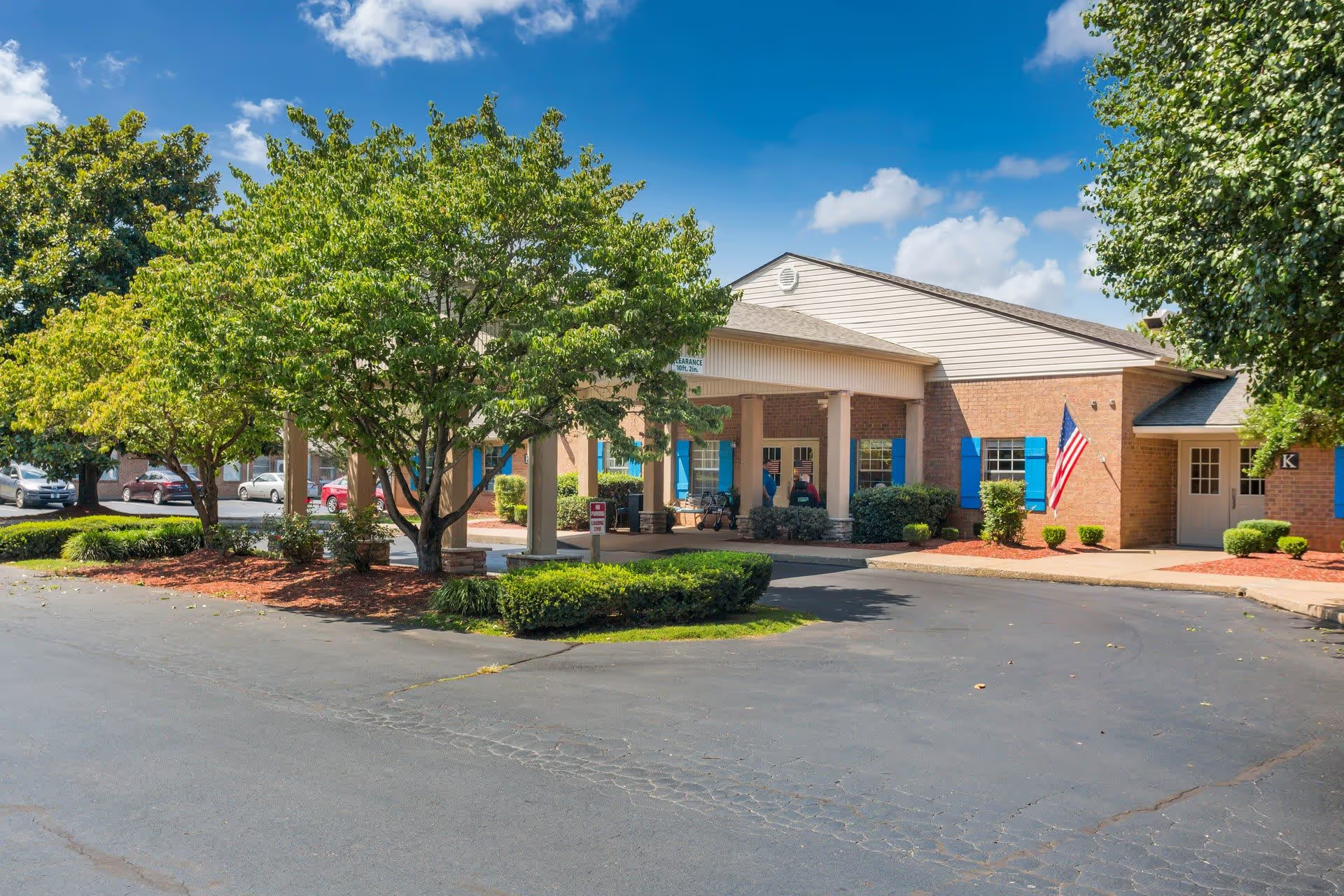
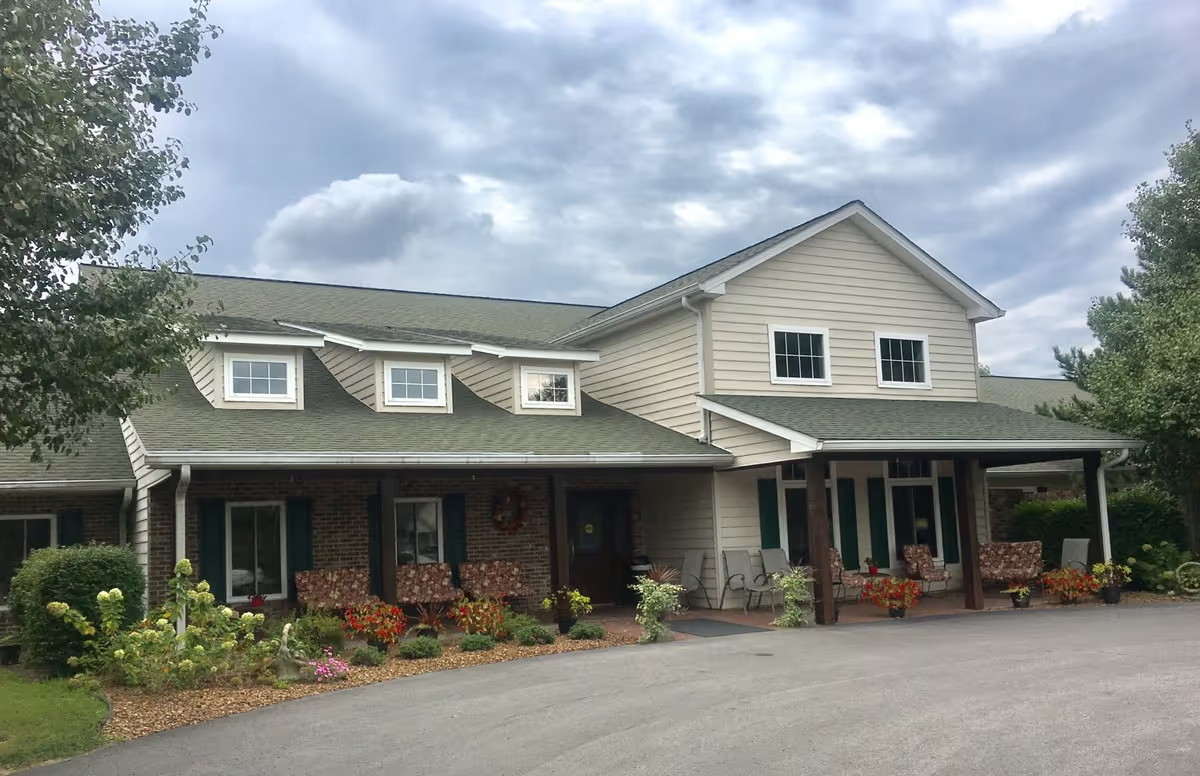
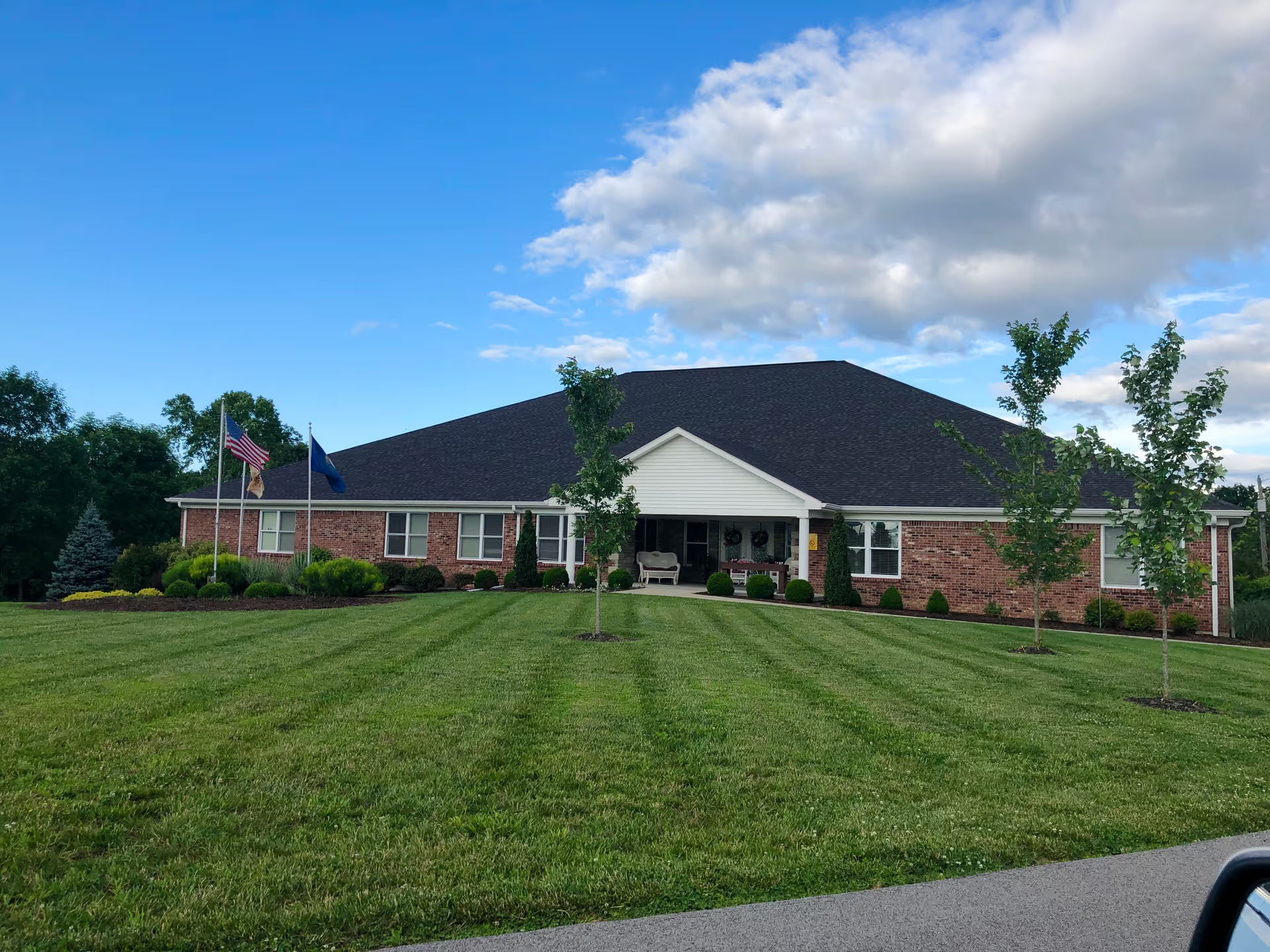
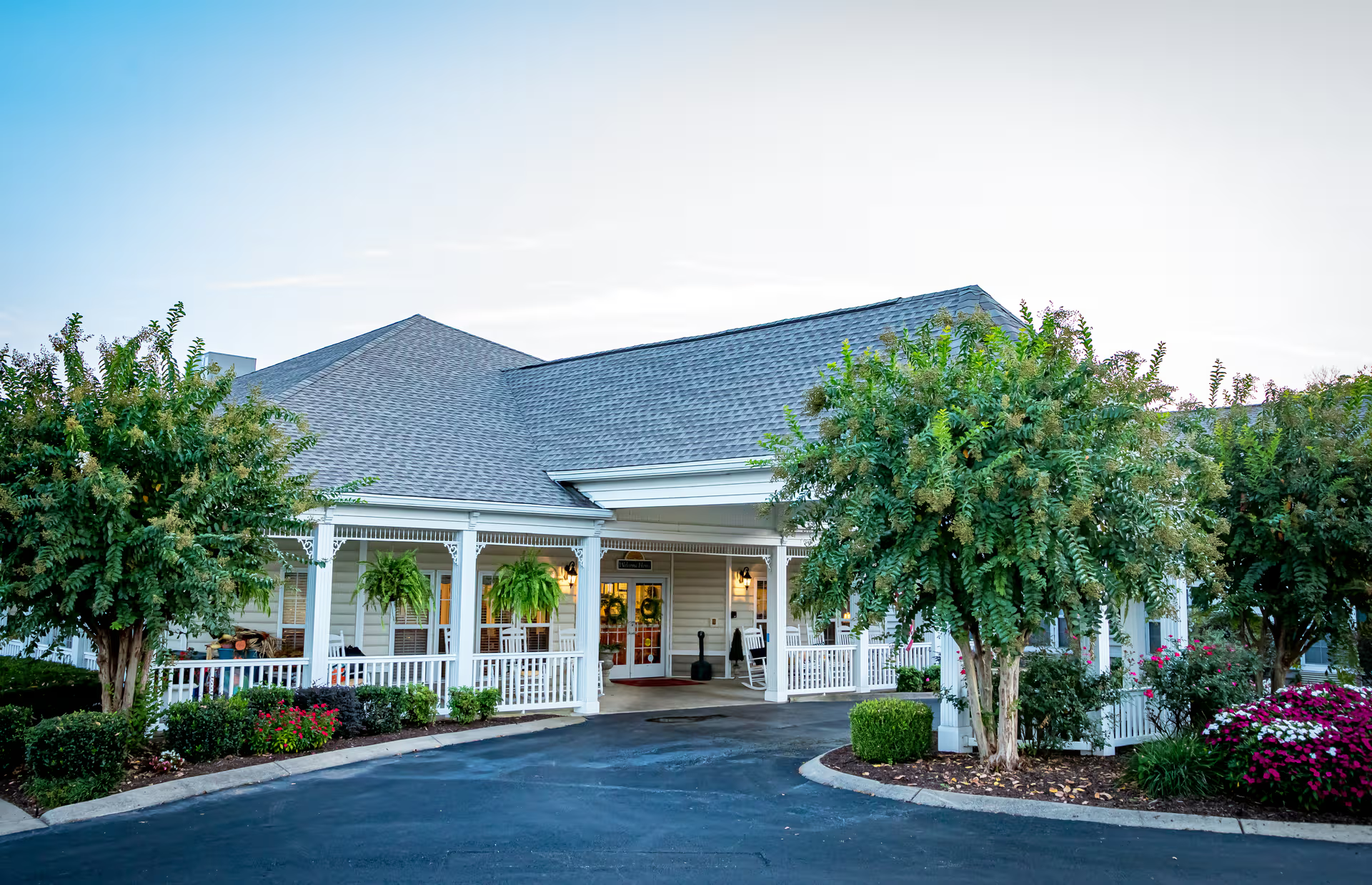
Cardinal Landing Memory Care is consistently described as a clean, bright, and well-maintained memory-care community with a strong focus on resident dignity and comfort. Many families cite compassionate, patient staff and a home-like atmosphere; reviewers highlight routine personalized touches such as birthday meals, family dining invitations, and proactive activity leadership. The facility offers a range of on-site amenities — including physical therapy, a hair salon, in-house laundry, built-in entertainment/internet, and a secure fenced courtyard and garden — that contribute to a sense of convenience and continuity of care.
Dining and activities are frequently praised. Numerous comments note home-cooked, appealing meals and a resort-style dining area; daily exercise classes, arts and crafts, cooking classes, movie nights, and holiday programming are regularly referenced. The activity team is often described as proactive and effective at encouraging participation, and families report that these programs support cognitive engagement and socialization. Facility features such as remodeled common areas and rooms, pleasant outdoor space, and an inviting admissions process are additional strengths noted across reviews.
Care quality and staffing receive predominantly positive feedback about respectful, resident-centered interactions and attentive end-of-life support. However, a set of recurrent operational concerns appears alongside the praise. Reviewers describe inconsistent staffing levels and occasional shortages, variable responsiveness from staff, and gaps in clinical coverage — including limited or uneven on-site nursing presence. These factors are associated with reports of supervision lapses (for example, roaming residents) and with perceptions that attention can be uneven across shifts.
Several reviews raise issues tied to management and security. There are recurring mentions of management responsiveness and communication challenges, and isolated allegations of missing or stolen personal items that point to weaknesses in personal-property controls. Privacy practices (for example, room-entry without knocking) and the presence of small or shared room configurations also emerged as family concerns. Food quality is highly rated by many but described as inconsistent by others; some families would like more variety, particularly in produce and fruit options.
Overall, the pattern in the reviews is polarized: many families give high marks for staff compassion, activities, cleanliness, and the memory-care focus, while a minority report significant operational problems related to staffing, supervision, management responsiveness, and security of belongings. Prospective families should verify current staffing ratios and nurse coverage, ask about security and inventory procedures for personal items, review room sizes and shared-room policies, tour activity offerings and meal menus, and inquire how leadership handles incidents and family communications to ensure expectations align with the facility’s current practices.