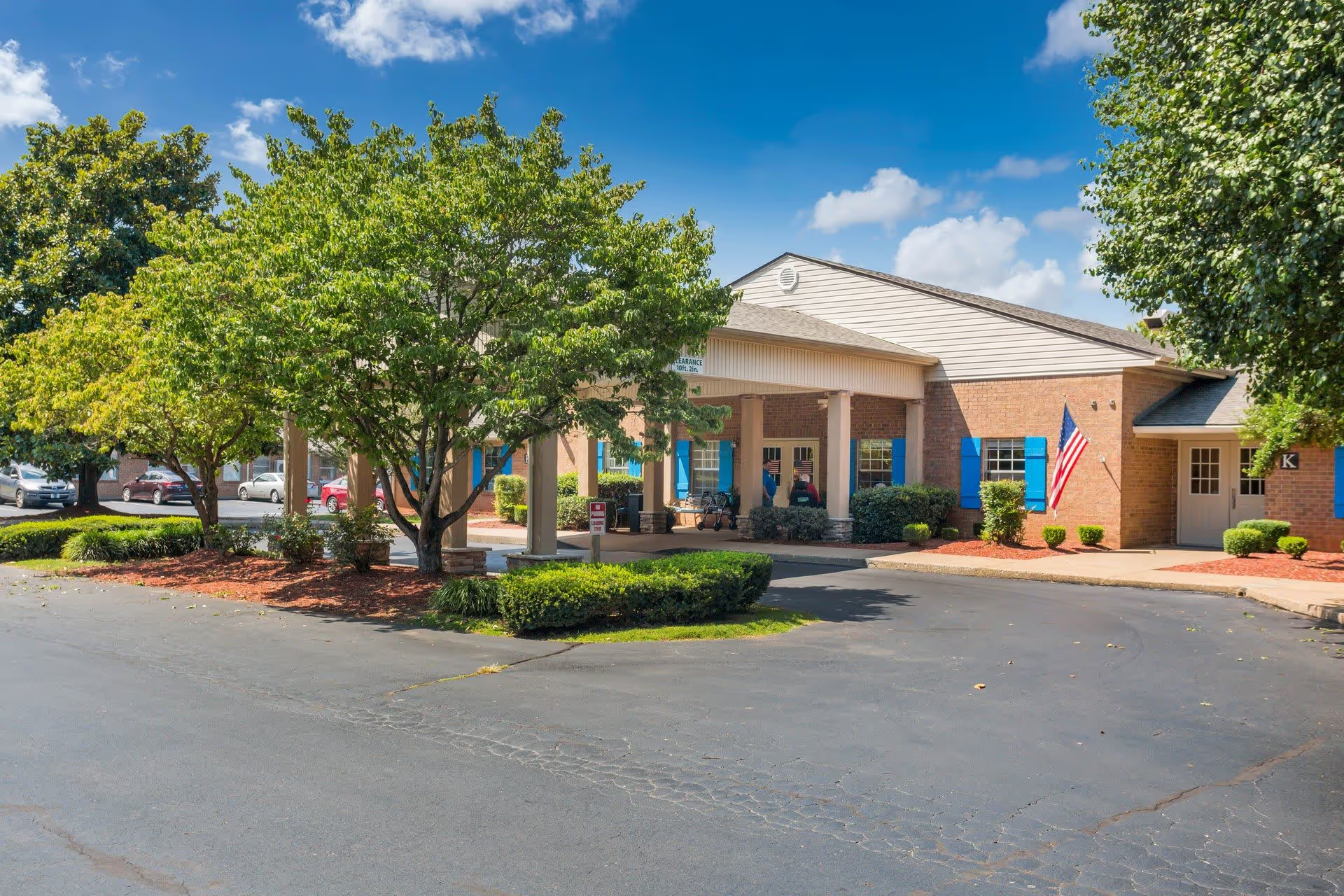
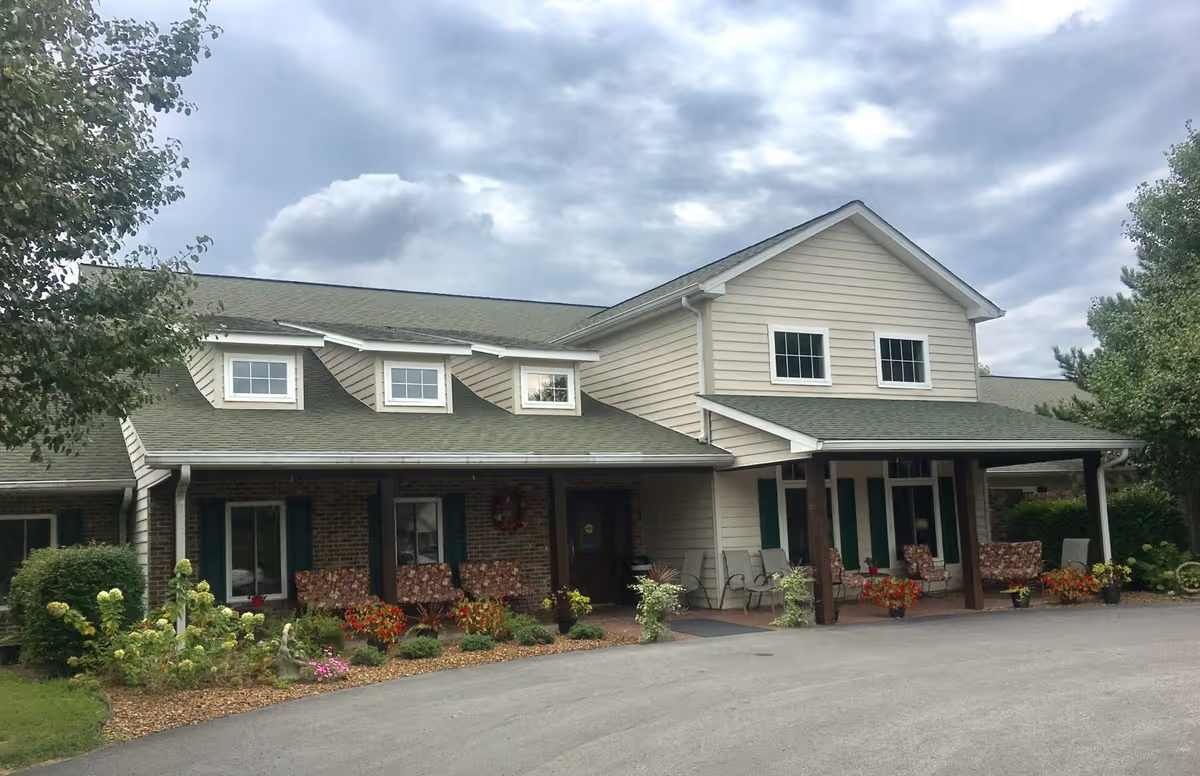
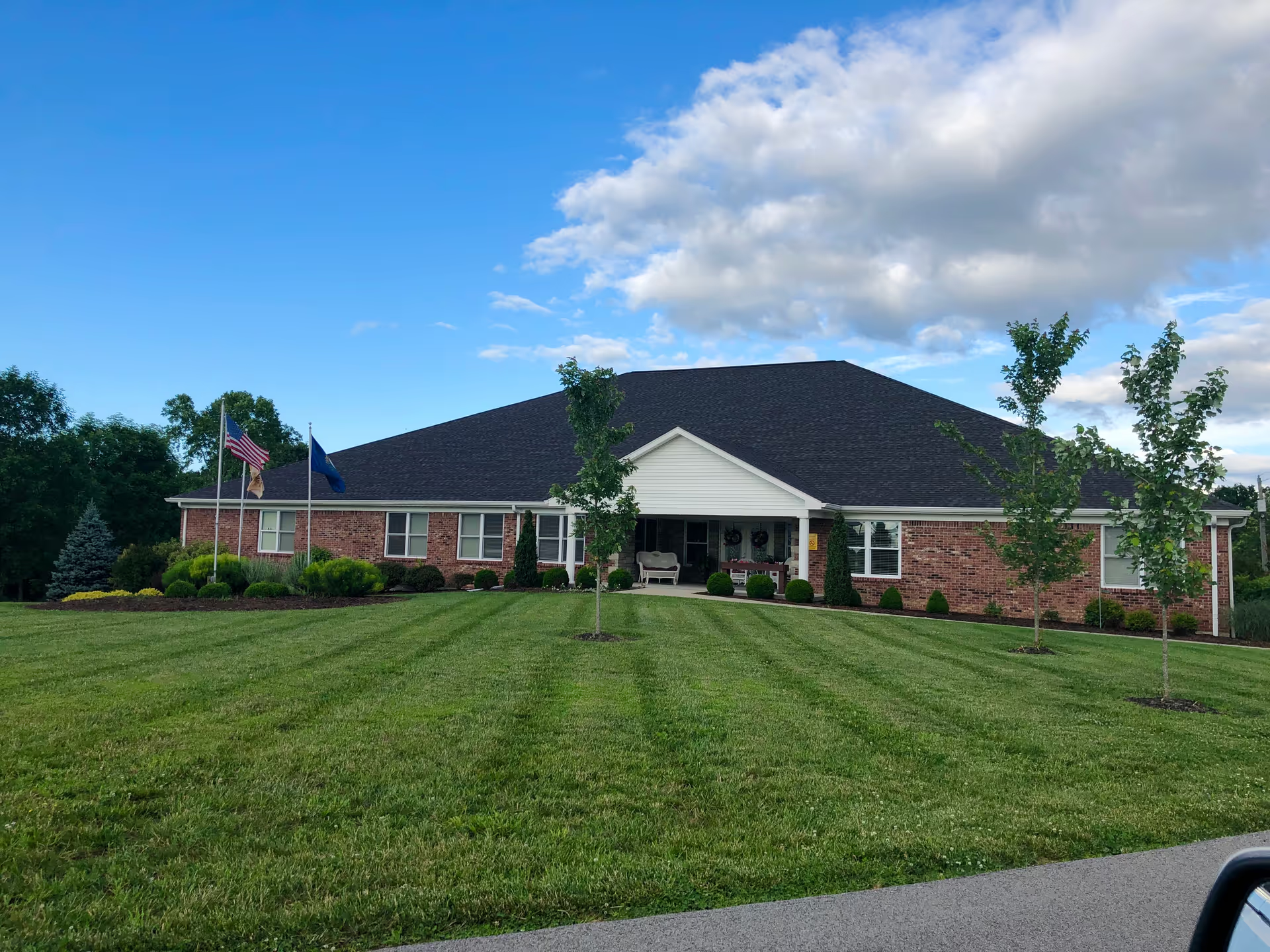
Overall impression The Bungalows at Bowling Green is consistently described as a small, homelike community with a strong emphasis on social connection. Reviewers highlight a welcoming move‑in process, warm communal spaces, and a range of activities that create an engaged resident population. Physical upkeep is frequently praised: the building, courtyard, inner garden and dining areas are characterized as clean, attractively furnished, and easy to navigate, particularly for residents who need minimal mobility assistance.
Staff and care quality Staff are the most commonly cited strength. Families emphasize compassionate, attentive caregivers and staff who take time to learn residents’ names and preferences. Communication with families and involvement of staff in activities are also noted positively. There are reports of dedicated support for memory‑care residents and examples of assisted transfers and visiting primary‑care services (including a nurse practitioner), as well as integration with home‑health agencies to provide nursing and therapy when needed. However, reviewers also describe operational weaknesses that could affect clinical reliability: variable staffing levels, occasional delays in responsiveness, and concerns about administrative follow‑through. There are isolated but serious administrative complaints (including payroll interruptions and management turnover) that suggest families should verify current staffing stability and administrative processes prior to placement.
Dining and nutrition Dining is generally a strength: many reviewers describe restaurant‑style meals, appetizing presentation, and varied menus. The community appears to support social dining and accommodates some preferences. At the same time, a few comments indicate challenges accommodating residents with marked appetite changes or very specific dietary needs, so prospective residents with specialized nutritional requirements should confirm menu flexibility and individualized meal planning.
Activities and community life The activity program receives frequent praise for breadth and regularity: crafts, card games, music gatherings (including piano events), seasonal festivals, and intergenerational activities with local students are all mentioned. Residents are described as sociable and engaged, and the community fosters opportunities for newcomers to integrate. Trial‑stay options and visible effort to welcome families are positives for people evaluating fit.
Facilities and amenities Physical features align with the community’s stated small‑home model: one‑level layouts, roomy apartments with storage, in‑house hair salon, separate laundry options, and pet‑friendly policies with pet care support. Outdoor spaces such as courtyards, gardens, and porch seating are well regarded. Parking capacity is noted as an area with room for improvement.
Management, safety, and fit considerations While many families praise the culture and hands‑on staff, there are notable operational patterns to investigate further. The facility does not provide round‑the‑clock on‑site nursing or acute medical coverage; home‑health partnerships and visiting clinicians are used to fill clinical needs. There are also recurring concerns about management stability and administrative processes (including billing and payroll disruptions), and several comments raise the need for clearer communication about levels of care and upcoming pricing changes. Safety protocols for residents with dementia—specifically secure wandering‑prevention measures—appear inconsistent in the review set and should be clarified for anyone with cognitive impairment.
Recommendation The Bungalows at Bowling Green appears well suited to residents seeking a small, community‑oriented assisted living environment with strong social programming, pleasant grounds, and attentive daily caregivers. Families considering the community should confirm current staffing ratios and stability, clarify the extent of on‑site clinical services versus home‑health arrangements, review dementia‑safety measures if relevant, and obtain written details on pricing and billing procedures before committing. Doing so will help determine whether the community’s strengths align with an individual resident’s clinical and administrative needs.