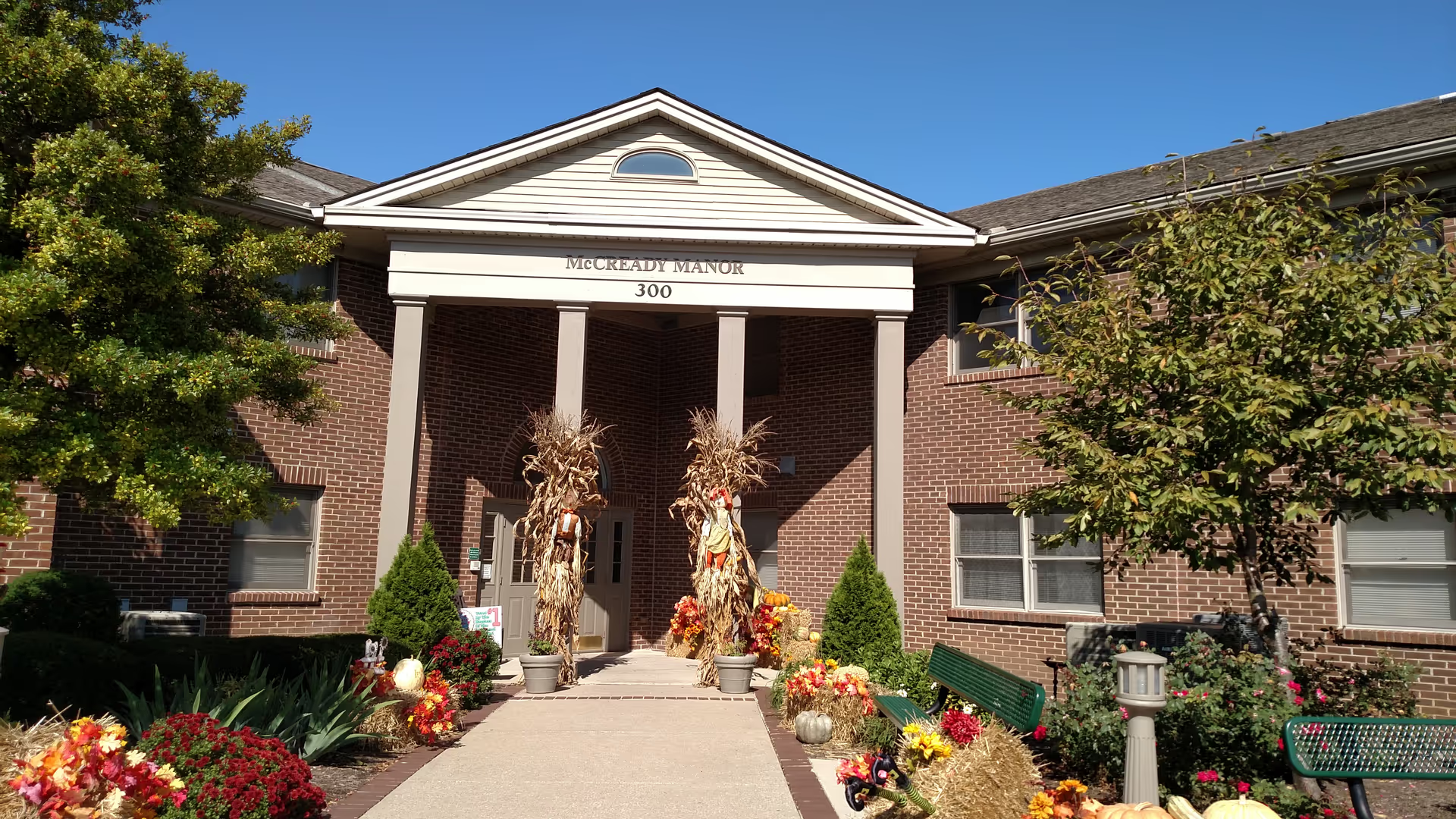
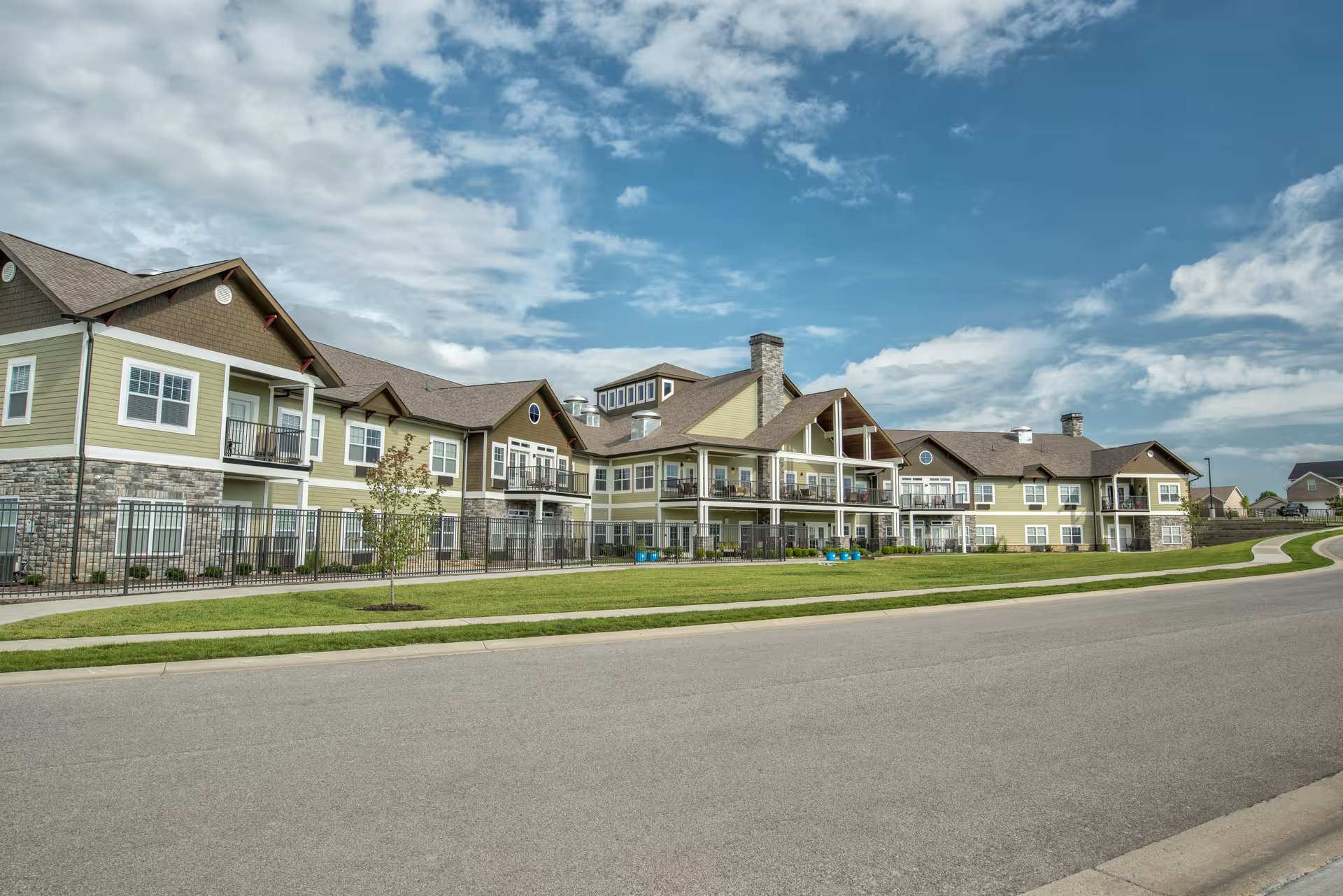
Overall impression: Reviews convey a mixed but commonly polarized view. Many commenters praise the facility’s cleanliness, approachable staff, and an administration that listens to family concerns; others describe localized issues with room upkeep, furniture and equipment, and aspects of daily care. This produces an overall picture of a facility that performs well in frontline care and hospitality in many areas, while showing operational gaps at the room and program level for some residents.
Care quality: Care staff are frequently described as kind, efficient, and person-centered, and families express appreciation for attentive daily help. At the same time, a subset of accounts raises concerns about medication-management practices and examples that suggest the facility’s clinical oversight may warrant closer attention. There are also comments implying that some residents receive more assistance than would be expected for a rehabilitation-focused stay, which some families see as limiting resident independence and engagement.
Staff and management: Nursing and support staff receive consistent praise for friendliness and responsiveness, and the administration is noted as receptive when families raise concerns. These strengths are tempered by accounts of delays in personal-care delivery (for example, postponed showers or assistance), which point to staffing or scheduling challenges at certain times. Management responsiveness appears to be a positive factor, but reviewers also indicate opportunities to improve consistency and communication around clinical issues.
Dining and daily living: There are few broad statements about meal quality, but several practical concerns were raised about in-room dining equipment and cleanliness at the room level (for example, unstable tray setups or maintenance problems). These suggest attention is needed to ensure meal-service equipment and in-room dining setups are consistently functional and hygienic.
Activities and rehabilitation: Some reviewers report limited rehabilitation programming or activity engagement and describe residents appearing less motivated or overly assisted. This suggests programmatic inconsistencies in therapy or activity provision; prospective residents who prioritize active rehab or robust daily programming should verify current offerings and schedules during a visit.
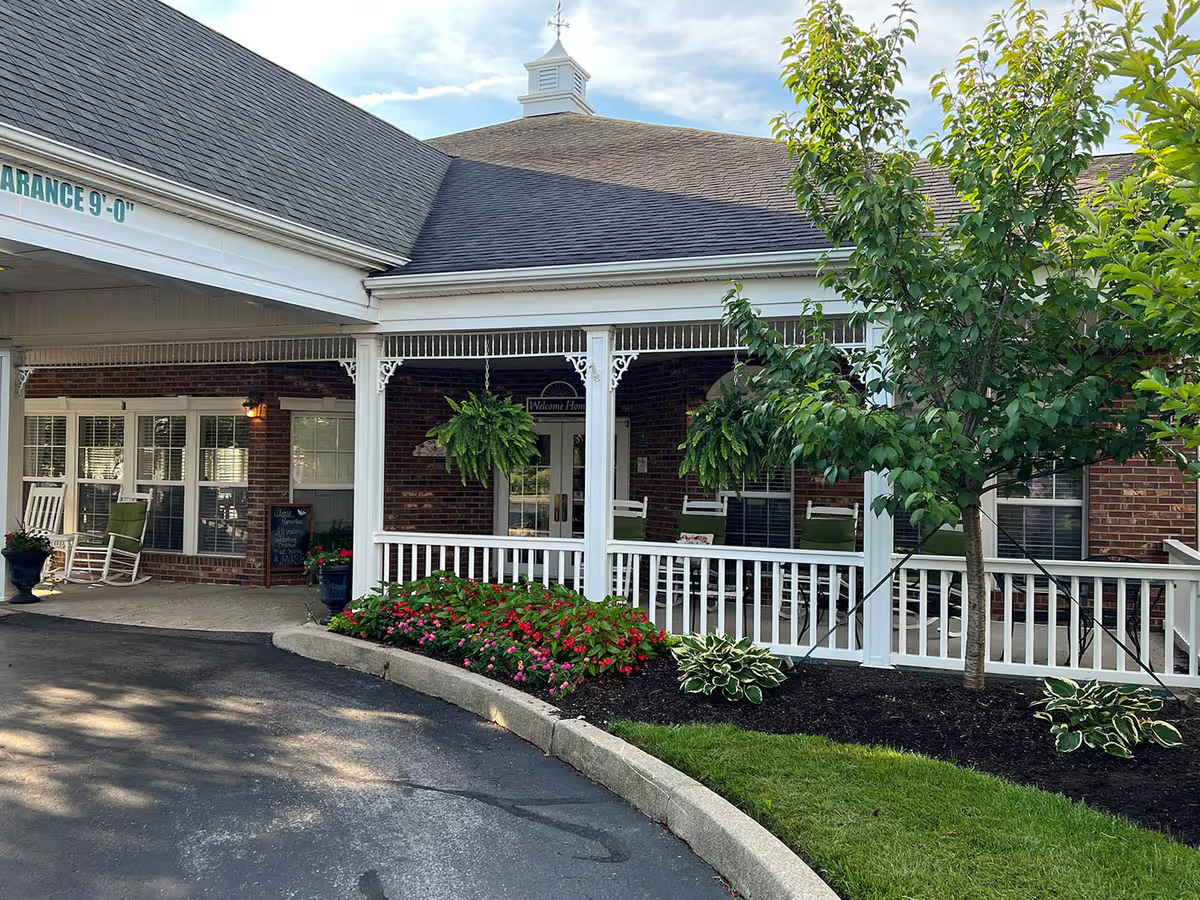
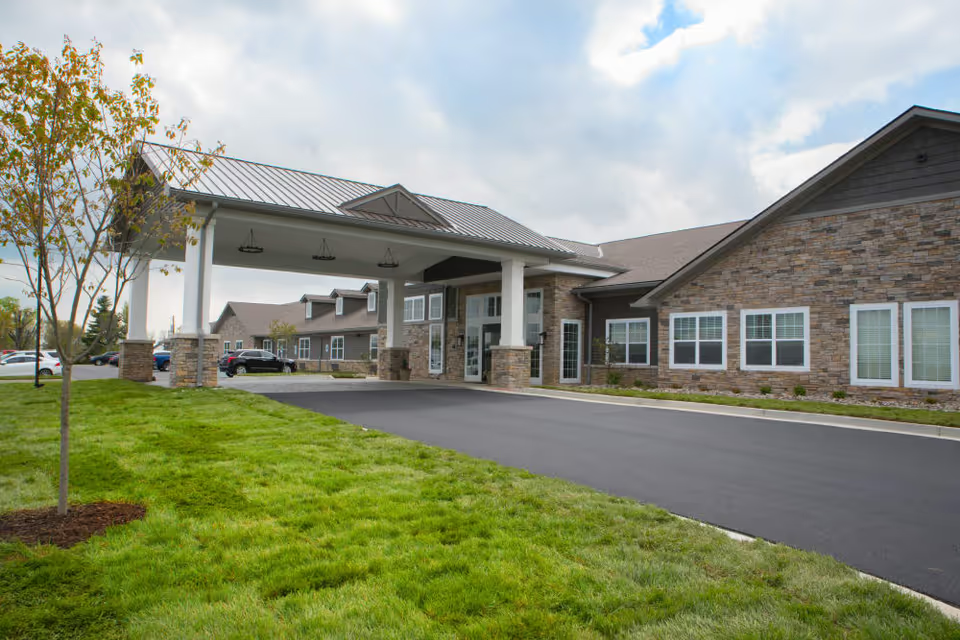
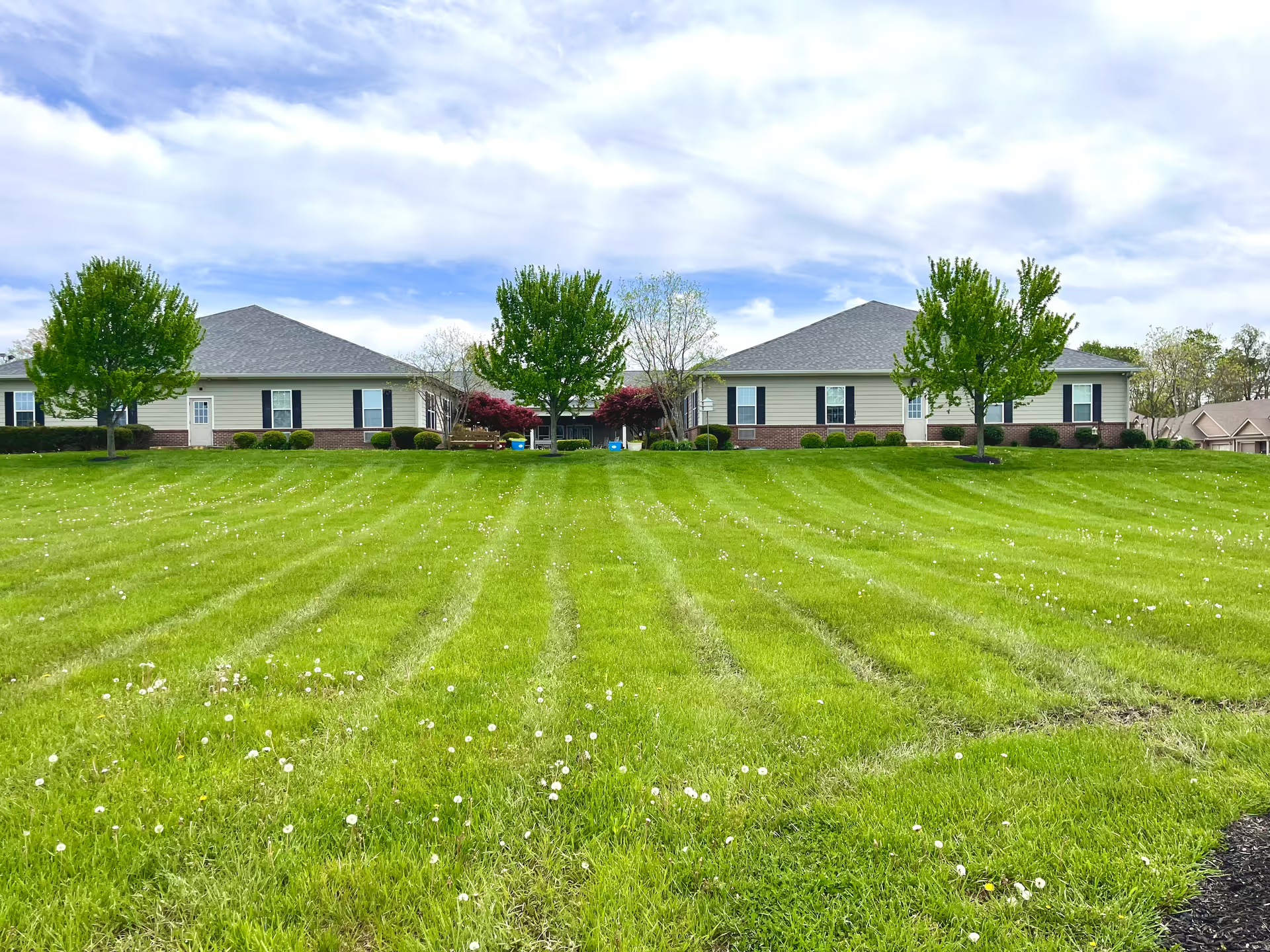
Facilities and maintenance: Public areas and overall facility cleanliness receive positive mentions, but room-level maintenance issues—worn or broken furniture, missing trim or baseboards, and flooring/housekeeping inconsistencies—appear in several accounts. These items point to uneven upkeep between communal spaces and private rooms and indicate potential need for targeted maintenance or remodeling in parts of the building.
Cost and value: A few commenters indicated the price felt high relative to the condition of some rooms or the level of rehabilitation programming. Families evaluating placement may want to compare costs against the level of room maintenance, therapy services, and staff availability they require.
Notable patterns and recommendation: The dominant pattern is one of generally favorable frontline caregiving and an administration willing to engage with families, coupled with intermittent operational shortcomings—especially at the level of room maintenance, equipment upkeep, personal-care timing, and rehabilitation consistency. Prospective residents and families should consider an in-person tour focused on private-room condition, equipment functionality, rehab/activity schedules, and the facility’s medication-management protocols to confirm whether the facility’s strengths align with their priorities.