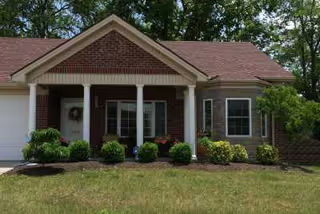
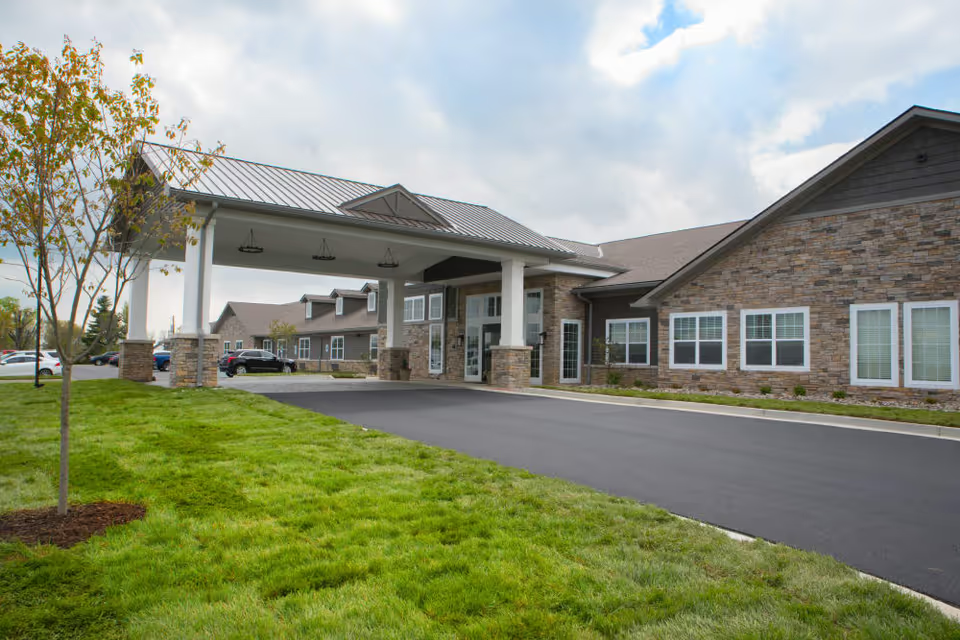
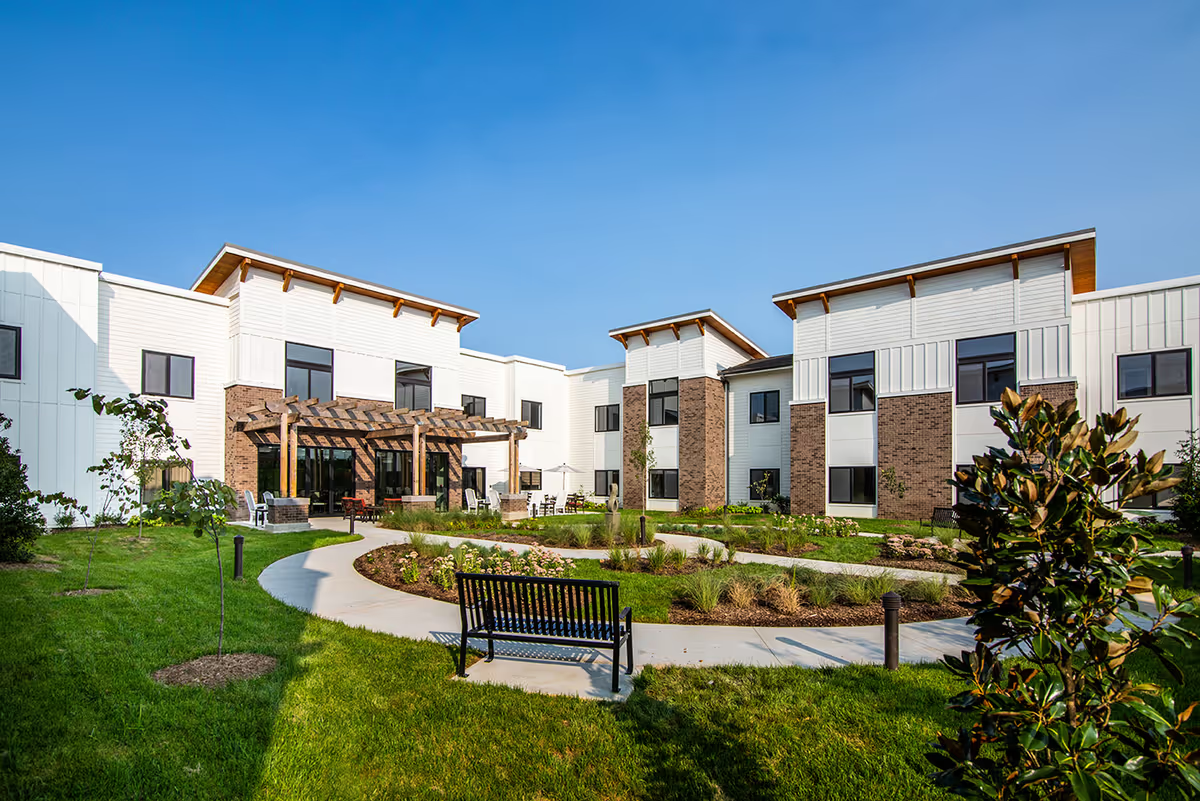
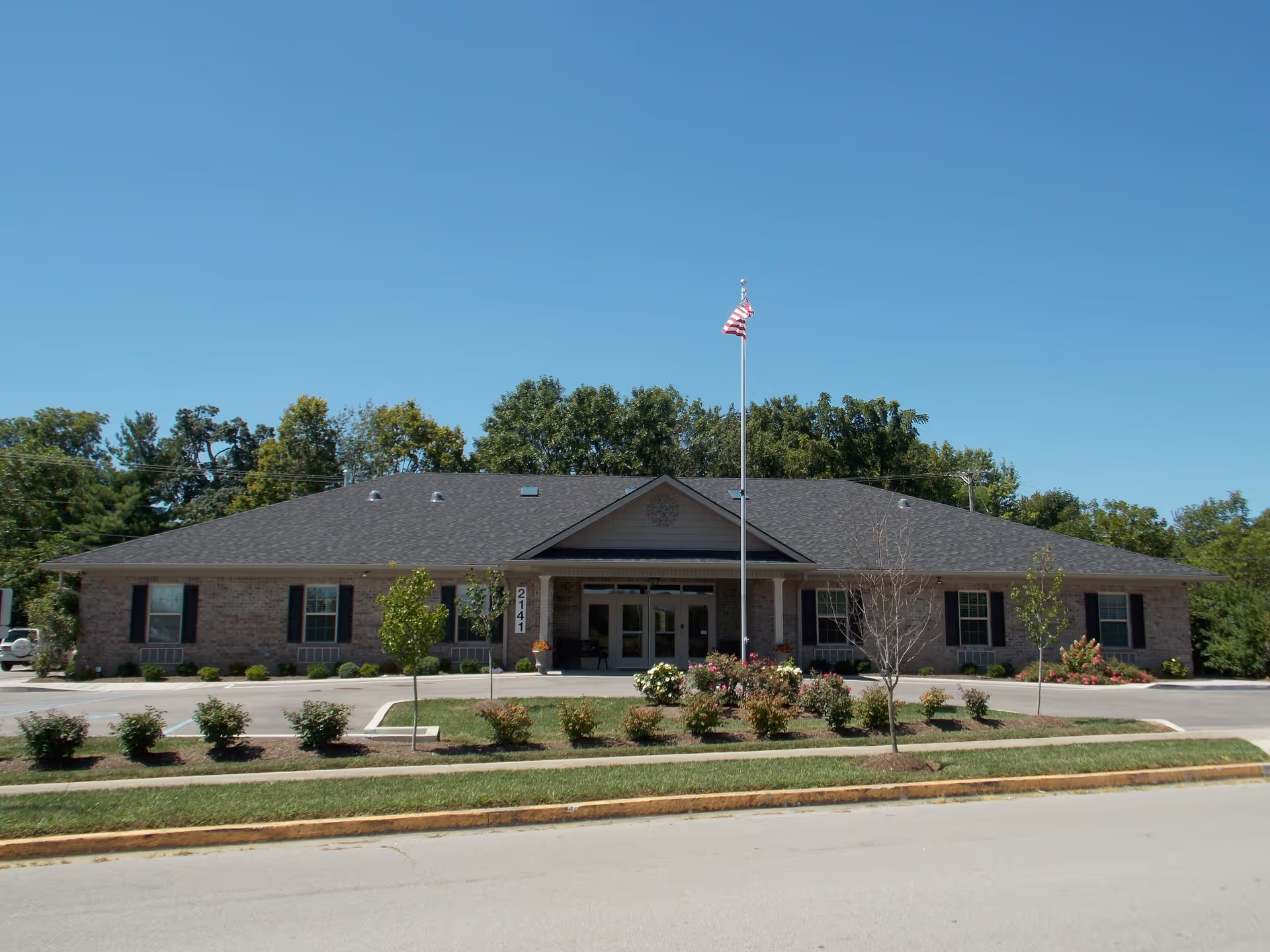
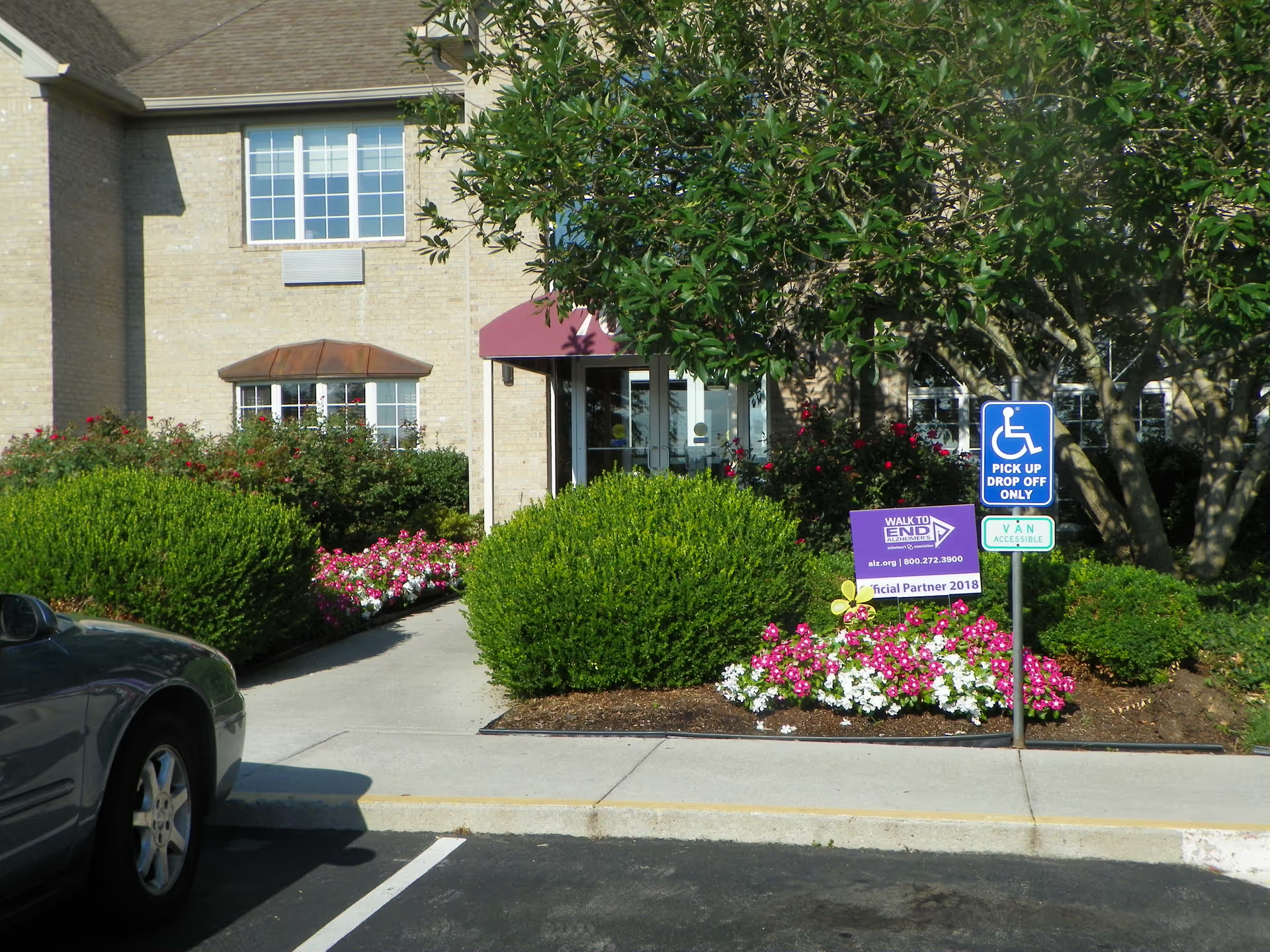
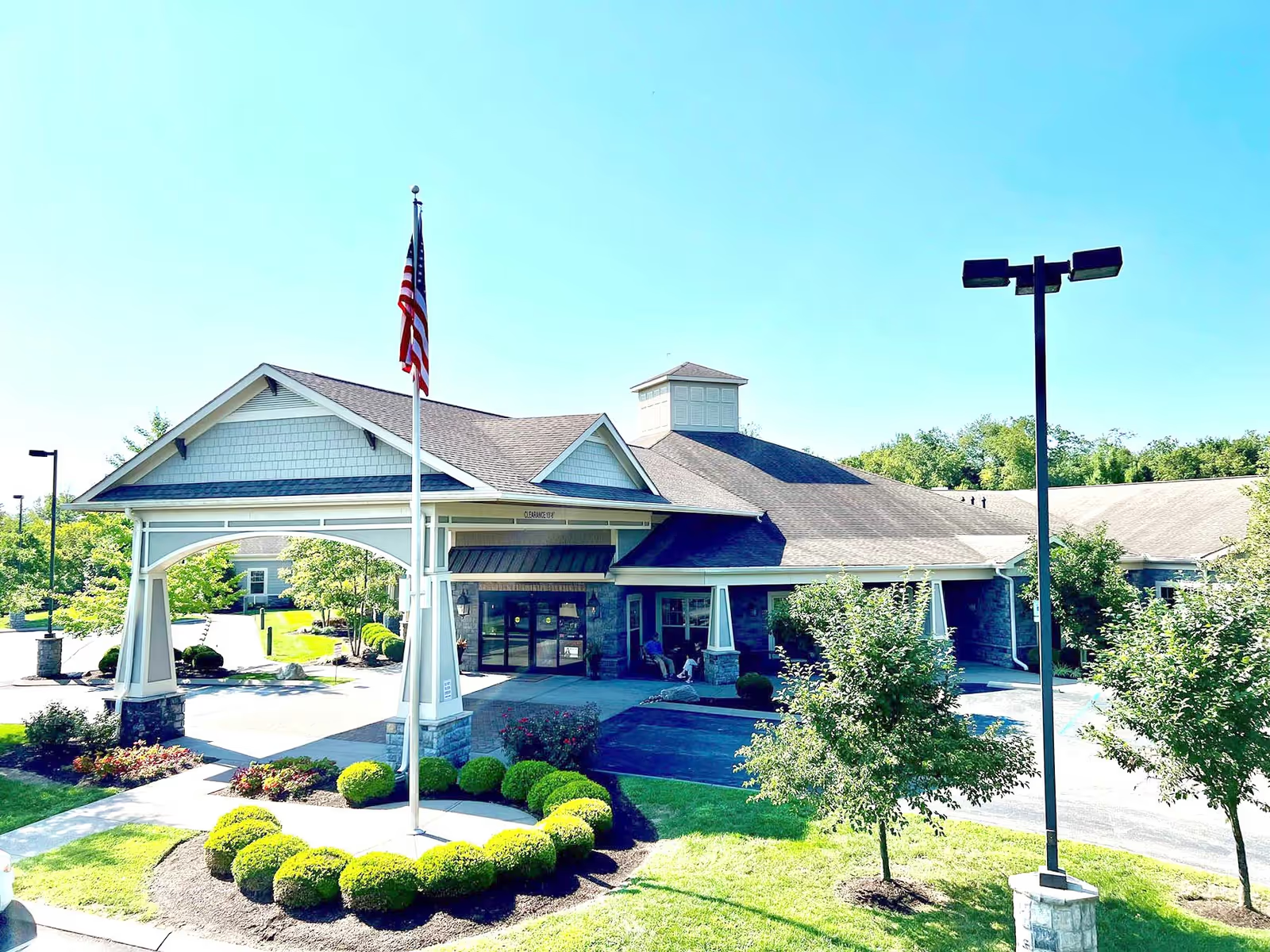
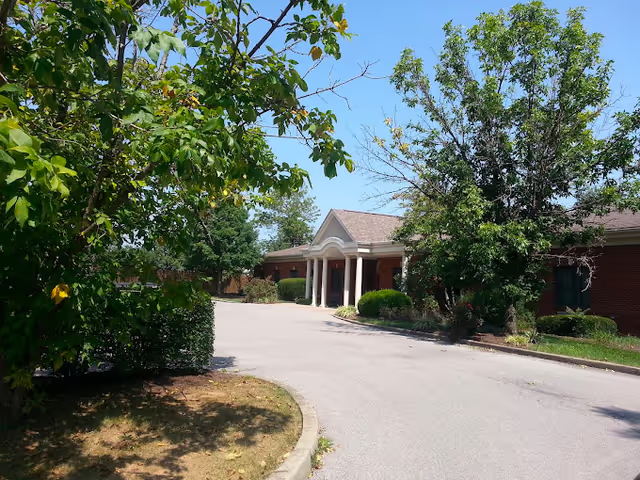
Overall impression: Sterling Meadows presents as a generally well-kept assisted living community with many strengths in day-to-day caregiving, social programming, and living space. Families frequently describe staff as compassionate, attentive, and knowledgeable, and many residents appear comfortable and socially engaged. The facility's common areas and grounds are often described as elegant and clean, and apartments are noted to be spacious and comfortable. Several families cited good communication from staff and appreciated daily updates and the community’s safety measures.
Care and staff: Care quality is a clear strength when staffing is stable. Numerous accounts emphasize attentive, personalized care — staff who know residents by name, who provide reassurance, and who support health and well-being. However, there is a notable pattern of inconsistent staff conduct tied to turnover. Some families described excellent, proactive caregivers while others described interactions that suggested gaps in customer-facing conduct or responsiveness. This variability appears linked to staffing continuity and recent personnel changes.
Dining and activities: The community offers a robust activities program that includes exercise classes (Tai Chi, chair exercise), devotions, art, gardening, and regular social events and monthly outings; these offerings are repeatedly cited as enhancing resident quality of life. Dining receives mixed feedback: many reviewers praised food and social dining, but others noted occasional issues with meal preparation and consistency. Prospective families should sample the menu and ask about kitchen oversight and meal-response processes.
Facilities and maintenance: Many families find the building attractive and well maintained overall, with good security and comfortable apartments. At the same time, reviewers identified specific maintenance concerns that warrant attention: carpeting and some flooring areas show wear and stains and have been flagged for replacement, and there are sanitation and pest-control concerns in a few common areas (example: flying insects in the dining area and localized odor concerns in an elevator). Management has indicated ongoing repairs and planned upgrades, but timelines and scope may vary.
Management and operations: A recurring theme is a leadership transition; several families contrasted a previous management team favorably with current leadership, noting less resident interaction and a need for stronger oversight. Operational weaknesses surfaced around billing and invoice processing delays and limited on-site clinical services (some families noted the absence of injection services), which affected placement decisions for at least one resident. Taken together, these items suggest areas where administrative processes and clinical scope could be clarified or strengthened.
Notable patterns and practical advice: Families generally feel the community can offer a safe, social, and caring environment when staffing is steady. Key patterns to verify during a visit include current staffing levels and turnover rates, manager visibility and resident engagement, pest-control and cleaning schedules for dining and high-traffic areas, the kitchen’s quality control and menu sampling, planned timelines for flooring or carpeting replacement, billing procedures and expected timelines, and the extent of on-site clinical services. Asking for references from current residents’ families and observing a meal service and an activity session can help confirm whether Sterling Meadows’ strengths align with a prospective resident’s needs.