Overall impression: Reviews present a mixed picture. Several reviewers describe strong clinical rehabilitation services, a responsive kitchen that accommodates special diets, and compassionate front-line caregivers, while other accounts raise serious operational and safety concerns. The feedback suggests variability in day-to-day care quality rather than a single uniform experience.
Care quality: Therapy services and mealtime accommodations are consistently cited as strengths; families report good responsiveness from therapy teams and kitchen staff accommodating dietary needs. At the same time, there are patterns suggesting inconsistent clinical oversight — examples include concerns about medication management and responsiveness to acute resident needs — which some reviewers characterized as serious. These patterns indicate that clinical quality may depend on which staff are on shift and how promptly issues are escalated.
Staff and interactions: Staffing appears uneven. Many reviewers praise individual caregivers as compassionate and attentive, but others describe variability in skills, training, and empathy across staff members. Communication tone and conduct have been raised as concerns, with reports of staff interactions perceived as brusque or dismissive in some cases. Families also describe a reactive approach to problem-solving, where issues are more likely to be addressed when family members are present or actively advocating.
Dining and therapies: The kitchen and therapy departments are recurring positives. Reviewers highlight accommodating meal preparation for special requests and an effective therapy program. These areas stand out as operational strengths relative to other parts of the facility.
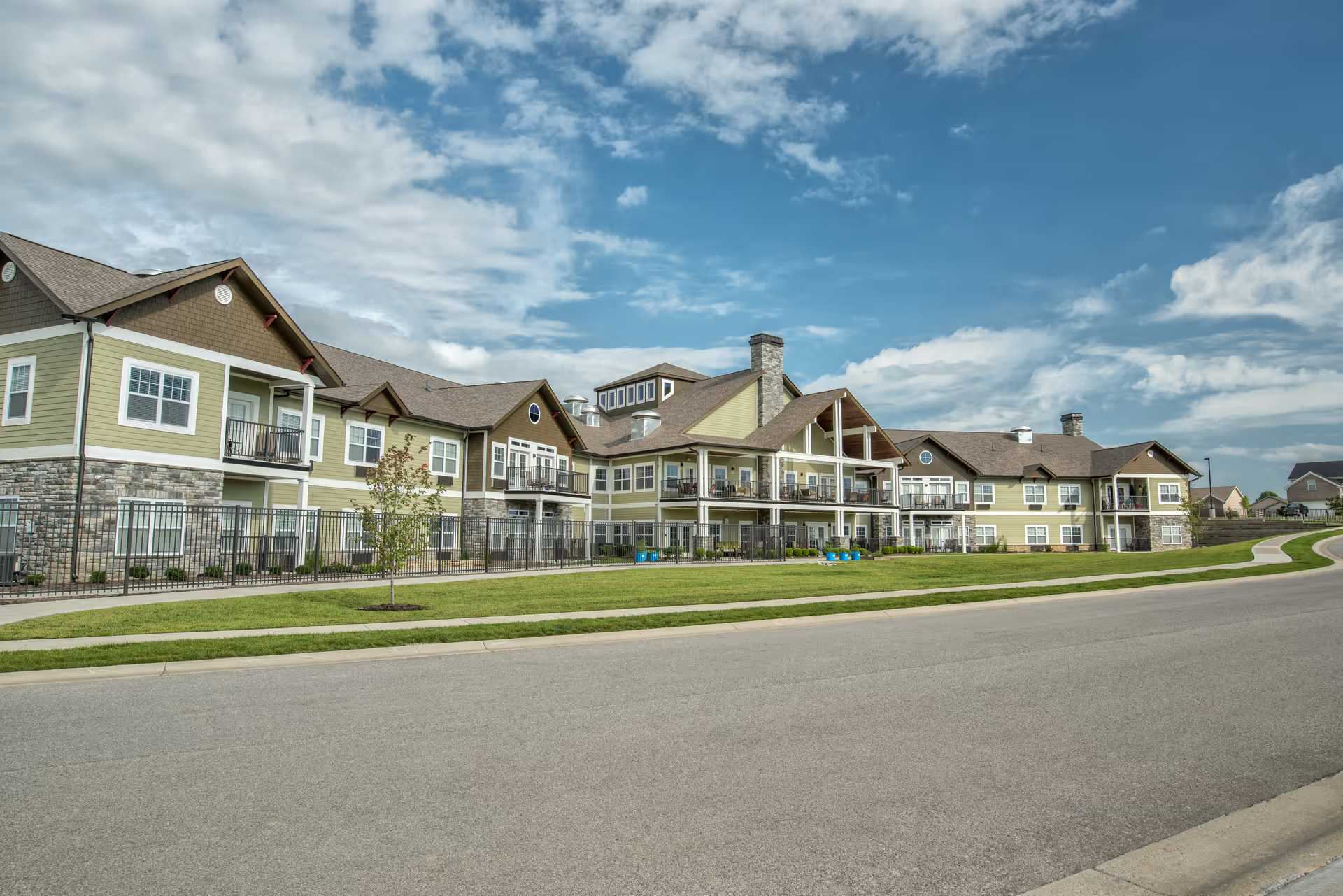
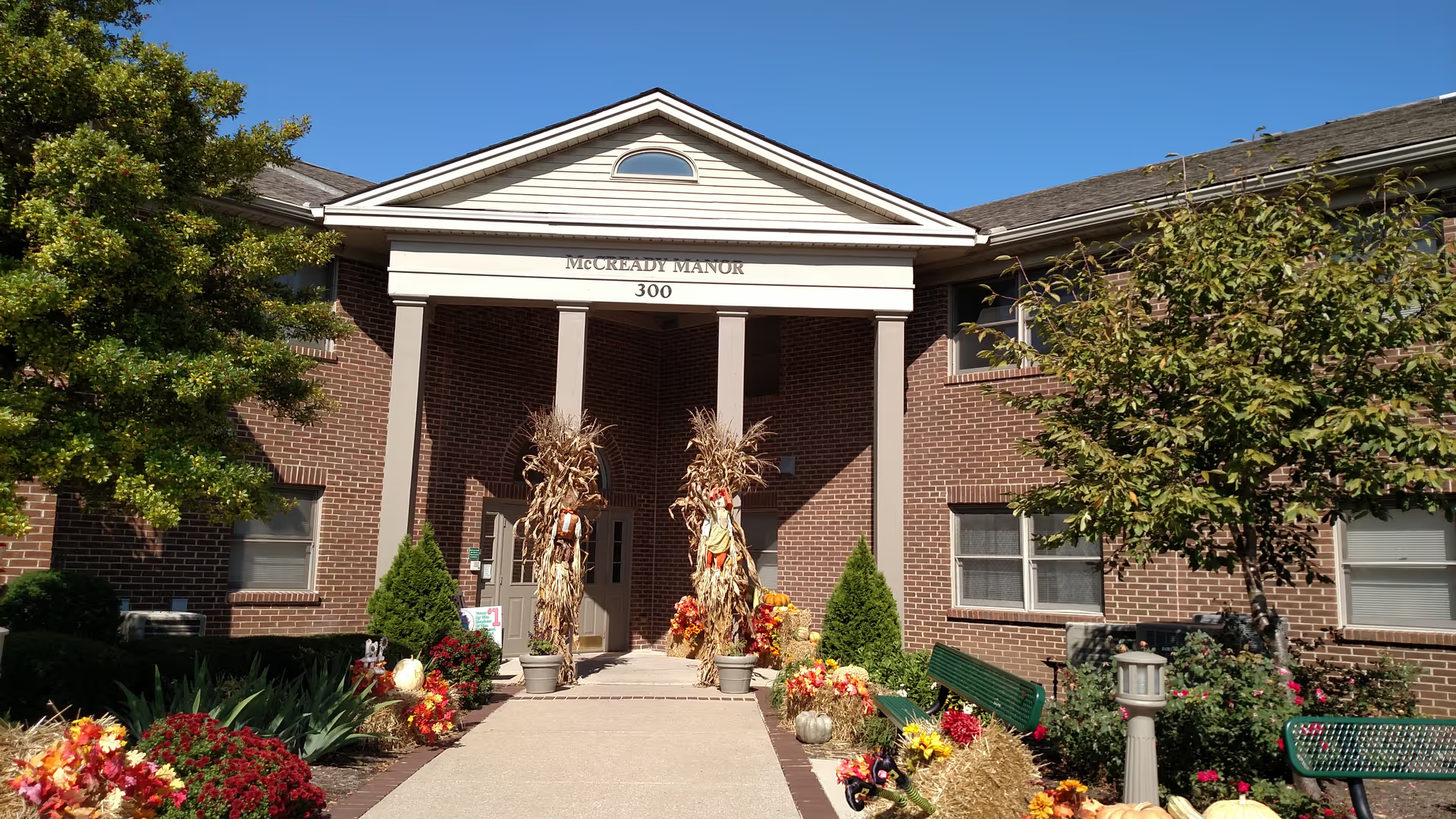
Facilities and safety: Multiple comments point to dated furnishings and equipment, including concerns about mattresses and beds, which raise questions about comfort and safety. Cleanliness and sanitation issues in resident rooms and common areas are also mentioned. There are reports implying delays in responding to resident safety events; while individual incidents are described, the broader operational concern is uneven attention to environmental safety and equipment maintenance.
Management and patterns: A common theme is management responsiveness. Several reviewers express frustration with slow or limited responses from leadership when concerns are raised, and some describe a pattern of problems improving only after family intervention. There are also references to serious incidents and end-of-life care concerns; those accounts suggest families should seek detailed information from leadership and regulatory documentation during any evaluation.
What prospective families should consider: Visit during different shifts to evaluate staff consistency and observe mealtimes and therapy sessions. Ask about staffing levels and turnover, medication-management protocols, incident reporting and escalation procedures, mattress/bed replacement schedules, and cleaning/sanitation routines. Request references from current families and inquire about how management communicates with families after incidents. Given the mix of positive clinical services and serious operational concerns in reviews, direct observation and targeted questions will better clarify whether the facility meets an individual resident's needs.