Reviewers describe a facility with clear strengths in direct resident care and social programming alongside recurring operational weaknesses. Across many accounts, direct-care staff — nurses, CNAs, and activity personnel — are described as compassionate, attentive, and relationship-focused; families frequently praise quick response to call lights, individualized attention, strong memory-care leadership, and an atmosphere that residents and visitors characterize as warm and family-like. The activities program and therapy/exercise offerings receive consistent positive mention, with themed dinners, monthly family nights, and adaptable activities that support social engagement and quality of life.
Dining and kitchen operations emerge as a consistent area of concern. Common themes include inconsistent food quality, repetitive menus (notably frequent sandwich or limited vegetable options), and supply interruptions that affect meal availability. Multiple reviewers cited staffing and workflow pressure in the kitchen, which manifested as out-of-stock items, underprepared or overcooked entrées, and occasional gaps in meeting special dietary needs. There are also specific operational cleanliness and pest-control concerns tied to back-of-house areas that prospective families should evaluate directly.
Staffing and clinical consistency are mixed. While many reviewers report responsive nursing and caring aides, others describe staffing levels that are stretched thin — particularly in evening shifts — producing delays in assistance and occasional missed basic care tasks. Related observations point to training gaps and turnover that can affect day-to-day consistency. More seriously, a small number of accounts raise concerns about medication-management lapses and broader clinical oversight; these are presented as isolated but significant issues that merit verification during a tour and through regulatory inspection records.
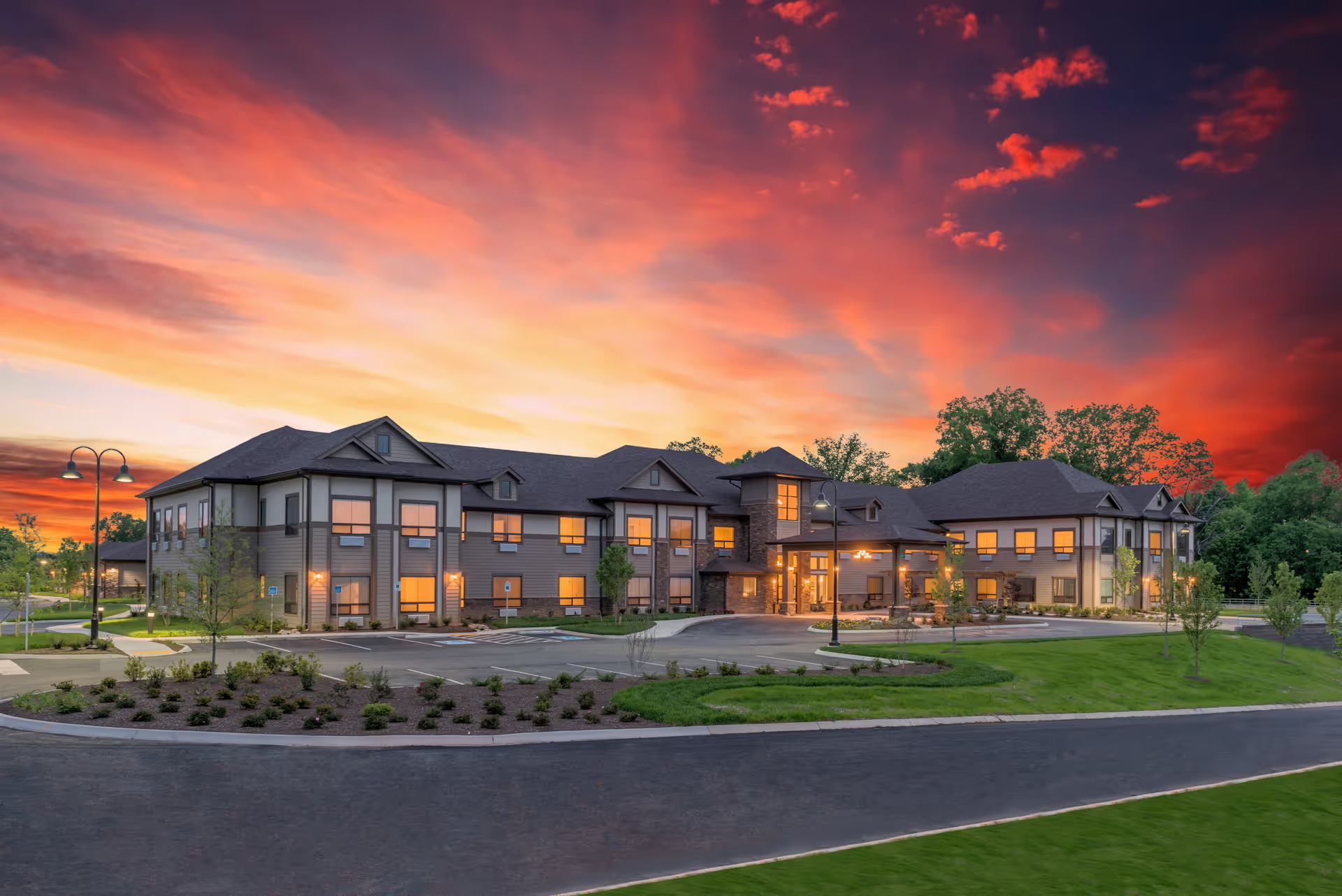
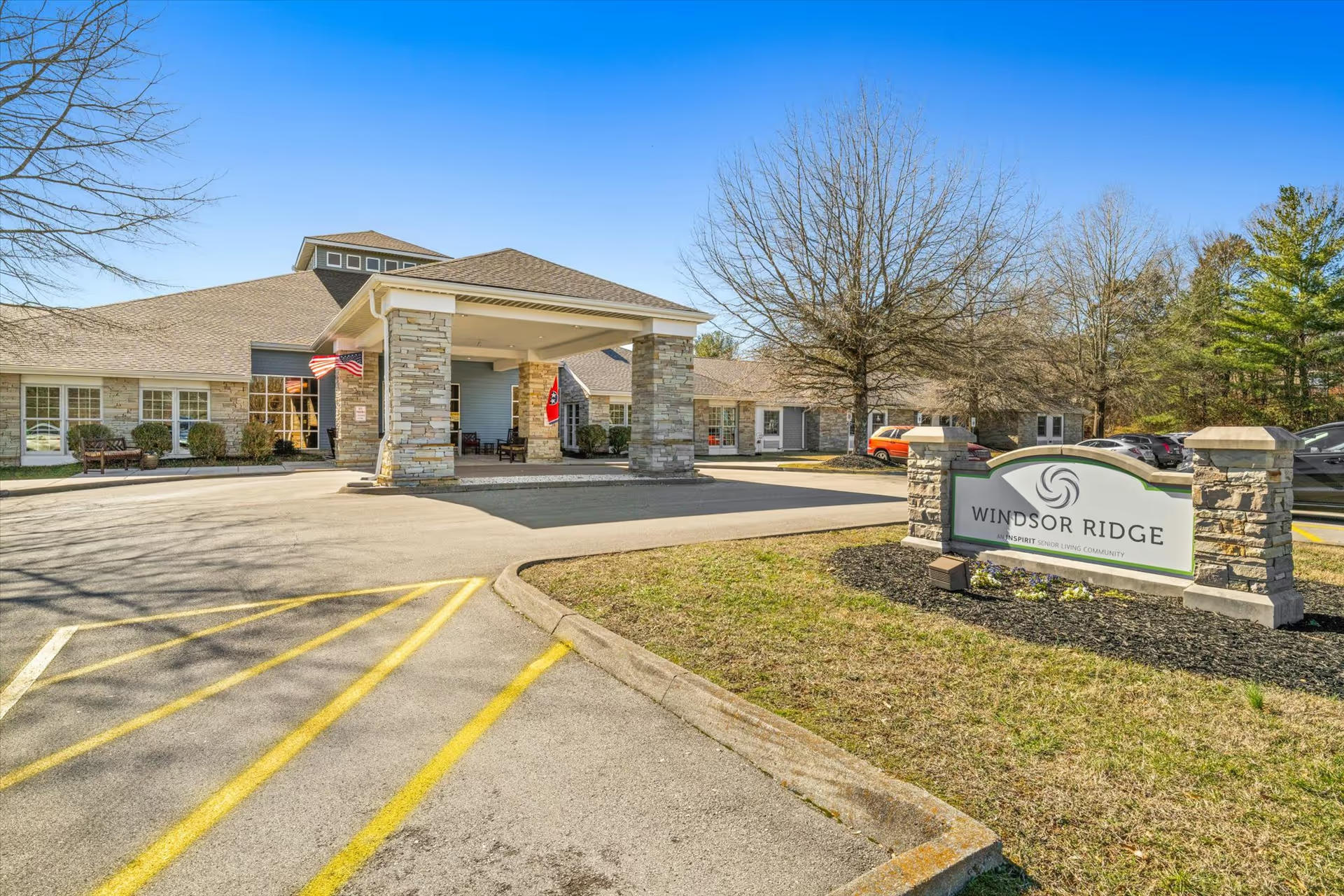
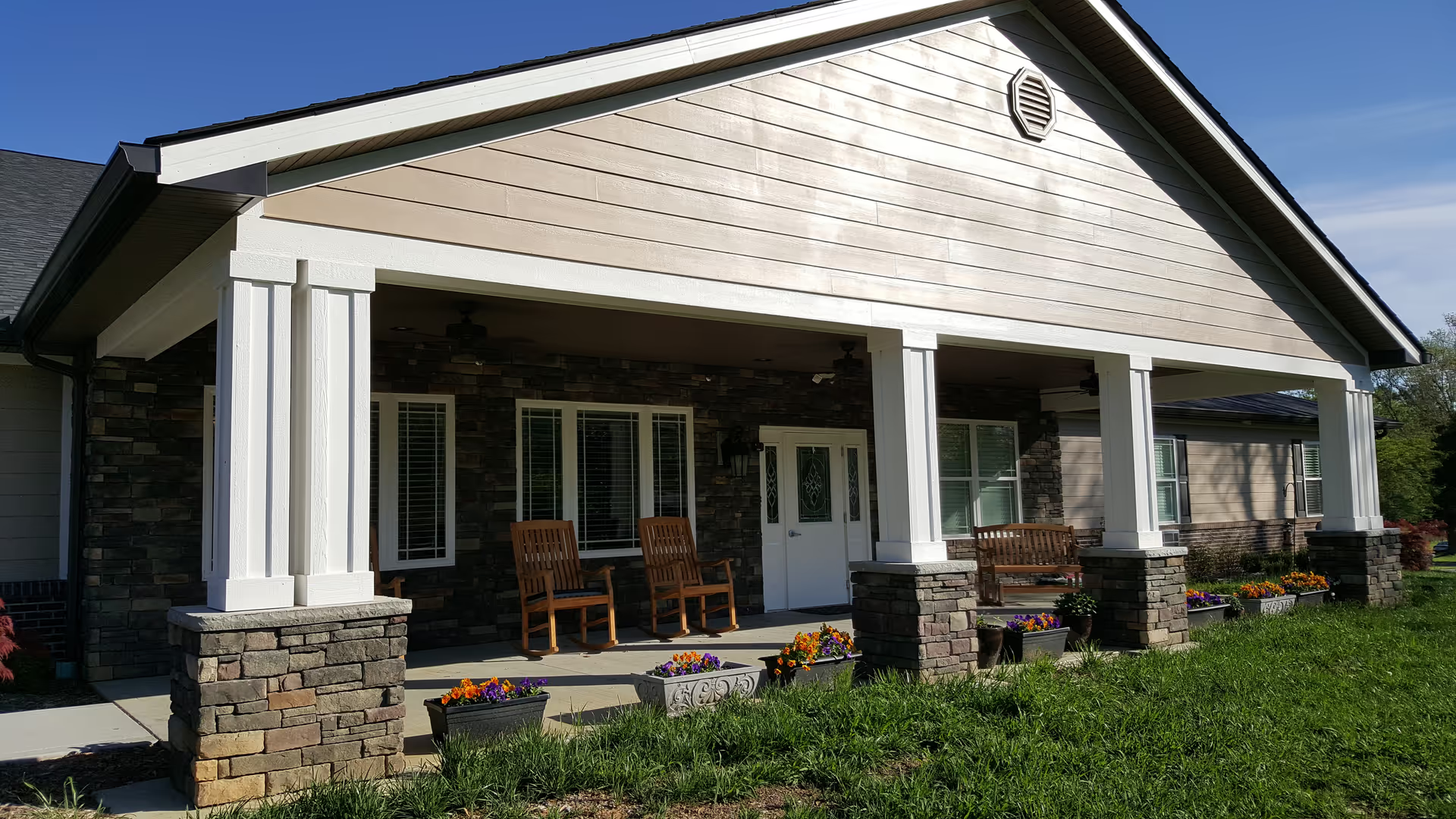
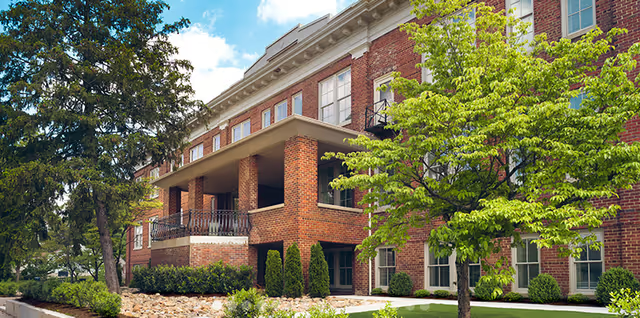
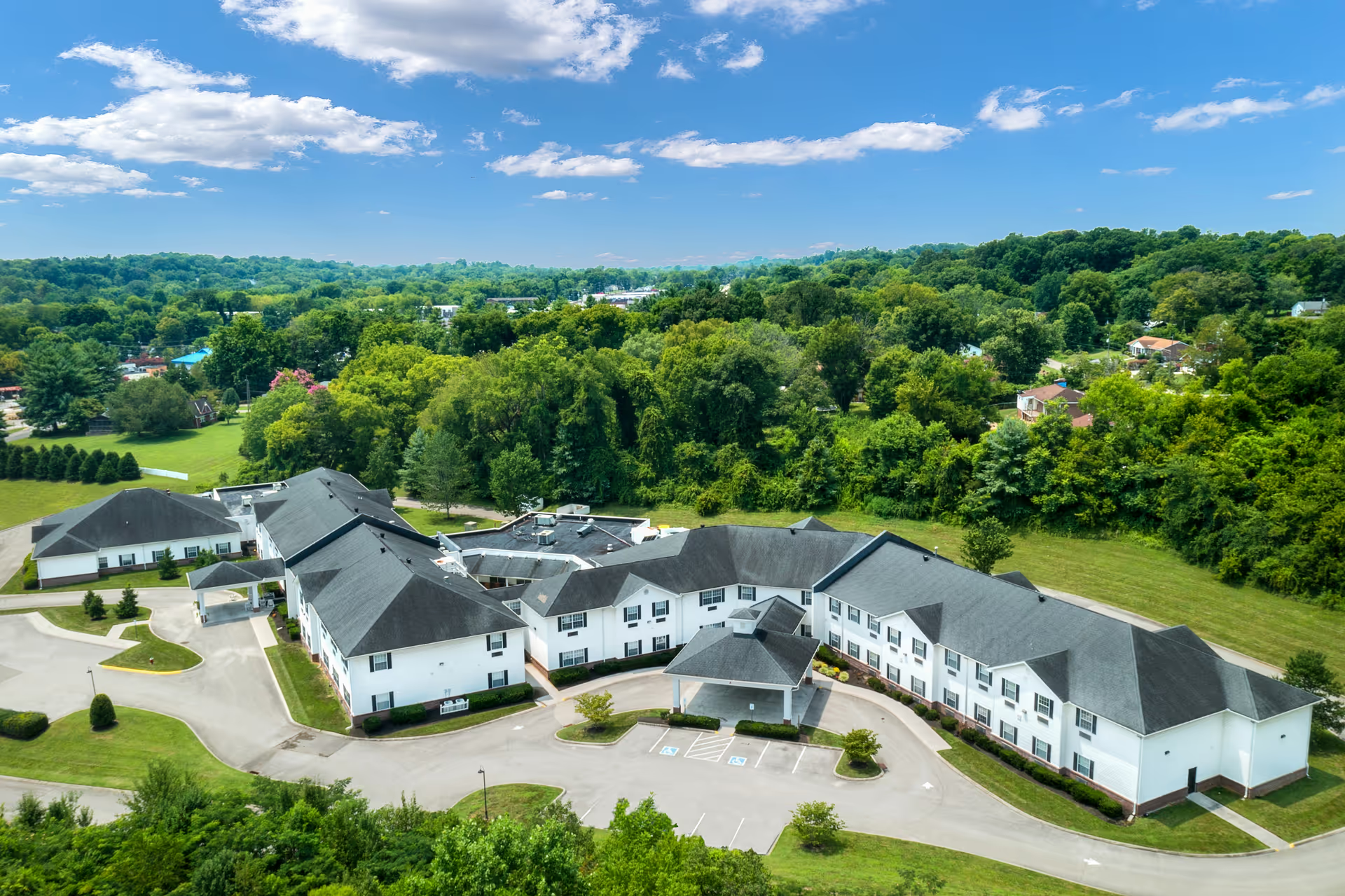
Facility maintenance and campus amenities are generally viewed positively: reviewers commonly note clean, well-kept interiors, comfortable apartment setups that allow personal furniture, manicured grounds, on-site salons, and ample parking. The physical environment is often described as bright, home-like, and conducive to social activity. Memory care leadership and several long-tenured staff members receive particular commendation for their clinical skill and resident rapport.
Management and communications show variability. Some families describe proactive, personalized communication from on-site staff and strong admissions support, while others report difficulty reaching corporate representatives, inconsistent administrative responsiveness, or perceived instability in leadership. These organizational issues are linked in several accounts to operational problems such as staffing allocation, kitchen management, and incomplete follow-through on family requests.
Notable pattern: reviews cluster into two experience types — those emphasizing strong, compassionate direct care and community life, and those describing operational lapses around dining, staffing, and management. Prospective residents and families should balance the facility’s evident strengths in caregiving, activities, and campus environment against the operational concerns documented by several reviewers. Recommended due diligence includes in-person meal sampling, direct questions about staffing levels and shift coverage (especially evenings), review of recent inspection and pest-control records, clarification of medication-administration protocols, and assessment of management continuity and family-communication practices during a tour.