The review summaries paint a predominantly positive picture of The Lantern at Morning Pointe Alzheimer's Center of Excellence in Powell, with particular strengths clustered around staff, the physical environment, and memory-care programming. Care quality is described in relational terms: families and staff emphasize respectful, compassionate interactions and nursing staff who are proactive and attentive. Review content repeatedly highlights that residents in memory care appear engaged and joyful, and that caregivers experienced relief when their family members moved into the community. While reviewers emphasize compassionate day-to-day care and good follow-through on commitments, there is limited granular information in the summaries about clinical outcome measures or formal medication-management processes.
Staffing and workplace culture are strong themes. The facility is characterized by a low staff-to-resident ratio, collaborative teamwork, and an employee culture that many describe as ‘‘like family.’' Multiple items note competitive compensation and above-average benefits, and the executive leadership is described as supportive and accessible. These elements are reflected both in family perceptions of care continuity and in comments from current or former employees about a positive workplace environment — factors that can contribute to stable staffing and consistent resident care.
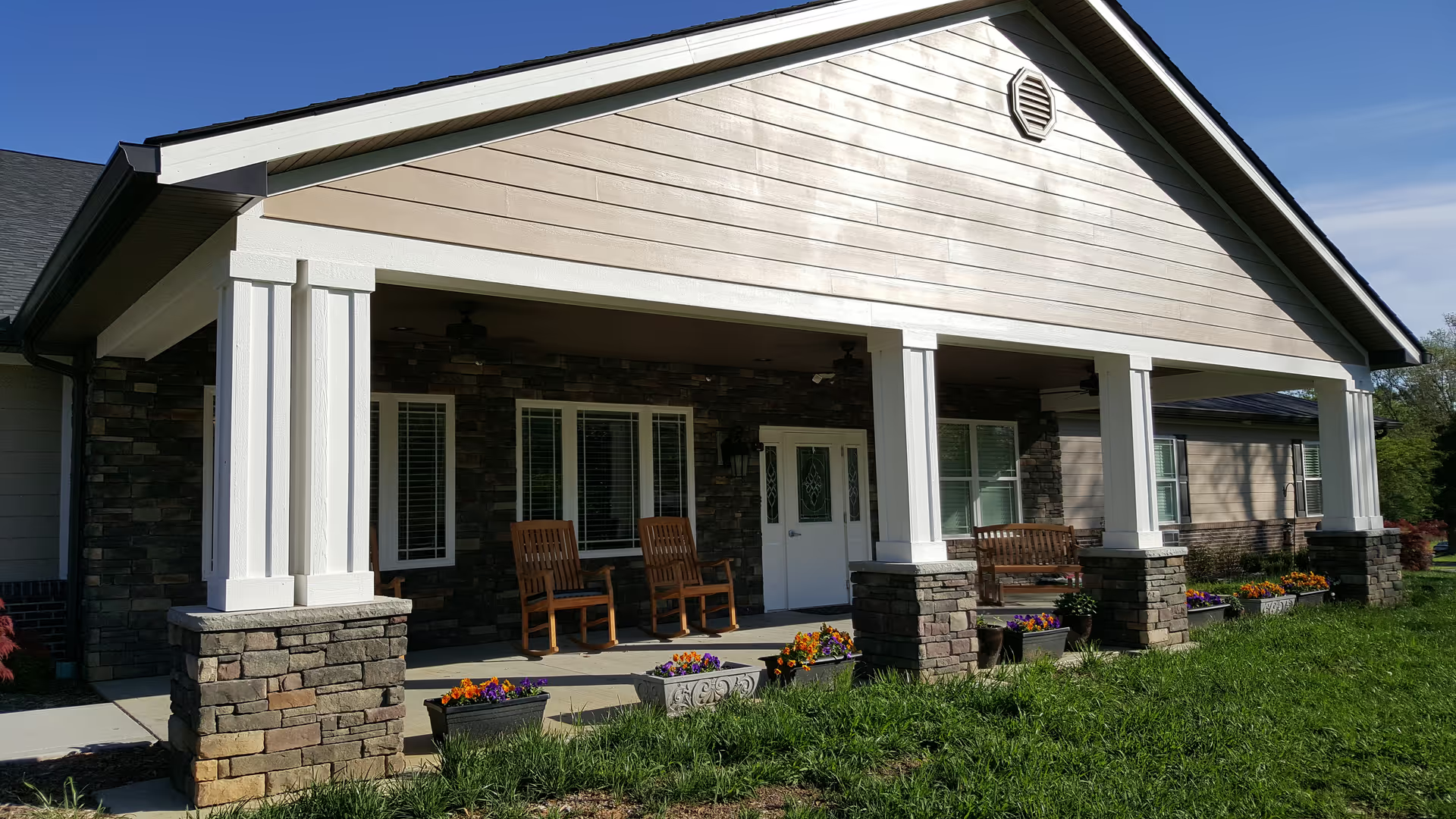
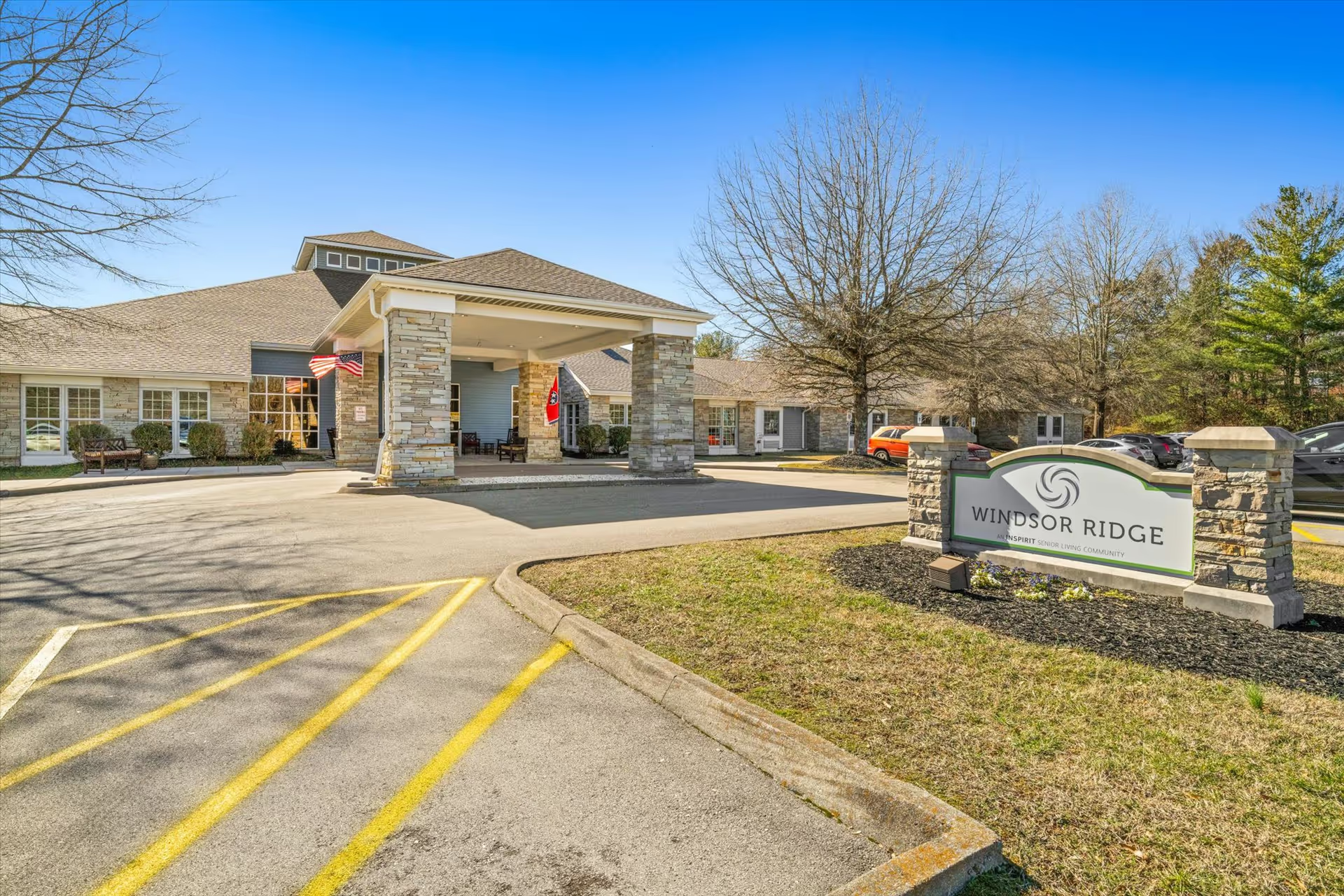
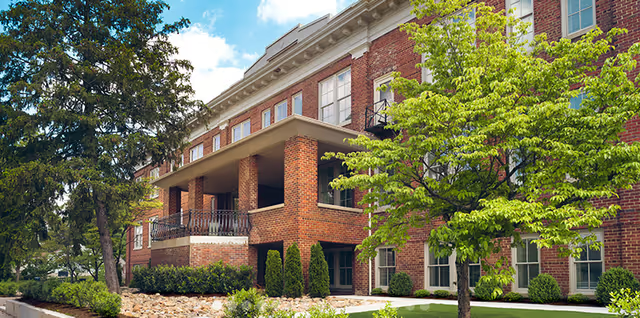
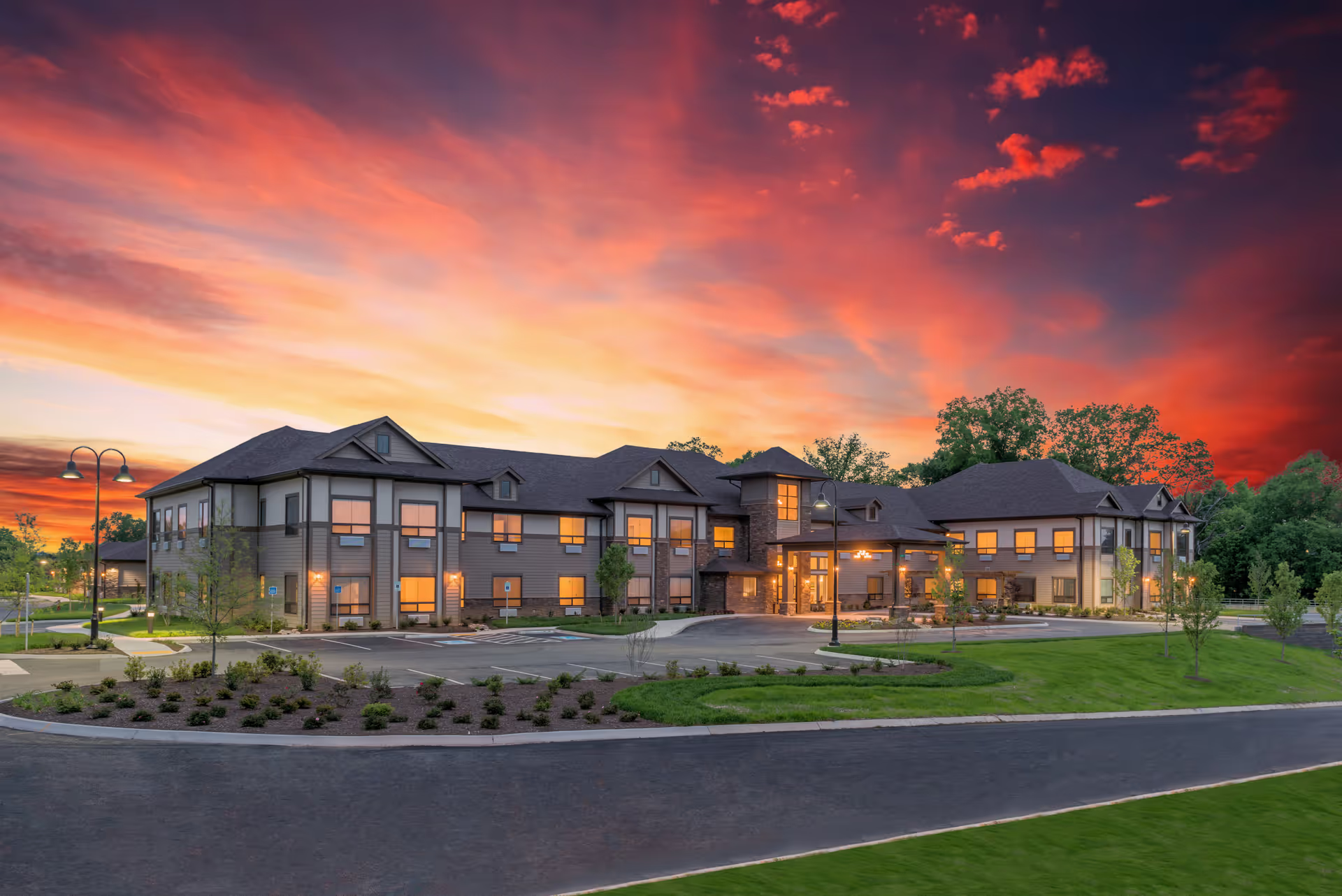
Activities and programming receive favorable mention, particularly organized outings and engagement for memory-care residents. Reviewers noted that residents enjoyed trips and that activities are planned and well executed. The physical plant is consistently described as attractive, well-kept, and thoughtfully designed for people with dementia, supporting orientation and comfort. Cleanliness and general upkeep are reiterated across summaries, contributing to an overall impression of a well-maintained community.
Areas where the summary information is limited or suggests the need for further inquiry include dining and some clinical-process details. The provided summaries offer little specific commentary on meal quality, menu variety, or dietary accommodations; prospective families should ask for sample menus, dining schedules, and how special diets are handled. Similarly, although nursing responsiveness is praised, the summaries do not provide detailed information about clinical outcome tracking, medication-administration protocols, or documentation practices — topics worth exploring during a visit.
Finally, most commentary comes from family members and staff, creating a consistent narrative about warmth, organization, and effective memory-care support. Prospective residents and their families would benefit from on-site conversations and document reviews to confirm clinical practices, dining options, and how the community adapts services if a resident’s needs change beyond the scope of memory care. Overall, the available summaries suggest a community with strong relational care, a pleasant environment, and engaged leadership, with a recommendation to verify clinical and dining details directly during a tour.