Overall impression: The reviews paint a strongly mixed picture of Emory Ridge. Many families report excellent, compassionate care, a clean and attractive facility, and staff who treat residents like family. At the same time, a substantial minority of reviews describe serious care lapses, understaffing, management and billing problems, and potential safety and privacy concerns. These divergent themes appear repeatedly: numerous specific praises for individual nurses and caregivers sit alongside repeated allegations of neglect, poor communication, and inconsistent standards after management or staffing changes.
Care quality and staffing: A dominant theme is variability in care. Many reviewers single out nurses and caregivers by name and describe attentive, proactive, and loving care—residents who socialize, regain abilities, eat well, and are treated respectfully. Conversely, other reviews describe marked deficiencies: CNA turnover, chronically short staffing, lack of night coverage, and caregivers who leave residents in soiled clothing or wet diapers. More serious allegations include failure to administer medications, pills found on the floor, stage 3 pressure ulcers, blood-stained sheets left for days, and instances of rough handling. Multiple reviews link a decline in care quality to recent management or ownership changes, and some families reported planning to move residents out as a result. These patterns suggest that while strong caregivers exist at Emory Ridge, systemic staffing and oversight problems can produce dangerous lapses for some residents.
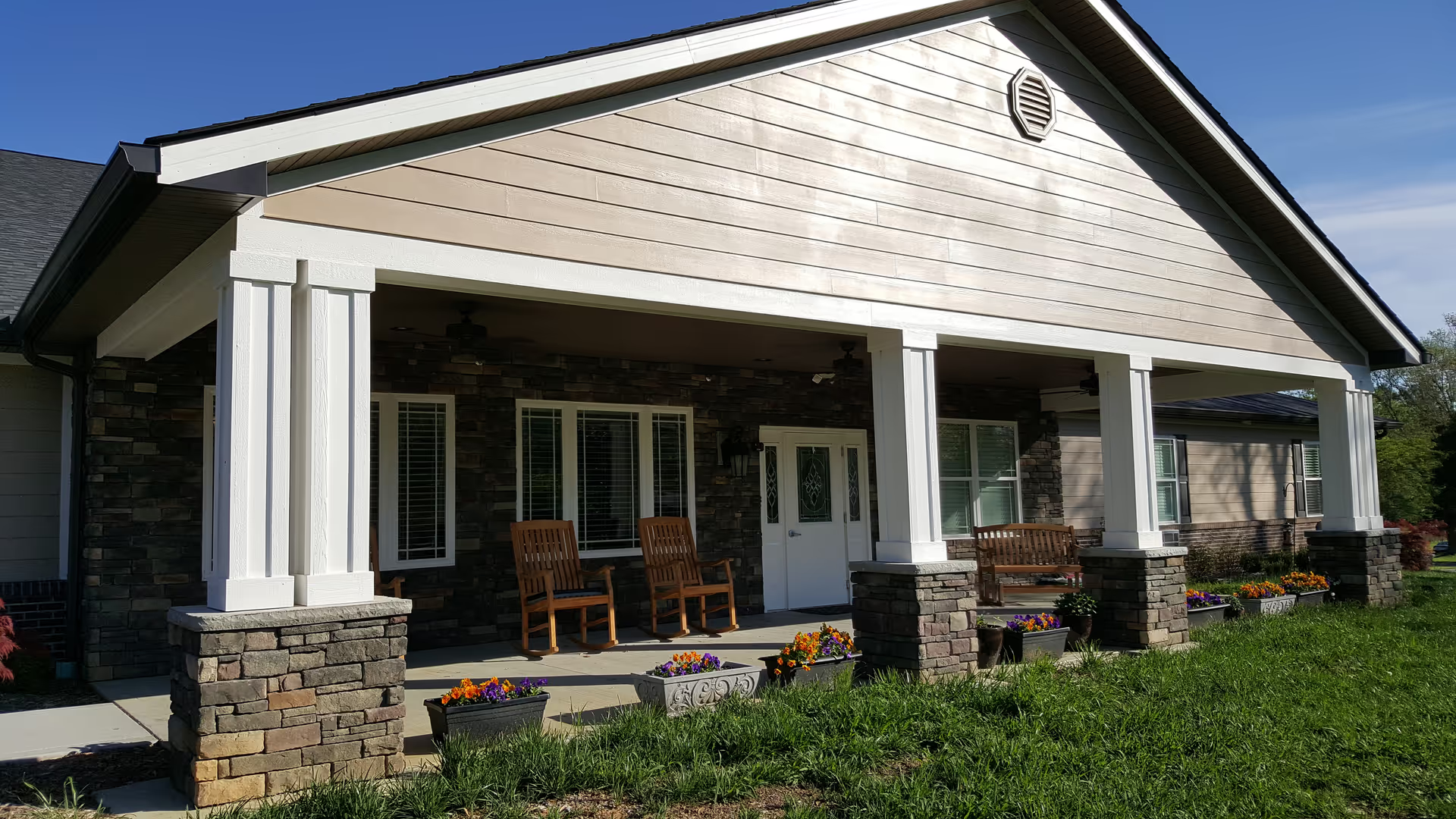
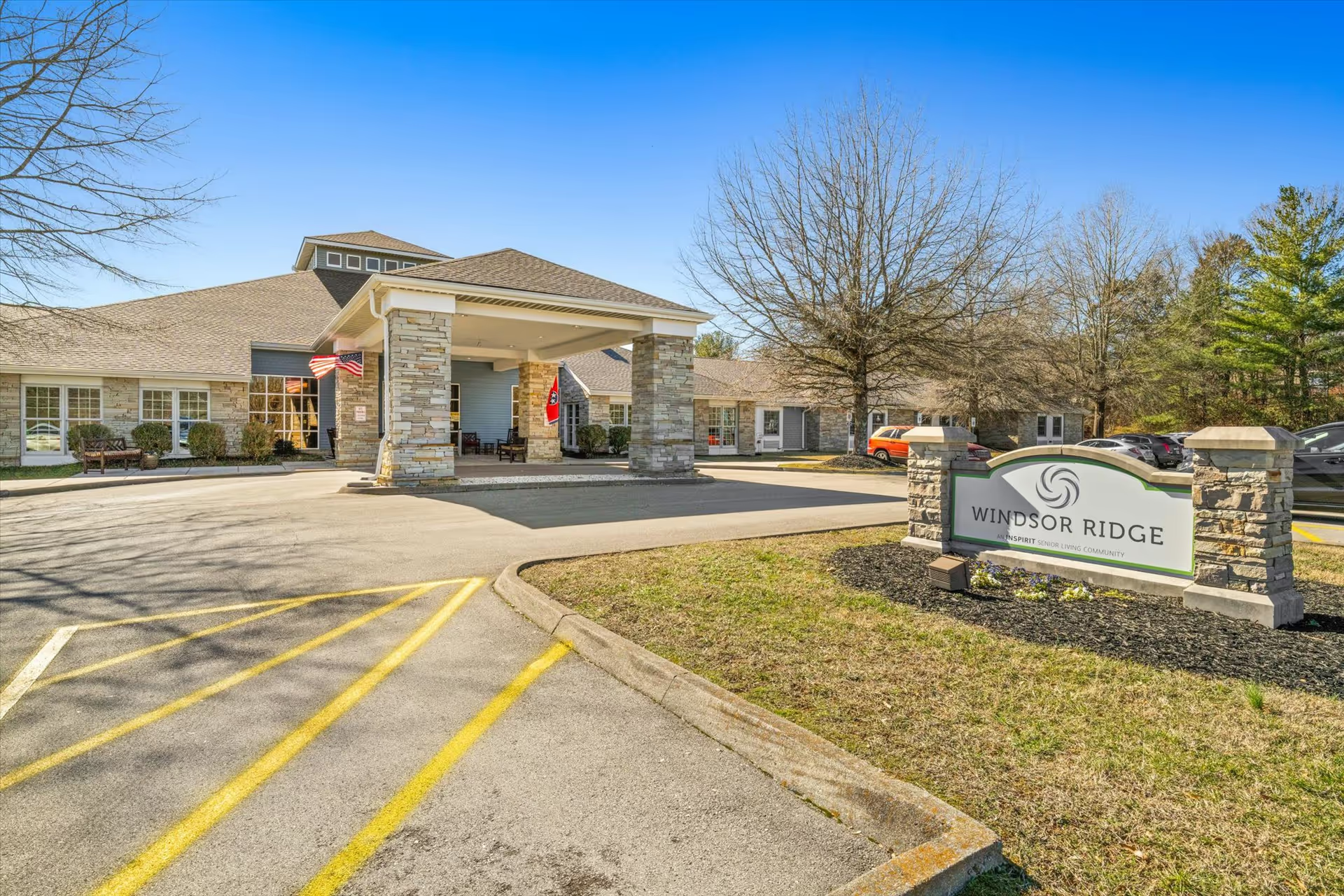
Facility, grounds, and safety: Physical aspects of Emory Ridge are consistently praised. The building is described as modern, clean, and well-maintained with spacious rooms, good storage, patios, rocking chairs, an enclosed courtyard, level grounds, and convenient proximity to a hospital. Dining receives positive comments for atmosphere and food quality in many accounts. The memory-care design, locked access, and single-floor layout are highlighted as strengths. However, safety concerns are also raised: alarms repeatedly going off, low staff visibility in some shifts, code-access vulnerabilities, and instances of falls and a reported self-harm incident. Families should weigh the facility’s good physical environment against reported operational and supervision weaknesses that affect safety.
Activities and social life: Reviews conflict on programming. Several families praise above-and-beyond activities, trips, song-and-dance entertainment, and engaged staff-run events. Others report a dramatic reduction or absence of activities—TV-only programming, no activities director, months with zero organized activities, and residents left idle. This inconsistency appears tied to staffing levels and turnover, where enthusiastic activity programs exist when staffing is stable but decline sharply when staff are stretched thin.
Administration, communication, and billing: Communication and management are a clear pain point for many reviewers. Positive accounts describe responsive administration, helpful coordination with hospitals, and smooth admissions. Negative accounts describe broken promises, lack of timely responses from administration or wellness director, difficulty reaching the office, and unresolved family concerns. A recurring and serious theme involves billing disputes, including at least one large contested charge (reported at $7,400) and claims that the facility would not cooperate with Department of Labor processes, creating financial and legal stress for families. Several reviewers also expressed distrust of published ratings, suspecting paid or manipulated reviews.
Cleanliness and laundry: Overall cleanliness of the facility is often praised—many reviewers call it immaculate with clean rooms and fresh smells. Contrasting reports describe laundry problems (damaged clothing, protective covers removed and not returned), stained mattresses, dirty dishes, and sheets or linens not changed promptly in critical situations. These inconsistencies reinforce the pattern that core services are good in many cases but can fail badly under staffing or management strain.
Notable patterns and red flags: Two patterns stand out. First, praise is frequently tied to specific named staff members who clearly provide excellent care; losing these staff or widespread turnover is tied in reviews to declining standards. Second, many serious complaints (pressure ulcers, untreated wounds, blood-stained linens, medication failures) are not only quality issues but safety and liability concerns. Coupled with multiple billing disputes and reports of poor administrative responsiveness, these issues represent real red flags that prospective families should investigate thoroughly.
Recommendation for prospective families: The reviews indicate that Emory Ridge can offer an excellent, homelike, and well-appointed memory-care environment with compassionate staff and good programming when staffing and management are stable. However, the frequency and severity of negative reports—particularly around staffing shortages, neglect, medication and wound care failures, security vulnerabilities, and billing disputes—make due diligence essential. Prospective families should: (1) tour the facility multiple times across shifts (including nights/weekends), (2) ask about current staffing ratios, turnover rates, and night coverage, (3) request evidence of wound-management protocols and medication administration safeguards, (4) inquire about laundry procedures and incident reporting timelines, (5) review the admissions contract and billing practices thoroughly and request copies of recent audits or complaint logs, and (6) speak with current families about recent changes in management and activity programming. Monitoring care closely during the initial weeks after move-in and maintaining open, documented communication with administration can help detect issues early.
Bottom line: Emory Ridge receives many heartfelt endorsements and appears to provide excellent care for many residents, especially in memory-care services and the quality of physical environment. Yet repeated, serious complaints about staffing, neglect, communication, and billing create meaningful concerns. Families should balance the facility’s strong positives against the documented risks and perform targeted checks to ensure consistent, safe care for their loved ones.