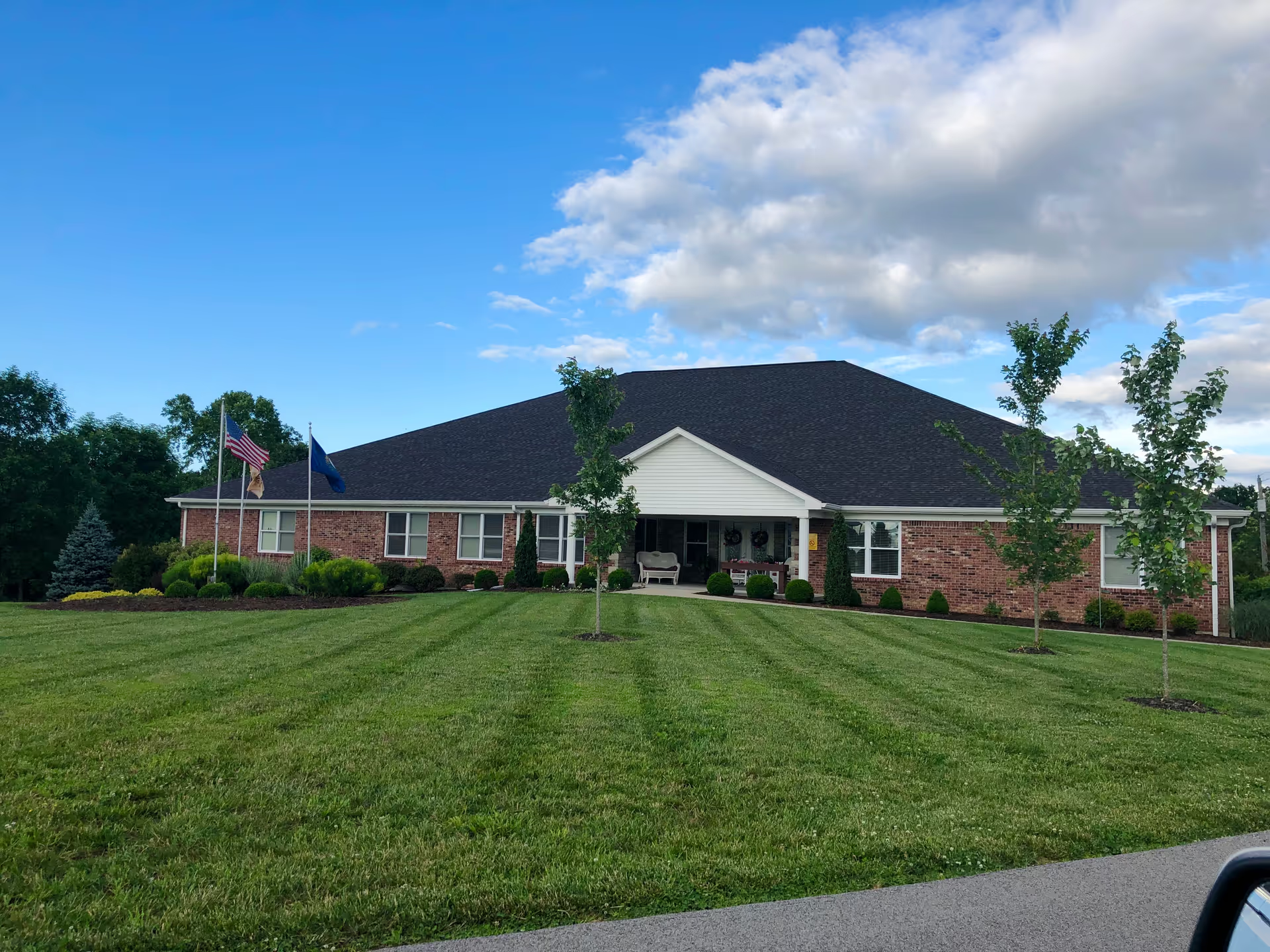
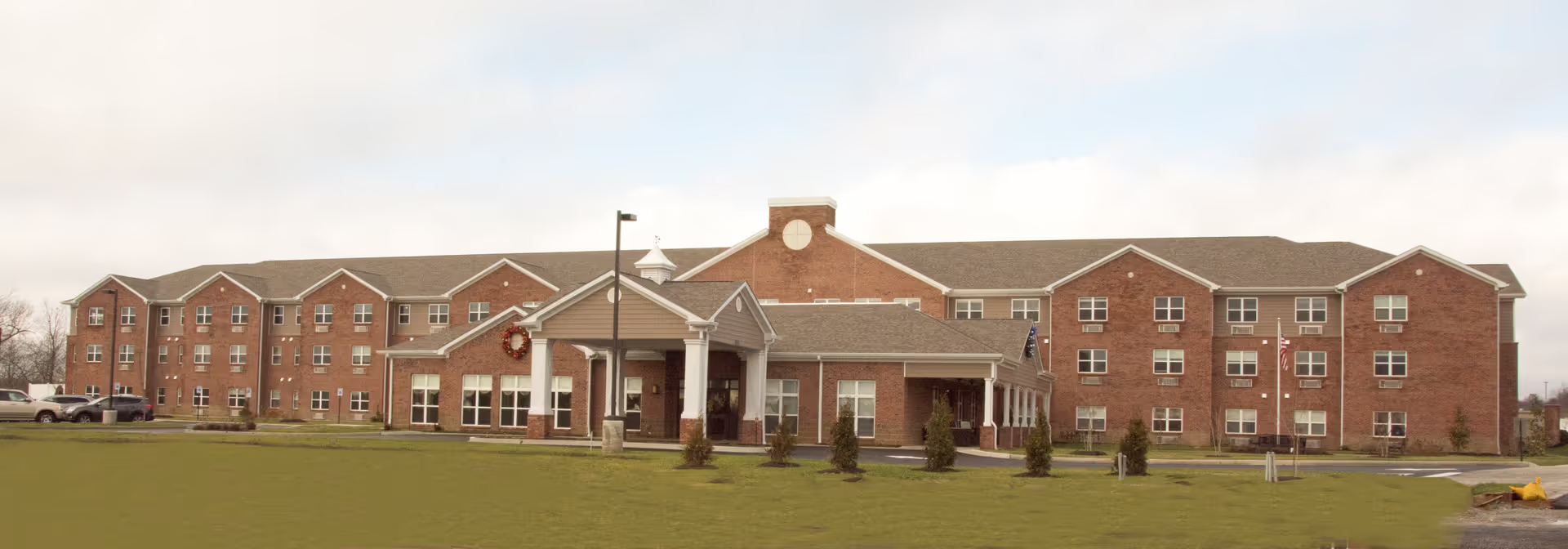
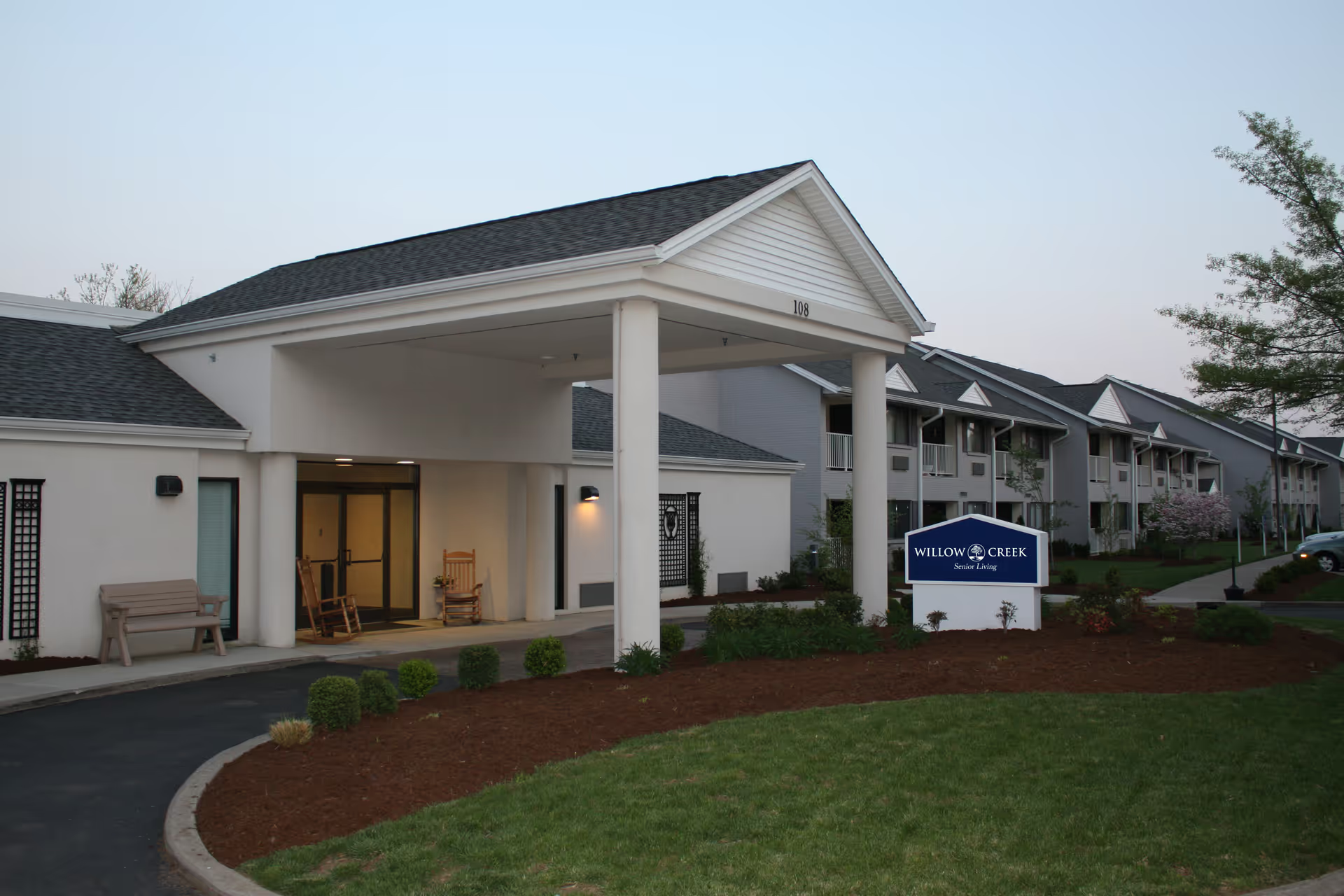
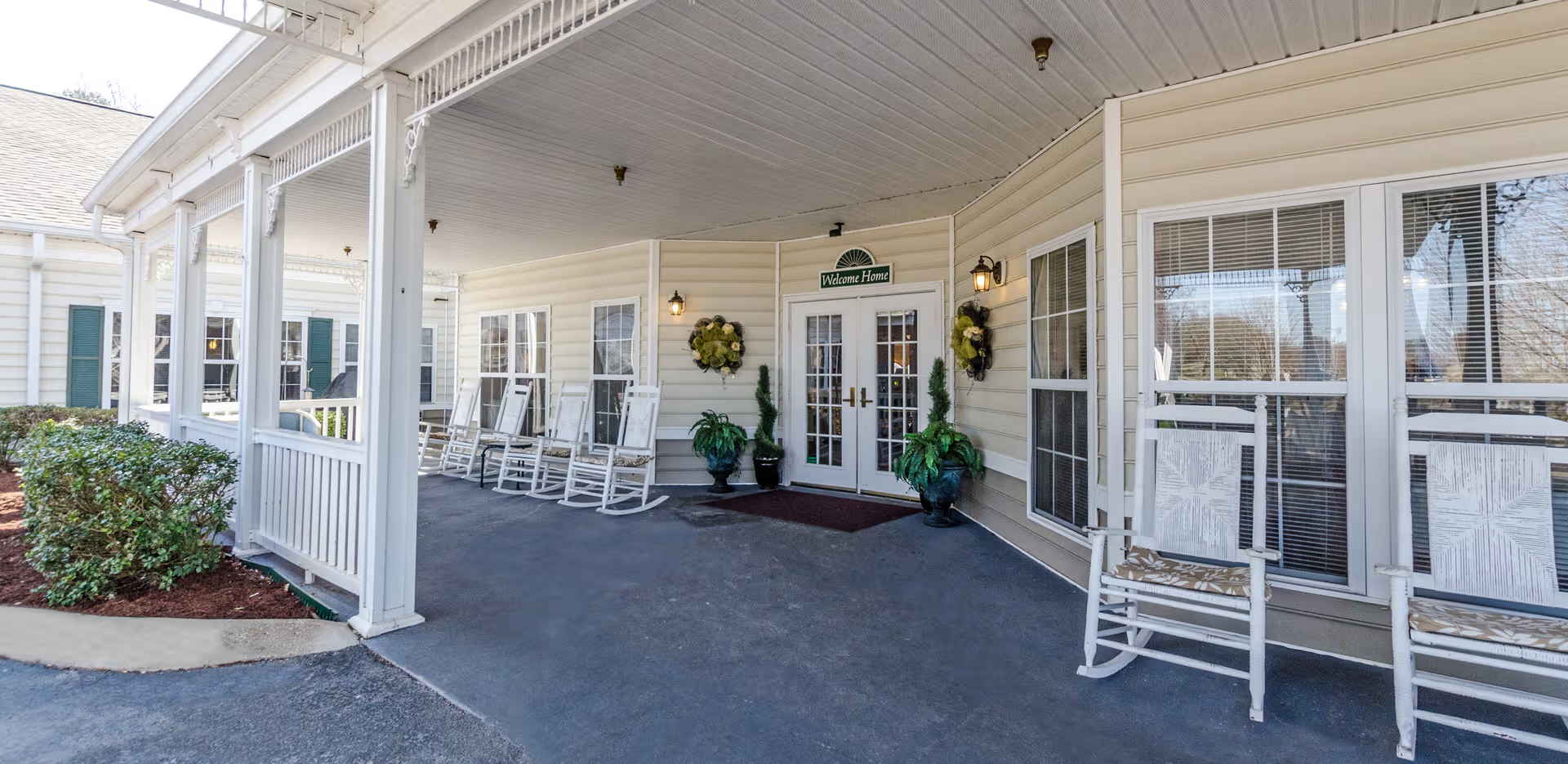
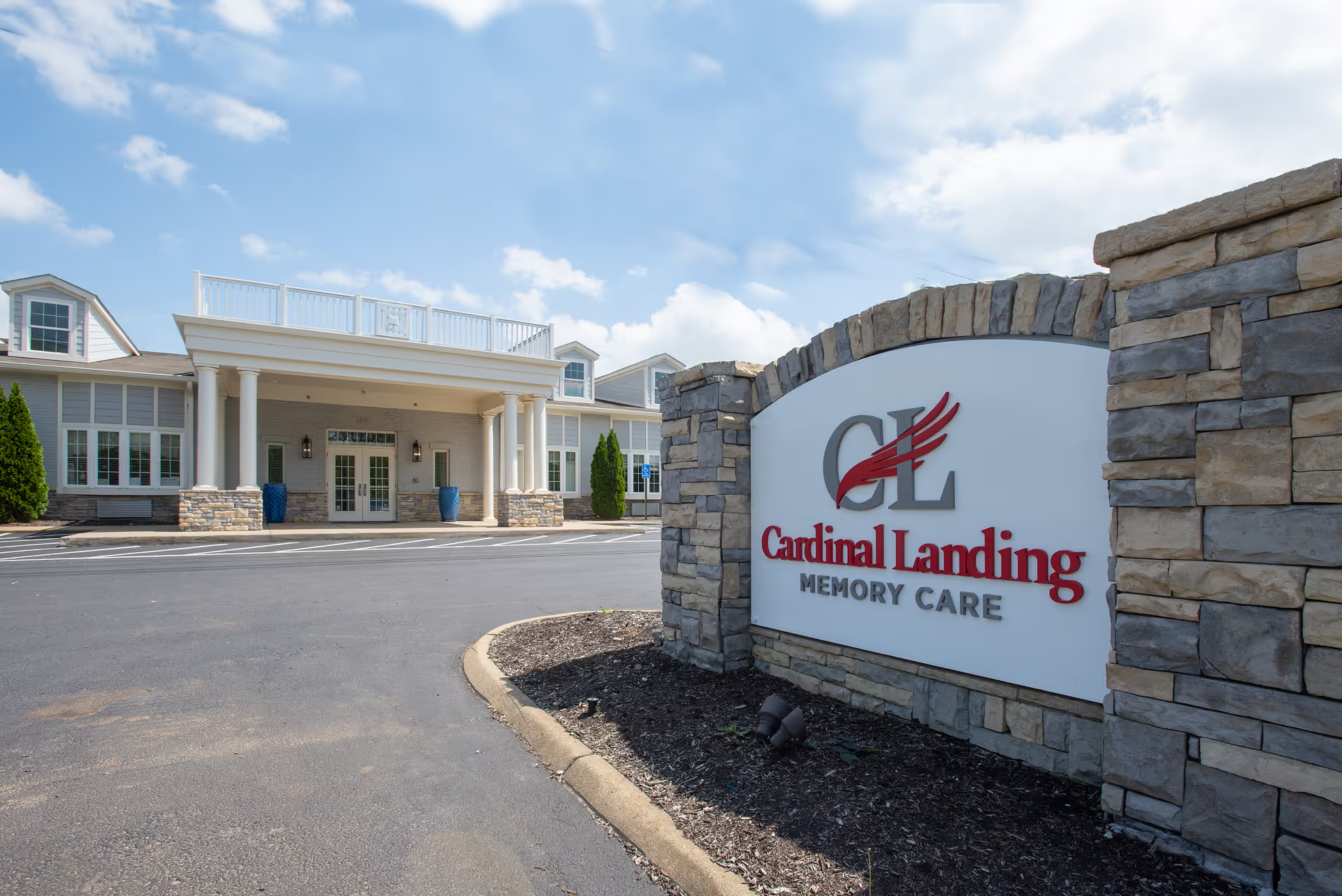
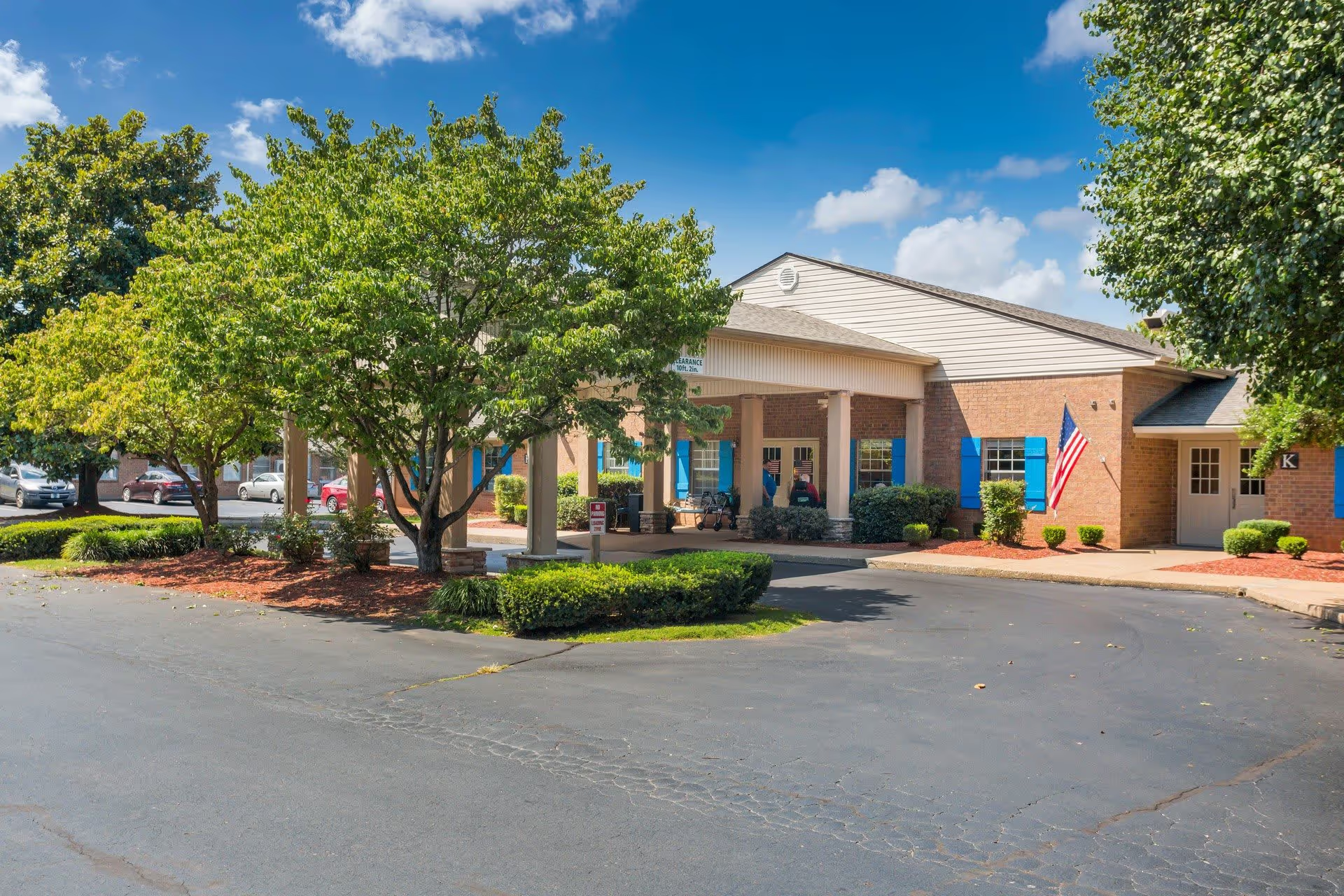
Overall impression is mixed: reviewers frequently praise the facility’s rehabilitation focus, private and spacious rooms, and a home-like atmosphere, while also identifying operational gaps that have affected some residents’ experiences. The center appears to serve both short-term rehab and longer-term residents, and several families credited the therapy team with successful returns home. Private rooms, secure premises, and family-friendly visiting conditions are recurring strengths.
Care and clinical services: Therapy and rehab receive consistently positive comments; physical and occupational therapy staff are described as effective and helpful for both short-term recovery and longer-term maintenance. Personal-care aides are often characterized as attentive, including for feeding assistance. At the same time, there are concerns about variability in overall clinical care quality. A notable pattern concerns mobility: some accounts indicate limited encouragement of ambulation and activity for certain residents, which families linked to functional decline. Prospective families should inquire about individualized mobility plans, frequency of walking/transfer assistance, and how the facility promotes activity over time.
Staff and management: Many reviewers describe staff as caring, friendly, and professional, and administrative staff are viewed as responsive when answering questions. However, there are repeated notes of inconsistent staff conduct—some staff are reported as rude or slow to respond—suggesting variability in training, supervision, or staffing continuity. Management strengths include organized activities and an active therapy program; areas to probe further include staff turnover, supervision practices, and communication protocols for clinical changes.
Dining and activities: The facility offers regular social programming, outdoor opportunities, and holiday celebrations that contribute to a home-like environment and positive visiting experiences. Opinions on dining are mixed: some families describe good food and helpful meal assistance, while others cite inconsistent meal presentation and quality. Activity programming appears satisfactory for social engagement but may be limited for cognitive stimulation for some residents; families seeking robust cognitive or restorative activities should ask for specific program schedules and examples.
Facilities and cleanliness: Private rooms and spacious visiting areas are commonly noted as advantages, and the center’s security measures are seen as positive. However, there are also reports of housekeeping and sanitation concerns, including occasional odor issues in some areas. These divergent impressions suggest variability in housekeeping consistency or in specific units; an in-person tour that includes less-trafficked areas and questions about cleaning protocols and frequency is advisable.
Notable patterns and considerations: The facility’s clear strengths are rehabilitation services, private room availability, and a generally home-like, family-friendly environment. Offsetting these strengths are recurring operational issues: inconsistent staff behavior, uneven clinical care quality, mobility-promotion gaps, variable dining experiences, and intermittent cleanliness/odor concerns. For families considering this center, recommended topics to address during a visit include individualized mobility and therapy plans, staffing continuity and training, dining menus and meal presentation practices, housekeeping schedules, and examples of cognitive-stimulation programming. These targeted questions can help determine whether the facility’s positive elements align with a prospective resident’s specific needs.