The reviews present a sharply mixed picture of care at the facility. Many families and residents describe kind, attentive staff and positive rehabilitation experiences, including meaningful gains in strength, mobility, awareness, and independence. Other accounts raise serious concerns about clinical monitoring, recognition of health changes, rehabilitation participation, and assistance with everyday needs. A few families describe difficulty getting concerns acted on or receiving timely care updates. These contrasting experiences suggest that care and follow-through may vary across residents, units, shifts, or periods of operation.
Staff members are frequently praised for patience, compassion, and professionalism. Reviewers also highlight helpful nurses, therapists, aides, activities staff, administrators, and business-office employees. In contrast, some describe staff as unresponsive or unhelpful, and report difficulty reaching staff by phone or obtaining call-backs. One reviewer raised concerns about racially divided assignments and discriminatory interactions among employees; this is a serious individual account, rather than a recurring theme across the set. Overall, communication and responsiveness appear less consistent than the many positive descriptions of staff relationships.
Rehabilitation and therapy are a notable strength in several accounts, with families describing coordinated support and progress during short- and longer-term stays. However, other reviews cite limited therapy participation or insufficient help with mobility, feeding, and other daily activities. Concerns also include delays in personal care, bathing, grooming, and medication administration, as well as whether care instructions are followed. Two families described serious concerns about changes in residents’ health not being recognized or escalated promptly; one also raised end-of-life care concerns following a resident’s death. These accounts are not evidence of a uniform experience, but warrant detailed questions about monitoring and escalation procedures.
Dining feedback is divided: some residents describe meals as good or very good, while others criticize food quality and the availability of vegetarian choices. Activities receive more consistently positive feedback, including social events, holiday programming, bingo, and birthday celebrations. Several visitors also describe residents as engaged and the atmosphere as warm and welcoming.
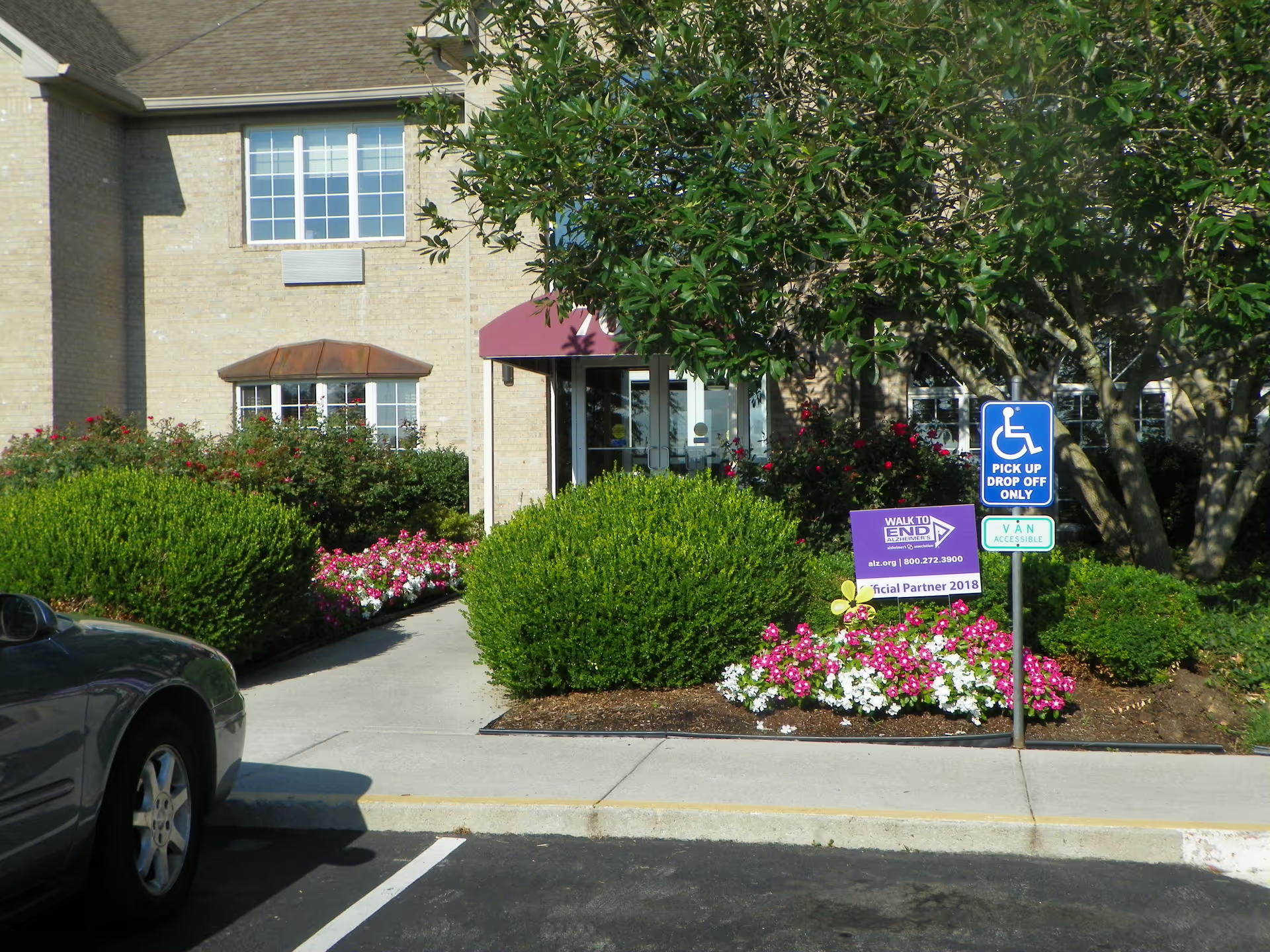
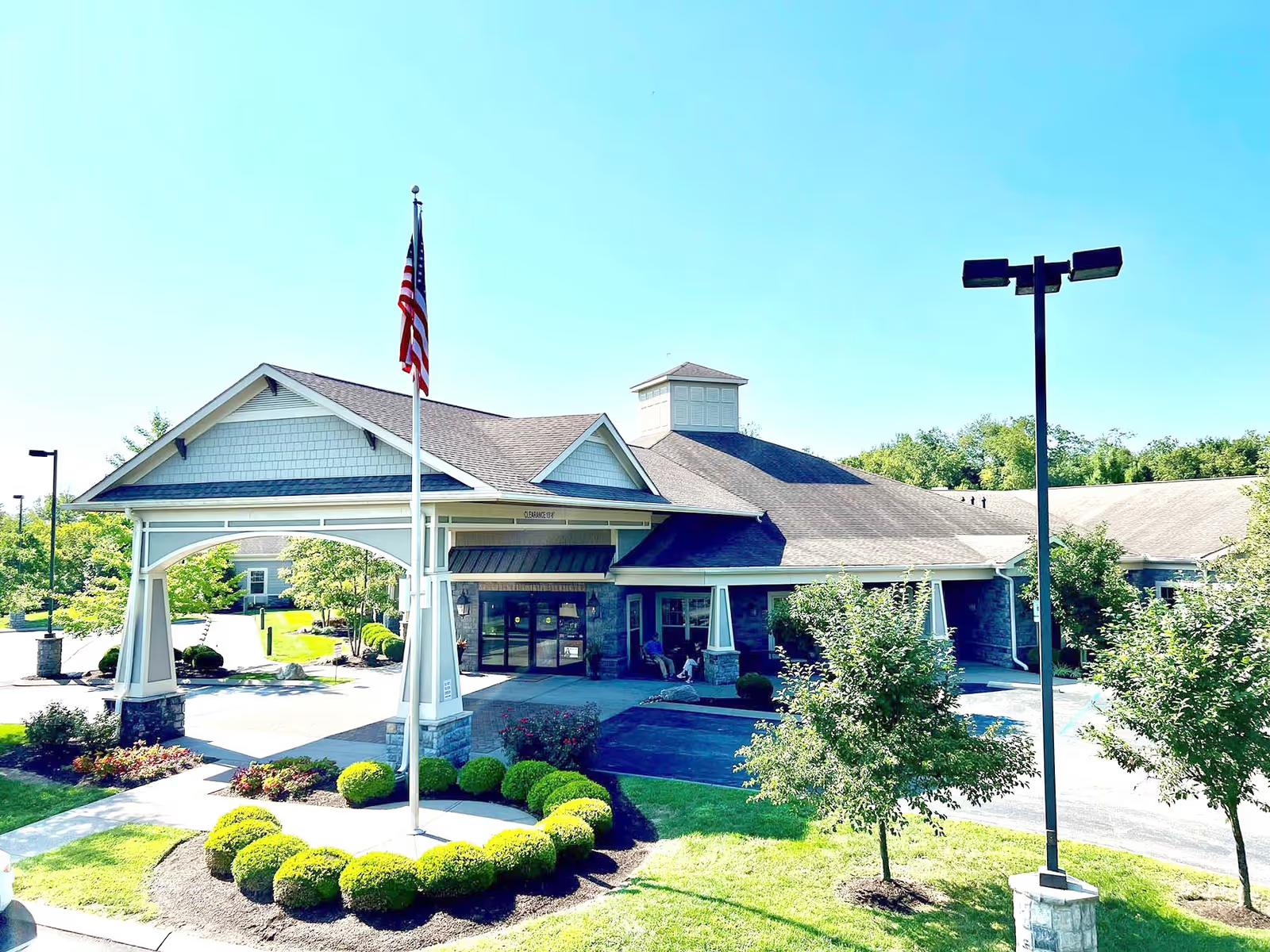
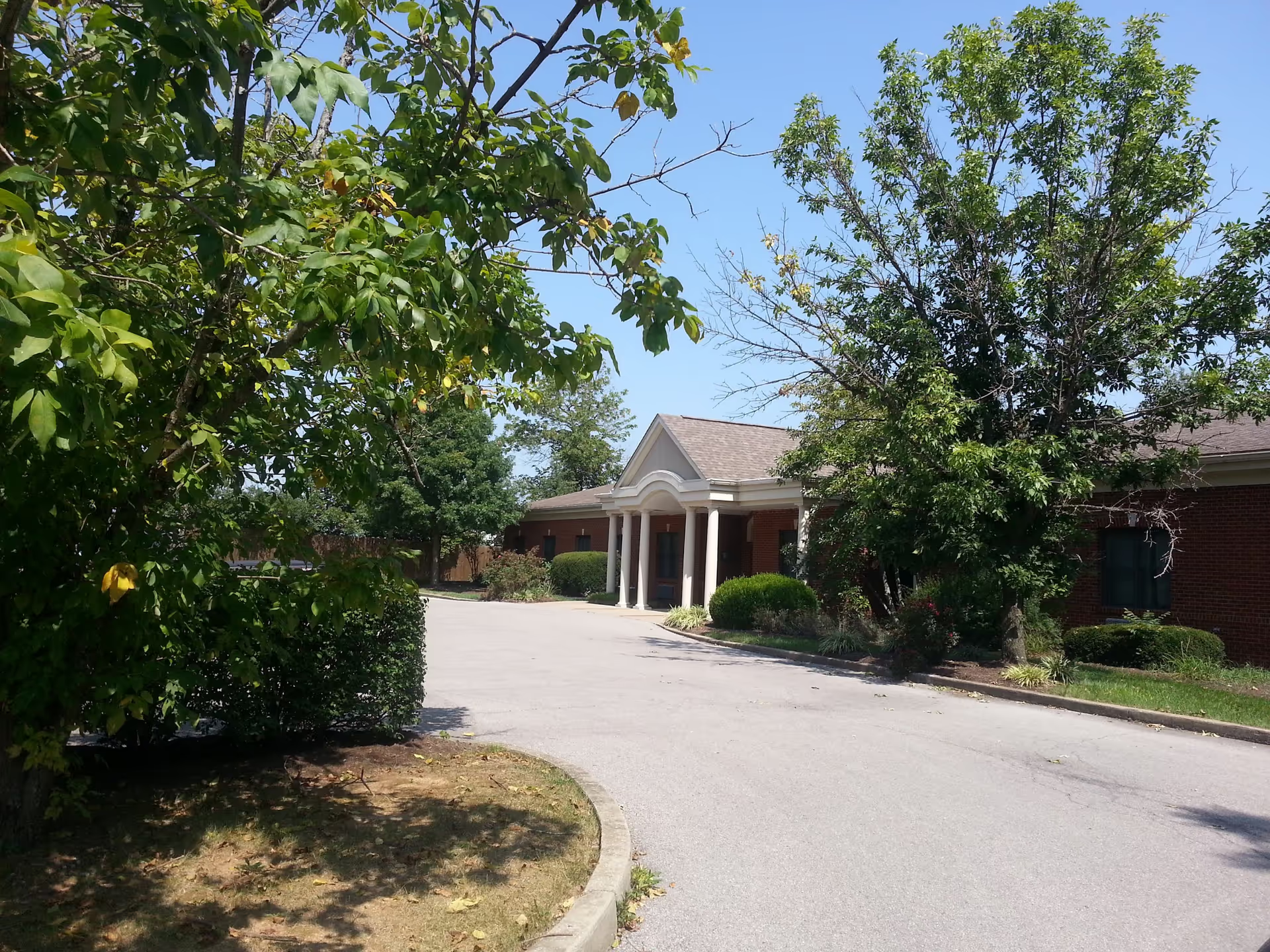
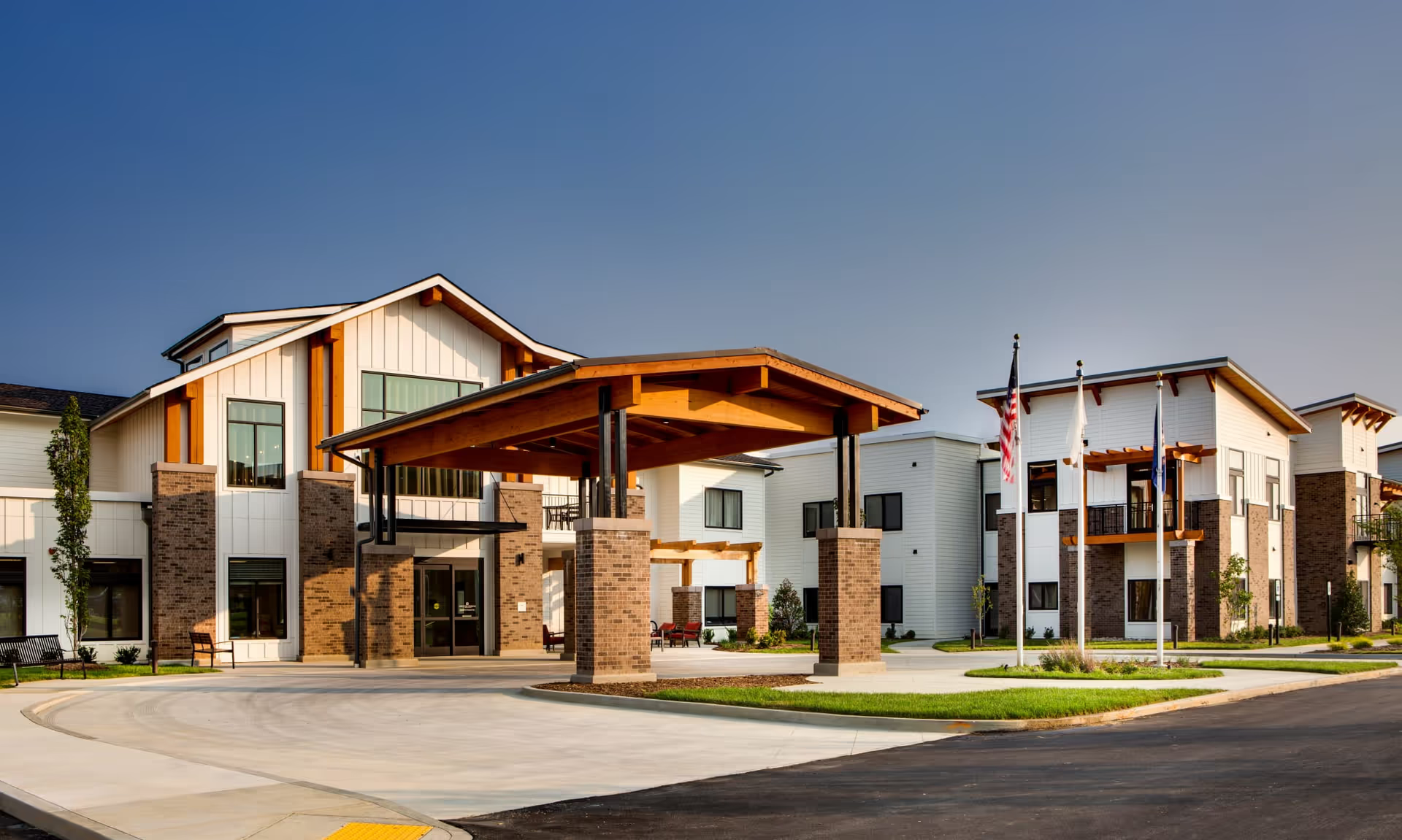
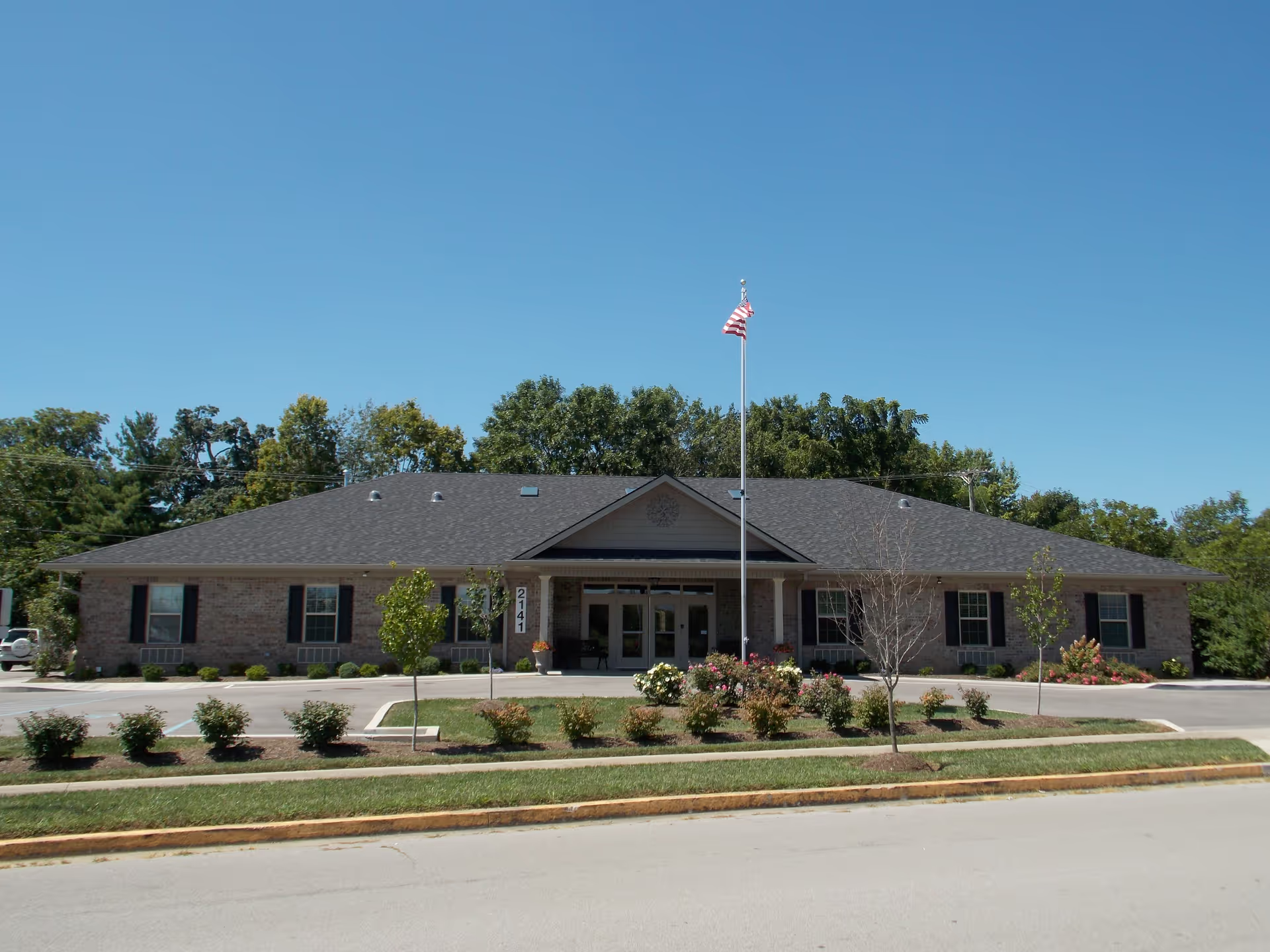
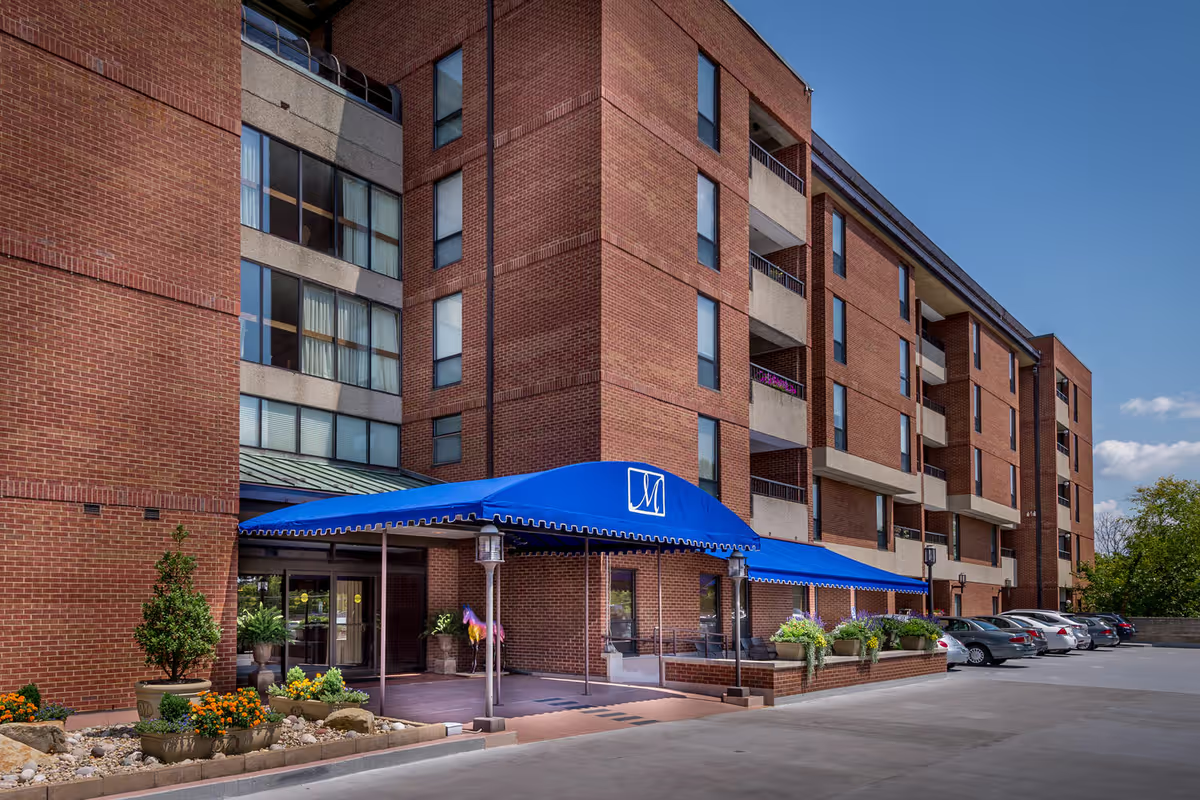
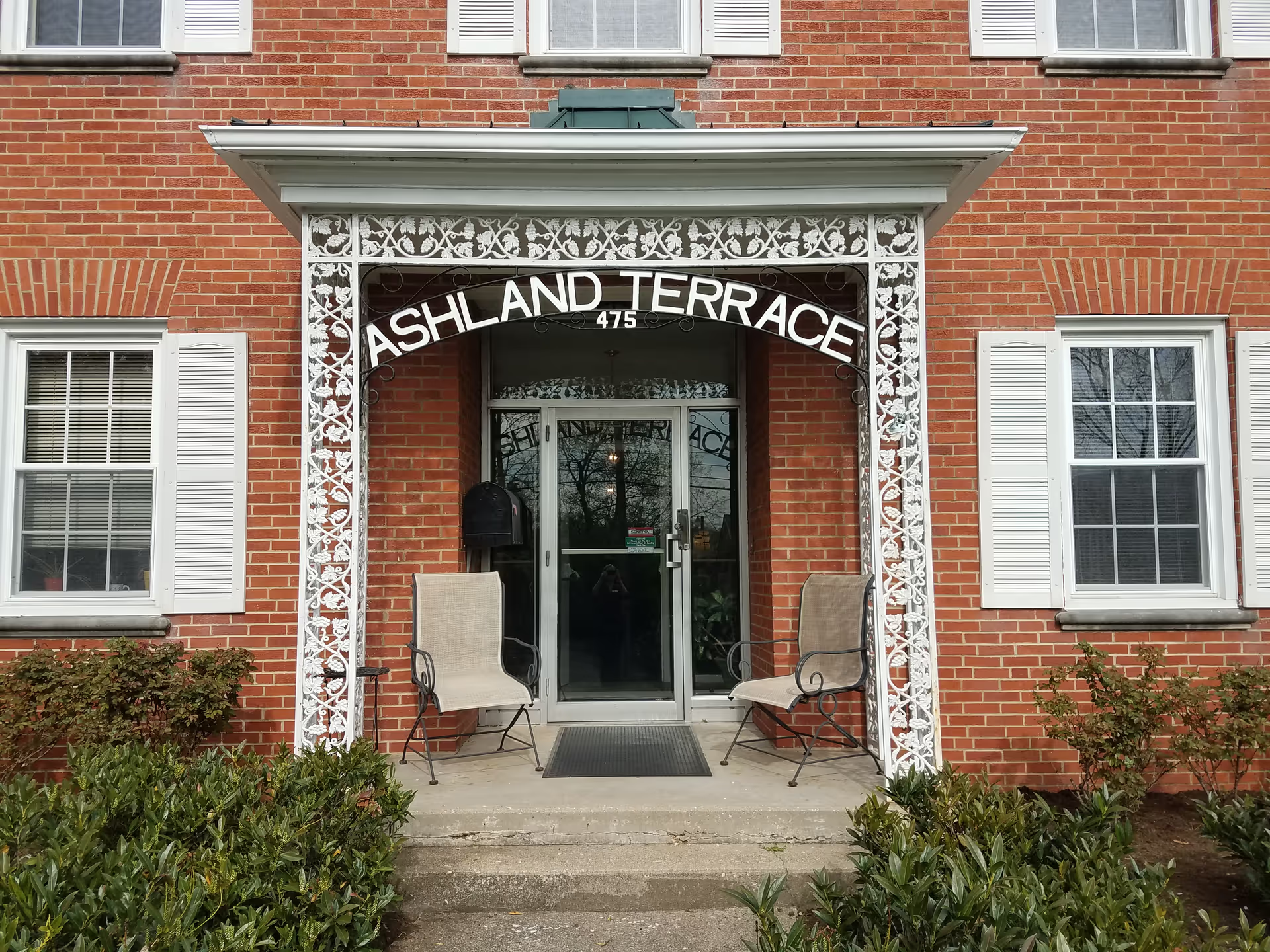
Facility impressions range from clean, attractive, and well maintained to concerns about room cleaning, linen changes, basic supplies, and maintenance. Some reviewers praise the rooms, building upkeep, and maintenance staff; others describe accessibility challenges for people using walkers or scooters, long distances to shared areas, and difficulty with entry doors. Reports about management are similarly mixed: some families commend administrators and unit leaders for being helpful, while others describe poor follow-through, phone access problems, and inconsistent billing, insurance guidance, or refund processing.
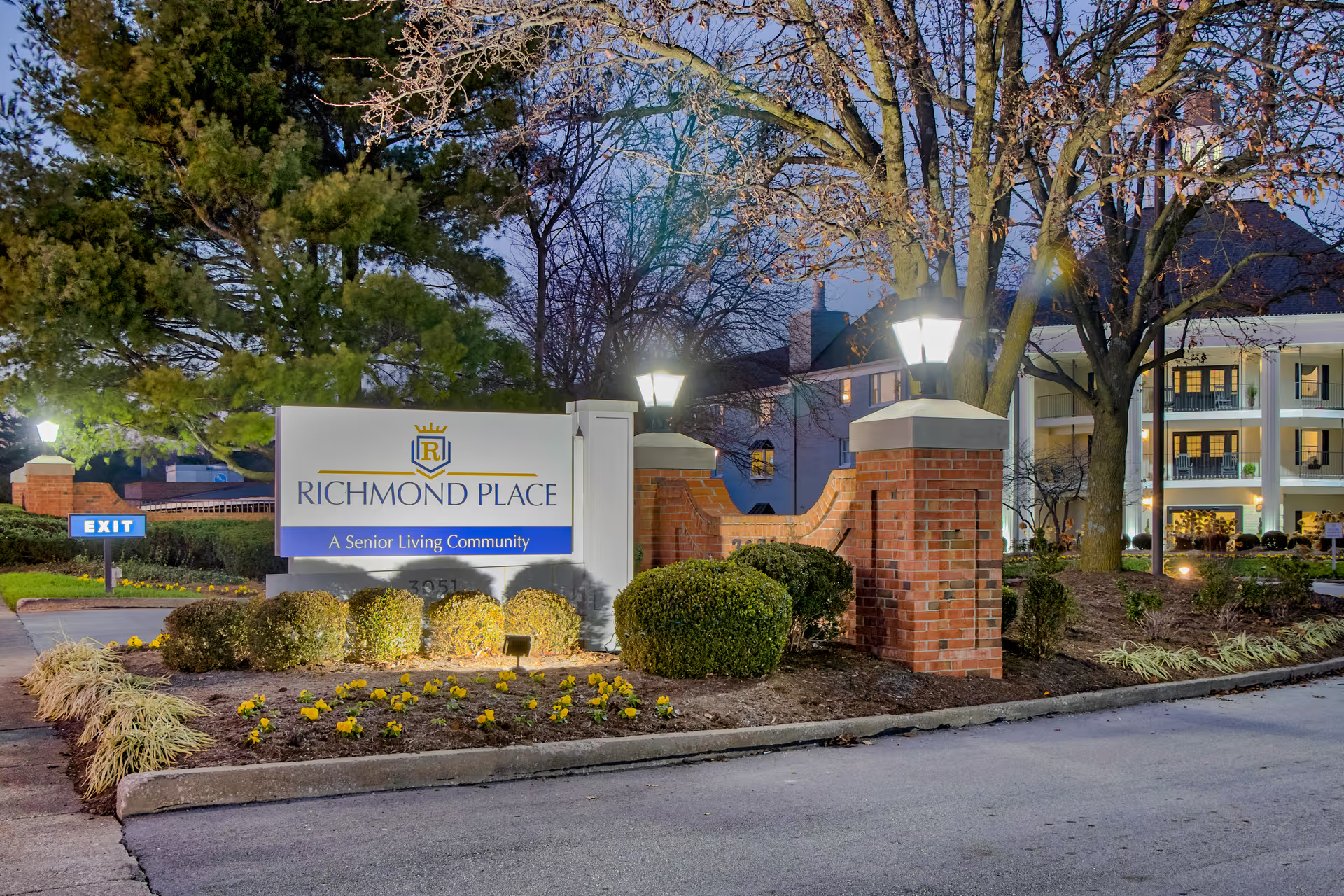
The review set uses several names, including Lexington Premier, Premier Rehab, Brookdale, and Richmond Place, and includes experiences from rehabilitation, nursing, and residential settings. It may therefore reflect different services, units, or periods of operation rather than one consistent care environment. Prospective residents and families may wish to ask about current staffing, clinical monitoring, therapy schedules, personal-care routines, meal options, visitor access, and billing practices, and to speak with staff responsible for the specific unit and level of care being considered.