Overall impression: Experiences at this facility are polarized. A substantial number of families and residents describe the staff as compassionate, professional, and attentive, particularly highlighting the therapy team, CNAs, and nurses who create a family-like environment and support successful short-term rehab discharges. Positive aspects include a strong, effective rehabilitation program, personalized therapy plans, flexible dietary accommodations, active engagement programs and events, accessible outdoor space, and generally clean, well-maintained public areas. Several reviewers also praised approachable leadership, coordinated social services, and the availability of specialized clinical services such as wound care and in‑SNF dialysis.
Care quality and staffing: Clinical care is frequently praised when staff levels and workflows are adequate — families noted attentive nursing, skilled therapy, and smooth care transitions. However, a recurring operational concern is inconsistent staffing, with evenings, weekends, and overnight shifts identified as times when response times and resident assistance degrade. That pattern is associated with delayed responses to call lights, slower assistance with activities of daily living, and uneven hygiene support. Medication-management gaps were also cited, indicating a need to verify pharmacy and nursing medication-administration protocols during admissions and stays.
Dining and housekeeping: Dietary services receive mixed feedback. Some families appreciate flexible meal preparation and accommodating kitchen staff, while others describe inconsistent meal quality and portions. Housekeeping and overall sanitation are likewise mixed: many note attentive housekeeping and a pleasant lobby, yet there are intermittent cleanliness and odor concerns in certain areas and variability linked to staffing or renovation activity.
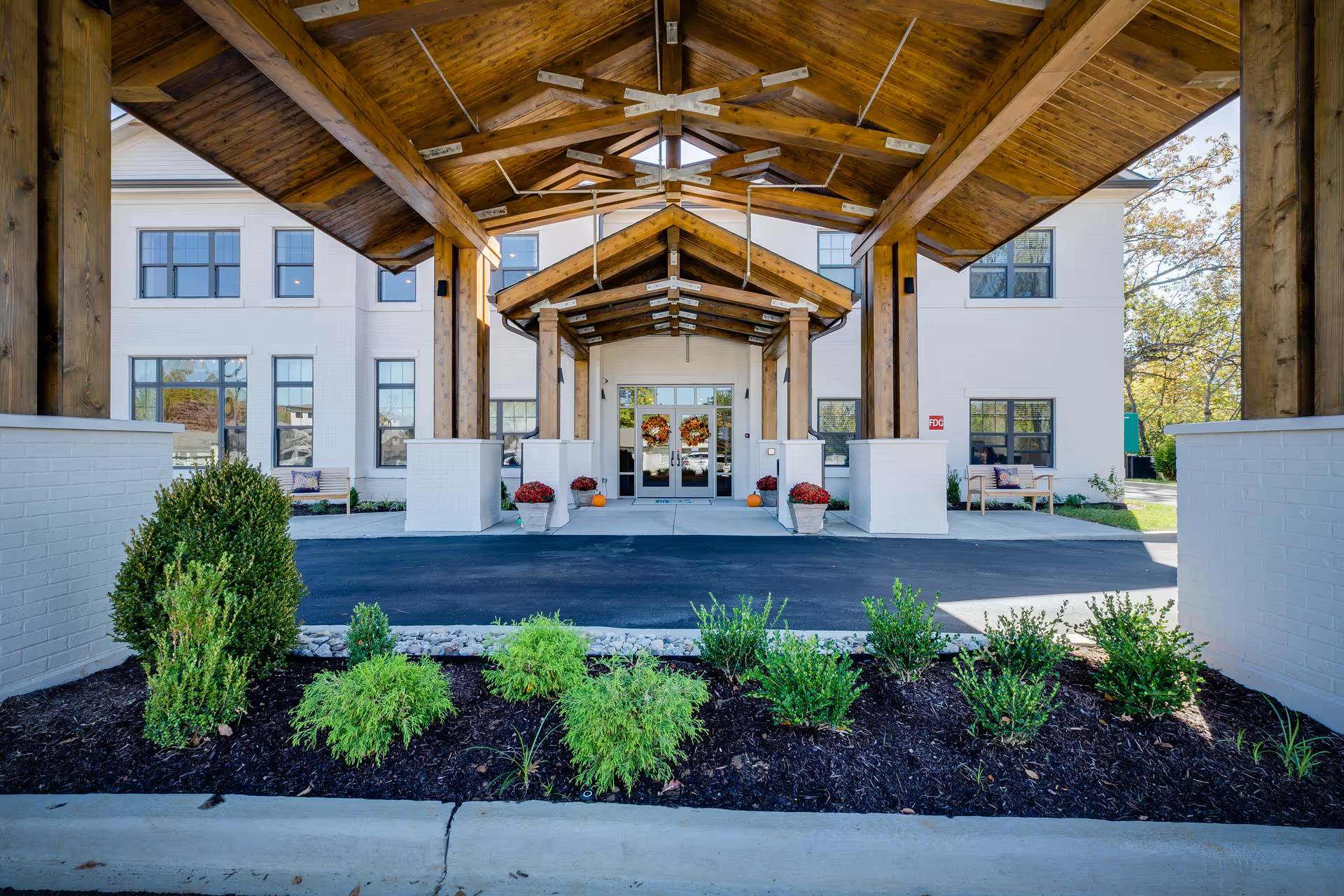
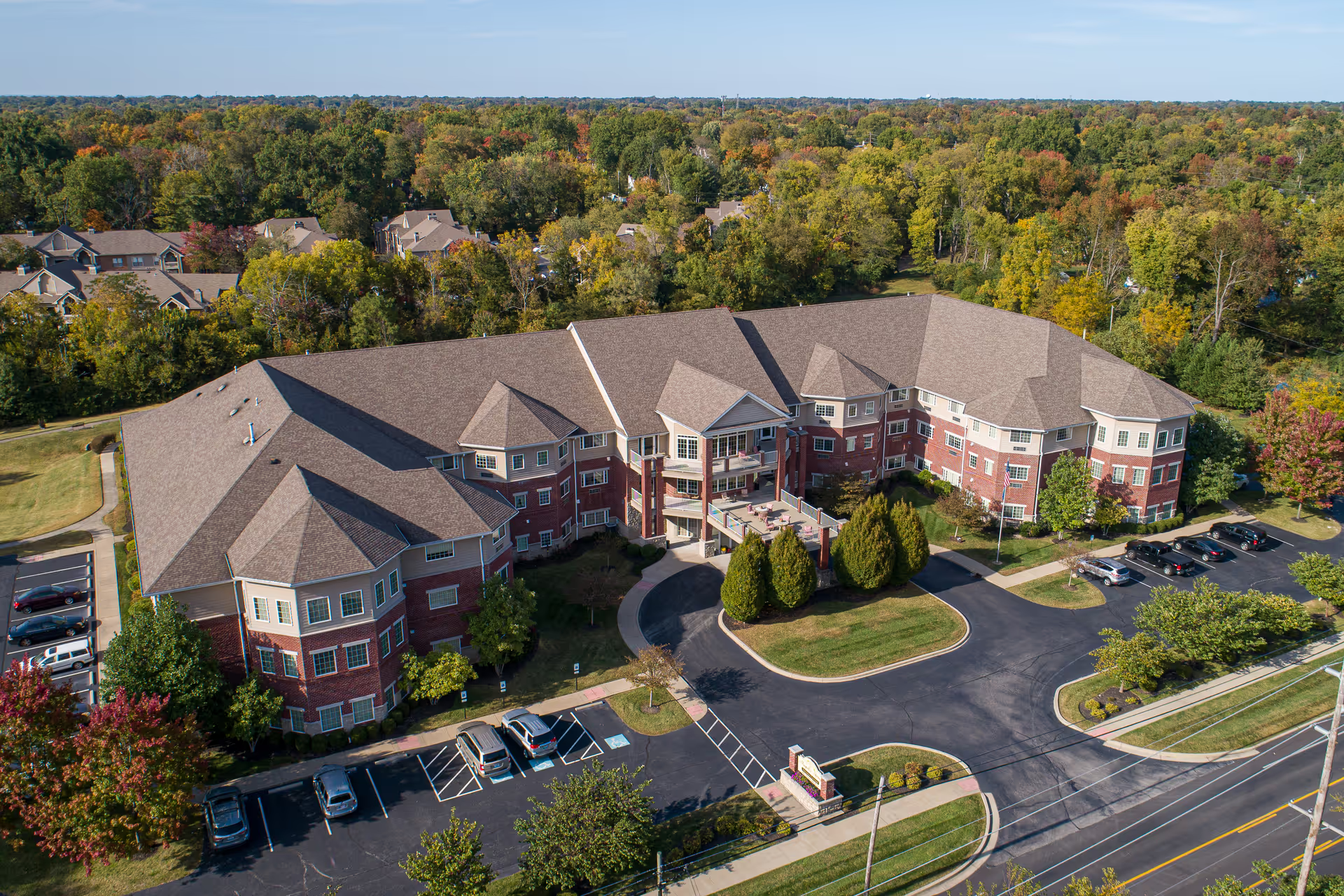
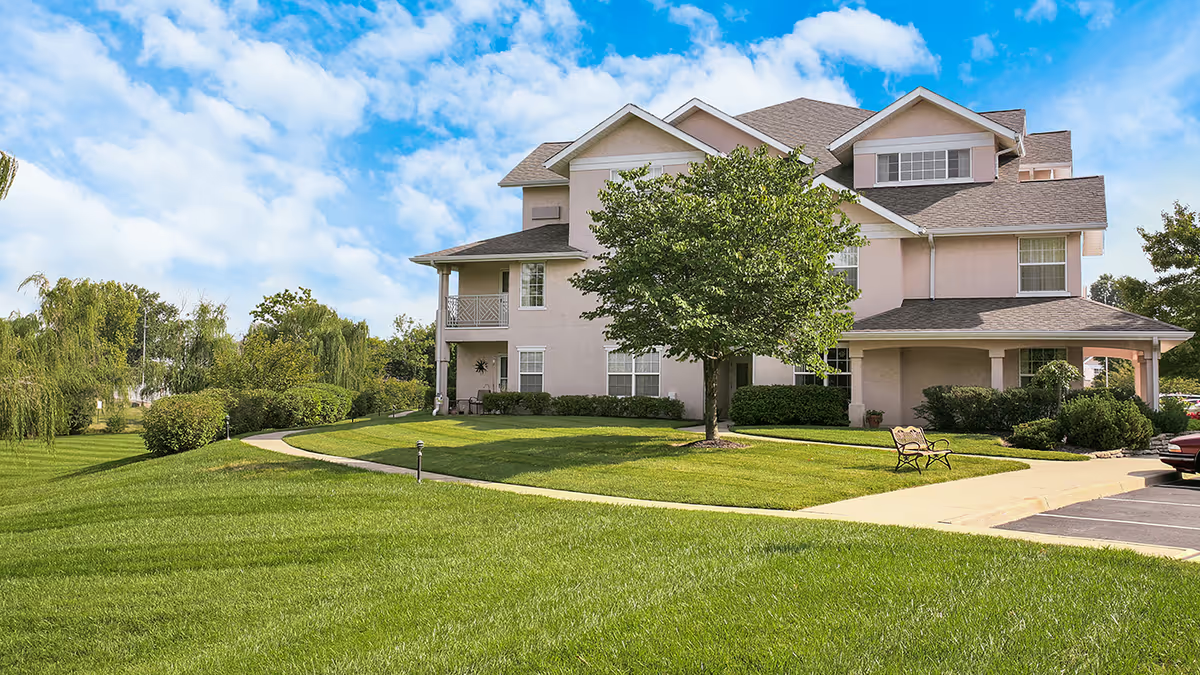
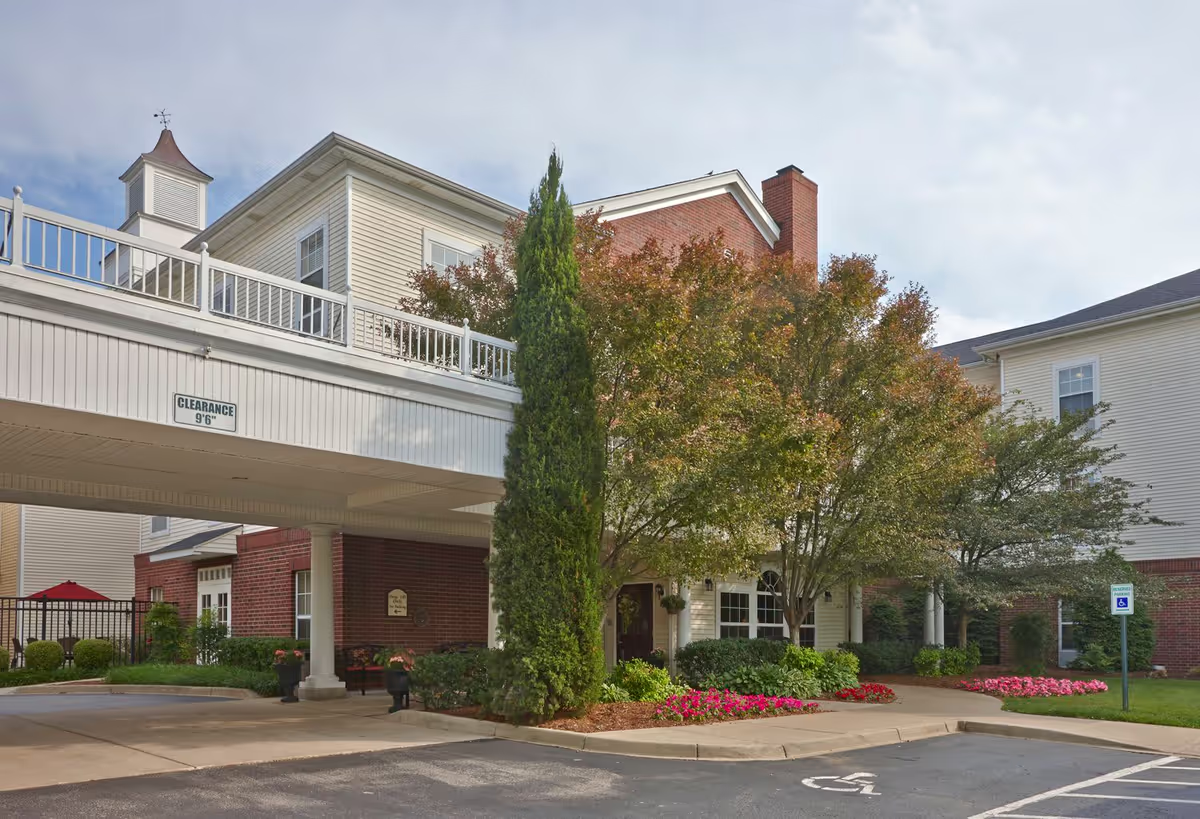
Activities and environment: The facility scores well for social programming, recreational events, and a welcoming, family-like culture. Organized activities, family events, and an inviting common space contribute positively to residents’ quality of life. Physical spaces are described as updated in many areas (new furniture, lobby improvements), with ongoing renovations creating some variability in appearance across wings.
Management and communication: Leadership and social services receive both praise and critique. Several families found administrators and social workers approachable and effective at resolving issues; others experienced poor communication, perceived dismissive front‑desk interactions, and dissatisfaction with how clinical or end-of-life concerns were handled. There are also allegations concerning financial or regulatory matters; these are serious and should prompt prospective families to ask the facility for documentation of any surveys, citations, or corrective actions.
Notable patterns and recommendations: The dominant positive themes are strong rehabilitation outcomes, compassionate direct-care staff, and an engaging activity program. The dominant negative themes are operational: understaffing at certain times, delayed assistance, inconsistent medication and hygiene practices, and variability in dining and housekeeping. Prospective residents and families would benefit from focused questions during visits: typical staffing ratios by shift, average response times to call lights, medication-administration safeguards, cleanliness protocols during renovations, dining menus and portion policies, and any recent regulatory actions or corrective plans. That due diligence will help align expectations with the facility’s strengths and address the operational areas where experiences have varied.