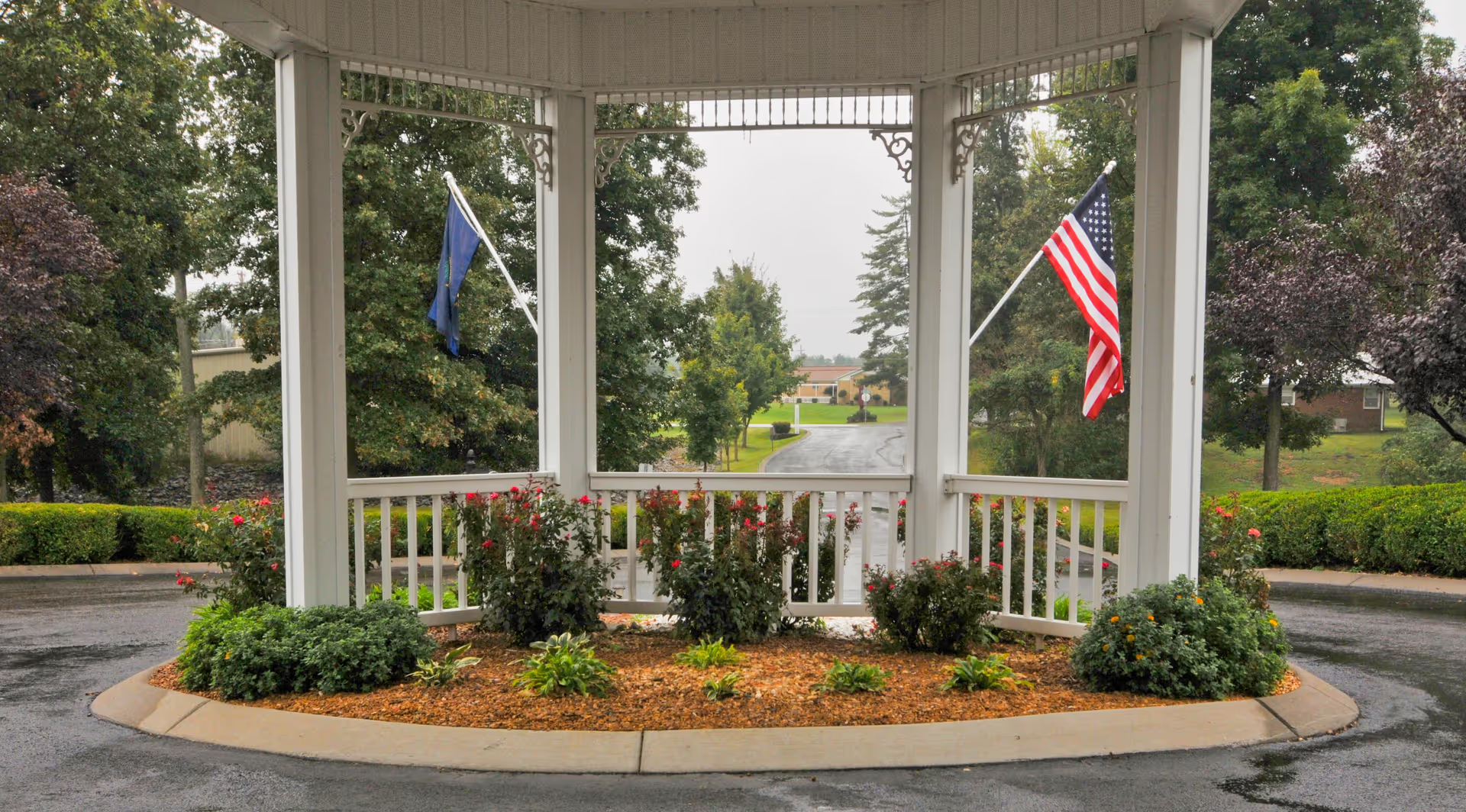
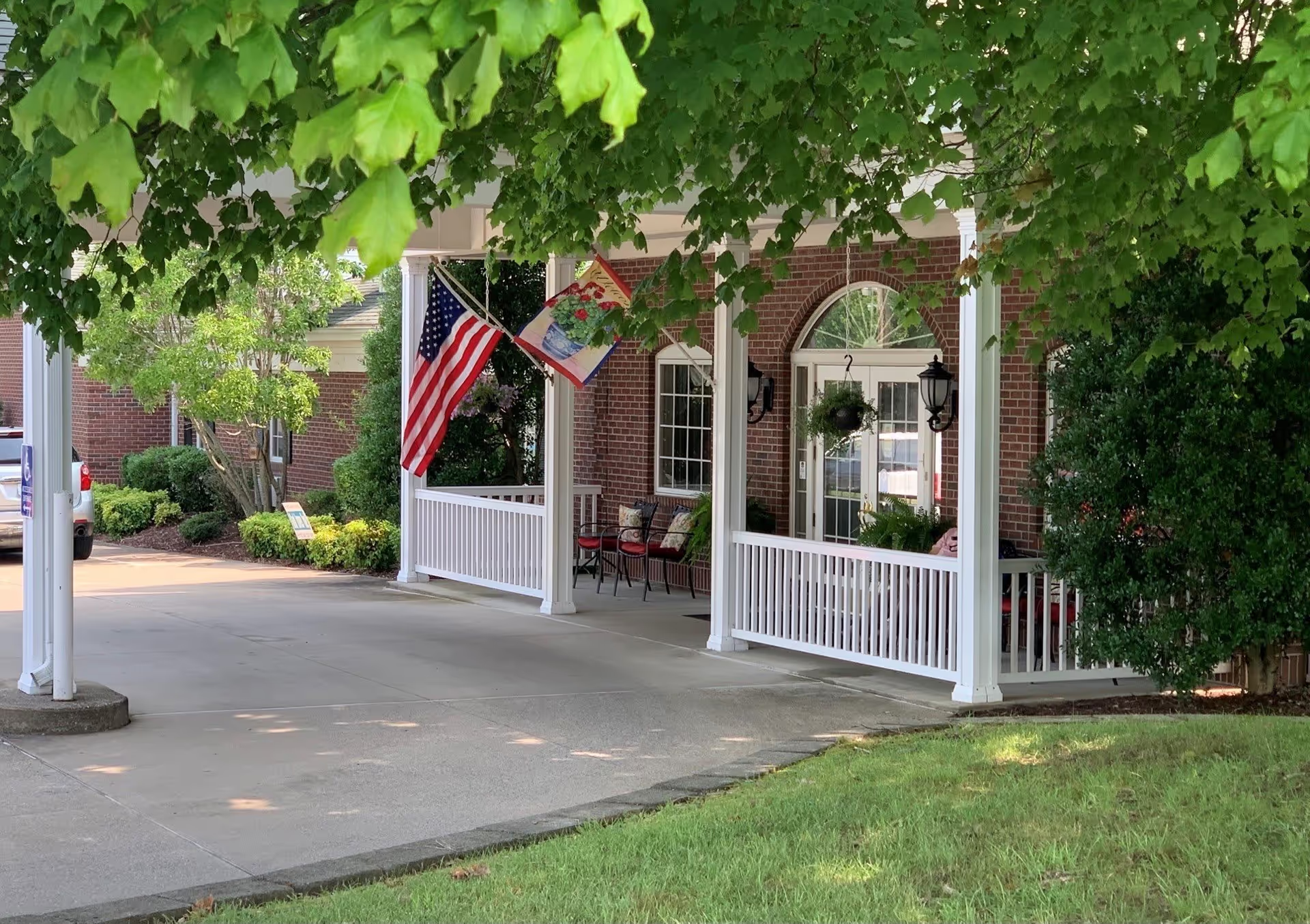
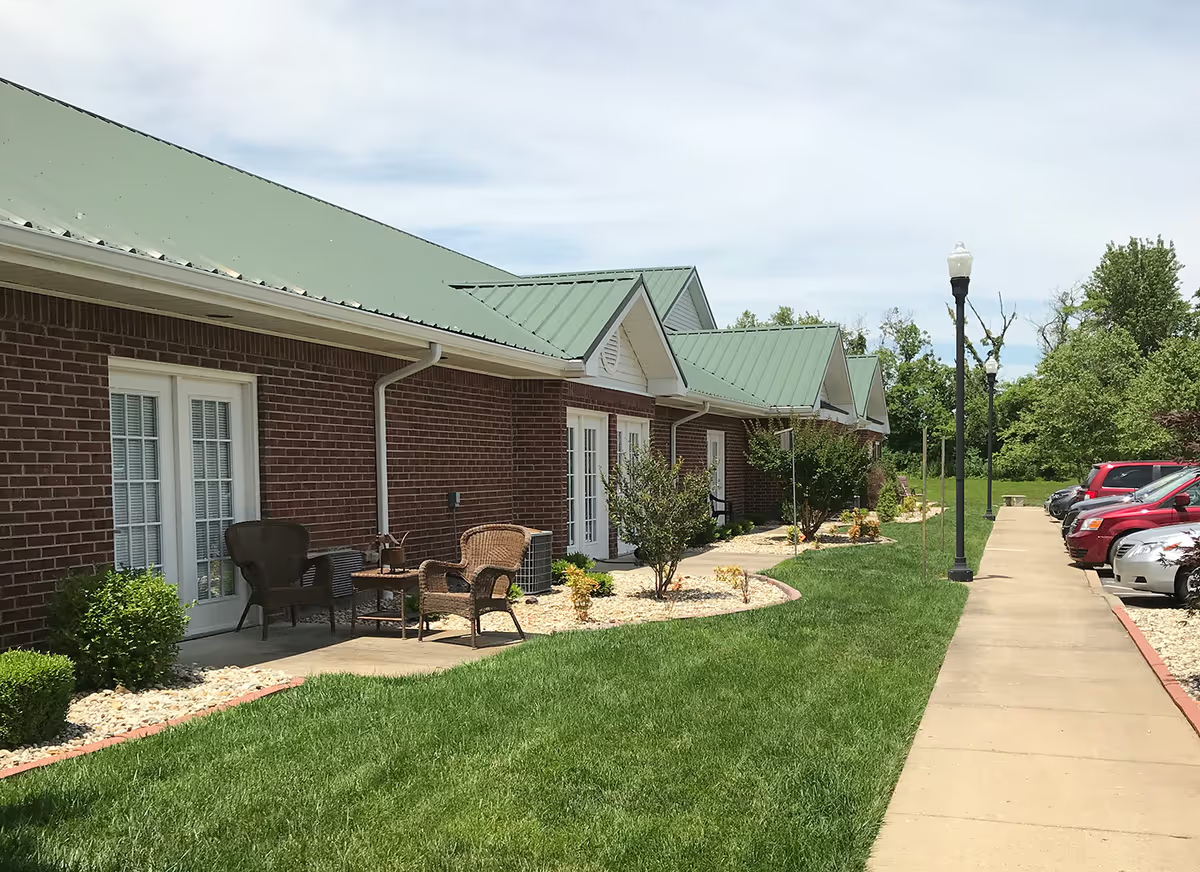
Mills Nursing & Rehabilitation is described primarily as a staff-centered facility, with many families emphasizing compassionate, attentive nursing and caregiving personnel and a therapy team that produces strong short-term rehabilitation outcomes. Reviewers frequently cite effective physical and occupational therapy (including notable gains such as regained ambulation), timely laundry and room maintenance, and an activities program that offers daily engagement, bingo, beautician services, and outdoor social spaces. Safety measures such as lowered beds, bed mats, and rails are highlighted alongside amenities like included TV/phone service and a gazebo/closed porch area.
Care quality presents a generally positive picture for short-term and rehabilitative stays: therapy services and hands-on nursing care are repeatedly praised, and families commonly describe regular progress updates and a family-like culture among staff. Cleanliness and punctual support services (laundry, beautician visits) are also cited as strengths, contributing to resident comfort and family peace of mind. Management practices that support family communication—weekly or phone updates—are noted as helpful by many families.
Areas for improvement cluster around communication, continuity, and long-term residential care. Several families raised concerns about end-of-life communication and family notification, and a few described lapses in responsiveness during acute changes in condition. Reviewers also indicated variability in the facility’s performance for long-term custodial care versus short-term rehabilitation, suggesting the facility is comparatively stronger as a rehab provider than as a permanent residence. Coordination with outside palliative or clinical vendors and occasional issues with the tone or professionalism of certain clinical interactions were also mentioned.
Operationally, reviewers point to intermittent delays or inconsistency in initiating therapy or full-meal service for some residents, and some found visitation policies to be restrictive. These items suggest opportunities for the facility to standardize clinical handoffs, clarify end-of-life notification protocols, and review visitation flexibility. Overall, prospective residents and families can expect a caring, safety-conscious environment with strong rehabilitative services and an active activities program; families who prioritize consistent long-term residential practices and seamless palliative coordination should specifically discuss those areas with facility leadership during the decision process.