Overall impression: Morgantown Care & Rehabilitation Center elicits strongly mixed but actionable feedback. Many families and former patients emphasize a warm, family-like culture, strong rehabilitation services, and supportive business-office practices; however, recurring operational themes — principally around communication, cleanliness, and consistency — were raised by other reviewers. Prospective residents and families will find clear strengths to weigh against areas that may require monitoring or direct inquiry.
Care and staff: A dominant positive theme is the facility’s caregiving culture. Reviewers frequently describe compassionate, attentive CNAs and nurses who foster a home‑style atmosphere and visible camaraderie with residents. Multiple comments cite helpful, dedicated staff and highlight specific staff members and the business office as strong points. At the same time, reviewers describe variability in staff performance and occasional delays in responsiveness; this suggests that caregiving quality can be excellent but may be uneven depending on shift, unit, or staff assignment.
Rehabilitation and clinical services: The therapy department receives consistent praise for effective rehab programming and documented rehab‑to‑home successes. The multi‑disciplinary approach (nursing, therapy, social services, dietary, activities) is noted as a strength for short‑term rehab and respite care. There are, however, isolated concerns about documentation and consent practices; families should confirm the facility’s consent and clinical‑documentation protocols during intake and care transitions.
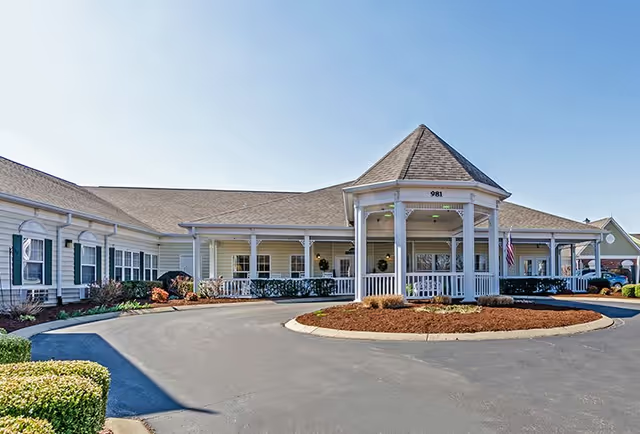
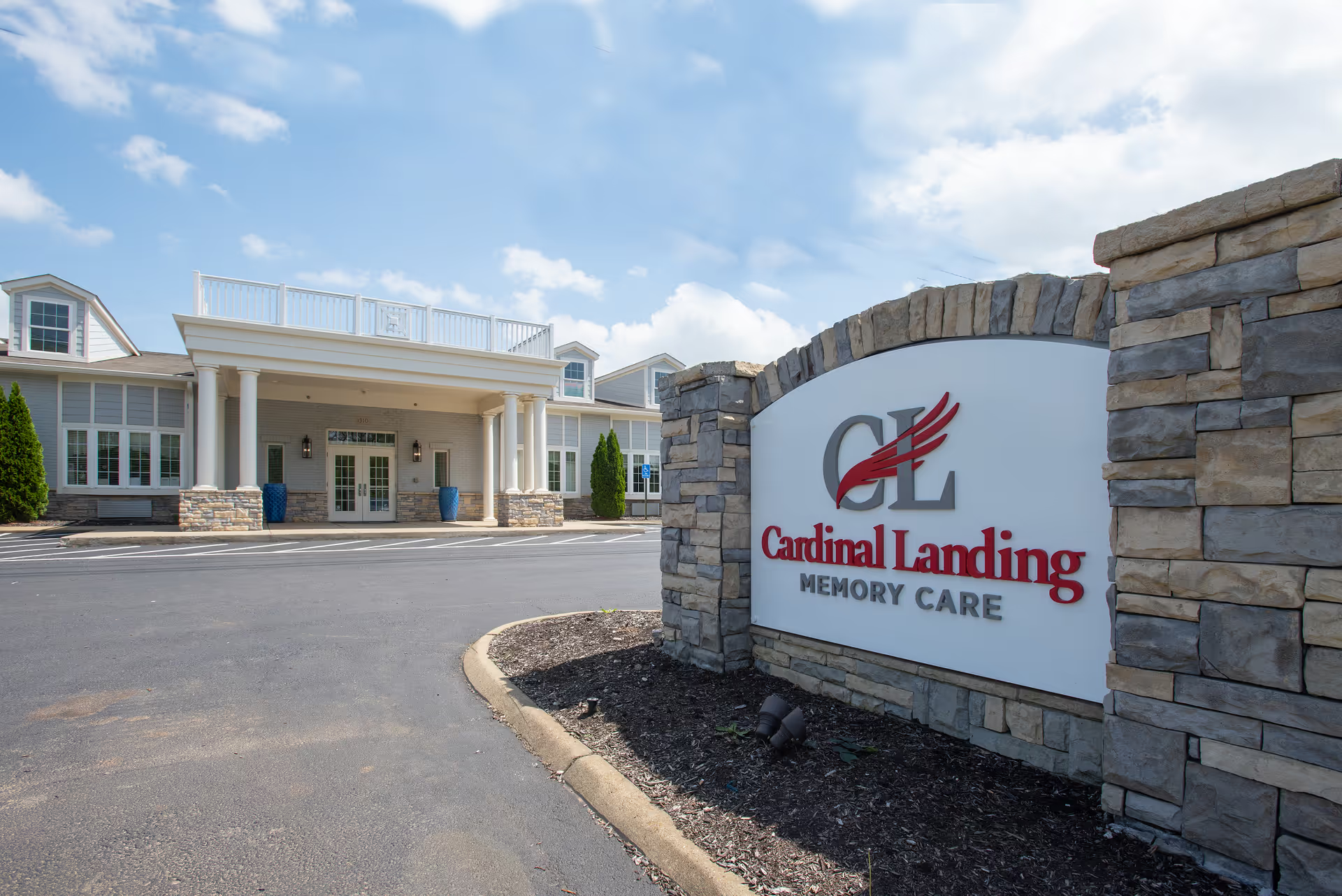
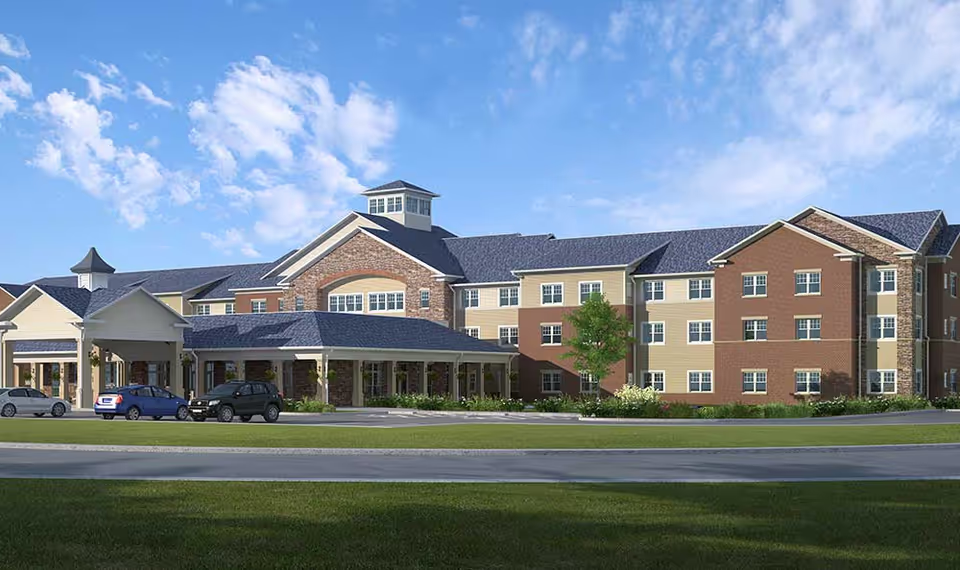
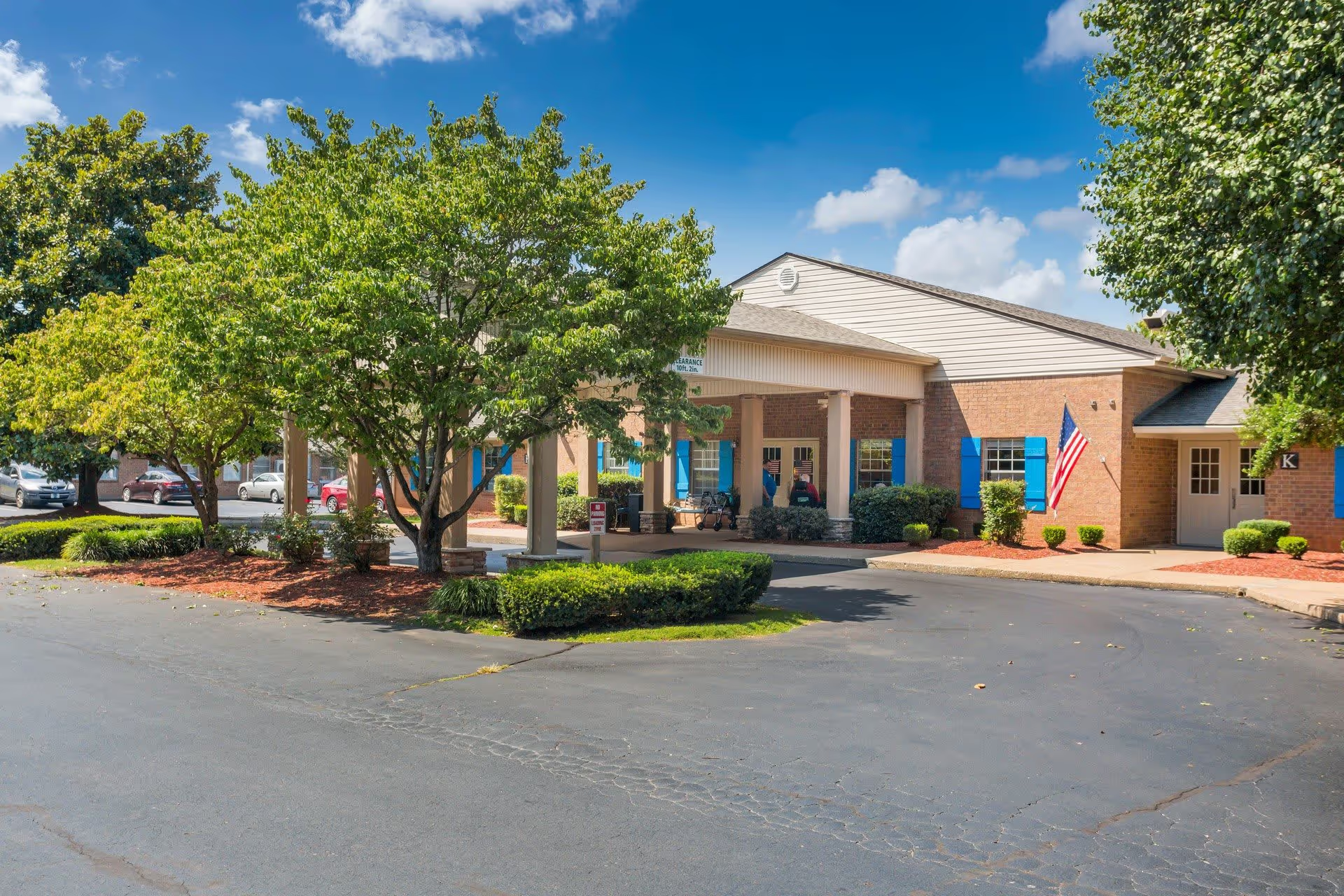
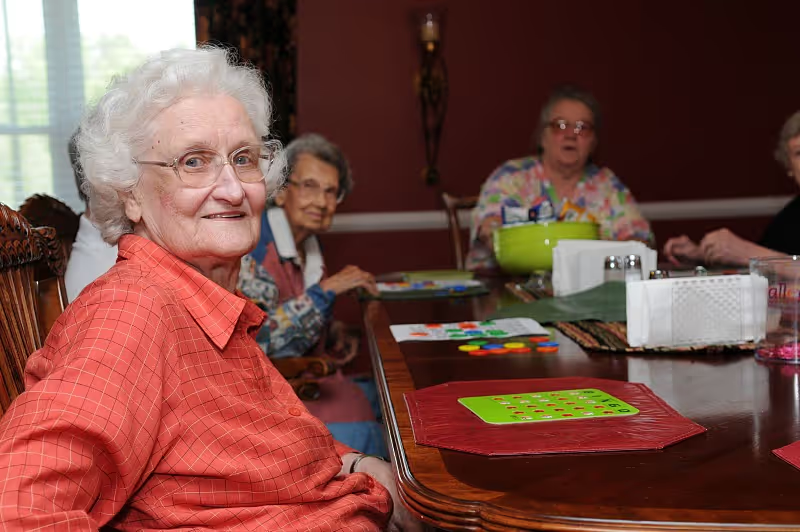
Activities, dining, and facilities: Many reviewers describe an engaging activity schedule, music, games, and social opportunities that contribute to residents’ sense of belonging. The building and common areas are often called clean and attractive, and visitors noted a welcoming atmosphere. A few reviewers felt that publicity images set expectations that did not match their experience, so prospective visitors should view the space in person. Reviews provided limited consistent detail about dining quality; that is an area to assess during a visit.
Management, administration, and operations: The business office and an identified office manager receive strong, repeated praise for accurate billing, Medicaid handling, and patient advocacy. Conversely, a pattern of administrative communication issues appears in several accounts: delayed or unanswered calls from leadership, last‑minute room moves without family notification, and scheduling/rescheduling problems. There are also operational concerns about belongings tracking and laundry management and intermittent sanitation and pest‑control issues. Visitation practices were described as both flexible (window/video visits) and restrictive by different reviewers, indicating variability in policy implementation.
What to watch for and recommended questions: If you or a family member are considering this facility, verify staffing consistency for the unit of interest, ask how the facility documents and communicates room changes and clinical decisions, inquire about laundry and personal‑belongings protocols, and request information on infection‑control, pest‑control, and sanitation monitoring. Confirm consent procedures (for vaccines and other clinical interventions) and ask to meet the therapy team if short‑term rehabilitation is the goal. Finally, observe an activity period and mealtime to evaluate social engagement and dining quality firsthand.
In sum, Morgantown Care & Rehabilitation Center presents several clear strengths—particularly in person‑centered caregiving, therapy services, and business-office support—offset by operational inconsistencies in communication, cleanliness, and some administrative practices. These are addressable issues but important to verify during an in‑person tour and family conversation with facility leadership.