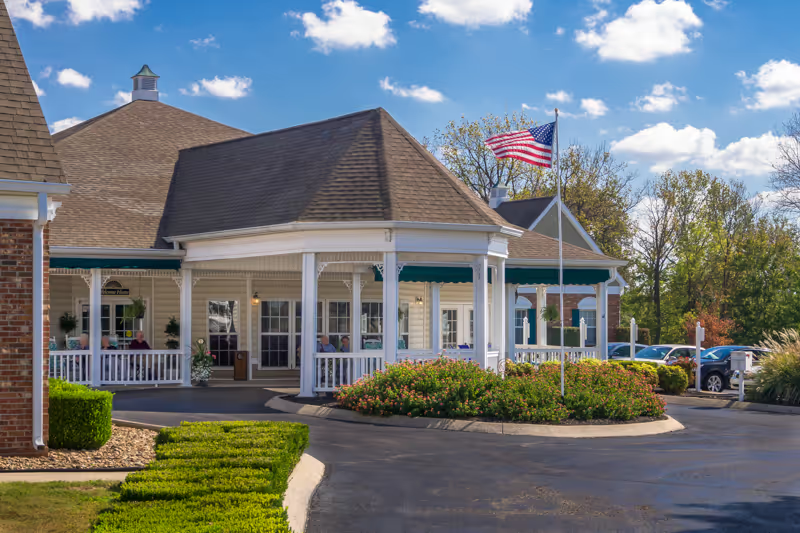
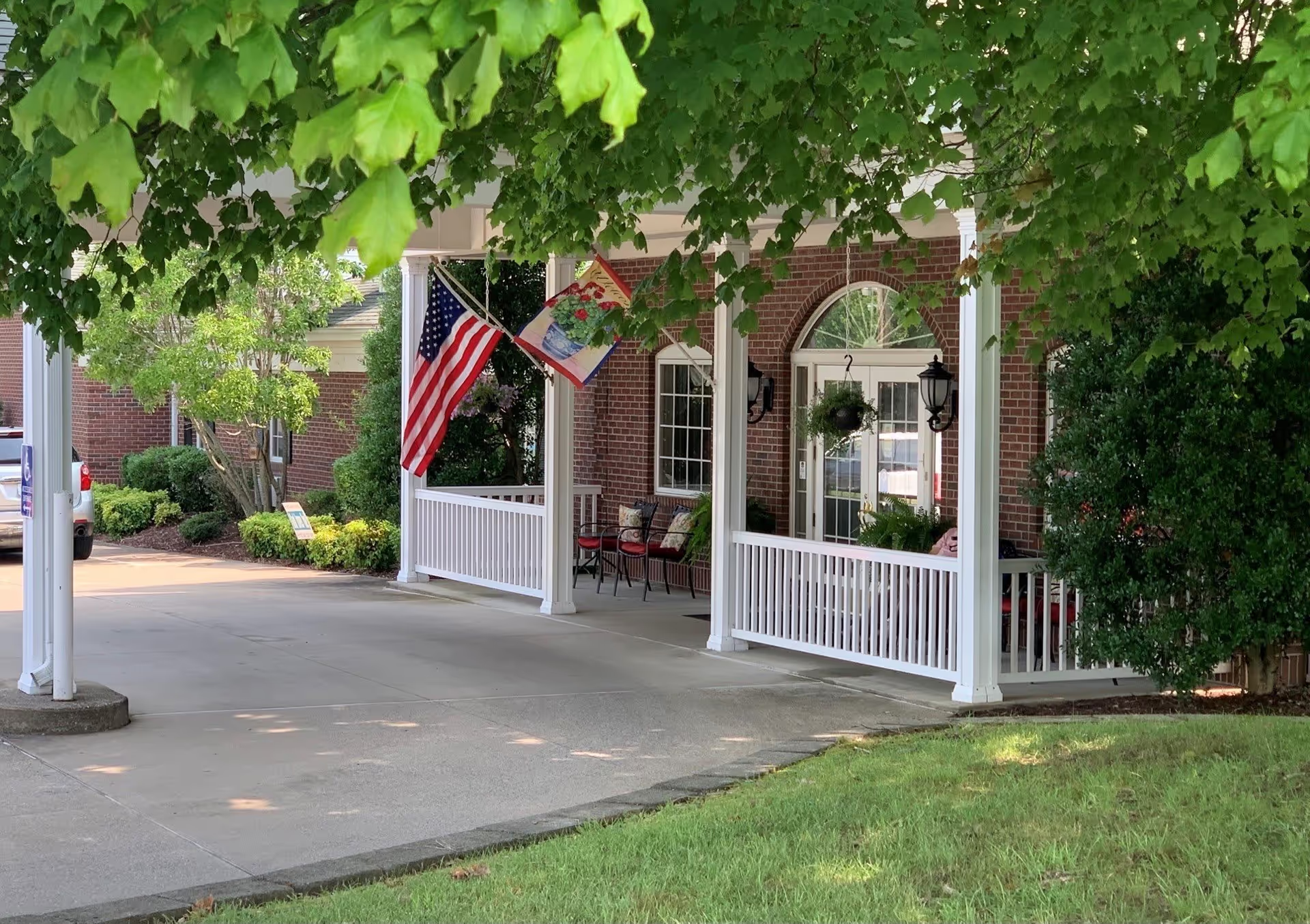
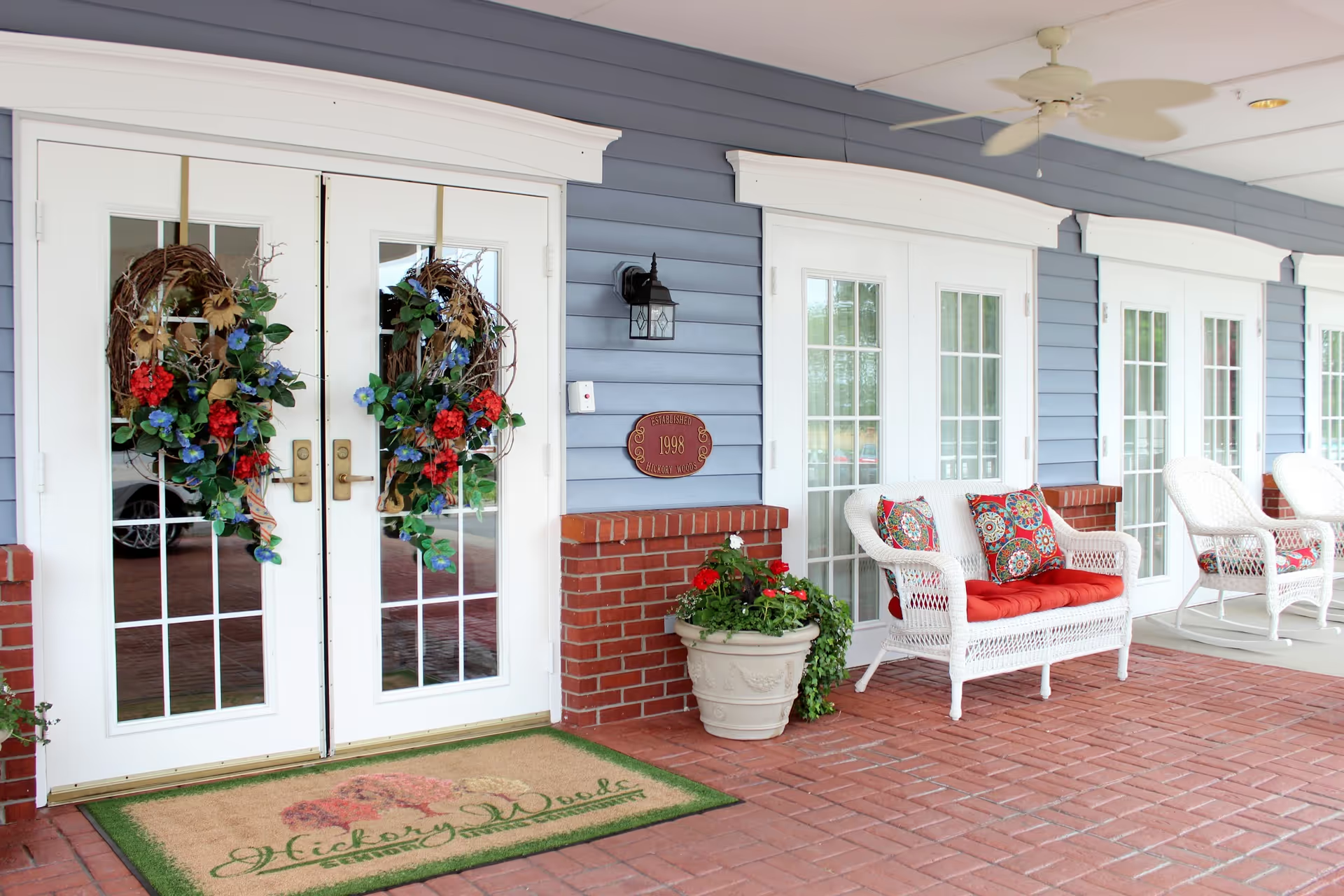
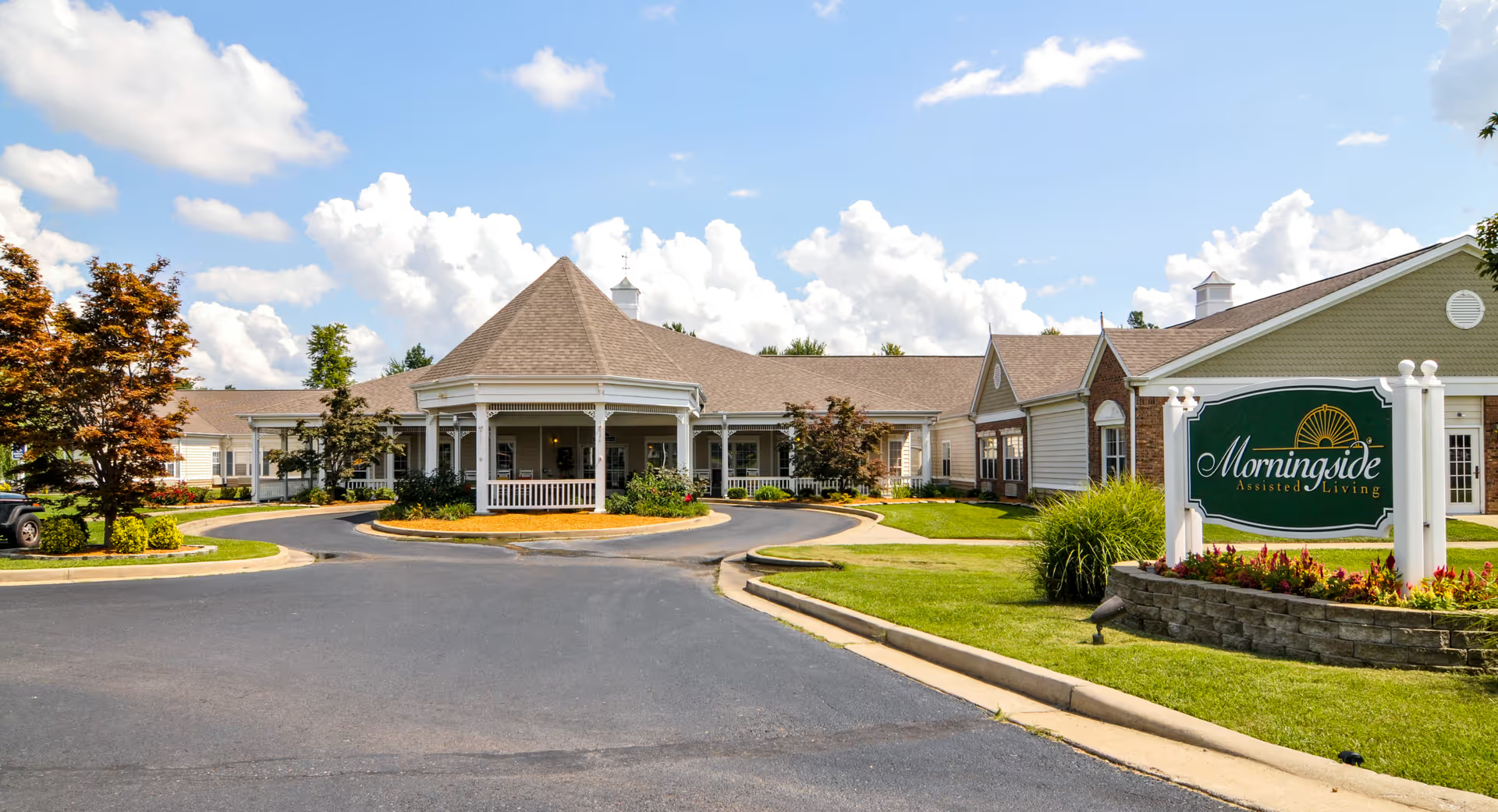
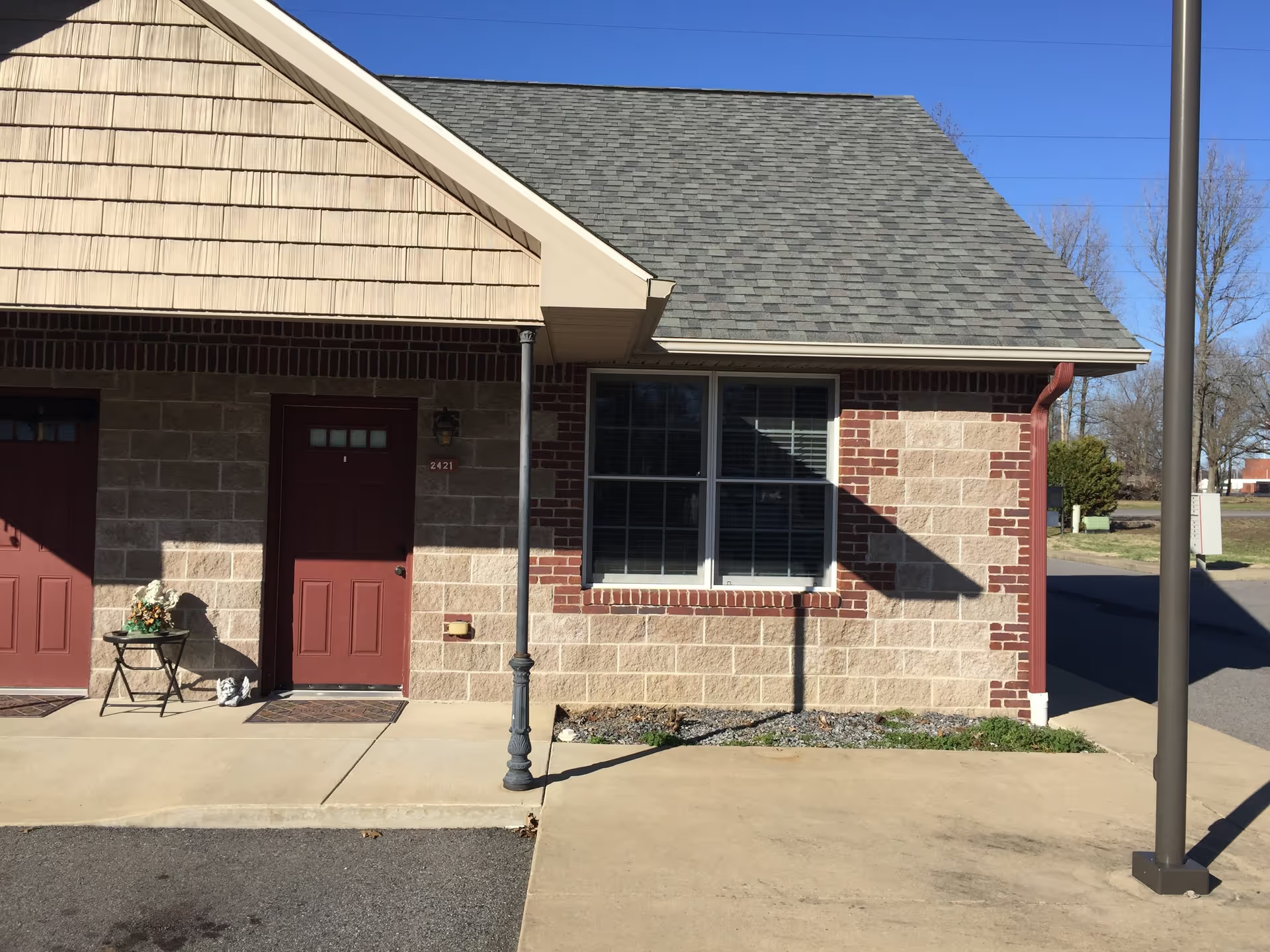
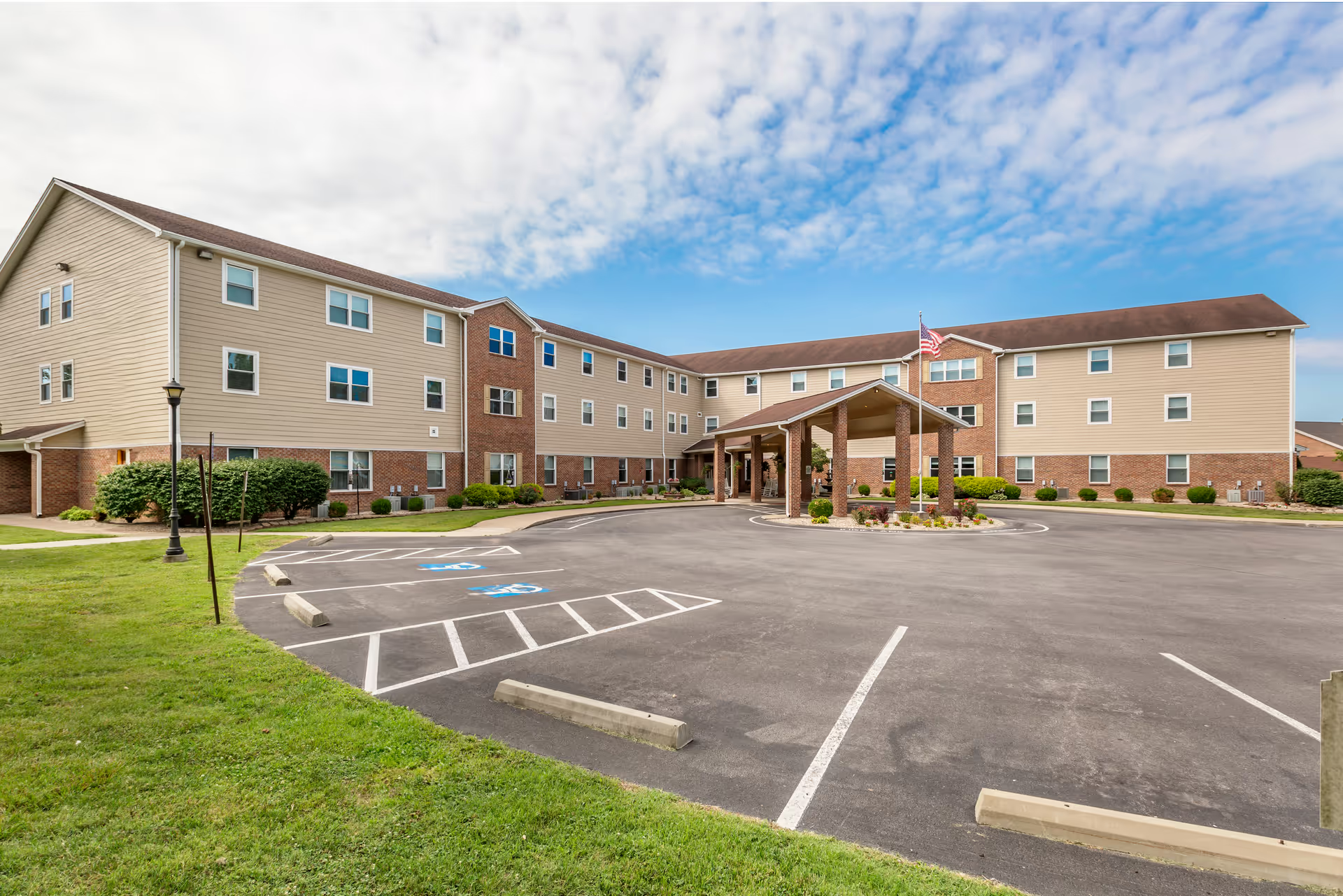
Princeton Health & Rehab Center presents as a modern, well-maintained rehabilitation and long-term care campus with a recently renovated interior and a newly established memory care unit. The physical environment and housekeeping receive consistent praise: the facility is described as clean, attractive, and well kept. Security measures such as facial-recognition entry and monitored doors are noted as advanced features that contribute to family confidence in access control.
The strongest recurring theme is the caregiving culture. Many families and visitors describe staff as warm, caring, and family-oriented; nurses, CNAs, and restorative aides are frequently characterized as responsive and attentive. Staffing levels are generally perceived as adequate, and reviewers highlight strong medication-administration practices and clinical oversight. Rehabilitation services are a visible strength for many residents — physical, occupational, and restorative therapy teams are credited with producing measurable progress during short-term stays and supporting independence for some memory-care residents.
Activity programming and social engagement are also emphasized. The center offers a range of daily activities that contribute to a welcoming, home-like atmosphere and opportunities for friendships and stimulation. Admissions and management are described as helpful and efficient in many accounts: admissions staff assist with paperwork and insurance coordination, and the facility offers short-term respite options and video-conferencing tools for family contact.
At the same time, reviewers identify operational areas that merit attention. Dining and nutrition emerge as inconsistent: while some families praise meals, others express a need for improved nutrition planning and more consistent food quality. Therapy access may not always match demand — several comments indicate a desire for additional physical-therapy hours or availability. There are also concerns related to dementia care transitions and resident orientation; some families feel new residents with cognitive impairment need more structured adjustment support when moving into memory care. Linked to this are specific concerns about staff conduct and resident-handling practices; one review includes an allegation of inappropriate handling, which suggests the facility would benefit from strengthened monitoring, incident-response protocols, and targeted staff training in safe transfer and dementia-specific techniques.
For prospective residents and families: the facility demonstrates many positives — renovated spaces, robust security, engaged staff, active programming, and generally effective rehab services. When evaluating Princeton Health & Rehab Center, consider asking for details about staffing ratios on the unit of interest, the facility’s dementia-transition protocols, specific caregiver training in safe handling and behavioral support, therapy scheduling and capacity, sample menus and nutrition plans, and the incident-reporting and family-notification procedures. Observing interactions on a site visit and requesting a short trial or respite stay may help clarify whether the operational practices align with your expectations for safety and dementia-specific support.